معاينة الحجم الواقعي
 مشاركة
 مشاركة
 التفاصيل
 دليل
دليل

 تحميل الملف
 قطع مشابهة
 الأشعة السينية
 عرض شرائح
 الأسئلة والأجوبة
 الإحصائيات
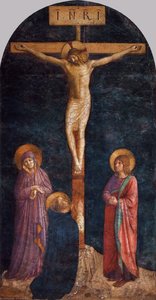
Perugia Altarpiece (left panel)

- 95.0 x 73.0 cm


 عرض المزيد
طباعة جيلي / مطبوعات فنية
طباعة جيكلي أو كانفاس بجودة المتاحف، مع سرعة في التنفيذ وخيارات متنوعة للتشطيب. ( شراء لوحة مرسومة يدويًا الانتقال إلى الصورة الرقمية)




P118B E£10

P118H E£10

P118W E£10

P438Z E£10

P508JH E£12

P508YH E£12

P805H E£10

P805Z E£10

P919BZ E£10

P919G E£10

P919XJ E£10

P959ZH E£10

P968JZ E£12

W106C E£8

W218G E£10

W218JH E£8

W218Y E£10

W307PJ E£10

W316G E£10

W316PJ E£8

W316Y E£10

W398PJ E£8

W4111J E£10

W500HY E£15

W500JH E£15

W692G E£12

W849H E£8

W940BG E£15

W953PJ E£8




اختر من بين أحجامنا المُعدّة مسبقاً والتي تتوافق مع النسب الأصلية للعمل الفني.

أدخل العرض والارتفاع المطلوبين ليتناسب المقاس مع إطارك أو جدارك. يرجى الملاحظة أن المطبوعة يمكن قصها فقط ولا يمكن تكبيرها لتتجاوز أبعاد الصورة الأصلية، لذا فإن اختيار مقاس بأبعاد مختلفة سيؤدي إلى فقدان جزء من الصورة. سنرسل لك نموذجاً رقمياً تجريبياً لاعتماده قبل البدء في عملية الطباعة. الصورة المعروضة في هذه الصفحة لا توضح شكل القص الفعلي — النموذج التجريبي فقط هو ما يظهر ذلك بدقة.
توصيل عالمي إلى خلال أسبوعين بدلاً من المدة القياسية البالغة 4/5 أسابيع. (7 نوفمبر)

شحن سريع ومجاني لجميع أنحاء العالم

قماش كتان عالي الجودة

تأمين شامل على الشحن

ضمان استرداد الرسوم الجمركية

ضمان مطابقة الألوان الحقيقية

سياسة الإرجاع خلال 100 يوم (في حالات العيوب فقط)

ضمان استرداد نقدي بنسبة 100%

خصم عند طلب كميات
 خيار الزجاج متاح فقط للمقاسات التي تقل عن 110 سم

Perugia Altarpiece (left panel)
طباعة جيلي / مطبوعات فنية
مقاس النسخة المطبوعة
-


إجمالي السعر النهائي
E£ 4242
Fra Angelico’s Perugia Altarpiece: A Window into Early Renaissance Devotion
The Perugia Altarpiece (left panel), created by the profoundly spiritual and remarkably gifted Fra Angelico between 1447 and 1448, stands as a cornerstone of Early Renaissance art. Housed within the Galleria Nazionale dell’Umbria in Perugia, Italy, this tempera-on-panel painting is more than just a depiction of biblical figures; it's an immersive experience of faith, geometry, and the burgeoning humanist ideals of the era. Examining its composition, symbolism, and technical mastery reveals a profound understanding of both religious belief and artistic innovation.
At first glance, the panel presents two solemn men engaged in quiet contemplation. Dressed in the somber robes of Dominican friars, they are positioned against a backdrop that subtly yet powerfully directs the viewer’s eye. One figure is absorbed in reading from a book – a gesture laden with significance, representing knowledge, divine guidance, and the pursuit of spiritual understanding. His posture, coupled with the delicate white lily he holds, speaks to purity and grace. The second man, holding a cross, embodies sacrifice and faith, his hand resting gently on the open book, suggesting an active engagement with scripture and a harmonious blend of intellect and devotion. These figures are not merely static representations; they invite us into their moment of reflection, prompting introspection about our own relationship to faith and knowledge.
Beyond these central figures lies a carefully constructed scene brimming with symbolic detail. A small dog at the lower left corner is often interpreted as representing loyalty and fidelity – virtues highly valued within the monastic order. The presence of a throne upon which the Virgin Mary sits immediately establishes a hierarchical structure, emphasizing her divine status and role as the heart of Christian belief. The pavement beneath is adorned with intricate marble tarsia, a technique borrowed from Fra Angelico’s earlier work on the San Pietro Martire Triptych, demonstrating his continuous refinement and experimentation. This deliberate use of geometric perspective – a hallmark of Renaissance art – creates a sense of depth and spatial awareness, drawing the viewer into the scene and reinforcing its monumental quality.
The Geometry of Faith: Composition and Technique
Fra Angelico’s genius lies not only in his ability to capture religious subjects but also in his masterful command of artistic technique. The painting is executed in tempera on panel, a medium known for its luminosity and rich colors – qualities that contribute significantly to the work's ethereal quality. Notice the subtle gradations of color, the delicate rendering of fabrics, and the meticulous detail lavished upon each figure’s expression. The throne itself is a testament to his skill, constructed with an almost mathematical precision, reflecting the Renaissance fascination with proportion and harmony.
Furthermore, the composition subtly echoes the principles of geometric perspective, evident in the carefully arranged elements and the use of converging lines that lead the eye towards the central figures. This deliberate structuring aligns with the broader intellectual currents of the time, where artists sought to understand and represent the world through rational systems of measurement and proportion. The influence of Masaccio, a pioneer of linear perspective, is palpable, though Fra Angelico retains his own distinctive style – one characterized by an intense spiritual focus rather than purely scientific observation.
A Fragmented Legacy: Historical Context
The Perugia Altarpiece was originally conceived as part of a larger triptych intended for the St. Nicholas Chapel in the Basilica of San Domenico, Perugia. However, over time, the work was fragmented and dispersed, with some panels finding their way into private collections and eventually to the Pinacoteca Vaticana. Interestingly, copies of these panels were later created in Perugia and housed within a neo-Gothic frame, preserving a tangible connection to its original context. This history underscores the painting’s journey through time and highlights the enduring appeal of its artistic merit.
The altarpiece's creation coincided with a period of significant religious and intellectual ferment in Italy. The rise of humanism was challenging traditional modes of thought, while simultaneously fostering a renewed appreciation for classical art and philosophy. Fra Angelico’s work reflects this complex interplay of influences – blending deeply rooted Christian beliefs with the emerging principles of Renaissance aesthetics.
Bringing the Altarpiece Home: Reproductions at OriginalUniqueArt.com
For art enthusiasts and collectors seeking to experience the profound beauty and spiritual depth of the Perugia Altarpiece, OriginalUniqueArt.com offers meticulously crafted oil painting reproductions that faithfully capture every nuance and detail of Fra Angelico’s original masterpiece. Our skilled artists employ traditional techniques and premium materials to ensure that each reproduction is a testament to the enduring legacy of this iconic work.
Whether you're drawn to its serene beauty, its intricate symbolism, or its historical significance, the Perugia Altarpiece (left panel) remains a powerful reminder of the transformative potential of art. Explore our high-quality reproductions today and bring a piece of Renaissance history into your home or office.
Size: 95 x 73 cm
Date: 1447
الأسئلة والأجوبة
أيُّ مساحةٍ تتناغمُ مع ألوان "Perugia Altarpiece (left panel)" للفنان البياتي أنجليكو؟
تتناغم ألوان ألوان ترابية في لوحة "Perugia Altarpiece (left panel)" للفنان البياتي أنجليكو مع المساحة الموصى بها لها: وهي غرفة المعيشة.
كيف يوازن "Perugia Altarpiece (left panel)" بين الضوء والظلال؟
تتميز لوحة "Perugia Altarpiece (left panel)" بدرجة سطوع إجمالية تبلغ متوسط السطوع، كما يبلغ مستوى الإضاءة فيها ظل ناعم.
ما الذي يضفيه "Perugia Altarpiece (left panel)" للفنان البياتي أنجليكو على أجواء التصميم الداخلي؟
بأجوائه التي تتسم بـ أنيق، يُقترح وضع لوحة "Perugia Altarpiece (left panel)" في غرفة المعيشة.
السيرة الذاتية للفنان
الرائد الروحي والجمالي: حياة وفن فرا أنجليكو
في قلب التلال التوسكانية، بالقرب من فلورنسا، وُلد جيوفاني دا فيسولي حوالي عام 1395، الفنان الذي سيشتهر لاحقًا باسم فرا أنجليكو. لم تترك لنا السجلات الكثير عن سنواته الأولى، لكن يُعتقد أنه تلقى تعليمًا جيدًا أعدّه لحياة تتجاوز جذوره المتواضعة. نقطة التحول الحاسمة جاءت عندما انضم إلى النظام الدومينيكي في فيسولي، حيث تبنى حياة التأمل والخدمة الدينية. هنا، حصل على الاسم الذي سيُعرف به العالم: فرا (الأخ) أنجليكو، وهو لقب يعكس ليس فقط فروقه الرهبانية ولكن أيضًا الجودة الملائكية المتأصلة في فنه. بدأ عمله في تذهيب المخطوطات، وهي حرفة دقيقة تتطلب دقة عالية وألوانًا نابضة بالحياة، مما صقل مهاراته التي ستزدهر لاحقًا في أعمال جداريات ولوحات رائعة. لقد غرس التأكيد الدومينيكي على الدراسة اللاهوتية بعمق في رؤيته الفنية، حيث أضفى على عمله إحساسًا عميقًا بالإيمان والهدف.تطور أسلوب فريد ومميز
لم يظهر فن فرا أنجليكو من العدم؛ بل كان نتاج امتصاصه التيارات الفنية التي كانت سائدة في فلورنسا في عصره. يمكن رؤية تأثيرات لورينزو مونكو، الرائد في الرسم والتذهيب القوطي المتأخر، في أعماله المبكرة، خاصةً الخطوط الأنيقة والأنماط الزخرفية. ومع ذلك، لم يقتصر أنجليكو على مجرد التقليد. بدأ في دمج هذه التأثيرات مع طبيعية متنامية، ربما ألهمها التعرض لأعمال فريسكو ماساتشيو الرائدة. بينما أحدث ماساتشيو ثورة في الرسم من خلال استخدامه الدرامي للمنظور والتصوير الواقعي للشكل البشري، سلك أنجليكو طريقًا مختلفًا. لقد تبنى المنظور ليس من أجل نفسه، بل كوسيلة لخلق تجربة روحية أكثر غامرة. شخصياته، على الرغم من كونها رشيقة وغالبًا ما تكون مثالية، تمتلك هدوءًا ورونقًا عاطفيًا يتجاوز مجرد التمثيل. والأهم من ذلك أن فنّه كان مرتبطًا ارتباطًا وثيقًا بإيمانه؛ فقد رأى الرسم ليس كمجرد مهنة، بل كعمل من العبادة - طريقة للتأمل في المقدس وجعله مرئيًا للآخرين.روائع الإيمان واللون: سان ماركو وغيرها
تتمحور إرث فرا أنجليكو الفني حول العديد من الأعمال الضخمة التي لا تزال تلهم الرهبة عبر القرون. تُعتبر الفريسكو في دير سان ماركو في فلورنسا على نطاق واسع تحفته الفنية. هذه المشاهد من حياة المسيح تشع ببساطة وسهولة عاطفية نادرة في فن عصر النهضة المبكر. كل صورة - من التجلي إلى الصلب - مشبعة بإحساس بالتأمل الهادئ، وتدعو المشاهدين إلى مواجهة شخصية مع السرد المقدس. تتجاوز سان ماركو، تُظهر لوحة *Perugia Altarpiece* أسلوبه المتطور، لا سيما في تصويره الرقيق للتجلي. يظهر موضوع التجلي نفسه في العديد من الإصدارات طوال أعماله، كل منها يتم تقديمه بجمال سماوي وغنى رمزي. تُظهر الأعمال مثل *St. Lawrence Giving Alms* مهارته في تكوين السرد وقدرته على تصوير المشاعر الإنسانية بحساسية ورشاقة. تتميز لوحاته بلوحة ألوان مشرقة وواضحة - الأزرق والذهبي والأحمر - التي تبدو وكأنها تتوهج من الداخل، مما يخلق جوًا من الرونق الآخر.أهمية تاريخية وتأثير دائم
يظل فرا أنجليكو شخصية محورية في عصر النهضة المبكر، حيث يجسد اندماج التفاني الديني والابتكار الفني للعصر. لم يكن مجرد رسام؛ بل كان رؤيًا روحية ترجمت إيمانه إلى شكل مرئي. يعكس عمله المثل الإنسانية للفترة، مؤكدًا على كرامة الإنسان وإمكانية التأمل الروحي. أشاد المؤرخ الفني الشهير جورجيو فازاري بفرا أنجليكو في *سير الفنانين*، معلنًا أنه لا يمكن لأي قدر من الثناء أن يجسد بشكل كافٍ جمال إبداعاته. عزز هذا الاعتراف مكانته داخل القانون الفني الغربي. امتد تأثيره إلى ما هو أبعد من عصره، حيث ألهم الأجيال القادمة من الفنانين بأسلوبه التعبدي واستخدامه الماهر للألوان. في عام 1982، اعترف البابا يوحنا بولس الثاني بالقداسة الشخصية لفرا أنجليكو رسميًا، وهو شهادة على التأثير الروحي العميق لحياته وعمله. اليوم، لا تزال أعماله تت resonate مع المشاهدين حول العالم، وتقدم رسالة خالدة من الإيمان والأمل والجمال.أماكن استكشاف فنه
- Museo di San Marco, Florence: This museum houses the largest and most significant collection of Fra Angelico’s works, including the breathtaking frescoes from the monastery.
- The Louvre Museum (Paris): Several important paintings by Fra Angelico can be found within the Louvre's extensive collection.
- The National Gallery (London): The National Gallery boasts a selection of his works, offering visitors a glimpse into his artistic genius.
- Santa Maria sopra Minerva, Rome: This church contains frescoes by Fra Angelico and is the site where he was officially beatified.
- Numerous other museums worldwide also display examples of his art, allowing a broader appreciation for his enduring legacy.
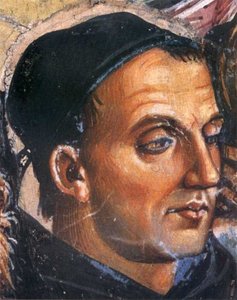
البياتي أنجليكو
1395 - 1455 , إيطاليا
حقائق سريعة
- أعمال فنية بارزة:
- لوحات سان ماركو
- مذبح بيروجيا
- العهد بالقداسة
- سان لورينزو يوزع الصدقات
- الاسم الكامل: Fra Angelico (خوانجيليكو)
- الجنسية: إيطالي
- الحركة الفنية: النهضة المبكرة
- تاريخ الميلاد: حوالي 1395
- حركات أو فنانون تأثروا به: ['فنانو النهضة المبكرة']
- فنانون أثروا فيه:
- لورينزو مونكو
- ماسّاشيو
- مكان الميلاد: روبيسانا، إيطاليا
مقالات ذات صلة
Illuminating History: A Comprehensive Exploration of Tempera Painting Techniques & Artistic Legacy
Explore the rich history & techniques of tempera painting! Discover Renaissance masters like Botticelli & Fra Angelico, conservation insights, and the enduring legacy of this captivating art form.
Tempera's Timeless Legacy: 10 Masterpieces That Revolutionized Art | OriginalUniqueArt
Journey through 10 legendary tempera on panel masterpieces by Giotto, Duccio & Botticelli. Explore the history, symbolism & enduring beauty of these iconic artworks. Find museum-quality reproductions for your home at OriginalUniqueArt.com.
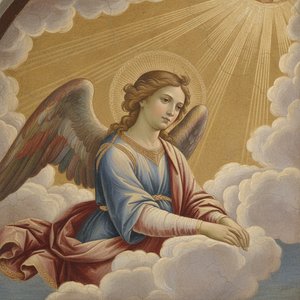
Divine Light: Exploring the Ethereal Masterpieces and Spiritual Luminosity of Fra Angelico
Embark on a profound journey through the ethereal masterpieces of Fra Angelico. Discover the spiritual depth, divine light, and technical brilliance of the 'Angelic Painter' in this expert exploration of Early Renaissance devotion and sacred art history.

أروع 25 لوحة لفرا أنجليكو: تحف فنية لتزيين منزلك بإشراق سماوي
اكتشف روعة 25 لوحة لفرا أنجليكو، فنان عصر النهضة الإيطالي. استكشف قصصًا فنية وتقنيات زيتية آسرة وألوانًا سماوية. احصل على نسخ فاخرة لتزيين منزلك بجمال خالد. اكتشف جميع الروائع على OriginalUniqueArt.com

Illuminating Surfaces: A Comprehensive Exploration of Tempera on Panel Painting Techniques & Historical Significance
Explore the rich history & techniques of tempera painting! Discover Renaissance masters like Botticelli & Fra Angelico, conservation insights, and the enduring legacy of this captivating art form. Learn more now!