معاينة الحجم الحقيقي
 مشاركة
 مشاركة
 التفاصيل

 تحميل الملف
 قطع مشابهة
 الأشعة السينية
 عرض شرائح
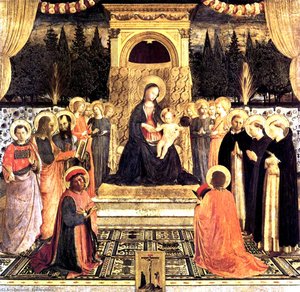
Cortona Polyptych (central panel)
 أكريليك على كانفاس
- لوحات جدارية
- Early Renaissance
 1437
1437- عصر النهضة
 137.0 x 68.0 cm
 Museo Diocesano
 عرض المزيد
طباعة جيلي / مطبوعات فنية
طباعة جيكلي أو كانفاس بجودة المتاحف، مع سرعة في التنفيذ وخيارات متنوعة للتشطيب. ( اشترِ لوحة مرسومة يدويًا اشترِ الصورة)




P118B $10

P118H $10

P118W $10

P438Z $10

P508JH $12

P508YH $12

P805H $10

P805Z $10

P919BZ $10

P919G $10

P919XJ $10

P959ZH $10

P968JZ $12

W106C $8

W218G $10

W218JH $8

W218Y $10

W307PJ $10

W316G $10

W316PJ $8

W316Y $10

W398PJ $8

W4111J $10

W500HY $15

W500JH $15

W692G $12

W849H $8

W940BG $15

W953PJ $8




اختر من بين أحجامنا المُعدّة مسبقًا والتي تتطابق مع النسب الأصلية للعمل الفني.

يمكنك إدخال أبعادك الخاصة لتناسب إطاراً أو مساحة معينة. وإذا لم يتطابق الحجم الذي اخترته مع نسب الصورة الأصلية، فسنقوم إما بقص العمل الفني أو تمديد الصورة باستخدام حافة معكوسة أو بلون مصمت. سيتم إرسال نموذج تجريبي رقمي لاعتمادك قبل بدء الإنتاج.
يرجى ملاحظة أن المعاينة على الشاشة لا تعكس عملية القص أو التمديد الفعلية؛ حيث سيوضح النموذج التجريبي فقط التكوين النهائي بدقة.
وعلى الرغم من توفر أحجام مخصصة، إلا أننا نوصي باختيار أبعاد من القائمة المحددة مسبقاً للحفاظ على النسب الأصلية.
توصيل عالمي إلى خلال أسبوعين بدلاً من المدة القياسية البالغة 4/5 أسابيع. 22 أغسطس

شحن سريع ومجاني لجميع أنحاء العالم

قماش كتان عالي الجودة

تأمين شحن شامل

ضمان استرداد الرسوم الجمركية

ضمان مطابقة الألوان الحقيقية

سياسة الإرجاع خلال 60 يومًا (في حالات العيوب فقط)

ضمان استرداد نقدي بنسبة 100%

خصم عند طلب عدة قطع
 خيار الزجاج متاح فقط للمقاسات التي تقل عن 110 سم

Cortona Polyptych (central panel)
طباعة جيلي / مطبوعات فنية
مقاس النسخة المطبوعة
-


السعر الإجمالي النهائي
$ 80
وصف القطعة الفنية
Cortona Polyptych (central panel)
The Cortona Polyptych stands as an emblem of Early Renaissance artistic achievement, meticulously crafted by Fra Angelico between 1437 and 1438. Housed within the Museo Diocesano in Cortona, Italy—a testament to Tuscan cultural heritage—this tempera painting on panel transcends mere visual representation; it embodies profound spiritual contemplation and masterful artistic execution. Measuring approximately 137 x 68 cm, the central panel depicts Mary cradling Jesus Child, enveloped by a serene tableau of angelic figures and saints, establishing a harmonious composition that speaks volumes about humanist ideals and religious devotion.Composition and Symbolism
Fra Angelico’s genius lies in his ability to orchestrate visual elements into a narrative tapestry imbued with symbolic significance. The pyramidal structure dominates the scene, grounding Mary at its apex—a deliberate allusion to Virgin Mary's divine grace and centrality within Christian theology. Surrounding her are six angels, positioned strategically to illuminate the sacred space and convey messages of divine protection and benediction. Each angel is rendered with exquisite detail, reflecting Angelico’s meticulous attention to naturalism – a hallmark of Renaissance art—yet imbued with ethereal beauty. The saints flanking Mary represent various virtues—faith, hope, charity—serving as guides for contemplation and embodying the spiritual aspirations of the medieval Church. Notably, St John the Evangelist and St John the Baptist stand on either side of Mary, symbolizing repentance and divine grace.Artistic Style and Technique
Fra Angelico’s distinctive style is characterized by a luminous tempera paint application—a technique favored for its ability to achieve vibrant colors and subtle gradations—combined with an unparalleled command of perspective and spatial illusion. The artist skillfully employs atmospheric haze, creating depth and enhancing the sense of serenity within the chapel. Color palettes are restrained yet harmonious, dominated by blues—representing Mary’s purity and divine majesty—and golds—symbolizing Christ’s divinity and spiritual illumination. Angelico's meticulous brushwork captures the delicate textures of drapery and flesh, demonstrating his mastery of anatomical accuracy while prioritizing expressive beauty. The predella beneath the central panel expands upon this narrative, depicting scenes from the life of Saint Dominic and other saints, furthering the polyptych’s didactic purpose—to inspire piety and illuminate Christian faith.Historical Context
The Cortona Polyptych emerged during a pivotal moment in European artistic history—the Early Renaissance—a period marked by renewed interest in classical ideals and a burgeoning humanist spirit. Influenced by artists like Masaccio, Angelico embraced innovative techniques that challenged medieval conventions, prioritizing naturalism and psychological realism. The commission itself reflects the patronage of Lorenzo Medici—the Magnificent—who sought to elevate Florentine culture through artistic splendor. This artwork stands as an enduring symbol of Renaissance faith and artistic brilliance, continuing to captivate viewers centuries later with its ethereal beauty and profound spiritual resonance. Its preservation within the Museo Diocesano ensures that this masterpiece remains accessible to generations of art enthusiasts eager to experience the sublime artistry of Fra Angelico.Relevance and Legacy
The Cortona Polyptych’s influence extends far beyond its immediate context, shaping artistic sensibilities across Europe and inspiring countless subsequent works. Its serene composition, luminous color palette, and masterful depiction of human form exemplify the Renaissance aspiration for harmony and beauty—values that continue to resonate in contemporary art and design. The painting serves as a poignant reminder of the transformative power of faith and artistry, demonstrating how creative expression can elevate the human spirit and convey timeless spiritual truths. Its enduring appeal testifies to Fra Angelico’s unparalleled artistic vision and his contribution to the canon of Western art—a legacy that continues to inspire awe and admiration.السيرة الذاتية للفنان
الرائد الروحي والجمالي: حياة وفن فرا أنجليكو
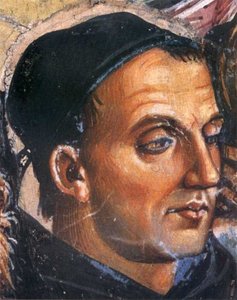
في قلب التلال التوسكانية، بالقرب من فلورنسا، وُلد جيوفاني دا فيسولي حوالي عام 1395، الفنان الذي سيشتهر لاحقًا باسم فرا أنجليكو. لم تترك لنا السجلات الكثير عن سنواته الأولى، لكن يُعتقد أنه تلقى تعليمًا جيدًا أعدّه لحياة تتجاوز جذوره المتواضعة. نقطة التحول الحاسمة جاءت عندما انضم إلى النظام الدومينيكي في فيسولي، حيث تبنى حياة التأمل والخدمة الدينية. هنا، حصل على الاسم الذي سيُعرف به العالم: فرا (الأخ) أنجليكو، وهو لقب يعكس ليس فقط فروقه الرهبانية ولكن أيضًا الجودة الملائكية المتأصلة في فنه. بدأ عمله في تذهيب المخطوطات، وهي حرفة دقيقة تتطلب دقة عالية وألوانًا نابضة بالحياة، مما صقل مهاراته التي ستزدهر لاحقًا في أعمال جداريات ولوحات رائعة. لقد غرس التأكيد الدومينيكي على الدراسة اللاهوتية بعمق في رؤيته الفنية، حيث أضفى على عمله إحساسًا عميقًا بالإيمان والهدف.تطور أسلوب فريد ومميز
لم يظهر فن فرا أنجليكو من العدم؛ بل كان نتاج امتصاصه التيارات الفنية التي كانت سائدة في فلورنسا في عصره. يمكن رؤية تأثيرات لورينزو مونكو، الرائد في الرسم والتذهيب القوطي المتأخر، في أعماله المبكرة، خاصةً الخطوط الأنيقة والأنماط الزخرفية. ومع ذلك، لم يقتصر أنجليكو على مجرد التقليد. بدأ في دمج هذه التأثيرات مع طبيعية متنامية، ربما ألهمها التعرض لأعمال فريسكو ماساتشيو الرائدة. بينما أحدث ماساتشيو ثورة في الرسم من خلال استخدامه الدرامي للمنظور والتصوير الواقعي للشكل البشري، سلك أنجليكو طريقًا مختلفًا. لقد تبنى المنظور ليس من أجل نفسه، بل كوسيلة لخلق تجربة روحية أكثر غامرة. شخصياته، على الرغم من كونها رشيقة وغالبًا ما تكون مثالية، تمتلك هدوءًا ورونقًا عاطفيًا يتجاوز مجرد التمثيل. والأهم من ذلك أن فنّه كان مرتبطًا ارتباطًا وثيقًا بإيمانه؛ فقد رأى الرسم ليس كمجرد مهنة، بل كعمل من العبادة - طريقة للتأمل في المقدس وجعله مرئيًا للآخرين.روائع الإيمان واللون: سان ماركو وغيرها
تتمحور إرث فرا أنجليكو الفني حول العديد من الأعمال الضخمة التي لا تزال تلهم الرهبة عبر القرون. تُعتبر الفريسكو في دير سان ماركو في فلورنسا على نطاق واسع تحفته الفنية. هذه المشاهد من حياة المسيح تشع ببساطة وسهولة عاطفية نادرة في فن عصر النهضة المبكر. كل صورة - من التجلي إلى الصلب - مشبعة بإحساس بالتأمل الهادئ، وتدعو المشاهدين إلى مواجهة شخصية مع السرد المقدس. تتجاوز سان ماركو، تُظهر لوحة *Perugia Altarpiece* أسلوبه المتطور، لا سيما في تصويره الرقيق للتجلي. يظهر موضوع التجلي نفسه في العديد من الإصدارات طوال أعماله، كل منها يتم تقديمه بجمال سماوي وغنى رمزي. تُظهر الأعمال مثل *St. Lawrence Giving Alms* مهارته في تكوين السرد وقدرته على تصوير المشاعر الإنسانية بحساسية ورشاقة. تتميز لوحاته بلوحة ألوان مشرقة وواضحة - الأزرق والذهبي والأحمر - التي تبدو وكأنها تتوهج من الداخل، مما يخلق جوًا من الرونق الآخر.أهمية تاريخية وتأثير دائم
يظل فرا أنجليكو شخصية محورية في عصر النهضة المبكر، حيث يجسد اندماج التفاني الديني والابتكار الفني للعصر. لم يكن مجرد رسام؛ بل كان رؤيًا روحية ترجمت إيمانه إلى شكل مرئي. يعكس عمله المثل الإنسانية للفترة، مؤكدًا على كرامة الإنسان وإمكانية التأمل الروحي. أشاد المؤرخ الفني الشهير جورجيو فازاري بفرا أنجليكو في *سير الفنانين*، معلنًا أنه لا يمكن لأي قدر من الثناء أن يجسد بشكل كافٍ جمال إبداعاته. عزز هذا الاعتراف مكانته داخل القانون الفني الغربي. امتد تأثيره إلى ما هو أبعد من عصره، حيث ألهم الأجيال القادمة من الفنانين بأسلوبه التعبدي واستخدامه الماهر للألوان. في عام 1982، اعترف البابا يوحنا بولس الثاني بالقداسة الشخصية لفرا أنجليكو رسميًا، وهو شهادة على التأثير الروحي العميق لحياته وعمله. اليوم، لا تزال أعماله تت resonate مع المشاهدين حول العالم، وتقدم رسالة خالدة من الإيمان والأمل والجمال.أماكن استكشاف فنه
- Museo di San Marco, Florence: This museum houses the largest and most significant collection of Fra Angelico’s works, including the breathtaking frescoes from the monastery.
- The Louvre Museum (Paris): Several important paintings by Fra Angelico can be found within the Louvre's extensive collection.
- The National Gallery (London): The National Gallery boasts a selection of his works, offering visitors a glimpse into his artistic genius.
- Santa Maria sopra Minerva, Rome: This church contains frescoes by Fra Angelico and is the site where he was officially beatified.
- Numerous other museums worldwide also display examples of his art, allowing a broader appreciation for his enduring legacy.
البياتي أنجليكو
1395 - 1455 , إيطاليا
حقائق سريعة
- أعمال فنية بارزة:
- لوحات سان ماركو
- مذبح بيروجيا
- العهد بالقداسة
- سان لورينزو يوزع الصدقات
- الاسم الكامل: Fra Angelico (خوانجيليكو)
- الجنسية: إيطالي
- الحركة الفنية: النهضة المبكرة
- تاريخ الميلاد: حوالي 1395
- حركات أو فنانون تأثروا به: ['فنانو النهضة المبكرة']
- فنانون أثروا فيه:
- لورينزو مونكو
- ماسّاشيو
- مكان الميلاد: روبيسانا، إيطاليا
مقالات ذات صلة
أروع 25 لوحة لفرا أنجليكو: تحف فنية لتزيين منزلك بإشراق سماوي
اكتشف روعة 25 لوحة لفرا أنجليكو، فنان عصر النهضة الإيطالي. استكشف قصصًا فنية وتقنيات زيتية آسرة وألوانًا سماوية. احصل على نسخ فاخرة لتزيين منزلك بجمال خالد. اكتشف جميع الروائع على OriginalUniqueArt.com
Divine Light: Exploring the Ethereal Masterpieces and Spiritual Luminosity of Fra Angelico
Embark on a profound journey through the ethereal masterpieces of Fra Angelico. Discover the spiritual depth, divine light, and technical brilliance of the 'Angelic Painter' in this expert exploration of Early Renaissance devotion and sacred art history.
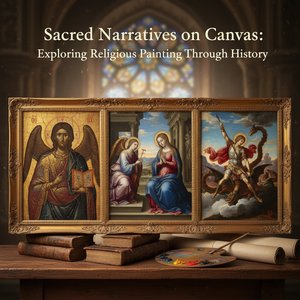
Sacred Narratives on Canvas: Exploring Religious Painting Through History
Explore the rich history of religious painting with OriginalUniqueArt.com! Discover iconic artworks, symbolism & techniques from antiquity to the Renaissance. Enhance your art appreciation today.

Divine Grace: An Art Historian's Journey Through Iconic Masterpieces of the Virgin Mary
Explore the profound beauty of Marian iconography through an art historian's lens. Discover iconic masterpieces by Raphael and Renaissance masters, celebrating the divine grace and timeless elegance of the Virgin Mary in classical fine art.
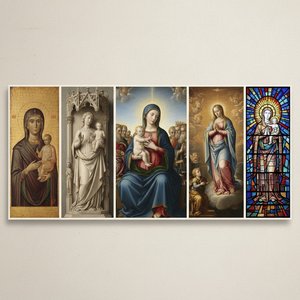
Divine Grace: A Journey Through the Most Iconic Depictions of the Virgin Mary in Art History
Embark on a profound journey through art history with our exploration of the most iconic depictions of the Virgin Mary. Discover the divine grace, symbolism, and masterful techniques found in Renaissance masterpieces and sacred iconography.