

 معاينة الحجم الحقيقي
 مشاركة
 مشاركة
 التفاصيل

 تحميل الملف
 قطع مشابهة
 الأشعة السينية
 عرض شرائح
Annunciation
 Oil On Canvas
- WallArt
- Early Renaissance
 1445
1445 175.0 x 183.0 cm
 سان لورينزو
 عرض المزيد
طباعة جيلي / مطبوعات فنية
طباعة جيكلي أو كانفاس بجودة المتاحف، مع سرعة في التنفيذ وخيارات متنوعة للتشطيب. ( اشترِ لوحة مرسومة يدويًا اشترِ الصورة)




P118B $10

P118H $10

P118W $10

P438Z $10

P508JH $12

P508YH $12

P805H $10

P805Z $10

P919BZ $10

P919G $10

P919XJ $10

P959ZH $10

P968JZ $12

W106C $8

W218G $10

W218JH $8

W218Y $10

W307PJ $10

W316G $10

W316PJ $8

W316Y $10

W398PJ $8

W4111J $10

W500HY $15

W500JH $15

W692G $12

W849H $8

W940BG $15

W953PJ $8




اختر من بين أحجامنا المُعدّة مسبقًا والتي تتطابق مع النسب الأصلية للعمل الفني.

يمكنك إدخال أبعادك الخاصة لتناسب إطاراً أو مساحة معينة. وإذا لم يتطابق الحجم الذي اخترته مع نسب الصورة الأصلية، فسنقوم إما بقص العمل الفني أو تمديد الصورة باستخدام حافة معكوسة أو بلون مصمت. سيتم إرسال نموذج تجريبي رقمي لاعتمادك قبل بدء الإنتاج.
يرجى ملاحظة أن المعاينة على الشاشة لا تعكس عملية القص أو التمديد الفعلية؛ حيث سيوضح النموذج التجريبي فقط التكوين النهائي بدقة.
وعلى الرغم من توفر أحجام مخصصة، إلا أننا نوصي باختيار أبعاد من القائمة المحددة مسبقاً للحفاظ على النسب الأصلية.
توصيل عالمي إلى خلال أسبوعين بدلاً من المدة القياسية البالغة 4/5 أسابيع. 27 أغسطس

شحن سريع ومجاني لجميع أنحاء العالم

قماش كتان عالي الجودة

تأمين شحن شامل

ضمان استرداد الرسوم الجمركية

ضمان مطابقة الألوان الحقيقية

سياسة الإرجاع خلال 60 يومًا (في حالات العيوب فقط)

ضمان استرداد نقدي بنسبة 100%

خصم عند طلب عدة قطع
 خيار الزجاج متاح فقط للمقاسات التي تقل عن 110 سم

Annunciation
طباعة جيلي / مطبوعات فنية
مقاس النسخة المطبوعة
-


السعر الإجمالي النهائي
$ 80
The Annunciation: A Florentine Prayer in Paint
Filippo Lippi’s “Annunciation,” painted around 1445 during his formative years in Florence, is more than just a depiction of a pivotal biblical moment; it's a profound meditation on faith, grace, and the transformative power of divine revelation. This masterpiece, now housed within the National Gallery in London, offers a glimpse into the burgeoning Renaissance spirit – a time when artists were not merely replicating religious narratives but striving to imbue them with a deeply human sensibility. The painting’s enduring appeal lies not just in its technical brilliance, but also in its ability to evoke a sense of quiet reverence and profound emotional connection.
Lippi's early style is strikingly reminiscent of Masaccio, the revolutionary artist who had recently transformed the Florentine art scene with his groundbreaking use of perspective and realism. However, Lippi quickly developed his own distinctive voice, characterized by a lyrical quality and an exquisite attention to detail. The composition itself is carefully orchestrated: the figures are arranged in a shallow space, creating a sense of intimacy and immediacy. Gabriel, rendered with a dignified solemnity, kneels before Mary, his face tilted in earnest as he delivers the momentous news. The vibrant colors – rich blues, reds, and golds – contribute to the painting’s luminous quality, while the delicate brushwork suggests a mastery of tempera on wood, a technique favored by Lippi for its ability to achieve both brilliance and subtlety.
A Dialogue of Light and Shadow
The heart of the Annunciation lies in the interplay of light and shadow. God’s hand, depicted as a radiant golden form emerging from a cloud, casts a gentle illumination upon Mary's face, signifying her acceptance of God’s grace. This divine light contrasts sharply with the darker tones that envelop the surrounding figures, creating a sense of mystery and reverence. The use of *chiaroscuro*, a technique perfected by Renaissance artists, adds depth and drama to the scene, drawing the viewer’s eye towards the central figures and emphasizing their spiritual significance. Notice how Lippi uses subtle gradations of color to model the drapery, creating a sense of volume and texture that brings the figures to life.
Symbolism is woven throughout the painting with meticulous care. The dove, representing the Holy Spirit, ascends towards Mary’s womb, signifying the miraculous conception of Jesus. The book Gabriel holds represents divine revelation, while the lilies – a traditional symbol of purity – adorn Mary's robes. Even the architectural details—the simple, elegant arches and columns—contribute to the painting’s overall sense of harmony and spiritual elevation. The inclusion of the angel’s peacock feathers is particularly striking; the bird’s iridescent plumage symbolizes Gabriel’s heavenly status and his role as a messenger of God.
A Window into Renaissance Florence
“Annunciation” was originally commissioned for the Medici family, specifically intended to hang above a doorway in their grand villa. This context is crucial to understanding the painting's significance. The Medici were powerful patrons of the arts, and their commissions played a vital role in shaping the artistic landscape of Renaissance Florence. Lippi’s work reflects both the religious fervor of the time and the growing interest in classical antiquity that characterized the era. The composition echoes the traditional iconography of the Annunciation, but it also demonstrates Lippi's own innovative approach to depicting biblical narratives.
Beyond its artistic merits, “Annunciation” offers a poignant glimpse into the life of Filippo Lippi himself. A complex and often troubled figure—a Carmelite monk who later became an illegitimate father and a notorious forger—Lippi’s art reveals both his spiritual devotion and his worldly struggles. The painting serves as a testament to his extraordinary talent, but also as a reminder of the contradictions inherent in human nature. It is a work that invites contemplation not only on the mysteries of faith but also on the complexities of the human condition.
A Timeless Masterpiece
Today, “Annunciation” remains one of Lippi’s most celebrated works, admired for its exquisite beauty and profound spiritual depth. Its enduring appeal lies in its ability to transcend time and connect with viewers across generations. Whether viewed in person or reproduced as a high-quality print, this painting continues to inspire awe and wonder. It is a powerful reminder of the transformative power of art—its capacity to illuminate our souls and deepen our understanding of the world around us.
السيرة الذاتية للفنان
فيليبو ليبي: فنان النهضة المتمرد
فيليبو دي توماسو ليبي، المعروف باسم فرا فيليبو ليبي، كان شخصية مباركة بالعبقرية الفنية ومظللة بحياة مليئة بالفضيحة والخيارات غير التقليدية. ولد في فلورنسا عام 1406 لعائلة جزار، وكانت سنواته الأولى مليئة بالخسارة؛ فقد أصبح يتيمًا وعمره سنتان فقط، ووجد نفسه موثوقًا به لرعاية عمته، مونّا لاباشيا. أدى هذا الترتيب في النهاية، عندما بلغ الثامنة من عمره، إلى الدير الكرملي - وهو مسار سيشكل ليس تطوره الفني فحسب، بل يحدد أيضًا تعقيدات شخصيته. داخل هذه الجدران المغلقة بدأ فيليبو الشاب تعليمه الرسمي والأهم من ذلك اكتشف شغفه بالرسم. تأثير هذا المحيط واضح في الكثير من أعماله؛ توازن دقيق بين التفاني الروحي والحساسية الإنسانية المتزايدة.
من النذور الدينية إلى الابتكار الفني
لم يكن دخول ليبي إلى النظام الكرملي عام 1420 مجرد مسألة ظرف، بل يبدو أنه أشعل بداخله دافعًا فنيًا شرسًا. أدى نذوره في سن السادسة عشرة ورُسم كاهنًا حوالي عام 1425، وبقي في الدير حتى عام 1432. خلال هذه الفترة، يروي مؤرخ الفن جورجيو فاساري كيف انبهر ليبي بلوحات ماساتشيو الرائدة في كنيسة برانتشي - وهو لقاء أثبت أنه محوري. تأثير واقعية ماساتشيو واستخدامه المبتكر للضوء واضح في أعماله المبكرة، مثل مادونا تاركوينيا، حيث يبدأ الواقعية الجديدة في الظهور. ومع ذلك، لم يكن ليبي مجرد مقلد؛ لقد طور بسرعة أسلوبه المميز، الذي يتميز بالنعمة الغنائية والتلوين الدقيق والعمق العاطفي الخفي الذي ميزه عن معاصريه. بدأ يضفي على المشاهد الدينية إحساسًا بالحميمية والاتصال الإنساني، مبتعدًا عن الرسمية الصارمة للفن التعبدي السابق.
سيد التكوين والجدل
ازدهرت الحياة الفنية لليبي في فلورنسا، وجذبت عمولات من عائلات بارزة مثل آل ميديشي. تُظهر أعمال مثل التبشير وسبعة قديسين قدرته على إنشاء تركيبات معقدة مليئة بالرمزية والمعنى الأنيق. تتويج العذراء، الذي اكتمل عام 1441 لراهبات سانت أمبروجيو، جدير بالملاحظة بشكل خاص؛ يتميز بشخصية نصف طول يعتقد الكثيرون أنها صورة ذاتية لليبي نفسه - وهو تأكيد جريء للهوية الفنية في سياق ديني. لكن حياته لم تكن هادئة على الإطلاق. وجد نفسه باستمرار متورطًا في صعوبات مالية ونزاعات قانونية واتهامات بالتزوير. ربما كانت الحلقة الأكثر إثارة للجدل تتضمن اختطافه لـ لوكريسيا بوتي، وهي راهبة من براتو، تزوجها في النهاية بعد سنوات من الفضيحة والجدل. هذا الفعل، على الرغم من أنه صادم لوقته، يتحدث عن روح ليبي المتمرد واستعداده لتحدي الأعراف المجتمعية في سعيه وراء السعادة الشخصية.
الإرث والتأثير
على الرغم من اضطرابات حياته، ترك فيليبو ليبي بصمة لا تمحى على فن النهضة. كان رسامًا مطلوبًا للغاية، وأصبحت ورشته أرضًا خصبة للأساتذة المستقبليين. من بين تلاميذه المتميزين ساندرو بوتيتشيلي وفرانسيسكو دي بيسيلو (بيسيللينو)، وكلاهما سيحقق تقديرًا كبيرًا في حقه الخاص. يمكن رؤية تأثير ليبي في الجمال الغنائي والتعبير العاطفي الذي يميز الكثير من الرسم الفلورنسي خلال القرن الخامس عشر المتأخر. لقد سد الفجوة بين الواقعية المبكرة للنهضة لماساتشيو والجمالية الأكثر دقة للنهضة العليا، مما مهد الطريق لجيل جديد من الفنانين لاستكشاف إمكانيات الشكل البشري والعاطفة. إن قدرته على مزج التقوى الدينية بالواقعية الدنيوية، إلى جانب تركيباته المبتكرة وتقنياته الرائعة، رسخت مكانته كواحد من أهم وأكثر الشخصيات آسرة في عصر النهضة الإيطالية. توفي في سبوليتو عام 1469، تاركًا وراءه إرثًا يستمر في إلهام الرهبة والإعجاب لعدة قرون. يبقى فنه شهادة على قوة الإبداع البشري وسحر الجمال الدائم.
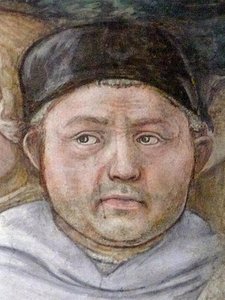
فيليبو ليبي
1406 - 1469 , إيطاليا
حقائق سريعة
- أعمال بارزة:
- مادونا تاركوينيا
- التبشير
- تتويج العذراء
- الاسم الكامل: فيليبو دي توماسو ليبي
- الجنسية: إيطالي
- الحركة الفنية: عصر النهضة المبكر
- تاريخ الميلاد: 1406
- تاريخ الوفاة: 1469
- فنانون أثروا فيه: ['ماساشيو']
- فنانون تأثروا به: ['ساندرو بوتيتشيلي']
- مكان الميلاد: فلورنسا، إيطاليا
مقالات ذات صلة
أعمال دانتي غابرييل روسيتي الخالدة: 25 تحفة فنية تزين منزلك برقيّ
اكتشف 25 تحفة فنية آسرة لدانتي غابرييل روسيتي، رائد حركة ما قبل الرفائيلية. استكشف قصص لوحاته الرومانسية ورمزيته العميقة وألوانه الزيتية الخالدة. أضف لمسة فنية راقية لمنزلك مع OriginalUniqueArt.com.

Celestial Messengers: Angels in Painting – A Historical & Artistic Exploration
Explore the captivating history of angels in painting! Discover symbolism, iconic Renaissance & Byzantine masterpieces, and renowned artists. Expert insights for art lovers & collectors at OriginalUniqueArt.

Celestial Messengers: A Comprehensive Exploration of Angelic Representation in Art History
Explore the captivating history of angels in art! Discover symbolism, iconic Renaissance masterpieces & renowned artists. Expert insights for art lovers & collectors at OriginalUniqueArt.
Divine Messengers: A Curated Guide to the Iconography of Angel Gabriel in Art History
Explore the profound beauty of Angel Gabriel in art history. From Renaissance masterpieces to Baroque splendor, our expert guide delves into the sacred iconography and timeless techniques of these divine messengers for the discerning art enthusiast.

أروع 25 لوحة لفرا أنجليكو: تحف فنية لتزيين منزلك بإشراق سماوي
اكتشف روعة 25 لوحة لفرا أنجليكو، فنان عصر النهضة الإيطالي. استكشف قصصًا فنية وتقنيات زيتية آسرة وألوانًا سماوية. احصل على نسخ فاخرة لتزيين منزلك بجمال خالد. اكتشف جميع الروائع على OriginalUniqueArt.com



