

 معاينة الحجم الواقعي
 إرسال
إرسال مشاركة
 عرض التفاصيل
 دليل الأعمال الفنية للطلاب

 تحميل
تحميل
 قطع مشابهة
 الأشعة السينية
 عرض شرائح متتابع
 الإحصائيات
Madonna and Child
 Acrylic On Canvas
- WallArt
- Early Renaissance
 1483
1483 81.0 x 60.0 cm
 المتحف المتروبوليتاني للفنون
 اقرأ المزيد
طباعة جيلي / مطبوعات فنية
طباعة جيكلي أو كانفاس بجودة المتاحف، مع سرعة في التنفيذ وخيارات متنوعة للتشطيب. ( اطلب نسخة مرسومة يدويًا التحويل إلى الصورة الرقمية)




P118B $10

P118H $10

P118W $10

P438Z $10

P508JH $12

P508YH $12

P805H $10

P805Z $10

P919BZ $10

P919G $10

P919XJ $10

P959ZH $10

P968JZ $12

W106C $8

W218G $10

W218JH $8

W218Y $10

W307PJ $10

W316G $10

W316PJ $8

W316Y $10

W398PJ $8

W4111J $10

W500HY $15

W500JH $15

W692G $12

W849H $8

W940BG $15

W953PJ $8




اختر من بين أحجامنا المُعدّة مسبقاً والتي تتوافق مع النسب الأصلية للعمل الفني.

يمكنك إدخال أبعاد خاصة لتناسب إطاراً أو مساحة معينة. وفي حال عدم تطابق الحجم المختار مع نسب الصورة الأصلية، سنقوم إما بقص العمل الفني أو تمديد الصورة باستخدام حافة معكوسة أو لون مصمت. وسيتم إرسال نموذج تجريبي رقمي لاعتمادك قبل بدء عملية الإنتاج.
يرجى ملاحظة أن المعاينة على الشاشة لا تعكس عملية القص أو التمديد الفعلية؛ حيث سيوضح النموذج التجريبي فقط التكوين النهائي بدقة.
وعلى الرغم من توفر أحجام مخصصة، إلا أننا نوصي باختيار أبعاد من القائمة المحددة مسبقاً للحفاظ على النسب الأصلية.
توصيل عالمي إلى خلال أسبوعين بدلاً من المدة القياسية البالغة 4/5 أسابيع. (26 سبتمبر)

شحن سريع ومجاني لجميع أنحاء العالم

قماش كتان فاخر

تأمين شامل على الشحن

ضمان استرداد الرسوم الجمركية

ضمان دقة مطابقة الألوان

سياسة الإرجاع خلال 100 يوم (في حالات العيوب فقط)

ضمان استرداد نقدي بنسبة 100%

عرض خصم الكميات
 خيار الزجاج متاح فقط للمقاسات التي تقل عن 110 سم

Madonna and Child
طباعة جيلي / مطبوعات فنية
مقاس النسخة المطبوعة
-


إجمالي السعر
$ 80
A Renaissance Portrait of Devotion and Social Commentary
Filippino Lippi’s “Madonna and Child,” painted in 1483, is more than just a depiction of the Virgin Mary cradling her infant son; it's a meticulously crafted tableau vivant that offers a rare glimpse into the social fabric of late Renaissance Florence. The painting, now housed at OriginalUniqueArt.com as a stunning hand-painted reproduction, transports us to a contemporary Florentine palace – a space brimming with both opulent beauty and subtle, poignant details. It’s a scene carefully constructed to resonate with religious piety while simultaneously reflecting the realities of a city grappling with burgeoning wealth and the presence of marginalized populations.
The composition immediately draws the eye through the arched window, revealing an arcade adorned with the heraldic device of Filippo Strozzi, a prominent Florentine banker. This inclusion isn’t merely decorative; it subtly anchors the scene within the economic power structures of the time, reminding us that this intimate devotional image was created for and likely commissioned by someone deeply involved in mercantile affairs. The background landscape, evocative of the Strozzi villa's surroundings, further reinforces this connection to Florentine society and its aspirations.
The Unspoken Narrative: Enslaved People in a Renaissance Setting
However, the painting’s significance extends far beyond its immediate setting. A crucial element often overlooked is the presence of two figures rendered with remarkable detail – a Black man spearing fish on a bridge and a Black woman performing domestic tasks outside a house. These individuals, undeniably enslaved people from sub-Saharan Africa who had begun arriving in Florence through Portugal by this period, are not relegated to the periphery; they are fully integrated into the scene, acting as silent witnesses to the Virgin’s piety. This inclusion is profoundly significant and challenges conventional interpretations of Renaissance art, forcing us to confront the uncomfortable reality of slavery within a society often celebrated for its artistic achievements.
Lippi's decision to depict these figures with such realism – capturing their physicality, clothing, and activities – suggests a level of observation and empathy rarely seen in earlier depictions of marginalized groups. It’s a bold statement about the presence of inequality within Florence’s seemingly progressive environment, prompting viewers to consider the ethical implications of wealth and power.
Technique and Style: High Renaissance Refinement
The painting itself is executed with remarkable skill in the style of the High Renaissance. Lippi masterfully employs tempera and oil on wood, layering translucent glazes to create a luminous effect and imbue the figures with a sense of ethereal beauty. The Virgin Mary’s pose, reminiscent of Madonna and Child depictions throughout art history, is rendered with grace and serenity, while Christ’s youthful features convey an innocent charm. Note the careful attention to detail in the folds of her garments, the delicate rendering of his face, and the subtle play of light on their skin – hallmarks of Lippi's refined technique.
The book resting near the infant Jesus is a particularly intriguing element. It’s a deliberate inclusion that suggests an intimate moment of instruction or contemplation, further emphasizing the nurturing role of Mary and reinforcing the painting’s devotional purpose. The overall effect is one of harmonious balance – a carefully orchestrated composition that blends religious symbolism with social commentary.
A Window into History: Context and Legacy
Created in 1483, “Madonna and Child” offers a valuable window into the complexities of Renaissance Florence. It’s a painting that demands more than a cursory glance; it invites us to consider the social dynamics of the era, the ethical dilemmas surrounding slavery, and the artistic genius of Filippino Lippi. OriginalUniqueArt.com's hand-painted reproductions allow you to experience this remarkable artwork in exquisite detail, bringing its rich history and profound message to life. Explore our high-quality reproduction today and immerse yourself in a masterpiece that transcends time.
نبذة عن الفنان
الحياة المبكرة والتدريب
ولد فيليبيبو ليبي في أبريل من عام 1457 في مدينة براتو بإيطاليا، ليكون ابنًا غير شرعي للرسام الشهير فرا فيليبو ليبي ولوكريزيا بوتي. كانت نشأته محاطة بعالم الفن والإبداع، حيث تلقى تدريبه الأولي على يد والده الموهوب. وضع هذا التدريب المبكر الأساس لمسيرته الفنية المزدهرة، وغرس فيه حبًا عميقًا للرسم والتعبير البصري. لم يكن فرا فيليبو ليبي مجرد أب، بل كان معلمًا صارمًا وملهمًا، نقل إلى ابنه مهاراته وتقنياته الفريدة، بالإضافة إلى رؤيته الفنية المتميزة. على الرغم من الظروف غير التقليدية لولادته، إلا أن فيليبيبو أظهر موهبة فطرية سرعان ما بدأت تبرز وتتطور.التطور الفني والأسلوب
بدأ فيليبيبو ليبي مسيرته الفنية في منتصف سبعينيات القرن الخامس عشر، حيث تميزت أعماله الأولى، مثل رسومات العذراء مريم، بأسلوب أقل دقة وصقلًا. في الواقع، نُسبت العديد من هذه الأعمال الأولية إلى فنان مجهول عُرف باسم "صديق ساندرو". ومع ذلك، سرعان ما بدأ فيليبيبو في تطوير أسلوبه الخاص والمميز خلال الثمانينيات، حيث ظهرت أعمال مثل *رحلات طوبيا* كدليل على نضجه الفني المتزايد. في الفترة من 1485 إلى 1504، وصل فيليبيبو إلى ذروة إبداعه، وأتقن أسلوب عصر النهضة العليا، وهو ما تجلى بوضوح في تحفته *ظهور المسيح للعذراء*. تميزت أعماله اللاحقة بالحيوية واللون الدافئ والمناظر الطبيعية التفصيلية والشخصيات التعبيرية. كما أنه جمع ببراعة بين الهندسة المنظورية والتفاصيل الداخلية الحميمة، مما أضفى على لوحاته عمقًا وواقعية فريدين.الأعمال الرئيسية والتعاونات
شارك فيليبيبو ليبي في العديد من المشاريع الفنية الهامة خلال حياته المهنية. تعاون مع فنانين بارزين مثل بيروجينو وغيرلاندايو وبوتيتشيلي في رسم الجداريات داخل فيلا لورنزو دي ميديشي، مما يدل على مكانته المرموقة في الأوساط الفنية في فلورنسا. كما أنه أكمل الزخرفة غير المكتملة لماساشيو في كنيسة برانتشي، بالتعاون مع ماسولينو. من بين أعماله الأكثر شهرة *تتويج العذراء* و *طوبيا والملاك* و *القديس جيروم* و *مشهد من حياة القديس توما الأكويني*. كان فيليبيبو فنانًا متعدد الاستعدادات، قادرًا على التعامل مع مجموعة متنوعة من الموضوعات والتقنيات بمهارة وإبداع.التأثيرات الفنية والإرث
تلقى فيليبيبو ليبي تأثيرات كبيرة من فنانين مثل ساندرو بوتيتشيلي وفرا فيليبو ليبي، اللذين شكلا رؤيته الفنية المبكرة. ومع ذلك، سرعان ما طور أسلوبه الخاص والمميز الذي انعكس في أعماله الفريدة. تميزت أعماله بالحيوية واللون الدافئ والمناظر الطبيعية التفصيلية والشخصيات التعبيرية. كما أنه جمع ببراعة بين الهندسة المنظورية والتفاصيل الداخلية الحميمة، مما أضفى على لوحاته عمقًا وواقعية فريدين. خلال فترة إقامته في روما، درس الآثار الرومانية القديمة، مما أثر بشكل كبير على أعماله وأدى إلى دمج مفردات كلاسيكية في فنه.الأهمية التاريخية والإرث
يُعتبر فيليبيبو ليبي من أبرز فناني فلورنسا الذين حافظوا على تقاليد رسم الجداريات الرائعة. لا يمكن إنكار تأثيره الكبير على عصر النهضة العليا، حيث ألهم العديد من الفنانين اللاحقين. تنتشر أعماله في المتاحف حول العالم، بما في ذلك معرض أوفيزي في فلورنسا. اشتهر بقدرته على سد الفجوة بين الأساليب الفنية السابقة وعصر النهضة العليا الناشئ، مما جعله شخصية محورية في تاريخ الفن الإيطالي. لقد ترك فيليبيبو ليبي إرثًا فنيًا غنيًا يستمر في إلهام وإبهار عشاق الفن حتى يومنا هذا.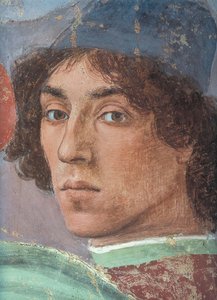
فيليبيبو ليبي
1457 - 1504 , إيطاليا
لمحة سريعة
- الأعمال البارزة:
- تاج العذراء
- رحلات طوبيا
- القديس جيروم
- الاسم الكامل: فيليبيبو ليبي
- الجنسية: إيطالي
- الحركة الفنية: عصر النهضة العليا
- الفنانون المؤثرون:
- فيليبو ليبي
- ساندرو بوتيتشيلي
- تاريخ الميلاد: أبريل 1457
- تاريخ الوفاة: أبريل 1504
- مكان الميلاد: براتو، إيطاليا
مقالات ذات صلة
Divine Love: A Curated Guide to the Most Iconic Madonna and Child Masterpieces in Art History
Embark on a sophisticated journey through art history with our curated guide to the most iconic Madonna and Child masterpieces. Discover the profound beauty, theological depth, and enduring legacy of these sacred Renaissance treasures.
Filippo Lippi: Bridging Renaissance Devotion & Artistic Innovation
Explore the life & revolutionary art of Filippo Lippi, a pivotal Renaissance painter. Discover his masterpieces, influence on Botticelli, and investment potential. Expert analysis at OriginalUniqueArt.
أروع 25 لوحة لرافائيل: تحف فنية تزين منزلك بجمال عصر النهضة
اكتشف أروع 25 لوحة لرافائيل، فنان عصر النهضة العظيم. استمتع بقصص ملهمة وتقنيات فنية رائعة في عالم الفن الإيطالي الكلاسيكي. احصل على نسخ عالية الجودة من تحف رافائيل لتزيين منزلك بجمال لا يضاهى. اكتشف المجموعة الكاملة الآن على OriginalUniqueArt.com!
أروع 25 تحفة فنية في معرض أوفيزي: رحلة عبر عصر النهضة الإيطالي | OriginalUniqueArt
اكتشف أروع 25 لوحة فنية في معرض أوفيزي بفلورنسا! رحلة آسرة عبر عصر النهضة مع أعمال ليوناردو دا فينشي، بوتيتشيلي، ورفائيل. احصل على نسخ فاخرة من هذه التحف الفنية لتزيين منزلك. اكتشف المجموعة الكاملة على OriginalUniqueArt.

Filippino Lippi: Renaissance Innovation Bridging Faith & Humanism
Explore the captivating world of Filippino Lippi, a Renaissance master bridging faith & humanism through innovative art. Discover his key works, influences, and lasting legacy with OriginalUniqueArt.