Geometric Abstraction · 1954
Study for the (فرناند ليجيه, 1954)
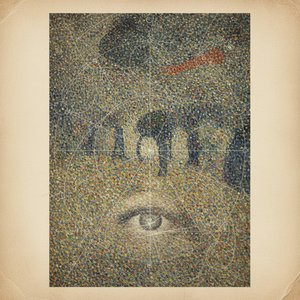
أبدع فرناند ليجيه (1881–1955) في Study for the . يعود تاريخها إلى 1954. تنتمي إلى حركة Geometric Abstraction. صُنعت من Acrylic On Canvas. تُحفظ في Museu do Caramulo في كارامولو, البرتغال. أبعادها 38 × 44 cm
- 1954
- Acrylic On Canvas
- 38 × 44 cm
- Museu do Caramulo, كارامولو

 معاينة الحجم الواقعي

 لوحة زيتية مرسومة يدوياً
 مشاركة
 مشاركة
 ورقة الحقائق


 تحميل الملف
 قطع مشابهة
 الأشعة السينية
 عرض شرائح
 الأسئلة والأجوبة

 الإحصائيات
Study for the باختصار
- العنوان
- Study for the
- الفنان
- فرناند ليجيه (1881–1955)
- تاريخ ميلاد الفنان
- أرجينتان, فرنسا
- التاريخ
- 1954
- الوسيط الفني
- Acrylic On Canvas
- الأبعاد
- 38 × 44 cm
- أين يمكن مشاهدتها
- Museu do Caramulo, كارامولو, البرتغال
- الحركة
- Geometric Abstraction
- الموضوع
- musical performance, geometric forms, modern landscape, instrument ensemble, urban scene, animal presence
ماذا يصور Study for the ؟
A Symphony of Form and Feeling: Exploring Fernand Léger’s “Study for Breakfast”
Fernand Léger's "Study for Breakfast," completed in 1954, transcends mere representation; it embodies the very spirit of Pointillism—a technique championed by Georges Seurat and embraced wholeheartedly by Léger as a means to convey dynamism and immediacy. This unassuming landscape isn’t simply depicted as it appears before our eyes; instead, Léger meticulously constructs it from countless tiny dots of pigment, creating an illusion of depth and texture that defies conventional painting methods. The resulting image pulsates with energy, mirroring the rhythms of daily life—a quiet morning scene rendered with astonishing precision. It's a masterful demonstration of how abstraction can serve as a conduit for emotion and observation simultaneously.- Style: Pointillism – Léger’s signature style prioritizes optical mixing over blending pigments on canvas, resulting in vibrant hues that shimmer and shift subtly under the light.
- Technique: Léger employed a painstaking process of applying dots of color—typically yellow, red, and blue—to build up layers of tonal variation. This method demanded immense patience and meticulous attention to detail, reflecting Léger’s unwavering commitment to his artistic vision.
Historical Context: Embracing Modernity Amidst Postwar Uncertainty
Created in the aftermath of World War II, “Study for Breakfast” speaks to a broader cultural preoccupation with rebuilding and redefining beauty after devastation. Léger’s stylistic choices—the geometric abstraction and the deliberate fragmentation of form—were deliberately antithetical to the prevailing artistic trends of his time, signaling a rejection of Impressionism's focus on fleeting sensations and an embrace of the machine age’s influence on visual perception. This bold stance positioned Léger as a pioneer of abstract expressionism, anticipating developments that would reshape the landscape of 20th-century art.Symbolic Resonance: The Quiet Power of Observation
Despite its apparent simplicity, “Study for Breakfast” is laden with symbolic significance. Léger’s use of dots—representing individual particles and conveying movement—suggests a fascination with scientific principles and an attempt to capture the underlying order of nature. The muted palette contributes to a mood of contemplative serenity, inviting viewers to contemplate the beauty found in everyday moments. It's a subtle reminder that even amidst turbulent times, art can offer solace and inspire wonder.Emotional Impact: Capturing Essence Through Precision
Ultimately, Léger’s “Study for Breakfast” succeeds in conveying an emotional resonance far exceeding its visual surface. The artist doesn’t aim to evoke sentimental feelings but rather to distill the essence of a scene—the feeling of warmth, light, and stillness—into a meticulously crafted composition. This achievement underscores Léger's profound understanding of how abstraction can communicate complex ideas and sensations with remarkable effectiveness. It remains an enduring testament to his artistic genius and a captivating example of Pointillist artistry.أي متحف يضم Study for the ؟
Museu do Caramulo
كارامولو, البرتغال
سيمفونية من الفولاذ والروح في قلب التلال الخضراء المتموجة لسلسلة جبال "سيرا دو كارامولو" بوسط البرتغال، يبرز Museu do Caramulo كمتناقض مذهل، وملاذ تلتقي فيه دقة الهندسة الميكانيكية مع العمق السحيق للإبداع البشري. هذا المكان ليس مجرد مستودع للآثار؛ بل هو حوار حي بين عالمين يبدوان متباعدين. فمن خلال تأسيس الأخوين الرؤيويين "أبيل" و"جواو دي لاسيردا" لهذا المتحف، يقف اليوم شاهداً على شغف مشترك رفض رؤية أي حدود فاصلة بين زئير المحرك والنعمة الصامتة لضربة فرشاة.


صور عالية الدقة لـ Study for the

فرناند ليجيه, Study for the (1954), Museu do Caramulo. ملك عام
أسئلة وإجابات حول Study for the
أين تُعرض "Study for the" للفنان فرناند ليجيه اليوم؟
تُحفظ النسخة الأصلية من "Study for the" للفنان فرناند ليجيه في Museu do Caramulo, كارامولو, البرتغال، بينما تتيح لك هذه النسخة المطبوعة عرض العمل الفني في منزلك.
في أي عام أُنجز "Study for the"؟
تاريخ إبداع "Study for the" للفنان فرناند ليجيه يعود إلى عام 1954.
ما هي التقنية المستخدمة في تنفيذ "Study for the" للفنان فرناند ليجيه؟
تعتمد التقنية المستخدمة في "Study for the" للفنان فرناند ليجيه على Acrylic On Canvas، وتهدف النسخ المطبوعة إلى محاكاة مظهر هذه التقنية.
ما هي أبعاد العمل الأصلي "Study for the" للفنان فرناند ليجيه؟
تبلغ أبعاد "Study for the" في شكلها الأصلي 38 x 44 cm. وتُعد الأبعاد الأصلية مرجعاً مفيداً عند اختيار حجم النسخة المطبوعة.
ماذا يصور "Study for the"؟
تتمثل موضوعات "Study for the" في musical performance, geometric forms, modern landscape, instrument ensemble, urban scene, animal presence, domestic setting, pointillism technique.
هل العمل "Study for the" ضمن الملكية العامة؟
حالة حقوق الطبع والنشر لـ "Study for the" للفنان فرناند ليجيه: العمل يقع ضمن ملك عام - انتهت مدة حماية حقوق الطبع والنشر الخاصة به، وهو ما يحدد مدى إمكانية إعادة إنتاج الصورة بحرية.
من هو الفنان الذي أبدع "Study for the"؟
يُنسب العمل "Study for the" إلى فرناند ليجيه.
إلى أي تيار فني تنتمي "Study for the" للفنان فرناند ليجيه؟
تنتمي "Study for the" للفنان فرناند ليجيه إلى حركة Geometric Abstraction، التي تمنح العمل سياقه الأسلوبي.
إلى أي مرحلة من مراحل تطور فرناند ليجيه ينتمي العمل "Study for the"؟
تندرج لوحة "Study for the" ضمن مرحلة Mature Period من مسيرة فرناند ليجيه المهنية، وهي مرحلة تتيح مقارنة هذا العمل بأعمال الفنان الأخرى.
عن الفنان، فرناند ليجيه

1881–1955, فرنسا
فرناند ليجيه
حياة فرناند ليجر تبدأ قصة فرناند ليجر في قرية أرجنتان، الواقعة في منطقة أورن في نورماندي السفلى. لقد أبصر النور في الرابع من فبراير عام 1881، كابن وحيد لوالديه. تشكلت سنواته الأولى تحت ظلال الهدوء الذي يلف الريف الفرنسي، وبحضور والدته ماري-أديل داونو، التي كانت الركيزة الأساسية في حياته. ومع رحيل والده، الذي كان يعمل في تجارة الماشية، بينما كان فرناند لا يزال صبيًا صغيرًا، كُلفت الأم بتربية طفلها في منزل اتسم بالتقوى والزهد والسكينة.
وأيضاً لـ فرناند ليجيه
 المدينة1919
 المهيكل1920
 فرناند ليجر
حياة صاغتها الأشكال: عالم فرناند ليجر
فرناند ليجر، المولود جوزيف فرنان هنري ليجر في عام 1881 وسط المناظر الطبيعية الريفية في أرجنتان، نورماندي، يقف كشخصية محورية في تطور الفن الحديث. رحلته من الأراضي الزراعية في شبابه إلى طليعة الدوائر الباري1921
 أوديسة الغابة1910

مقالات حول Study for the
 Industrial Revolution on Canvas: 10 Artworks That Define a Modern AestheticExplore 10 iconic artworks capturing the Industrial Revolution’s grit & beauty. From Monet to Manet, discover realism, impressionism & powe…
 Georges Seurat: Pointillism, Perception & the Scientific Foundations of Modern ArtExplore the revolutionary art of Georges Seurat and the science behind Pointillism. Discover chromoluminarism, optical mixing, and the last…
 Mastering the Machine Age: The Top 25 Fernand Léger ArtworksImmerse yourself in the vibrant world of Fernand Léger. Explore 25 iconic masterpieces of Cubism and Tubism, from bold geometric forms to m…