Cubist Style
Mechanical Elements (فرناند ليجيه)
أبدع فرناند ليجيه (1881–1955) في Mechanical Elements. تنتمي إلى حركة Cubist Style. صُنعت من Oil On Canvas. تُحفظ في متحف المتروبوليتان للفنون في نيويورك, الولايات المتحدة الأمريكية.
- Oil On Canvas
- متحف المتروبوليتان للفنون, نيويورك

 معاينة الحجم الواقعي

 لوحة زيتية مرسومة يدوياً
 مشاركة
 مشاركة
 ورقة الحقائق


 تحميل الملف
 قطع مشابهة
 الأشعة السينية
 عرض شرائح
 الأسئلة والأجوبة

 الإحصائيات
Mechanical Elements باختصار
- العنوان
- Mechanical Elements
- الفنان
- فرناند ليجيه (1881–1955)
- تاريخ ميلاد الفنان
- أرجينتان, فرنسا
- الوسيط الفني
- Oil On Canvas
- أين يمكن مشاهدتها
- متحف المتروبوليتان للفنون, نيويورك, الولايات المتحدة الأمريكية
- الحركة
- Cubist Style
- الحقبة
- Modern
- الموضوع
- mechanical elements, cubism, geometry, industrial design, abstraction, assemblage
ماذا يصور Mechanical Elements؟
A Vision of Industrial Harmony
Fernand Léger’s “Mechanical Elements,” painted in 1924, stands as a striking testament to the burgeoning fascination with technology during the interwar period. More than just a depiction of gears and pipes—though undeniably prominent—the artwork embodies Léger's ambitious goal: to synthesize Cubist fragmentation with the dynamism of the machine age, creating an aesthetic that simultaneously challenged artistic conventions and reflected the transformative realities of modern life.
Born Joseph Fernand Henri Léger in Argentan, Normandy, 1881, Léger embarked on a journey from rural landscapes to the epicenter of Parisian avant-garde. Initially drawn to architecture, his artistic path swiftly pivoted toward painting after arriving in Paris around 1900, fueled by an unwavering conviction that art could engage with the complexities of its time.
Cubism Revisited: Geometric Precision
Léger’s stylistic evolution is inextricably linked to Cubism. Influenced profoundly by Picasso and Braque, he adopted the fractured perspective and simultaneous viewpoints characteristic of this revolutionary movement—a deliberate rejection of traditional representation in favor of exploring spatial relationships through geometric forms. However, Léger didn't simply replicate Cubist principles; he pushed them further, distilling them into a simplified vocabulary of circles, squares, and lines.
“Mechanical Elements” exemplifies this approach brilliantly. The canvas is dominated by interlocking geometric shapes—primarily circles and squares—arranged in a rhythmic pattern that evokes the precision and repetition found in industrial machinery. These forms aren’t merely decorative; they actively contribute to conveying a sense of movement and energy, mirroring the ceaseless pace of urban life.
Symbolism Beyond Mechanism
While the artwork's visual language speaks directly to the influence of technology, Léger imbued “Mechanical Elements” with deeper symbolic resonance. The repetition of geometric shapes isn’t merely a stylistic device; it represents an attempt to capture the impersonal logic and order inherent in industrial processes—a deliberate contrast to the organic forms favored by Impressionism and Post-Impressionism.
Furthermore, Léger's use of color – predominantly shades of gray punctuated by vibrant accents – underscores this thematic preoccupation. Gray symbolizes the materiality of metal and concrete, while bursts of color represent human vitality and creativity—a harmonious blend reflecting Léger’s belief that art could coexist with technological advancement without sacrificing beauty or emotional depth.
A Legacy of Innovation
"Mechanical Elements" cemented Léger's position as a pioneer of Tubism – a variant of Cubism developed by Léger himself—characterized by the use of tubular forms to represent objects and figures. This innovative technique anticipated developments in Pop Art decades later, demonstrating Léger’s enduring influence on subsequent generations of artists.
Today, reproductions of “Mechanical Elements” continue to captivate audiences with their bold aesthetic and intellectual ambition. They serve as a powerful reminder that art can not only reflect the spirit of its time but also actively shape our understanding of it—a timeless masterpiece celebrating both geometric precision and human resilience.
أي متحف يضم Mechanical Elements؟
متحف المتروبوليتان للفنون
نيويورك, الولايات المتحدة الأمريكية
أصول وتاريخ متحف المتروبوليتان للفنون بدأت رحلة متحف المتروبوليتان للفنون من رؤية مشتركة صاغتها مجموعة من رجال الأعمال والممولين، جنباً إلى جنب مع نخبة من الفنانين والمفكرين الرواد. وعقب تأسيسه رسمياً في عام 1870، شرعت المؤسسة في البحث عن مستقر دائم يحتضن مقتنياتها المتنامية؛ وقبل أن يستقر في موقعه الحالي، اتخذ المتحف من عزبة "دوغلاس مانشن" في شارع 14 غرباً مقراً مؤقتاً له. كانت تلك الحقبة المبكرة بمثابة مرحلة من التكوين الهادئ، حيث بدأت ملامح المجموعة الفنية تتشكل وتتبلور بفضل التفاني والإخلاص الذي أبداه المؤسسون.


صور عالية الدقة لـ Mechanical Elements

فرناند ليجيه, Mechanical Elements, متحف المتروبوليتان للفنون. ملك عام
ألوان مطابقة للأصل بواسطة خبير رقمي، وملف تمت معالجته بدقة ليكون وفياً لضربات فرشاة الفنان.
امتلك الملف عالي الدقةأسئلة وإجابات حول Mechanical Elements
في أي متحف يُعرض العمل الأصلي "Mechanical Elements"؟
تُحفظ النسخة الأصلية من "Mechanical Elements" للفنان فرناند ليجيه في متحف المتروبوليتان للفنون, نيويورك, الولايات المتحدة الأمريكية، بينما تتيح لك هذه النسخة المطبوعة عرض العمل الفني في منزلك.
ما هي التقنية المستخدمة في تنفيذ "Mechanical Elements" للفنان فرناند ليجيه؟
تعتمد التقنية المستخدمة في "Mechanical Elements" للفنان فرناند ليجيه على Oil On Canvas، وتهدف النسخ المطبوعة إلى محاكاة مظهر هذه التقنية.
ما هي الموضوعات التي يتناولها "Mechanical Elements" للفنان فرناند ليجيه؟
تُصور "Mechanical Elements" للفنان فرناند ليجيه: mechanical elements, cubism, geometry, industrial design, abstraction, assemblage, modern art.
هل يمكن إعادة إنتاج صورة "Mechanical Elements" للفنان فرناند ليجيه بحرية؟
حالة حقوق الطبع والنشر لـ "Mechanical Elements" للفنان فرناند ليجيه: العمل يقع ضمن ملك عام - انتهت مدة حماية حقوق الطبع والنشر الخاصة به، وهو ما يحدد مدى إمكانية إعادة إنتاج الصورة بحرية.
من هو الفنان الذي أبدع "Mechanical Elements"؟
تم إبداع "Mechanical Elements" بواسطة فرناند ليجيه. وتصف المعلومات الواردة في هذه الصفحة العمل الأصلي لـ فرناند ليجيه.
إلى أي تيار فني تنتمي "Mechanical Elements" للفنان فرناند ليجيه؟
تنتمي "Mechanical Elements" للفنان فرناند ليجيه إلى حركة Cubist Style، التي تمنح العمل سياقه الأسلوبي.
إلى أي مرحلة من مسيرة فرناند ليجيه الفنية تنتمي لوحة "Mechanical Elements"؟
ينتمي العمل "Mechanical Elements" إلى الفترة Mechanical Period من مسيرة فرناند ليجيه المهنية، مما يربط هذا العمل بمراحل تطور الفنان الفني.
ما هي الأسباب الكامنة وراء الوضع القانوني لحقوق الطبع والنشر لـ "Mechanical Elements" للفنان فرناند ليجيه؟
تعتمد حالة حقوق الطبع والنشر لـ "Mechanical Elements" - ملك عام - انتهت مدة حماية حقوق الطبع والنشر الخاصة به - على تاريخ وفاة الفنان في 1955.
هل تُحفظ "Mechanical Elements" للفنان فرناند ليجيه في الموطن الأصلي للفنان؟
لا - العمل الفني موجود خارج البلاد. تُعرض لوحة "Mechanical Elements" في الولايات المتحدة الأمريكية، بينما وُلد فرناند ليجيه في فرنسا.
عن الفنان، فرناند ليجيه

1881–1955, فرنسا
فرناند ليجيه
حياة فرناند ليجر تبدأ قصة فرناند ليجر في قرية أرجنتان، الواقعة في منطقة أورن في نورماندي السفلى. لقد أبصر النور في الرابع من فبراير عام 1881، كابن وحيد لوالديه. تشكلت سنواته الأولى تحت ظلال الهدوء الذي يلف الريف الفرنسي، وبحضور والدته ماري-أديل داونو، التي كانت الركيزة الأساسية في حياته. ومع رحيل والده، الذي كان يعمل في تجارة الماشية، بينما كان فرناند لا يزال صبيًا صغيرًا، كُلفت الأم بتربية طفلها في منزل اتسم بالتقوى والزهد والسكينة.
وأيضاً لـ فرناند ليجيه
 المدينة1919
 المهيكل1920
 فرناند ليجر
حياة صاغتها الأشكال: عالم فرناند ليجر
فرناند ليجر، المولود جوزيف فرنان هنري ليجر في عام 1881 وسط المناظر الطبيعية الريفية في أرجنتان، نورماندي، يقف كشخصية محورية في تطور الفن الحديث. رحلته من الأراضي الزراعية في شبابه إلى طليعة الدوائر الباري1921
 أوديسة الغابة1910

مقالات حول Mechanical Elements
 Cubism Unveiled: How Picasso and Braque Redefined Modern Art through Geometric RevolutionExplore the revolutionary world of Cubism. Discover how Pablo Picasso and Georges Braque dismantled perspective to redefine modern art thro…
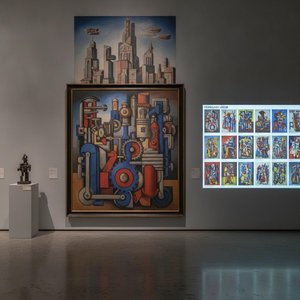 Mastering the Machine Age: The 25 Best Artworks by Fernand LégerImmerse yourself in the vibrant world of Fernand Léger. Explore 25 iconic masterpieces of Cubism and Tubism, from bold geometric forms to m…
 Industrial Revolution on Canvas: 10 Artworks That Define a Modern AestheticExplore 10 iconic artworks capturing the Industrial Revolution’s grit & beauty. From Monet to Manet, discover realism, impressionism & powe…