

 معاينة الحجم الواقعي
 إرسال
إرسال مشاركة
 عرض التفاصيل
 دليل الأعمال الفنية للطلاب

 تحميل
تحميل
 قطع مشابهة
 الأشعة السينية
 عرض شرائح متتابع
 الإحصائيات
A Disc in the City
 Acrylic On Canvas
- WallArt
- Cubism
 1919
1919- Modern
 65.0 x 54.0 cm
 اقرأ المزيد
طباعة جيلي / مطبوعات فنية
طباعة جيكلي أو كانفاس بجودة المتاحف، مع سرعة في التنفيذ وخيارات متنوعة للتشطيب. ( اطلب نسخة مرسومة يدويًا التحويل إلى الصورة الرقمية)




P118B E£10

P118H E£10

P118W E£10

P438Z E£10

P508JH E£12

P508YH E£12

P805H E£10

P805Z E£10

P919BZ E£10

P919G E£10

P919XJ E£10

P959ZH E£10

P968JZ E£12

W106C E£8

W218G E£10

W218JH E£8

W218Y E£10

W307PJ E£10

W316G E£10

W316PJ E£8

W316Y E£10

W398PJ E£8

W4111J E£10

W500HY E£15

W500JH E£15

W692G E£12

W849H E£8

W940BG E£15

W953PJ E£8




اختر من بين أحجامنا المُعدّة مسبقاً والتي تتوافق مع النسب الأصلية للعمل الفني.

يمكنك إدخال أبعاد خاصة لتناسب إطاراً أو مساحة معينة. وفي حال عدم تطابق الحجم المختار مع نسب الصورة الأصلية، سنقوم إما بقص العمل الفني أو تمديد الصورة باستخدام حافة معكوسة أو لون مصمت. وسيتم إرسال نموذج تجريبي رقمي لاعتمادك قبل بدء عملية الإنتاج.
يرجى ملاحظة أن المعاينة على الشاشة لا تعكس عملية القص أو التمديد الفعلية؛ حيث سيوضح النموذج التجريبي فقط التكوين النهائي بدقة.
وعلى الرغم من توفر أحجام مخصصة، إلا أننا نوصي باختيار أبعاد من القائمة المحددة مسبقاً للحفاظ على النسب الأصلية.
توصيل عالمي إلى خلال أسبوعين بدلاً من المدة القياسية البالغة 4/5 أسابيع. (11 أكتوبر)

شحن سريع ومجاني لجميع أنحاء العالم

قماش كتان فاخر

تأمين شامل على الشحن

ضمان استرداد الرسوم الجمركية

ضمان دقة مطابقة الألوان

سياسة الإرجاع خلال 100 يوم (في حالات العيوب فقط)

ضمان استرداد نقدي بنسبة 100%

عرض خصم الكميات
 خيار الزجاج متاح فقط للمقاسات التي تقل عن 110 سم

A Disc in the City
طباعة جيلي / مطبوعات فنية
مقاس النسخة المطبوعة
-


إجمالي السعر
E£ 4107
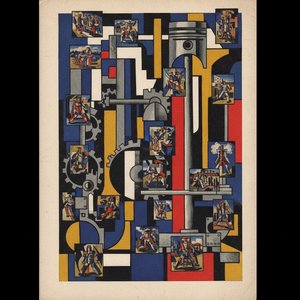
A Symphony of Cylinders: Exploring Fernand Léger’s “A Disc in the City”
Fernand Léger's "A Disc in the City," painted in 1919, stands as a cornerstone of Cubism and Tubism—a movement that irrevocably altered the trajectory of modern art. More than just an image of urban life; it’s a deliberate manifesto of Léger’s belief that abstraction could simultaneously convey both intellectual rigor and visceral emotion. This artwork isn't merely observed; it demands engagement, inviting viewers to decipher its geometric language and contemplate its profound symbolism.The Tubist Vision: Embracing Cylindrical Forms
Léger’s affiliation with Tubism—a term coined by Louis Vauxcelles—was pivotal in shaping his artistic approach. Rejecting the fragmentation of Picasso's Cubism, Léger championed cylindrical shapes as a primary visual element, mirroring the industrial landscape and conveying a sense of relentless movement. “A Disc in the City” exemplifies this obsession; the dominant form is undeniably cylindrical, representing not just physical solidity but also the pervasive influence of machinery on human experience. This deliberate simplification wasn’t an abandonment of realism but rather a conscious decision to distill visual information into its most fundamental components—a bold assertion that form could communicate meaning as powerfully as color or texture.Composition and Narrative Depth: Beyond Geometric Precision
The painting's composition is deceptively complex, layering perspectives and angles to create a dynamic tableau. At the center stands a boat – likely a lifeboat – symbolizing resilience and survival amidst the chaos of urban existence. Surrounding it are scattered other boats, reinforcing this theme of precariousness yet hinting at hope. A clock positioned on the right side serves as a poignant reminder of time’s passage, juxtaposed against the static geometry of the cylinder, highlighting the tension between past experience and future aspiration. Notably, a figure in the lower left corner observes the scene—a subtle inclusion that underscores the human element within Léger's stylized depiction. This careful arrangement isn’t simply decorative; it directs the viewer’s gaze and invites contemplation about the role of humanity within the burgeoning industrial age.Influences and Context: Picasso’s Legacy
Léger’s artistic vision was undeniably shaped by his contemporaries, particularly Pablo Picasso. While Picasso explored Cubism with a focus on fracturing perspective and dissecting form, Léger sought to synthesize these techniques into a more unified aesthetic. Consider Picasso's “Mother and Child” (/art/list/?Filter=8XYP6B-Pablo-Picasso-Mother-and-child/), where Picasso’s masterful use of Cubist fragmentation contrasts with Léger’s embrace of cylindrical forms—a testament to the diverse paths taken by artists grappling with the challenges of representing reality in a new era. The painting emerged during the aftermath of World War I, reflecting anxieties about societal upheaval and embracing optimism for the future through technological advancement.Emotional Resonance: A Bold Statement of Modernity
Ultimately, “A Disc in the City” transcends mere visual representation; it communicates an emotional response to its subject matter. Léger’s vibrant color palette—primarily reds and yellows—injects energy into the scene, conveying a sense of dynamism and vitality. The bold geometric forms aren't merely aesthetically pleasing; they embody Léger’s conviction that abstraction could capture the essence of industrial civilization without resorting to sentimentalism. Viewing this artwork is akin to confronting the transformative power of progress – a challenge to conventional artistic conventions and an enduring celebration of human ingenuity.الأسئلة والأجوبة
أين يمكنني شراء نسخة مطبوعة من "A Disc in the City" للفنان فرناند ليجر؟
للحصول على نسخة مطبوعة من "A Disc in the City" للفنان فرناند ليجر، ما عليك سوى طلبها عبر هذه الصفحة: مطبوعة فنية فاخرة على قماش قطني أو ورق كانفاس أرشيفي.
متى تم إنجاز "A Disc in the City"؟
يعود تاريخ "A Disc in the City" إلى عام 1919، وهو تاريخ يضع العمل ضمن المسيرة المهنية لـ فرناند ليجر وفي سياق حقبته الزمنية.
ما هو الانطباع العام لـ "A Disc in the City" للفنان فرناند ليجر؟
تتمتع لوحة "A Disc in the City" بأجواء Industrial.
في أي عمر أبدع فرناند ليجر لوحة "A Disc in the City"؟
عندما أُبدع العمل "A Disc in the City" في عام 1919، كان عمر الفنان فرناند ليجر - المولود في 1881 - هو 38 عاماً.
ما هو اللون الطاغي الذي ينساب عبر "A Disc in the City" للفنان فرناند ليجر؟
يميل "A Disc in the City" نحو نغمة Ochre to Sepia."
إلى أي مرحلة من مسيرة فرناند ليجر المهنية تنتمي لوحة "A Disc in the City"، بالنظر إلى تاريخ إنتاجها؟
يضع تاريخ 1919 لوحة "A Disc in the City" ضمن مرحلة Mature Period من مسيرة تطور فرناند ليجر.
من هو الفنان الذي أبدع "A Disc in the City"؟
تم إبداع "A Disc in the City" بواسطة فرناند ليجر. وتصف المعلومات الواردة في هذه الصفحة العمل الأصلي لـ فرناند ليجر.
نبذة عن الفنان
فرناند ليجر: نحات الأشكال الأسطوانية ورائد الفن الحديث
في قلب المشهد الفني الفرنسي في أوائل القرن العشرين، يبرز فرناند ليجر كشخصية فريدة ومؤثرة. وُلد جوزيف فرديناند هنري ليجر في بلدة أرجنتان الريفية عام 1881، ونما في بيئة قريبة من الطبيعة والعمل اليدوي، وهو ما ترك بصمة واضحة على رؤيته الفنية لاحقًا. لم يكن طريقه نحو الفن تقليديًا؛ فقد بدأ حياته المهنية كمتدرب معماري، لكن شغفه بالرسم والرغبة في التعبير عن رؤيته الخاصة قادته إلى عالم الفن التشكيلي. رحلته من الحقول الريفية إلى صدارة الحركة الفنية الحديثة هي شهادة على إصراره ورؤيته الثاقبة التي سعت إلى التقاط روح العصر الآلي الجديد. لم يكتف ليجر بالانضمام إلى تيارات التجريد السائد، بل سعى إلى دمج حيوية العصر الميكانيكي وأشكاله في لغة بصرية جديدة تجمع بين القوة المجردة والارتباط العميق بالعالم المرئي.من الانطباعية إلى "الأسطوانية": تطور أسلوب ليجر
شكلت تجربة ليجر مع أعمال بول سيزان نقطة تحول حاسمة في مسيرته الفنية. بعد مشاهدة معرض لأعمال سيزان عام 1907، انطلق ليجر في رحلة استكشاف شكلية جريئة، حيث بدأ في تفكيك الأشكال وتحليل بنيتها الأساسية وإعادة بنائها على القماش مع التركيز الجديد على الصلابة والحجم. هذا الاستكشاف قاده إلى عالم التكعيبية، لكنه لم يكتفِ بمجرد تقليد أساليب بيكاسو وبراك؛ بل طور أسلوبه الخاص الذي أطلق عليه النقاد لاحقًا اسم "الأسطوانية". تتميز هذه الأسلوبية بالأشكال الأسطوانية والخطوط المستقيمة والمستويات المسطحة، والألوان الزاهية والمتناقضة. احتفى ليجر من خلالها بالجماليات الميكانيكية قبل أن تصبح موضوعًا شائعًا في الفن. كانت أعماله المبكرة تعكس تأثيرات الانطباعية، لكنه سرعان ما تخلى عن هذا الأسلوب، مدركًا أنه لا يعبر بشكل كافٍ عن رؤيته الخاصة للعالم الحديث.الحرب والآلة: تحول فني عميق
أحدث اندلاع الحرب العالمية الأولى تحولاً جذريًا في حياة ليجر وفنه. الخدمة العسكرية في الجبهة الأمامية عام 1914-1916 عرّضته لواقع الحرب الحديثة القاسي - قصف المدفعية، ومعارك الطائرات، وتأثيرات الإنسانية المهددة من قبل الآلات. لم يؤدِ هذا إلى خيبة أمل أو رفض للحداثة؛ بل عزز اهتمامه بالآلات وقوتها. رسم ليجر خلال خدمته العسكرية رسومات للأجهزة العسكرية، محولًا أدوات الدمار إلى موضوعات للتأمل الفني. بعد عودته إلى الحياة المدنية، شهدت جمالية ليجر تطوراً إضافياً، حيث بدأت لوحاته تعكس حساسية ميكانيكية أكثر سلاسة، تحتفي بالديناميكية والكفاءة في العالم الصناعي. يعتبر عمل "جندي مع غليون" (1916) مثالًا على هذا التحول، حيث تعرض أشكالاً مبسطة وألوانًا جريئة تثير إحساسًا بالدقة الميكانيكية. لم يكن هذا مجرد خيار جمالي؛ بل كان بيانًا فلسفيًا يؤكد على الإمكانات التقدمية والتجديدية للحداثة، حتى في أعقاب الصراع المدمر.إرث ليجر وتأثيره الدائم
في سنوات ما بعد الحرب، واصل ليجر استكشاف التقاطع بين الفن والصناعة، حيث ابتكر أعمالاً تحتفل بالحياة الحديثة بمزيج فريد من التجريد والتصوير. أظهرت سلسلة "المناظر الطبيعية الحية" (1921) شخصيات وحيوانات مدمجة بسلاسة في تركيبات مبسطة، مما يطمس الحدود بين الأشكال العضوية وغير العضوية. كما جرب النحت وصناعة الأفلام، موسعًا ممارسته الفنية خارج حدود الرسم التقليدي. لا يمكن إنكار تأثير ليجر على الأجيال اللاحقة من الفنانين. لقد أدت تبسيطه الجريء للشكل واحتضانه لصور الصناعة والاحتفاء بالثقافة الشعبية إلى توقع ظهور فن البوب عقودًا لاحقًا. مدينون له فنانون مثل روي ليختنشتاين وآندي وارهول، حيث جسر بين الفن المجردد والتصويري، وأظهر أنه من الممكن إنشاء أعمال تكون في نفس الوقت صارمة فكريًا وجذابة بصريًا. اليوم، تُعرض لوحات فرناند ليجر في كبرى المتاحف حول العالم، بما في ذلك متحف الفن الحديث في نيويورك ومتحف ألبرتينا في فيينا. يظل شخصية بارزة في فن القرن العشرين - وهو بطل تنبأ بالجمال في العصر الآلي وتجسيده على القماش بشجاعة وأصالة لا مثيل لها. إرثه ليس مجرد رسام، بل هو نبي للحداثة. فنان رائد حقيقي يظل عمله يتردد صداه لدى الجماهير حتى اليوم.
فرناند ليجر
1881 - 1955 , فرنسا
لمحة سريعة
- الأعمال الفنية البارزة:
- المرأة جالسة
- عنصر آلة
- المسيرة الكبرى
- المدينة
- الاسم الكامل: فرناند ليجر
- الجنسية: فرنسي
- الحركة الفنية أو الأسلوب: التكعيبية، التوبيزم
- الفنانون أو الحركات المتأثرة: ['فن البوب']
- الفنانون المؤثرون: ['بول سيزان']
- تاريخ الميلاد: 4 فبراير 1881
- مكان الميلاد: أرجنتان، فرنسا
مقالات ذات صلة
أعمال فيرناند ليجر الخالدة: 25 تحفة فنية تزين منزلك بلمسة عصرية
اكتشف 25 تحفة فنية لفيرناند ليجر، رائد الت تكعيبية والفن الحديث. استكشف قصص لوحاته الجريئة وألوانها المميزة وتأثيرها على عالم الديكور والتصميم الداخلي. احصل على نسخ عالية الجودة من أعمال ليجر الأصلية على OriginalUniqueArt.com.

Modern Geometry & Machine Age Beauty: A Collector's Guide to the Cubist Vision of Fernand Léger
Explore the vibrant world of Fernand Léger. Discover how his 'Tubism' and Machine Age aesthetics redefined modern art, offering profound inspiration for discerning collectors seeking geometric beauty and industrial dynamism.

أكثر 10 روائع فنية حدّدت حركة التجريد الهندسي | OriginalUniqueArt.com
اكتشف 10 روائع فنية غيرت مسار التجريد الهندسي! تعرف على بيكاسو، موندريان وماليفيتش وغيرهم. لوحات أصلية وإعادة إنتاج فاخرة لديكور عصري. استلهم منزلك مع OriginalUniqueArt.com

Industrial Revolution on Canvas: 10 Artworks That Define a Modern Aesthetic
Explore 10 iconic artworks capturing the Industrial Revolution’s grit & beauty. From Monet to Manet, discover realism, impressionism & powerful scenes of urban life. Find museum-quality reproductions for your home at OriginalUniqueArt.com.

Modern Geometry & Machine Age Beauty: A Collector's Guide to the Cubist Vision of Fernand Léger
Explore the profound geometric mastery of Fernand Léger. Discover how his 'Tubism' and Machine Age aesthetics redefined modern art, offering timeless inspiration for discerning collectors seeking to integrate Cubist dynamism into sophisticated contemporary interiors.


