معاينة الحجم الواقعي
 إرسال
إرسال مشاركة
 عرض التفاصيل
 دليل الأعمال الفنية للطلاب

 تحميل
تحميل
 قطع مشابهة
 الأشعة السينية
 عرض شرائح متتابع
 الإحصائيات
Figure study
 Acrylic On Canvas
- WallArt
- Symbolist Landscape Painting
 1899
1899 25.0 x 24.0 cm
 المعرض الوطني في البوسنة والهرسك
 اقرأ المزيد
طباعة جيلي / مطبوعات فنية
طباعة جيكلي أو كانفاس بجودة المتاحف، مع سرعة في التنفيذ وخيارات متنوعة للتشطيب. ( اطلب نسخة مرسومة يدويًا التحويل إلى الصورة الرقمية)




P118B E£10

P118H E£10

P118W E£10

P438Z E£10

P508JH E£12

P508YH E£12

P805H E£10

P805Z E£10

P919BZ E£10

P919G E£10

P919XJ E£10

P959ZH E£10

P968JZ E£12

W106C E£8

W218G E£10

W218JH E£8

W218Y E£10

W307PJ E£10

W316G E£10

W316PJ E£8

W316Y E£10

W398PJ E£8

W4111J E£10

W500HY E£15

W500JH E£15

W692G E£12

W849H E£8

W940BG E£15

W953PJ E£8




اختر من بين أحجامنا المُعدّة مسبقاً والتي تتوافق مع النسب الأصلية للعمل الفني.

أدخل العرض والارتفاع اللذين تحتاجهما، ليتناسب مع إطارك أو جدارك. يمكن قص المطبوعة فقط، ولا يمكن أبداً جعلها أكبر من الصورة الأصلية، لذا فإن أي مقاس بشكل مختلف سيؤدي إلى فقدان جزء من الصورة. سنرسل لك نموذجاً رقمياً تجريبياً لاعتماده قبل البدء في عملية الطباعة. الصورة المعروضة في هذه الصفحة لا توضح القص الفعلي — النموذج التجريبي فقط هو ما يظهر ذلك.
توصيل عالمي إلى خلال أسبوعين بدلاً من المدة القياسية البالغة 4/5 أسابيع. (20 أكتوبر)

شحن سريع ومجاني لجميع أنحاء العالم

قماش كتان فاخر

تأمين شامل على الشحن

ضمان استرداد الرسوم الجمركية

ضمان دقة مطابقة الألوان

سياسة الإرجاع خلال 100 يوم (في حالات العيوب فقط)

ضمان استرداد نقدي بنسبة 100%

عرض خصم الكميات
 خيار الزجاج متاح فقط للمقاسات التي تقل عن 110 سم

Figure study
طباعة جيلي / مطبوعات فنية
مقاس النسخة المطبوعة
-


إجمالي السعر
E£ 4154
Ferdinand Hodler’s “Study of Three Figures” – A Window Into Symbolist Vision
The artwork "Study of Three Figures," executed by Ferdinand Hodler in 1899, stands as a testament to the artist's pioneering approach to Symbolism and his masterful command of pencil technique. More than just a depiction of nude figures posed on the ground, it embodies Hodler’s core philosophical beliefs about human existence—a belief rooted in contemplation and informed by an acute sensitivity to the rhythms of nature. Examining this piece reveals not only artistic skill but also a profound engagement with the intellectual currents shaping European art at the turn of the century.Composition and Technique: Embracing Parallelism
Hodler’s distinctive style, dubbed “parallelism,” prioritized symmetry and rhythmic movement as fundamental principles governing human experience. This is immediately apparent in the arrangement of the three nude figures—a woman seated centrally with her hands clasped before her chest, flanked by two men positioned on either side. The artist meticulously rendered each pose with precise lines and subtle shading, capturing the contours of the body with remarkable accuracy while simultaneously conveying a sense of stillness and repose. Hodler’s technique involved layering graphite pencil strokes to build up tonal values—a process that allowed him to achieve an ethereal quality reminiscent of moonlight, reflecting his fascination with the interplay between light and shadow. The artist's use of tracing techniques further enhanced the image's visual impact, creating a textured surface that contributes to its overall atmosphere.Historical Context: Symbolism’s Quest for Spiritual Depth
Hodler’s “Study of Three Figures” emerged during the height of Symbolist artistic fervor—a movement that rejected realism in favor of exploring inner psychological states and conveying spiritual ideas through evocative imagery. Influenced by thinkers like Nietzsche and Kierkegaard, Symbolists sought to transcend the limitations of empirical observation and delve into realms beyond the visible world. Hodler’s preoccupation with themes of mortality and contemplation mirrored these intellectual concerns—a reflection of his own personal reflections on life's fragility and beauty. The artwork aligns itself with broader artistic trends of the period, demonstrating a shared desire for aesthetic innovation and philosophical profundity.Symbolism Unleashed: Gesture and Rhythm
The pose of the central figure—raised hands clasped before her chest—represents an instinctive gesture of protection and introspection—a posture that speaks to the artist’s belief in the importance of inner harmony with the natural world. The rhythmic movement conveyed by the figures' positions underscores Hodler’s conviction that human life unfolds according to patterns dictated by universal forces. Furthermore, the muted tonal palette—dominated by shades of gray and beige—creates an atmosphere of serenity and solemnity—a deliberate choice designed to evoke contemplation and inspire viewers to consider profound questions about existence. The artist’s meticulous attention to detail—particularly in capturing the subtle nuances of facial expression—adds another layer of complexity to the image, inviting viewers to engage in a dialogue with its symbolic content.Emotional Resonance: A Moment of Quiet Contemplation
Ultimately, “Study of Three Figures” transcends mere visual representation; it communicates an emotional state—one characterized by stillness, thoughtfulness, and acceptance. Hodler’s artwork invites us to pause amidst the bustle of daily life and consider the deeper meanings underlying our experiences—a reminder that true beauty resides not only in outward appearances but also in inner reflection. The piece's enduring appeal stems from its ability to capture a universal human yearning for connection with something greater than oneself—a sentiment powerfully conveyed through Hodler’s masterful use of pencil and his unwavering commitment to Symbolist principles.الأسئلة والأجوبة
ما هي تقنية وحجم العمل الأصلي "Figure study" للفنان فيرديناند هودلر؟
العمل الأصلي "Figure study" للفنان فيرديناند هودلر هو عمل من نوع Acrylic On Canvas وبمقاس 25 x 24 cm. تصف التقنية والحجم القطعة الأصلية.
هل يمكنني طلب نسخة زيتية مرسومة يدوياً من "Figure study"؟
يمكنكم طلب نسخة مرسومة يدوياً من "Figure study" للفنان فيرديناند هودلر مباشرة عبر صفحة نسخة زيتية مرسومة يدوياً: نسخة زيتية مرسومة يدوياً على قماش الكتان، وتُنفذ حسب الطلب.
هل يوجد عرض شرائح لـ "Figure study" للفنان فيرديناند هودلر؟
يتوفر عرض متتابع للصور في صفحة عرض متتابع الخاصة بـ "Figure study" للفنان فيرديناند هودلر.
نبذة عن الفنان
فيرديناند هودلر: رسام الروح السويسرية
في قلب جبال الألب الشاهقة، وفي صميم المشهد الفني السويسري المتألق، بزغ نجم فيرديناند هودلر، الرسام الذي أرسى معايير جديدة للتعبير عن الذات والجمال الطبيعي. لم يكن هودلر مجرد فنان، بل كان شاعرًا بصريًا، يرى العالم من خلال عدسة الروح، ويترجم تلك المشاعر العميقة إلى لوحات تنبض بالحياة والألوان. ولد في برن عام 1853، عاش هودلر حياة مليئة بالتحديات والتحولات، حيث تركت تجاربه المبكرة، وخاصة فقدانه الأب والأشقاء في سن مبكرة، بصمة واضحة على رؤيته الفنية. هذه التجارب المؤلمة لم تكن مجرد ذكريات حزينة، بل كانت بمثابة الوقود الذي أشعل شرارة الإبداع فيه، وحفزه على البحث عن معنى أعمق في الحياة والموت والجمال.من الواقعية إلى التوازي: رحلة فنية نحو الأصالة
بدأ هودلر مسيرته الفنية كرسام واقعي، يتقن رسم المناظر الطبيعية والصور الشخصية بدقة متناهية. لكنه سرعان ما شعر بأن هذا الأسلوب لا يعبر عن كامل طموحاته الفنية، ولا يسمح له بالتعبير عن المشاعر العميقة والأفكار الفلسفية التي تملأ قلبه. وهنا بدأ رحلته نحو الرمزية، تلك الحركة الفنية التي رفضت التمثيل الطبيعي لصالح التعبير عن التجارب الذاتية والصور الاستعارية. لكن هودلر لم يكتفِ بتبني مبادئ الرمزية بشكل كامل، بل قام بتطوير أسلوبه الخاص الذي أسماه "التوازي". هذا الأسلوب الفريد يتميز بترتيب الشخصيات والأشكال في أنماط إيقاعية ومتوازنة، مما يخلق شعورًا بالانسجام والتوتر في آن واحد – وهو تمثيل بصري للترابط العميق بين جميع الكائنات. كان هودلر يسعى من خلال هذا الأسلوب إلى تصوير ليس فقط ما يراه، بل أيضًا ما يشعر به – التيارات العاطفية الخفية التي تربط كل شيء ببعضه البعض. لوحته الشهيرة "الليلة" (1890) كانت بمثابة نقطة تحول حاسمة في مسيرته الفنية، حيث مثلت انعطافًا جذريًا نحو الرمزية وأثارت جدلاً واسعًا بتصويرها للشخصيات المستلقية التي توحي بالموت والراحة. وعلى الرغم من الانتقادات الأولية، حظيت اللوحة بإشادة كبيرة في باريس، مما رسخ مكانة هودلر كفنان متميز تجاوز حدود سويسرا.محطات فنية بارزة: أعمال خالدة
ترك هودلر وراءه إرثًا فنيًا غنيًا ومتنوعًا، يضم مجموعة رائعة من الأعمال التي لا تزال تلهم وتأسر المشاهدين حتى اليوم. "النهار" (1893) تعتبر واحدة من أهم وأشهر أعماله – لوحة ضخمة تجسد مهارته الفائقة في التكوين والرمزية. تحتل هذه اللوحة مكانة مرموقة في متحف كونتسهوس زيورخ، وهي تأمل عميق في الحياة والموت والتجديد، تم رسمها بمزيج آسر من الواقعية والكثافة الرؤيوية. لقد رسخت "النهار" مكانة هودلر كشخصية رائدة في الفن الأوروبي. بالإضافة إلى ذلك، أنتج العديد من تصويرات جبال الألب السويسرية، التي تنضح بشعور من العظمة والرهبة. كما أنه رسم صورًا شخصية تكشف عن فهمه العميق لعلم النفس البشري. غالبًا ما عاد هودلر إلى استكشاف موضوعات الفقد والحزن، ربما انعكاسًا لصدماته في طفولته، لكنه دائمًا ما أضفى عليها إحساسًا بالكرامة والمرونة. لم تكن لوحاته مجرد تمثيلات، بل كانت مناظر طبيعية عاطفية تدعو المشاهدين إلى التأمل في الأسئلة الأساسية الوجودية.إرث فني دائم: النفوذ والأهمية التاريخية
تجاوز تأثير هودلر حدود سويسرا، حيث مهد أسلوبه المبتكر في استخدام الرمزية وتطوير "التوازي" الطريق أمام التعبيرية، تلك الحركة الفنية التي تركز على المشاعر الذاتية والأشكال المشوهة. اعترف الفنانون الذين ساروا على خطاه بأنه كان بمثابة مقدمة لأعمالهم الخاصة في استكشاف التجربة الداخلية. كما أن أعمال هودلر صدى مع التيارات الثقافية الأوسع في أواخر القرن التاسع عشر وأوائل القرن العشرين – فترة اتسمت بالتغيير الاجتماعي السريع والتقدم العلمي المتزايد والشعور المتزايد بالقلق الوجودي. قدمت لوحاته لغة بصرية للتعامل مع هذه القضايا المعقدة، وقدمت الراحة والرؤى في عالم يزداد عدم يقينًا. اليوم، تُعرض أعمال هودلر في المتاحف الكبرى في جميع أنحاء أوروبا وخارجها، مما يضمن استمرار رؤيته الفنية في إلهام وتحدي الأجيال القادمة من المشاهدين. يبقى هودلر شخصية بارزة في تاريخ الفن السويسري، ويُحتفى به ليس فقط لمهارته التقنية ولكن أيضًا لعمق مشاعره الثاقب والتزامه الراسخ باستكشاف أسرار الحالة الإنسانية.استكشاف المزيد عن هودلر
- لمحة متعمقة في حياته وعمله: ويكيبيديا - فيرديناند هودلر
- اكتشف المزيد من لوحاته على: OriginalUniqueArt - مجموعة فيرديناند هودلر
- شاهد "النهار" (1893) هنا: OriginalUniqueArt - النهار
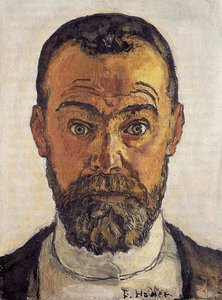
فيرديناند هودلر
1853 - 1918 , سويسرا
لمحة سريعة
- أعمال فنية بارزة:
- الليلة
- النهار
- الحقيقة الثانية
- الاسم الكامل: فيرديناند هودلر
- الجنسية: سويسري
- الحركة الفنية أو النمط: الرمزية، التوازي
- الفنانون أو الحركات المتأثرة به: ['التعبيرية']
- تاريخ الميلاد: 14 مارس 1853
- مكان الميلاد: برن، سويسرا