

 معاينة الحجم الواقعي
 إرسال
إرسال مشاركة
 عرض التفاصيل
 دليل الأعمال الفنية للطلاب

 تحميل
تحميل
 قطع مشابهة
 الأشعة السينية
 عرض شرائح متتابع
 الإحصائيات
Still Life


 اقرأ المزيد
نسخة زيتية مصنوعة يدوياً
لوحة زيتية مرسومة يدوياً على الكانفاس بالمقاس والإطار الذي تفضله، تُنفذ حسب الطلب على أيدي فنانينا. ( التبديل إلى المطبوعات التحويل إلى الصورة الرقمية)




P118B E£10

P118H E£10

P118W E£10

P438Z E£10

P508JH E£12

P508YH E£12

P805H E£10

P805Z E£10

P919BZ E£10

P919G E£10

P919XJ E£10

P959ZH E£10

P968JZ E£12

W106C E£8

W218G E£10

W218JH E£8

W218Y E£10

W307PJ E£10

W316G E£10

W316PJ E£8

W316Y E£10

W398PJ E£8

W4111J E£10

W500HY E£15

W500JH E£15

W692G E£12

W849H E£8

W940BG E£15

W953PJ E£8




اختر من بين أحجامنا المُعدّة مسبقاً والتي تتوافق مع النسب الأصلية للعمل الفني.

أدخل العرض والارتفاع اللذين تحتاجهما، ليتناسب العمل مع إطارك أو جدارك. وبما أن هذه اللوحة مرسومة يدوياً، ففي حال اختيار مقاس بشكل مختلف، يمكن للفنان رسم مساحة إضافية حول الصورة أو تقليصها قليلاً — الخيار لك. سنرسل لك نموذجاً رقمياً تجريبياً لاعتماده قبل البدء في الرسم. علماً بأن الصورة المعروضة في هذه الصفحة لا تعكس النتيجة النهائية الحقيقية — فالنموذج التجريبي هو الوحيد الذي يوضح ذلك بدقة.
بعد إتمام الطلب، سيرسل فريق OriginalUniqueArt.com بريداً إلكترونياً للعميل لطلب التعليمات وتزويده بمعاينة تجريبية (mockup).
توصيل عالمي إلى خلال 3 إلى 4 أسابيع بدلاً من المدة المعتادة البالغة 5 أسابيع. (22 أكتوبر). جودة لا تهاون فيها.

شحن سريع ومجاني لجميع أنحاء العالم

قماش كتان فاخر

تأمين شامل على الشحن

ضمان استرداد الرسوم الجمركية

ضمان دقة مطابقة الألوان

سياسة الإرجاع خلال 100 يوم (في حالات العيوب فقط)

ضمان استرداد نقدي بنسبة 100%

عرض خصم الكميات
 خيار الزجاج متاح فقط للمقاسات التي تقل عن 110 سم

Still Life
وسيط إعادة الإنتاج
مقاس النسخة المطبوعة
-


إجمالي السعر
E£ 15425
A Moment Frozen in Time: Ferdinand Guillaimin’s “Still Life”
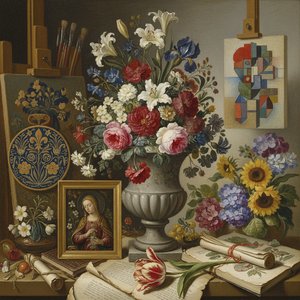
Ferdinand Guillaimin's "Still Life," painted in 1872, isn’t merely a depiction of objects arranged on a table; it’s a carefully constructed tableau brimming with quiet observation and subtle symbolism. This work, rendered in the heart of the Impressionist movement, captures a fleeting moment of domestic tranquility – a scene both familiar and imbued with an understated elegance. The painting immediately draws the eye to the central arrangement: a vase overflowing with vibrant red and yellow flowers, their petals seemingly caught mid-bloom, radiating warmth against the cooler tones that dominate the rest of the composition. Beside them rests a worn book, its pages hinting at untold stories and intellectual pursuits, while a simple bowl holds what appears to be fruit – perhaps apples or pears – adding another layer of earthly abundance.
Guillaimin’s technique is distinctly Impressionistic, prioritizing capturing the *impression* of light and color rather than precise detail. Loose brushstrokes dance across the canvas, creating an atmospheric haze that softens the edges of each object. He masterfully employs broken color – applying small dabs of paint side-by-side to build up hues and create a shimmering effect, particularly noticeable in the reflections on the table’s surface. The dark background serves not as mere backdrop but as a crucial element, intensifying the luminosity of the floral arrangement and lending the scene a sense of intimacy and depth. The artist's focus is less on photographic realism and more on conveying the *feeling* of being present within this quiet space.
The Context of Parisian Impressionism
To fully appreciate “Still Life,” it’s essential to understand the artistic climate in which Guillaimin was working. The 1870s were a period of profound change and experimentation for French art, marked by the rise of Impressionism. Artists like Monet, Renoir, and Pissarro sought to break free from the rigid conventions of academic painting, embracing plein air (outdoor) painting and capturing the ephemeral qualities of light and atmosphere. Guillaimin’s work reflects this spirit of innovation, moving away from traditional subject matter and exploring new ways of representing the world around him.
Guillaimin's connection to Pissarro is particularly noteworthy. The artist spent a significant period painting alongside Pissarro in Pontoise, a suburb of Paris, where he found inspiration in the everyday life of the region. This proximity fostered a collaborative environment, allowing Guillaimin to refine his style and develop his unique approach to capturing light and color. The Impressionists were not simply interested in depicting what they *saw*; they were driven by a desire to express their subjective experience of the world.
Symbolism and the Language of Objects
Beyond its aesthetic qualities, “Still Life” is rich with symbolic meaning. The flowers themselves represent beauty, fragility, and the fleeting nature of life – themes frequently explored in Impressionist art. The book suggests knowledge, contemplation, and a connection to the past. The bowl of fruit symbolizes abundance, nourishment, and the pleasures of earthly existence. Even the dark background can be interpreted as representing mortality or the unknown.
Guillaimin’s use of these objects is deliberate and carefully considered, inviting the viewer to engage in a process of interpretation. He doesn't offer explicit explanations; instead, he presents a series of interconnected symbols that resonate with universal themes of beauty, life, and death. The arrangement feels deliberately balanced, creating a harmonious composition that evokes a sense of peace and serenity.
A Legacy of Delicate Beauty
Ferdinand Guillaimin’s “Still Life” stands as a testament to the power of observation and the enduring appeal of simple subjects rendered with exquisite sensitivity. It's a painting that rewards close attention, revealing layers of meaning and emotional depth with each viewing. Reproductions capture much of the original atmosphere, but nothing quite replicates the subtle nuances of light and color that define Guillaimin’s masterful technique.
Today, this work is celebrated for its evocative beauty and its contribution to the development of Impressionism. It remains a poignant reminder of the quiet moments of everyday life – a timeless meditation on beauty, mortality, and the enduring power of art.
الأسئلة والأجوبة
ما هي أنواع الألوان التي يستخدمها "Still Life"؟
تستخدم لوحة "Still Life" للفنان فرديناند غيلامان مجموعة ألوان Earthy. وتلخص هذه المجموعة الطابع اللوني العام للعمل.
هل توجد أعمال مشابهة لـ "Still Life"؟
تستعرض صفحة أعمال مشابهة لعمل "Still Life" للفنان فرديناند غيلامان أعمالاً فنية ذات صلة.
من الذي أبدع "Still Life"، وفي أي عام؟
مؤلف "Still Life" هو فرديناند غيلامان، ويعود تاريخ العمل إلى 1872.
نبذة عن الفنان
بدايات الحياة والمسيرة الفنية
ولد فيرديناند غيلامان، الرسام الانطباعي الفرنسي الشهير ورائد فن الطباعة الحجرية، في باريس بتاريخ 16 فبراير عام 1841. بدأت رحلته الفنية في منتصف القرن التاسع عشر، وهي فترة ازدهار الحركة الانطباعية في فرنسا. لم يكن غيلامان مجرد فنان؛ بل كان جزءًا من روح عصره المتغيرة، حيث سعى الفنانون إلى التقاط اللحظات العابرة للضوء واللون بطرق جديدة ومبتكرة.
مساهمة غيلامان في الحركة الانطباعية
ترك غيلامان بصمة واضحة في تطور الحركة الانطباعية، التي هدفت إلى تجسيد الانطباعات الزائلة للضوء والألوان في العالم الطبيعي. شارك كعضو فعال في هذه المجموعة الفنية المتميزة بالعديد من المعارض، حيث عرض أسلوبه الفريد الذي سرعان ما لفت الأنظار. تميزت لوحاته بمناظر طبيعية حالمة وهادئة، تعكس جوهر الانطباعية وتعبّر عن شغفه بجمال الطبيعة المتغيرة باستمرار.
- غالبًا ما احتوت لوحاته على مناظر طبيعية ناعمة وحالمة، مما يتماشى مع روح الانطباعية.
- أضاف استخدام غيلامان للألوان الزاهية والضربات الفرشاة السريعة إلى العفوية التي تميز هذه الحركة الفنية.
أعماله البارزة وعلاقاته بالفنانين الآخرين
تعتبر متحف ماونت هوليوك للفنون مؤسسة بارزة ساهمت في الحفاظ على إرث غيلامان، حيث يضم مجموعة رائعة من أعماله الفنية. بالإضافة إلى ذلك، كان كلود مونيه، الرسام الانطباعي البارز الآخر، صديقًا مقربًا لغيلامان، وكثيرًا ما عرض الفنانان أعمالهما معًا في المعارض.
- أظهر أسلوب غيلامان أيضًا تأثيرات من الرمزية، وهي حركة فنية أكدت على عالم الأحلام والغموض، كما يتضح ذلك في استخدامه للألوان الجريئة والمواضيع العاطفية.
الإرث والتأثير
رحل فيرديناند غيلامان عن عالمنا في 26 يونيو عام 1927، لكن مساهماته في الحركة الانطباعية لا تزال ذات قيمة كبيرة حتى اليوم. يمكن العثور على أعماله الفنية في العديد من المتاحف والمجموعات حول العالم، بما في ذلك تلك الموجودة في متحف ماونت هوليوك للفنون (الولايات المتحدة) وغيرها من المؤسسات المرموقة. اكتشف المزيد من أعمال غيلامان والحركة الانطباعية على OriginalUniqueArt: فيرديناند غيلامان | 3 أعمال فنية الحركة الانطباعية

فرديناند غيلامان
1841 - 1927 , فرنسا
لمحة سريعة
- أعمال بارزة:
- حديقة في جانفيل في يونيو
- منظر لنهر
- عرض لـ Puy de Dôme
- الاسم الكامل: جان بابتيست أرماند غيلامان
- الجنسية: فرنسي
- الحركة الفنية: الانطباعية
- تاريخ الميلاد: 16 فبراير 1841
- حركات فنية متأثرة: ['كلود مونيه']
- فنانون مؤثرون:
- فان جوخ
- بول سيزان
- كاميل بيسارو
- مكان الميلاد: باريس، فرنسا
مقالات ذات صلة

Blossoms of Time: A Historical Journey Through Flower Painting
Explore the captivating history of flower painting! Discover Dutch masters, symbolic meanings, & botanical art. Expert insights & high-quality reproductions at OriginalUniqueArt.
Blossoming Symbolism: A Historical Journey Through Flowers in Western Painting
Explore the rich history of flower symbolism in Western painting! Discover how artists from the Renaissance to Modernism used blossoms to convey meaning, emotion & beauty. Learn about iconic artworks and movements.

Impressionism's Masterpieces: 10 Paintings That Defined a Movement | OriginalUniqueArt
Journey through Impressionism's heart with 10 iconic paintings by Monet, Renoir & Degas. Explore light, color & the stories behind these masterpieces. Find museum-quality art reproductions and elevate your home decor on OriginalUniqueArt.com.

Silent Narratives: Exploring the Enduring Appeal of Still Life Painting Across Centuries
Explore the rich history of still life painting with OriginalUniqueArt. Discover Dutch Masters, decode vanitas symbolism & learn about collecting timeless art. Expert insights and museum-quality reproductions.

أعمال بول سيزان الخالدة: 25 تحفة فنية تزين منزلك بجمال الألوان والضوء
اكتشف 25 تحفة فنية لبول سيزان، رائد الانطباعية وما بعد الانطباعية. استكشف قصص لوحاته الزيتية الشهيرة وألوانه الجريئة وتقنياته الفريدة. احصل على إلهام لديكور منزلك الفاخر مع OriginalUniqueArt.com.