 معاينة الحجم الحقيقي
 مشاركة
 مشاركة
 التفاصيل

 تحميل الملف
 قطع مشابهة
 الأشعة السينية
 عرض شرائح
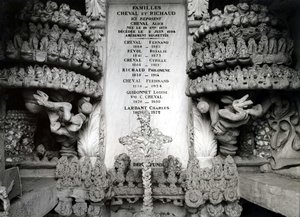
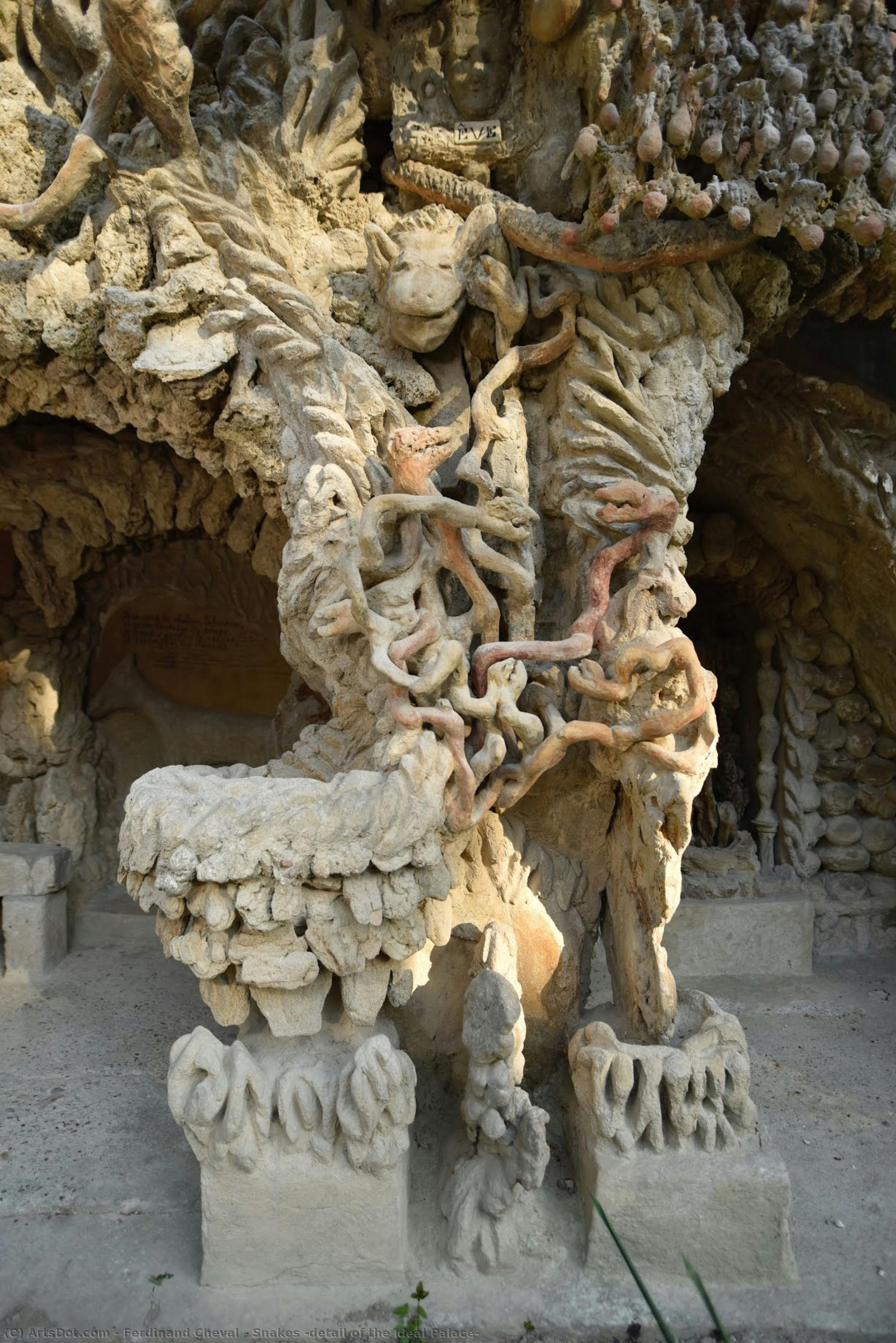
القصور المثاليّة


 عرض المزيد
نسخة زيتية مصنوعة يدوياً
لوحة زيتية مرسومة يدوياً على الكانفاس بالمقاس والإطار الذي تفضله، تُنفذ حسب الطلب على أيدي فنانينا. ( اشترِ نسخة مطبوعة اشترِ الصورة)




P118B $10

P118H $10

P118W $10

P438Z $10

P508JH $12

P508YH $12

P805H $10

P805Z $10

P919BZ $10

P919G $10

P919XJ $10

P959ZH $10

P968JZ $12

W106C $8

W218G $10

W218JH $8

W218Y $10

W307PJ $10

W316G $10

W316PJ $8

W316Y $10

W398PJ $8

W4111J $10

W500HY $15

W500JH $15

W692G $12

W849H $8

W940BG $15

W953PJ $8




اختر من بين أحجامنا المُعدّة مسبقًا والتي تتطابق مع النسب الأصلية للعمل الفني.

يمكنك إدخال أبعادك الخاصة لتناسب إطارًا معينًا أو مساحة محددة. وإذا لم يتطابق الحجم الذي اخترته مع نسب الصورة الأصلية، فسنقوم إما بقص العمل الفني أو توسيع اللوحة بإضافة عناصر مرسومة يدويًا. سيتم إرسال نموذج رقمي إليك للموافقة عليه قبل بدء الإنتاج.
يرجى ملاحظة أن المعاينة على الشاشة لا تعكس عملية القص أو التوسيع الفعلية؛ حيث إن النموذج الرقمي وحده هو الذي سيوضح التكوين النهائي بدقة.
وعلى الرغم من توفر أحجام مخصصة، إلا أننا نوصي باختيار أبعاد من القائمة المحددة مسبقًا للحفاظ على النسب الأصلية للعمل الفني.
بعد إتمام الطلب، سيرسل فريق OriginalUniqueArt.com بريداً إلكترونياً للعميل لطلب التعليمات وتزويده بمعاينة تجريبية (mockup).
توصيل عالمي إلى خلال 3 إلى 4 أسابيع بدلاً من المدة المعتادة البالغة 5 أسابيع. (21 أغسطس). جودة لا تهاون فيها.

شحن سريع ومجاني لجميع أنحاء العالم

قماش كتان عالي الجودة

تأمين شحن شامل

ضمان استرداد الرسوم الجمركية

ضمان مطابقة الألوان الحقيقية

سياسة الإرجاع خلال 60 يومًا (في حالات العيوب فقط)

ضمان استرداد نقدي بنسبة 100%

خصم عند طلب عدة قطع
 خيار الزجاج متاح فقط للمقاسات التي تقل عن 110 سم

القصور المثاليّة
خامة إعادة الإنتاج
مقاس النسخة المطبوعة
-


السعر الإجمالي النهائي
$ 300
وصف العمل الفني
Ferdinand Cheval: A Dream in Stone – The Extraordinary Tale of Le Palais Idéal
Ferdinand Cheval (1836-1924), a name that might not immediately resonate with art aficionados, stands as one of France’s most singular artistic figures. His journey began humbly—as a rural postman—yet within this unassuming exterior resided an imagination ablaze and a determination bordering on obsession. This unwavering devotion would culminate in arguably the world's most remarkable architectural achievement: Le Palais Idéal (The Ideal Palace), a monument that defies categorization and embodies the very essence of *art brut* – art created outside the confines of formal artistic training, driven solely by intuition and raw emotion.
- The Genesis of Vision
- Construction: A Solitary Pilgrimage
- Architectural Fusion: Gothic, Art Nouveau & Byzantine Influences
- Symbolism and Mythological Imagery
- Legacy and Recognition
The Genesis of Vision
The story of Le Palais Idéal is inextricably linked to a pivotal moment in Cheval’s life. In 1879, while traversing his postal route, he encountered an unusually shaped stone—a seemingly insignificant occurrence that sparked a vivid recollection of a dream he'd had fifteen years prior. This dream depicted fantastical structures and elaborate designs, populated by figures drawn from mythology and imbued with profound spiritual significance. Haunted by this memory, Cheval felt compelled to translate the ethereal beauty of his subconscious into tangible form.
“It was as if I were seeing a palace,” Cheval recounted in his memoirs. “I knew exactly how it would look.” This dream served as the catalyst for an ambitious undertaking—one that would consume him entirely for thirty-three years.
Construction: A Solitary Pilgrimage
Unlike conventional architects who rely on blueprints and meticulous calculations, Cheval approached his project with a radically different methodology. He began collecting stones during his daily postal rounds—a seemingly mundane activity that concealed an extraordinary dedication. Initially carrying stones in his pockets, he progressed to baskets and eventually utilized a wheelbarrow to transport his growing collection. This wasn’t merely construction; it was an act of devotion, fueled by a desire to materialize the dreamscape he had encountered.
Working tirelessly after completing his postal duties—often late into the night illuminated by a flickering oil lamp—Cheval painstakingly assembled the palace block by block. The sheer scale of the project demanded immense physical effort and unwavering perseverance. Despite facing ridicule from colleagues and skepticism from critics, Cheval remained steadfast in his conviction that he was pursuing something far greater than mere architectural accomplishment.
Architectural Fusion: Gothic, Art Nouveau & Byzantine Influences
Le Palais Idéal is a breathtaking fusion of architectural styles—Gothic, Art Nouveau, Byzantine, and even elements reminiscent of Hindu temples and ancient Egypt are interwoven in a uniquely personal expression. Cheval’s design defies stylistic conventions; it wasn't influenced by prevailing trends but emerged directly from his inner vision.
The palace features intricate carvings depicting animals and mythological creatures—dragons, griffins, eagles—symbols laden with significance representing strength, nobility, and divine protection. Grottoes adorned with shimmering mosaics evoke the grandeur of Byzantine churches, while towering turrets and towers ascend towards the heavens, mirroring the aspirations of medieval cathedrals.
Symbolism and Mythological Imagery
Beyond its architectural splendor, Le Palais Idéal is replete with symbolic imagery reflecting Cheval’s philosophical musings and personal history. Sculptures depicting Adam and Eve—a reference to the creation myth—are positioned prominently within the palace's interior, symbolizing innocence and divine grace.
The palace’s walls are inscribed with quotations from philosophers and poets—including Dante Alighieri and Friedrich Nietzsche—expressing Cheval’s intellectual curiosity and his belief in the transformative power of art. These inscriptions serve as a testament to Cheval’s unwavering conviction that Le Palais Idéal was not merely a building but an embodiment of human aspiration.
Legacy and Recognition
Le Palais Idéal captivated artists and intellectuals alike, particularly during the Surrealist movement of the 20th century. André Breton recognized in Cheval’s creation a powerful expression of the unconscious mind and a rejection of rational constraints. Today, Le Palais Idéal stands as a national monument in France—a testament to the enduring human spirit and an unparalleled example of *art brut* architecture.
Its singular beauty continues to inspire visitors from around the globe who come to marvel at its fantastical design and contemplate the extraordinary story behind it. Ferdinand Cheval’s legacy transcends architectural achievement; he remains a beacon of creativity, demonstrating that even a humble postman can leave an indelible mark on the annals of art history.
السيرة الذاتية للفنان
حلم من حجر: حياة وإرث فرديناند شيفال
يظل اسم فرديناند شيفال مرادفاً للتفاني الذي لا يتزعزع وقوة الرؤية الفردية، وهو أحد أكثر الشخصيات الفنية إثارة للإعجاب في فرنسا. ولد في عام 1836 في قرية شارم سور ليرباس الصغيرة، واتبعت حياته في بدايتها مساراً تقليدياً كـ ساعي بريد ريفي. ومع ذلك، فخلف هذا المظهر العادي، كمنت مخيلة لا حدود لها وعزيمة استثنائية تجلت في نهاية المطاف في واحد من أروع الإنجازات المعمارية في العالم: القصر المثالي (Le Palais Idéal). لم يتلقَّ شيفال تدريباً رسمياً كفنان أو مهندس معماري؛ بل ولدت رحلته ليس من الدراسة الأكاديمية، بل من حلم شخصي عميق ومؤثر، اقترن بسنوات من العمل المنفرد.
بزوغ الرؤية
ترتبط قصة القصر المثالي ارتباطاً وثيقاً بلحظة محورية في حياة شيفال. ففي عام 1879، وأثناء جولة بريده المعتادة، عثر على حجر ذي شكل غير عادي. هذا الحدث الذي قد يبدو بسيطاً أشعل ذكرى حية لحلم راوده قبل خمسة عشر عاماً؛ حلم مليء بالهياكل الخيالية والتصاميم المعقدة. وبسبب ملاحقة هذه الذكرى له، واستلهاماً من الجمال الغريب للحجر نفسه، شرع شيفال في مهمة ضخمة. بدأ بجمع الأحجار خلال جولاته اليومية، حيث كان يحملها في البداية في جيوبه، ثم انتقل إلى استخدام السلال، وصولاً إلى استخدام عربة يدوية لنقل مجموعته المتنامية. لم يكن هذا مجرد بناء؛ بل كان عملاً من أعمال التعبد الفني، مدفوعاً برغبة جامحة لتجسيد العالم الأثيري الذي لمحه في منامه.
ثلاثة وثلاثون عاماً من العمل المنفرد
على مدار ثلاثة وثلاثين عاماً، كرس فرديناند شيفال نفسه بالكامل لبناء القصر المثالي. كان يعمل بلا كلل بعد انتهاء مهامه البريدية، وغالباً ما يستمر في العمل حتى وقت متأخر من الليل تحت ضوء مصباح زيتي. ويعد القصر مزيجاً يحبس الأنفاس من الأنماط المعمارية؛ حيث تتشابك العناصر القوطية، وفن الآرت نوفو، والنمط البيزنطي، وحتى عناصر تذكرنا بالمعابد الهندوسية ومصر القديمة، في تعبير شخصي فريد. لم يُبنَ هذا الصرح وفق مخططات ضخمة أو قياسات دقيقة، بل من خلال الحدس والسعي الدؤوب وراء رؤيته الداخلية. ويتميز الهيكل بنقوش معقدة، ومنحوتات تصور حيوانات ومخلوقات أسطورية، وكهوف، ونوافير، وشبكة معقدة من الأبراج والمنارات، كما يزدان القصر بنقوش تعكس تأملات شيفال الفلسفية وتاريخه الشخصي.
شهادة على الفن الفطري وتأثير لا يزول
يقف القصر المثالي كنموذج رائد لعمارة "الفن الخام" أو الفن الفطري، وهي إبداعات ولدت خارج التقاليد الفنية الراسخة، مدفوعة بالخيال الخالص والعاطفة الجياشة. لقد تحدى عمل شيفال أي تصنيف؛ فلم يتأثر بالاتجاهات المعمارية السائدة بل انبثق مباشرة من عقله الباطن. وقد سحر قصره الفنانين والمثقفين على حد سواء، لا سيما خلال الحركة السريالية في القرن العشرين، حيث أدرك رواد مثل أندريه بريتون في إبداع شيفال تعبيراً قوياً عن العقل اللاواعي ورفضاً للقيود العقلانية. واليوم، يُصان القصر المثالي كمعلم وطني في فرنسا، ويجذب الزوار من جميع أنحاء العالم الذين يأتون ليتأملوا جماله الفريد وقصته الاستثنائية.
ما وراء القصر: إرث من الإلهام
بينما يظل القصر المثالي أعظم إنجازاته، إلا أن مساعي فرديناند شيفال الفنية امتدت إلى ما هو أبعد من هذا الصرح الضخم. فقد أبدع أيضاً لوحات فنية، رغم أنها أقل شهرة، تعكس الموضوعات والسمات الغامضة الموجودة في تحفته المعمارية. ويظل عمله تذكيراً قوياً بأن الإبداع لا يعرف حدوداً، وأن الجمال الاستثنائي يمكن أن ينبثق من أكثر المصادر غير المتوقعة. لم يكن فرديناند شيفال يبني قصراً فحسب؛ بل كان يشيد عالماً بأكمله – شهادة على قوة الأحلام، والمثابرة، والروح البشرية الخالدة. وتستمر قصته في إلهام الفنانين والمهندسين والحالمين على حد سواء، لتثبت أن حتى ساعي بريد متواضع يمكنه أن يترك بصمة لا تُمحى في سجل تاريخ الفن.

فرديناند شيفال
1836 - 1924 , فرنسا
حقائق سريعة
- Artistic Movement Or Style: عمارة الفن الفطري
- Artists Or Movements Influenced By This Artist:
- السرياليون
- فنانو الفن الفطري
- Date Of Birth: 1836
- Date Of Death: 1924
- Full Name: فرديناند شيفال
- Nationality: فرنسي
- Notable Artworks:
- القصر المثالي
- كهف الحلم
- Place Of Birth: شارم سور ليرباس، فرنسا
مقالات ذات صلة

Bronze Sculptures That Defined Art History | OriginalUniqueArt
Journey through art history with our Top 10 bronze sculptures! Explore masterpieces by Rodin, Michelangelo & more. Discover stories behind iconic statues and find museum-quality reproductions for your home decor at OriginalUniqueArt.com.

The Enduring Form: Exploring Themes & Techniques in Sculpture Across Historical Periods
Explore the rich history of sculpture from ancient masterpieces to contemporary innovations. Discover key techniques, influential artists & investment potential for discerning art collectors.
The Enduring Form: Sculpture Across History, Technique & Emotional Resonance
Explore the rich history of sculpture with OriginalUniqueArt. Discover key techniques, influential artists & investment potential for discerning collectors. Expert insights into valuing and collecting timeless masterpieces.

Bronze Age to Modern Masters: 10 Sculptures That Redefined Art | OriginalUniqueArt
Journey through art history with 10 legendary bronze sculptures – from Michelangelo's David to Rodin’s Thinker. Explore the stories, techniques & timeless beauty of these masterpieces. Find museum-quality reproductions & elevate your home decor on OriginalUniqueArt.com.
الإرث الدائم للنحت البرونزي: تاريخ، تقنيات، وتفسيرات معاصرة
استكشف تاريخ النحت البرونزي وتقنياته العريقة، من صب الشمع المفقود إلى التحف المعاصرة. دليل شامل لجامعي الفن والمستثمرين والمهتمين بتقييم الأعمال الفنية.