

 معاينة الحجم الحقيقي
 مشاركة
 مشاركة
 التفاصيل
 الدليل

 تحميل الملف
 قطع مشابهة
 الأشعة السينية
 عرض شرائح
 الإحصائيات
Self-Portrait
 Oil On Canvas
- WallArt
- Baroque Period
 1570
1570 33.0 x 25.0 cm
 غاليريا أوفيزي
 عرض المزيد
طباعة جيلي / مطبوعات فنية
طباعة جيكلي أو كانفاس بجودة المتاحف، مع سرعة في التنفيذ وخيارات متنوعة للتشطيب. ( اشترِ لوحة مرسومة يدويًا الانتقال إلى الصورة الرقمية)




P118B $10

P118H $10

P118W $10

P438Z $10

P508JH $12

P508YH $12

P805H $10

P805Z $10

P919BZ $10

P919G $10

P919XJ $10

P959ZH $10

P968JZ $12

W106C $8

W218G $10

W218JH $8

W218Y $10

W307PJ $10

W316G $10

W316PJ $8

W316Y $10

W398PJ $8

W4111J $10

W500HY $15

W500JH $15

W692G $12

W849H $8

W940BG $15

W953PJ $8




اختر من بين أحجامنا المُعدّة مسبقًا والتي تتطابق مع النسب الأصلية للعمل الفني.

يمكنك إدخال أبعادك الخاصة لتناسب إطاراً أو مساحة معينة. وإذا لم يتطابق الحجم الذي اخترته مع نسب الصورة الأصلية، فسنقوم إما بقص العمل الفني أو تمديد الصورة باستخدام حافة معكوسة أو بلون مصمت. سيتم إرسال نموذج تجريبي رقمي لاعتمادك قبل بدء الإنتاج.
يرجى ملاحظة أن المعاينة على الشاشة لا تعكس عملية القص أو التمديد الفعلية؛ حيث سيوضح النموذج التجريبي فقط التكوين النهائي بدقة.
وعلى الرغم من توفر أحجام مخصصة، إلا أننا نوصي باختيار أبعاد من القائمة المحددة مسبقاً للحفاظ على النسب الأصلية.
توصيل عالمي إلى خلال أسبوعين بدلاً من المدة القياسية البالغة 4/5 أسابيع. 20 سبتمبر

شحن سريع ومجاني لجميع أنحاء العالم

قماش كتان عالي الجودة

تأمين شحن شامل

ضمان استرداد الرسوم الجمركية

ضمان مطابقة الألوان الحقيقية

سياسة الإرجاع خلال 100 يوم (في حالات العيوب فقط)

ضمان استرداد نقدي بنسبة 100%

خصم عند طلب عدة قطع
 خيار الزجاج متاح فقط للمقاسات التي تقل عن 110 سم

Self-Portrait
طباعة جيلي / مطبوعات فنية
مقاس النسخة المطبوعة
-


السعر الإجمالي النهائي
$ 80
A Window to the Soul: Federico Fiori Barocci’s “Self-Portrait”
Federico Fiori Barocci's "Self-Portrait," painted in 1570, isn't merely a likeness; it’s a carefully constructed invitation into the artist’s mind and spirit. Housed within the hallowed halls of the Galleria degli Uffizi in Florence, this oil on canvas offers a remarkably intimate glimpse into the world of a pivotal figure bridging the Renaissance and the burgeoning Baroque era. Measuring just 33 x 25 centimeters, its modest scale belies the profound depth of emotion and technical mastery contained within.
Barocci’s style, as evidenced here, is characterized by an exquisite balance between classical restraint and a growing expressive intensity – a hallmark that would later define his most celebrated works. The painting immediately draws the eye to the subject's face, rendered with meticulous detail; the subtle play of light and shadow sculpts his features, hinting at both age and a contemplative demeanor. The artist’s skill is undeniable: visible brushstrokes create a textured surface, lending a sense of immediacy and vitality to the portrait. The careful rendering of the beard and mustache – meticulously detailed strands capturing the texture and sheen of hair – speaks volumes about Barocci's dedication to his craft.
The Baroque’s Embrace: Emotion and Drama
Painted during a period of significant artistic transition, “Self-Portrait” embodies the shift from the idealized formality of the High Renaissance towards the dramatic emotionalism of the Baroque. While retaining elements of Renaissance portraiture – particularly in the careful attention to anatomical accuracy – Barocci introduces a new level of psychological depth. The subject’s gaze is direct and engaging, almost challenging the viewer to connect with his inner world. This deliberate engagement was a key element of the Baroque's focus on evoking emotion and conveying spiritual experience.
The dark background serves not as mere backdrop but as a strategic device, intensifying the luminosity of the subject’s face and drawing all attention to his expression. It’s a technique frequently employed during this period, prioritizing the psychological impact of the portrait over elaborate settings or distracting details. The inclusion of the lace collar – a detail suggesting wealth and perhaps even a position of authority – subtly hints at Barocci's social standing within Urbino’s aristocratic circles.
A Masterpiece in Miniature: Technique and Materials
The choice of oil on canvas was crucial to Barocci’s artistic vision. This medium allowed for rich, vibrant colors and a remarkable level of detail – essential for capturing the nuances of skin tone, fabric texture, and the subtle play of light. The layering of paint creates a sense of depth and volume, while the visible brushstrokes contribute to the painting's overall dynamism. The artist’s masterful control over chiaroscuro—the dramatic contrast between light and dark—further enhances the portrait’s emotional impact, creating a captivating interplay of shadows and highlights.
Beyond the Canvas: A Legacy of Emotion
Federico Fiori Barocci's "Self-Portrait" is more than just a representation of an individual; it’s a window into the artist’s soul. It stands as a testament to his technical skill, his understanding of human psychology, and his pivotal role in shaping the artistic landscape of the 16th century. The painting's enduring appeal lies not only in its aesthetic beauty but also in its ability to evoke a sense of empathy and connection – a reminder that even within a small canvas, a profound story can be told.
Further exploration into Barocci’s life and work is encouraged through the resources linked below. Consider commissioning a high-quality reproduction to bring this captivating masterpiece into your own home or office—a tangible connection to one of art history's most intriguing figures.
السيرة الذاتية للفنان
الحياة المبكرة والتدريب
ولد فيديريكو فيوري باروتشي، الرسام الإيطالي البارز وصانع الطبعات الماهرة، في مدينة أوربينو الجميلة عام 1535. كان اسمه الأصلي فيديريكو فيوري، لكنه عُرف فيما بعد بلقب "إل باروتشيو"، وهو اسم محلي يشير إلى عربة ذات عجلة واحدة تجرها الثيران، مما يعكس أصوله المتواضعة. بدأ باروتشي رحلته الفنية بتعلم المهنة على يد والده، أمبروجيو باروتشي، وهو نحات ذو مكانة مرموقة في المنطقة. ثم انتقل إلى ورشة الرسام باتيستا فرانكو في أوربينو، حيث تلقى تدريباً أساسياً شكّل حجر الزاوية لنجاحه المستقبلي. كان هذا التدريب بمثابة نقطة انطلاق نحو عالم الفن الراقي والتقنيات المتقدمة التي ميزته لاحقاً.النشأة الفنية والتأثيرات
سرعان ما اكتسب باروتشي سمعة طيبة بفضل أعماله المتميزة، والتي سبقت أسلوب الباروك الذي اشتهر به بيتر بول روبنز. عمل في ورشة تاديو وفيديريكو زوكاري الشهيرة في روما، حيث تعرّض لمجموعة متنوعة من التأثيرات الفنية التي وسعت آفاقه الإبداعية. كانت لوحة "القديسة مارغريت" أول أعماله البارزة، وقد رسمها لأخوية القربان المقدس. لاحقاً، دُعي باروتشي من قبل البابا بيوس الرابع للمساعدة في تزيين قصر الفاتيكان، حيث أبدع في تصوير العذراء مريم والطفل مع مجموعة من القديسين، بالإضافة إلى رسم سقف بتكنيك الفريسكو يمثل الإعلان. تميز أسلوب باروتشي بمزج فريد بين عناصر المانييرية والباروك، مما جعله فناناً رائداً في عصره.الأعمال البارزة والإرث الفني
تُعد أعمال باروتشي شهادة حية على مهارته الاستثنائية وقدرته على التقاط الجمال الإنساني. من بين أبرز أعماله: "خمس دراسات لشخصيات ذكورية ودراستان ليده اليمنى وذراعه" (معرض أوفيزي، فلورنسا)، وهي لوحة تجسد براعته في تصوير التشريح البشري. كما تبرز لوحة "دراسة تكوينية" (لـ "الختان"، متحف اللوفر، باريس) قدرته على تحقيق التوازن بين التركيب العاطفي. ولوحة "رأس رجل" (لـ "دعوة القديس أندراوس"، المتاحف الملكية للفنون الجميلة في بلجيكا) تعرض اهتمامه بالتفاصيل الدقيقة والتعبير العميق. بالإضافة إلى ذلك، تشمل أعماله الشهيرة: "الميلاد" (لوحة زيتية تعود لعام 1597 موجودة في متحف البرادو)، و"مادونا ديل بوبولو" (معرض أوفيزي، فلورنسا)، و"مادونا القطة (لا مادونا ديل غاتو)"، و"الإعلان" (عام 1582).التأثير الفني والتلاميذ
ترك باروتشي بصمة واضحة في عالم الفن، حيث ألهم أعمال العديد من الفنانين، بمن فيهم بيتر بول روبنز الذي استلهم من فرشاته الدرامية والمعبرة. يستمر إرثه في الاحتفاء به من خلال أعماله العديدة الموجودة اليوم في متاحف مرموقة مثل معرض أوفيزي (فلورنسا) ومتحف اللوفر (باريس). كان باروتشي فناناً عبقرياً تمكن من دمج الأناقة الكلاسيكية مع العاطفة الباروكية، مما جعله شخصية محورية في تاريخ الفن الإيطالي. لقد أحدث ثورة في تصوير المشاهد الدينية، وأضفى عليها لمسة من الواقعية والعاطفة التي لم يسبقه إليها أحد.
فيديريكو باروتشي
1535 - 1612 , إيطاليا
حقائق سريعة
- الأعمال البارزة:
- الولادة
- مادونا دل بوبولو
- الاسم الكامل: فيديريكو فيوري باروتشي
- الجنسية: إيطالي
- الحركة الفنية: الرينيسانس، الباروك
- الفنانون المؤثرون: ['باتيستا فرانكو']
- الفنانون المتأثرون: ['بيتر بول روبنز']
- تاريخ الميلاد: 1535
- تاريخ الوفاة: 1612
- مكان الميلاد: أوربينو، إيطاليا
مقالات ذات صلة

The Enduring Legacy of Oil on Canvas: Technique, History & Aesthetic Impact
Explore the rich history & techniques of oil painting – from Renaissance masters to Impressionism. Discover pigments, layering methods, and why this timeless medium endures. Expert insights for artists & art enthusiasts.
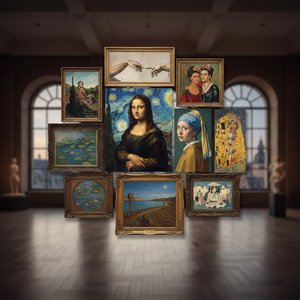
Oil on Canvas Masters: 10 Paintings That Redefined Art History |
Journey through art history with our guide to 10 legendary oil on canvas masterpieces! Explore iconic works by Van Gogh, Monet & Rembrandt. Find museum-quality reproductions and elevate your home decor at . Discover all masterpieces online.
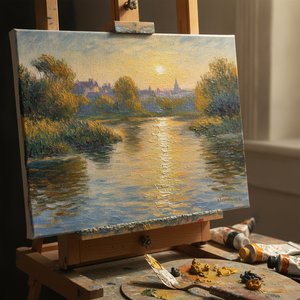
The Soul of Impressionism: Why Oil on Canvas Captures Eternal Light and Timeless Emotion
Discover the enchanting alchemy of Impressionism. Explore how the mastery of oil on canvas, through glazing and impasto, captures eternal light and emotion. Perfect for lovers of Monet and Van Gogh seeking the profound depth of hand-painted fine art.

الرسم الزيتي: تاريخ عريق، تقنيات متطورة، وممارسات معاصرة لفن خالد
اكتشف تاريخ الرسم الزيتي وتقنياته المتطورة مع دليل شامل لفن خالد. تعلم عن المواد، الأساليب الكلاسيكية والمعاصرة، وكيفية العناية بلوحاتك الثمينة. خبراء OriginalUniqueArt يرشدونك!

Oil on Canvas: A Historical & Technical Exploration of a Timeless Artistic Medium
Explore the rich history & enduring techniques of oil painting on canvas. Discover the science behind its longevity, conservation practices, and contemporary relevance. Expert insights for art enthusiasts.