

 معاينة الحجم الحقيقي
 مشاركة
 مشاركة
 التفاصيل

 تحميل الملف
 قطع مشابهة
 الأشعة السينية
 عرض شرائح
Mountain landscape


 عرض المزيد
طباعة جيلي / مطبوعات فنية
طباعة جيكلي أو كانفاس بجودة المتاحف، مع سرعة في التنفيذ وخيارات متنوعة للتشطيب. ( اشترِ لوحة مرسومة يدويًا اشترِ الصورة)




P118B $10

P118H $10

P118W $10

P438Z $10

P508JH $12

P508YH $12

P805H $10

P805Z $10

P919BZ $10

P919G $10

P919XJ $10

P959ZH $10

P968JZ $12

W106C $8

W218G $10

W218JH $8

W218Y $10

W307PJ $10

W316G $10

W316PJ $8

W316Y $10

W398PJ $8

W4111J $10

W500HY $15

W500JH $15

W692G $12

W849H $8

W940BG $15

W953PJ $8




اختر من بين أحجامنا المُعدّة مسبقًا والتي تتطابق مع النسب الأصلية للعمل الفني.

يمكنك إدخال أبعادك الخاصة لتناسب إطاراً أو مساحة معينة. وإذا لم يتطابق الحجم الذي اخترته مع نسب الصورة الأصلية، فسنقوم إما بقص العمل الفني أو تمديد الصورة باستخدام حافة معكوسة أو بلون مصمت. سيتم إرسال نموذج تجريبي رقمي لاعتمادك قبل بدء الإنتاج.
يرجى ملاحظة أن المعاينة على الشاشة لا تعكس عملية القص أو التمديد الفعلية؛ حيث سيوضح النموذج التجريبي فقط التكوين النهائي بدقة.
وعلى الرغم من توفر أحجام مخصصة، إلا أننا نوصي باختيار أبعاد من القائمة المحددة مسبقاً للحفاظ على النسب الأصلية.
توصيل عالمي إلى خلال أسبوعين بدلاً من المدة القياسية البالغة 4/5 أسابيع. 23 أغسطس

شحن سريع ومجاني لجميع أنحاء العالم

قماش كتان عالي الجودة

تأمين شحن شامل

ضمان استرداد الرسوم الجمركية

ضمان مطابقة الألوان الحقيقية

سياسة الإرجاع خلال 60 يومًا (في حالات العيوب فقط)

ضمان استرداد نقدي بنسبة 100%

خصم عند طلب عدة قطع
 خيار الزجاج متاح فقط للمقاسات التي تقل عن 110 سم

Mountain landscape
طباعة جيلي / مطبوعات فنية
مقاس النسخة المطبوعة
-


السعر الإجمالي النهائي
$ 80
وصف القطعة الفنية
A Journey Into Gauguin’s Soul: “Mountain Landscape”
Paul Gauguin's "Mountain Landscape," painted in 1882, isn’t merely a depiction of a hillside; it’s a profound distillation of the artist’s evolving vision and his yearning for a deeper connection with nature and spirituality. Emerging from the vibrant, yet ultimately superficial, world of Impressionism, Gauguin embarked on a radical shift—a deliberate rejection of objective representation in favor of subjective experience and symbolic resonance. This painting stands as a pivotal moment in that transformation, showcasing a nascent style that would profoundly influence generations of artists to come. The scene itself is deceptively simple: a rugged, almost primordial landscape dominated by towering mountains and a swirling, cloudy sky. Yet, within this apparent simplicity lies a complex interplay of color, texture, and emotion—a testament to Gauguin’s innovative approach to capturing the essence of his subject. He wasn't striving for photographic accuracy; instead, he sought to translate the *feeling* of being amidst such grandeur, an experience deeply rooted in personal intuition and spiritual contemplation.- The Palette of Emotion: Gauguin’s masterful use of color is immediately striking. Gone are the delicate pastel hues of Impressionism; here, we encounter a bolder, more assertive palette—deep greens, rich browns, ochre yellows, and dramatic blues. These aren't colors that simply describe the landscape; they *become* the landscape itself, imbued with an emotional charge. The vibrant greens suggest life and vitality, while the earthy browns ground the scene in a sense of solidity and permanence. The sky, rendered in swirling shades of blue and grey, evokes both serenity and turbulence—a reflection perhaps of Gauguin’s own inner turmoil during this period of intense artistic exploration.
- Brushstrokes as Voices: Gauguin's distinctive brushwork is equally crucial to the painting’s impact. His strokes are not smooth or blended; they are loose, expressive, and often deliberately uneven. These visible marks—a hallmark of his style—inject a sense of movement and energy into the scene, suggesting the constant flux of nature and the artist’s own restless spirit. The brushstrokes seem to dance across the canvas, creating a tactile quality that invites the viewer to reach out and touch the landscape.
- A Departure from Realism: Notice how Gauguin simplifies forms—the mountains are not meticulously rendered but rather suggested through broad masses of color and texture. This simplification isn’t an act of carelessness; it's a deliberate choice to prioritize emotional impact over literal representation. He is less concerned with depicting *what* he sees than with conveying *how* he feels about what he sees.
The Context of Transformation: Gauguin and Post-Impressionism
To fully appreciate “Mountain Landscape,” it’s essential to understand its place within the broader context of Post-Impressionism—a movement that arose in reaction to the limitations of Impressionism. While Impressionists sought to capture fleeting moments of light and color, Post-Impressionist artists like Gauguin aimed to delve deeper into the underlying emotions and symbolic meanings of their subjects. They rejected the purely optical approach of Impressionism, embracing a more subjective and expressive style. Gauguin’s journey began in Paris, where he initially experimented with Impressionistic techniques. However, disillusioned by what he perceived as its superficiality, he sought refuge in Brittany, immersing himself in rural life and drawing inspiration from Celtic folklore and mythology. This experience profoundly shaped his artistic vision, leading him to develop a style characterized by bold colors, simplified forms, and symbolic imagery—a style that would become synonymous with Post-Impressionism. Key Influences:- Synthetism: Gauguin’s exploration of Synthetism – an artistic style focused on the synthesis of form and color – is evident in this work.
- Primitivism: His fascination with non-Western cultures, particularly those of Tahiti, fueled his desire to strip away Western conventions and embrace a more primal, intuitive approach to art.
Decoding the Symbolism
“Mountain Landscape” isn’t simply a landscape painting; it's a visual poem—a meditation on nature, spirituality, and the human condition. The towering mountains themselves can be interpreted as symbols of strength, permanence, and the sublime—evoking a sense of awe and humility in the face of nature’s grandeur. The swirling clouds suggest both tranquility and turbulence, reflecting the complexities of life and the artist's own inner struggles. Notably, the absence of human figures reinforces this focus on the landscape itself, transforming it into a sacred space—a realm where the viewer can connect with something larger than themselves. Gauguin was deeply interested in exploring themes of spirituality and mythology, often incorporating symbolic elements into his work to convey hidden meanings. The painting invites contemplation: What does the rugged terrain represent? How does the sky’s movement affect your mood?A Legacy of Innovation
“Mountain Landscape” is a remarkably prescient work—a harbinger of the radical artistic movements that would emerge in the early 20th century. Gauguin's bold experimentation with color, texture, and symbolism paved the way for Expressionism, Fauvism, and other avant-garde styles. His willingness to challenge conventional notions of representation and embrace a more subjective approach to art continues to inspire artists today. Reproductions of this iconic painting offer a unique opportunity to experience Gauguin’s visionary spirit—to step into his world and contemplate the timeless beauty and profound mystery of the natural landscape.السيرة الذاتية للفنان
حياة رُسمت بضربات جريئة: عالم بول غوغان
إوجيني هنري بول غوغان، الاسم الذي يتردد صداه بالألوان النابضة والروح المتمردة، يقف كشخصية محورية في مرحلة الانتقال من الانطباعية إلى الفن الحديث. وُلد في باريس عام 1848، وكانت حياته أبعد ما تكون عن التقليدية؛ إذ تشكلت سنواته الأولى بنشأة غير عادية، فوالده كان صحفياً، بينما تنحدر والدته من أصول أرستقراطية بيروفية، وكانت جدتها "فلورا تريستان" كاتبة نسوية واشتراكية رائدة، لا شك أن مبادئها ترددت أصداؤها داخل العائلة. هذا الإرث صاغ رؤية غوغان الفنية بعمق، وغرس فيه شغفاً بالثقافات البعيدة عن حدود أوروبا. إن تلك الفترة التكوينية التي قضاها في بيرو طفلاً، عقب انتقال عائلته في عام 1850، غمرته في عالم مختلف تماماً عن المجتمع الباريسي، وهي تجربة ظلت عالقة في وجدانه وغذت في نهاية المطاف سعيه وراء الأصالة في الفن. وعند عودته إلى فرنسا بعد وفاة والده، تلقى غوغان تعليماً رسمياً، لكنه لم يجد نفسه منجذباً نحو الأكاديمية، بل نحو العالم المالي المتنامي، حيث بدأ مسيرة مهنية كوسيط في البورصة، وهو مسار بدا متناقضاً تماماً مع القدر الفني الذي كان ينتظره.من عالم المال إلى النداء الفني
لسنوات طويلة، عاش غوغان حياة مزدوجة، حيث كان يسعى بجد في مشاريع أعماله بينما يغذي سراً شغفه بالرسم. تأثر في البداية بالانطباعيين، وبدأ في تجربة الألوان والضوء في أوقات فراغه، لكنه سرعان ما شعر بالتقيد بالتزامهم بتصوير اللحظات العابرة من الواقع. وقد شكلت الأزمة المالية عام 1882 نقطة تحول حاسمة، حيث أجبرته على التخلي عن مسيرته المهنية المربحة واحتضان نداءه الفني بكل جوارحه. لم يكن هذا مجرد تغيير في المهنة، بل كان تحولاً جذرياً في رؤيته للعالم؛ فقد سعى للحصول على التوجيه من "كاميل بيسارو"، الذي شجع تطوره وأدخله إلى دوائر الطليعة في باريس. ومع ذلك، بدأ غوغان سريعاً في الابتعاد عن المبادئ الانطباعية، متوقاً إلى شيء أكثر تعبيراً ورمزية، وسيلة لا تنقل فقط ما *يراه*، بل ما *يشعر* به. قاده هذا الشغف في رحلة استكشاف فنية أخذته بعيداً عن صالونات باريس إلى قلب الثقافات "البدائية"؛ فلم يكن مهتماً بمجرد تصوير هذه الثقافات، بل سعى لامتصاص جوهرها، مؤمناً بأنها تحمل نقاءً فُقد في الحضارة الغربية.نداء بريتاني وتاهيتي
ارتبط التطور الفني لغوغان ارتباطاً وثيقاً برحلاته؛ فقد قضى وقتاً في منطقة بريتاني، مأخوذاً بمناظرها الطبيعية الوعرة وتقاليد شعبها الراسخة. شهدت هذه الفترة تجريبه للأشكال المسطحة، والخطوط العريضة الجريئة، وتبسيط التكوين، وهي تقنيات نقلته بعيداً عن الواقعية نحو لغة أكثر رمزية. لكن رحلته إلى تاهيتي عام 1891 هي التي أطلقت العنان لإمكاناته الإبداعية حقاً؛ فبحثاً عن ملاذ من القيود الخانقة لما اعتبره حضارة أوروبية مقيدة، أمل غوغان في العثور على الإلهام في ثقافة بولينيزيا، مؤمناً بأنها تقدم طريقة حياة أكثر نقاءً وأصالة. لم يكن هذا مجرد سعي فني، بل كان بحثاً روحياً؛ حيث انغمس في العادات والمعتقدات المحلية، مصوراً النساء البولينيزيات والمناظر الطبيعية والممارسات الدينية من خلال عدسته الفريدة. وبإلهام من المطبوعات اليابانية — Japonisme — والفن القروسطي، طور جمالية مميزة اتسمت بالألوان النابضة، والموضوعات الغريبة، ونفحة من الغموض. ومن هذه الفترة انبثقت لوحات أيقونية مثلالإرث والجدل
على الرغم من اختراقاته الفنية، اتسمت حياة غوغان بالصعوبات في كثير من الأحيان؛ فقد عانى من ضائقة مالية وتدهور في الصحة خلال فترة إقامته في تاهيتي ولاحقاً في جزر ماركيز، حيث استقر في نهاية المطاف. ومع ذلك، استمر في الرسم بغزارة، مستكشفاً بلا كلل موضوعات الحياة والموت والروحانية. توفي عام 1903 في "هيفاوا"، وهي جزيرة نائية في أرخبيل ماركيز، دون أن ينال التقدير الذي يستحقه عبقره. ولم يبدأ عمل غوغان في نيل الثناء المستحق إلا بعد وفاته؛ فاليوم يُحتفى به كشخصية محورية في تطور الفن الحديث، حيث جسر الفجوة بين الانطباعية والرمزية، ومهد الطريق لحركات مثل "الوحشية". لقد أثر استخدامه للألوان، والأشكال المبسطة، والصور الرمزية تأثيراً عميقاً على فنانين مثل بابلو بيكاسو، وهنري ماتيس، وغيرهم الكثير. ومع ذلك، يظل غوغان شخصية مثيرة للجدل بسبب جوانب من حياته الشخصية — لا سيما علاقاته مع الشابات البولينيزيات — والتي لا تزال محل نقاش وإعادة تفسير في ضوء الاعتبارات الأخلاقية المعاصرة. ومع ذلك، فإن مساهماته الفنية لا يمكن إنكارها، ويستمر إرثه في إلهام الفنانين وعشاق الفن حول العالم؛ فقد كان مبتكراً حقيقياً، ومتمردًا تجرأ على تحدي التقاليد ورسم مساره الخاص، تاركاً وراءه نتاجاً فنياً ساحراً وغامضاً تماماً كصاحبه.التأثيرات الرئيسية والخصائص الفنية
- الانطباعية: تأثير مبكر على اللون والضوء، تم رفضه لاحقاً بسبب تركيزه على الواقع العابر.
- الجاپونيزم (تأثير الفن الياباني): ألهمت المنظورات المسطحة، والخطوط العريضة الجريئة، والأنماط الزخرفية.
- فن العصور الوسطى: أثرت في الصور الرمزية ورفض الواقعية الصارمة.
- التركيبية (Synthetism): أسلوب طوره غوغان يركز على خلق الفن بناءً على التجربة الذاتية بدلاً من الملاحظة الموضوعية.
- البدائية (Primitivism): الانبهار بالثقافات غير الغربية، والإيمان بأنها تقدم طريقة حياة أكثر أصالة وروحانية، وهو ما ينعكس في موضوعاته وخياراته الأسلوبية.
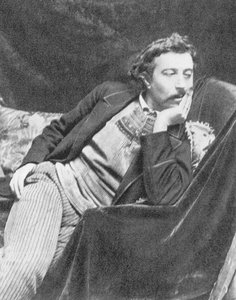
إوجيني هنري بول غاغو
1848 - 1903 , فرنسا
حقائق سريعة
- Artistic Movement Or Style: رمزية، انطباعية حديثة
- Artists Who Influenced This Artist:
- كاميل بيسارو
- فينيس غاوجين
- Date Of Birth: 7 يونيو 1848
- Date Of Death: 8 مايو 1903
- Full Name: إوغيني هنري بول غاوجين
- Nationality: فرنسي
- Notable Artworks:
- تضليل بالليمون والفاكهة
- فايني نو تِ ميتي
- مانا توباو
- الشاب البريتوني الصغير
- Place Of Birth: باريس، فرنسا
مقالات ذات صلة

أعمال بول سيزان الخالدة: 25 تحفة فنية تزين منزلك بجمال الألوان والضوء
اكتشف 25 تحفة فنية لبول سيزان، رائد الانطباعية وما بعد الانطباعية. استكشف قصص لوحاته الزيتية الشهيرة وألوانه الجريئة وتقنياته الفريدة. احصل على إلهام لديكور منزلك الفاخر مع OriginalUniqueArt.com.

بول كلي: 25 تحفة فنية تعكس عبقرية اللون والشكل | OriginalUniqueArt
اكتشف 25 تحفة فنية لبول كلي، رائد الفن التجريدي والسريالي. استكشف قصص لوحاته الملونة وتقنياته الفريدة على OriginalUniqueArt.com. اشترِ إعادة إنتاج عالية الجودة وديكور منزلي فاخر.
Beyond Impressionism: The Emotional Depth and Vibrant Evolution of Post-Impressionist Landscapes
Explore the profound evolution of Post-Impressionist landscapes. From Van Gogh's emotional brushwork to Cézanne's structural mastery, discover how these visionaries redefined art history through color and form in this expert guide for fine art enthusiasts.

Beyond Impressionism: Exploring the Emotional Depth of Post-Impressionist Painting
Explore the profound emotional depth & innovative techniques of Post-Impressionism with OriginalUniqueArt. Discover Cézanne, Van Gogh, Gauguin & more – and their lasting impact on modern art.
أعلى 10 روائع حددت مدرسة ما بعد الانطباعية: رحلة فنية راقية
اكتشف روائع ما بعد الانطباعية! استكشف 10 لوحات خالدة لفنانين كبار مثل فان جوخ وغوغان. تعرف على تاريخ الفن، أساليبه الفريدة، وجمال الألوان. احصل على إعادة إنتاج فنية عالية الجودة من OriginalUniqueArt.com. استكشف المجموعة الكاملة عبر الإنترنت!



