

 معاينة الحجم الواقعي
 إرسال
إرسال مشاركة
 عرض التفاصيل
 دليل الأعمال الفنية للطلاب

 تحميل
تحميل
 قطع مشابهة
 الأشعة السينية
 عرض شرائح متتابع
 الإحصائيات
Ferry Boat (detail)


 اقرأ المزيد
طباعة جيلي / مطبوعات فنية
طباعة جيكلي أو كانفاس بجودة المتاحف، مع سرعة في التنفيذ وخيارات متنوعة للتشطيب. ( اطلب نسخة مرسومة يدويًا التحويل إلى الصورة الرقمية)




P118B $10

P118H $10

P118W $10

P438Z $10

P508JH $12

P508YH $12

P805H $10

P805Z $10

P919BZ $10

P919G $10

P919XJ $10

P959ZH $10

P968JZ $12

W106C $8

W218G $10

W218JH $8

W218Y $10

W307PJ $10

W316G $10

W316PJ $8

W316Y $10

W398PJ $8

W4111J $10

W500HY $15

W500JH $15

W692G $12

W849H $8

W940BG $15

W953PJ $8




اختر من بين أحجامنا المُعدّة مسبقاً والتي تتوافق مع النسب الأصلية للعمل الفني.

يمكنك إدخال أبعاد خاصة لتناسب إطاراً أو مساحة معينة. وفي حال عدم تطابق الحجم المختار مع نسب الصورة الأصلية، سنقوم إما بقص العمل الفني أو تمديد الصورة باستخدام حافة معكوسة أو لون مصمت. وسيتم إرسال نموذج تجريبي رقمي لاعتمادك قبل بدء عملية الإنتاج.
يرجى ملاحظة أن المعاينة على الشاشة لا تعكس عملية القص أو التمديد الفعلية؛ حيث سيوضح النموذج التجريبي فقط التكوين النهائي بدقة.
وعلى الرغم من توفر أحجام مخصصة، إلا أننا نوصي باختيار أبعاد من القائمة المحددة مسبقاً للحفاظ على النسب الأصلية.
توصيل عالمي إلى خلال أسبوعين بدلاً من المدة القياسية البالغة 4/5 أسابيع. (26 سبتمبر)

شحن سريع ومجاني لجميع أنحاء العالم

قماش كتان فاخر

تأمين شامل على الشحن

ضمان استرداد الرسوم الجمركية

ضمان دقة مطابقة الألوان

سياسة الإرجاع خلال 100 يوم (في حالات العيوب فقط)

ضمان استرداد نقدي بنسبة 100%

عرض خصم الكميات
 خيار الزجاج متاح فقط للمقاسات التي تقل عن 110 سم

Ferry Boat (detail)
طباعة جيلي / مطبوعات فنية
مقاس النسخة المطبوعة
-


إجمالي السعر
$ 80
The Serene Passage: Esaias van de Velde’s “Ferry Boat” (1622)
Esaias van de Velde's "Ferry Boat," painted in 1622, is more than a simple depiction of a river crossing; it’s a masterful distillation of the Dutch Golden Age’s fascination with light, landscape, and the quiet dignity of everyday life. This intimate scene, now housed within the Rijksmuseum in Amsterdam, offers a rare glimpse into a world where the rhythms of nature and human activity intertwine seamlessly. Van de Velde, deeply influenced by his father, Hans van de Velde, and later Gillis van Coninxloo – both renowned landscape painters – expertly captures the fleeting beauty of a rural waterway, imbuing it with an atmosphere of profound peace and understated drama.
The painting’s composition is deceptively simple. A small ferry boat, laden with passengers, navigates a gently flowing river, its journey framed by the verdant banks and distant hills. The artist employs a low vantage point, drawing the viewer into this intimate tableau as if we are standing on the shore ourselves, observing the scene unfold before us. The arrangement of elements – the boats, the figures, the trees – creates a harmonious balance, reflecting the Dutch ideal of *symmetrie* and order, yet simultaneously conveying a sense of natural spontaneity.
A Window into 17th-Century Dutch Life
To fully appreciate “Ferry Boat,” it’s essential to understand the context in which it was created. The early 17th century marked a period of immense prosperity and artistic flourishing for the Netherlands, fueled by burgeoning trade and a newfound sense of independence. Landscape painting, previously considered a minor genre, began to gain prominence as artists sought to capture the beauty of their homeland – a landscape shaped by canals, meadows, and rolling hills. Van de Velde’s work exemplifies this shift, moving beyond mere topographical representation to explore the emotional resonance of the natural world.
The scene itself offers clues about daily life in rural Holland. The ferry boat likely served as a vital link between communities, transporting people and goods along the waterways. The figures on board – a mix of men, women, and children – represent a diverse cross-section of society, engaged in simple activities: some chatting animatedly, others gazing out at the scenery. These details invite us to imagine the stories behind each individual, adding layers of narrative depth to the painting.
Technique and Artistic Style
Van de Velde’s technical skill is immediately apparent in his masterful rendering of light and shadow. He employs a subtle yet effective use of *chiaroscuro* – the contrast between light and dark – to create a sense of depth and volume, bringing the landscape to life with remarkable realism. The artist's brushwork is loose and expressive, capturing the texture of the water, the foliage, and the clothing worn by the figures. The use of muted earth tones—greens, browns, and blues—evokes the natural palette of the Dutch countryside.
Notably, Van de Velde’s style evolved over time, influenced by his exposure to the work of Adam Elsheimer in Haarlem. This influence led him to adopt a more realistic approach, moving away from the highly stylized forms of earlier Netherlandish painters and embracing a greater emphasis on atmospheric perspective and naturalistic detail. The painting's composition is triangular, with the ferry boat as its apex, creating a sense of stability and balance.
Symbolism and Emotional Resonance
Beyond its technical merits, “Ferry Boat” possesses a quiet emotional resonance that continues to captivate viewers today. The scene evokes a feeling of tranquility and serenity, inviting us to pause and appreciate the simple pleasures of life. The gentle flow of the river, the warmth of the sunlight, and the camaraderie among the passengers all contribute to this sense of peacefulness.
Furthermore, the painting can be interpreted as a meditation on the passage of time and the interconnectedness of human existence. The ferry boat represents a journey – both literal and metaphorical – connecting people and places. The scene’s timeless quality suggests that the themes it explores—the beauty of nature, the importance of community, and the inevitability of change—remain relevant to us today.
A Timeless Masterpiece
Esaias van de Velde's “Ferry Boat” is a testament to the enduring power of landscape painting. It’s a work that rewards careful observation and invites contemplation, offering a glimpse into the heart of 17th-century Dutch life. Whether viewed as a historical document, an artistic masterpiece, or simply a beautiful image, this painting continues to resonate with viewers across generations, reminding us of the timeless beauty of the natural world.
نبذة عن الفنان
إيسايا فان دي فيلدي: سيد المناظر الطبيعية الهولندية
يبرز إيسايا فان دي فيلدي (17 مايو 1587 – 18 نوفمبر 1630) كشخصية محورية في تطور فن رسم المناظر الطبيعية خلال العصر الذهبي الهولندي. ولد في أمستردام، وتجذرت أصوله الفنية في والده هانس فان دي فيلدي، الذي كان لاجئًا بروتستانتيًا من فلاندرز سعى للأمان في هولندا إثر الاضطرابات الدينية في أواخر القرن السادس عشر. هذا الارتباط العائلي بالتقاليد الفلمنكية صاغ بعمق تعليم إيسايا الفني المبكر، حيث بدأ تحت إشراف والده ثم مع جيليس فان كونينكلو، رسام المناظر الطبيعية الذي تأثر بشدة بأعمال بيتر بروجيل الأكبر. إن نشأته وسط هذا المزيج من المؤثرات الفنية وضعت حجر الأساس لأسلوبه المميز، وهو الأسلوب الذي أعاد في نهاية المطاف تعريف إمكانيات تصوير العالم الطبيعي على قماش اللوحة.التأثيرات المبكرة والمشهد الفني في هارلم
بدأت مسيرة فان دي فيلدي المهنية في مدينة هارلم، التي كانت مركزًا حيويًا للفن والتجارة خلال القرن السابع عشر، وتحديدًا في الفترة من 1610 إلى 1618. وقد كانت هذه الحقبة حاسمة في تطوره الفني؛ حيث انضم إلى نقابة سانت لوك المرموقة في هارلم عام 1612 إلى جانب هيركوليس سيجرز، وهو حدث أحدث تحولًا جذريًا في النظرة إلى رسم المناظر الطبيعية في المنطقة. فقبل ذلك الوقت، كانت المناظر الطبيعية تُعتبر غالبًا أنواعًا ثانوية تقتصر على الأدوار الزخرفية، لكن انضمام فان دي فيلدي رفع من شأنها لتصبح فئة فنية محترمة ومستقلة، مما عكس توجهًا أوسع في جميع أنحاء هولندا. ومن الجدير بالذكر أنه تأثر بأدام إلشايمر، الرسام الألماني المعروف بإضاءته الدرامية وتأثيراته الجوية، مما شجعه على الابتعاد عن القواعد الجامدة لمعلمه وتبني منظور منخفض — وهي تقنية منحت المشاهدين رؤية واسعة وغامرة تقريبًا للمشاهد المعروضة أمامهم. هذا الخيار المتعمد، الممزوج بالبناء التكويني المثلثي، أصبح من العلامات الفارقة لأسلوبه الفريد.مشاهد الحياة اليومية والعسكرية: توسيع الآفاق الفنية
ورغم الاحتفاء به بشكل أساسي في لوحات المناظر الطبيعية، إلا أن المدى الإبداعي لفان دي فيلدي تجاوز حدود الطبيعة الصرفة. فقد نجح ببراعة في دمج مشاهد الحياة اليومية واللوحات العسكرية في أعماله. وتُظهر هذه الأعمال عينًا مراقبة ثاقبة وقدرة فائقة على التقاط ديناميكية ودراما النشاط البشري، سواء في الأرياف أو المدن. وتجسد لوحته "كمين قافلة العربات" (حوالي 1618) هذا التنوع، حيث لا تستعرض براعته في رسم المناظر الطبيعية فحسب، بل تبرز أيضًا موهبته في تصوير الحركة والسرد بتفاصيل آسرة. إن هذه الموضوعات المتنوعة تكشف عن رسام متمكن من خوض غمار تعقيدات تمثيل التجربة الإنسانية بكافة أشكالها.رسام البلاط والإرث الفني
في سنواته الأخيرة، نال فان دي فيلدي مكانة مرموقة كرسام للبلاط لدى الأمير موريتس وفريدريك هنري في لاهاي. وقد عزز هذا التعيين سمعته وفتح له الأبموا أمام مجموعة أوسع من التكليفات، بما في ذلك رسم مشاهد المعارك الملحمية واللوحات الاحتفالية. وتعكس أعماله خلال هذه الفترة حساسية فنية رفيعة، تميزت بالدقة المتناهية، ولوحات الألوان الهادئة، وفهم متطور للإضاءة والظلال. كما تأثر برولانت سافيري ويان فان دي فيلدي، مما يظهر تسلسلًا واضحًا ضمن التقاليد الفنية لعائلته.التلاميذ والتأثير المستمر
لم يتوقف أثر إيسايا فان دي فيلدي عند حدود ابتكاراته الخاصة، بل كان معلمًا لعدة فنانين شباب واعدين، من بينهم بيتر فان لار، ويان مارتسن دي يونج، وأنطوني فان دي فيلدي (الثاني). ويمكن رؤية بصماته في أعمال بالاميدس بالاميديس، ونيكولاس دي كواد فان رافيستين، وأدريان أدريانز غيبونز — وهم فنانون تبنوا عناصر من أسلوبه وتقنياته التكوينية. علاوة على ذلك، كان ابن عم يان فان دي فيلدي، مما أضاف طبقة أخرى من العراقة للإرث الفني لعائلته. ورغم أن رحيل إيسايا في لاهاي عام 1630 قد مثل نهاية حقبة، إلا أن مساهماته في رسم المناظر الطبيعية الهولندية ظلت خالدة، حيث شكلت مسار هذا النوع الفني وألهمت أجيالًا من الفنانين القادمين. ولا تزال أعماله تحظى بالإعجاب حتى يومنا هذا بفضل واقعيتها، وإضاءتها الدرامية، وتصويرها المؤثر لعالم الطبيعة.
إيسايا فان دي فيلدي
1587 - 1630 , هولندا
لمحة سريعة
- Artistic Movement Or Style: مدرسة هارلم، المناظر الطبيعية
- Artists Or Movements Influenced By This Artist:
- بالاميديس بالاميديز
- يان مارتسن دي يونج
- Artists Who Influenced This Artist:
- آدم إلشايمر
- رولانت سافيري
- Date Of Birth: 1587-05-17 (المعمّد)
- Date Of Death: 1630-11-18
- Full Name: إيساياس فان دي فيلدي
- Nationality: هولندي
- Notable Artworks:
- منظر طبيعي شتوي
- الكمين
- السرقة
- Place Of Birth: أمستردام، هولندا
مقالات ذات صلة

Jan van Goyen: Master of Dutch Landscape & Atmospheric Perspective
Discover Jan van Goyen, the master of Dutch landscape painting. Explore his subtle technique, atmospheric realism & lasting influence on art history. Learn about this 17th-century pioneer at OriginalUniqueArt.

Willem van de Velde the Elder: Master of Maritime Painting & Chronicler of the Dutch Golden Age
Discover the captivating maritime paintings of Willem van de Velde the Elder, a master chronicler of the Dutch Golden Age. Explore his unparalleled realism and lasting influence on naval art history.
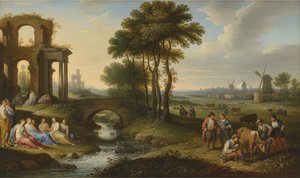
Cornelis van Poelenburch: Bridging Mannerism & the Dutch Baroque Landscape
Discover Cornelis van Poelenburch, a pivotal Dutch Baroque landscape painter bridging Mannerism & Italianate styles. Explore his life, key works, and lasting influence on 17th-century art with OriginalUniqueArt.

أعمال ريمبراند فان راين الخالدة: 25 تحفة فنية آسرة لديكور منزلك
اكتشف 25 تحفة فنية لريمبراند فان راين، رائد العصر الذهبي الهولندي. استكشف قصص لوحاته الشهيرة وتقنيات الرسم المذهلة. احصل على إعادة إنتاج عالية الجودة لديكور منزلك الفاخر على OriginalUniqueArt.com

أفضل 25 لوحة لفنانٍ عبقري: جوايا يلامس الروح بالفن والتاريخ
اكتشف 25 تحفة فنية لفنان العبقري جوايا! رحلة في عالم لوحاته المؤثرة، من الرومانسية إلى الواقعية. احصل على نسخ عالية الجودة لديكور منزلك الفاخر على OriginalUniqueArt.com