

 معاينة الحجم الواقعي
 إرسال
إرسال مشاركة
 عرض التفاصيل
 دليل الأعمال الفنية للطلاب

 تحميل
تحميل
 قطع مشابهة
 الأشعة السينية
 عرض شرائح متتابع
 الإحصائيات
Street, Dresden
 Acrylic On Canvas
- WallArt
- German Expressionism
 1908
1908- 19th Century
 150.0 x 200.0 cm
 متحف الفن الحديث (MoMA)
 اقرأ المزيد
طباعة جيلي / مطبوعات فنية
طباعة جيكلي أو كانفاس بجودة المتاحف، مع سرعة في التنفيذ وخيارات متنوعة للتشطيب. ( اطلب نسخة مرسومة يدويًا التحويل إلى الصورة الرقمية)




P118B E£10

P118H E£10

P118W E£10

P438Z E£10

P508JH E£12

P508YH E£12

P805H E£10

P805Z E£10

P919BZ E£10

P919G E£10

P919XJ E£10

P959ZH E£10

P968JZ E£12

W106C E£8

W218G E£10

W218JH E£8

W218Y E£10

W307PJ E£10

W316G E£10

W316PJ E£8

W316Y E£10

W398PJ E£8

W4111J E£10

W500HY E£15

W500JH E£15

W692G E£12

W849H E£8

W940BG E£15

W953PJ E£8




اختر من بين أحجامنا المُعدّة مسبقاً والتي تتوافق مع النسب الأصلية للعمل الفني.

أدخل العرض والارتفاع اللذين تحتاجهما، ليتناسب مع إطارك أو جدارك. يمكن قص المطبوعة فقط، ولا يمكن أبداً جعلها أكبر من الصورة الأصلية، لذا فإن أي مقاس بشكل مختلف سيؤدي إلى فقدان جزء من الصورة. سنرسل لك نموذجاً رقمياً تجريبياً لاعتماده قبل البدء في عملية الطباعة. الصورة المعروضة في هذه الصفحة لا توضح القص الفعلي — النموذج التجريبي فقط هو ما يظهر ذلك.
توصيل عالمي إلى خلال أسبوعين بدلاً من المدة القياسية البالغة 4/5 أسابيع. (23 أكتوبر)

شحن سريع ومجاني لجميع أنحاء العالم

قماش كتان فاخر

تأمين شامل على الشحن

ضمان استرداد الرسوم الجمركية

ضمان دقة مطابقة الألوان

سياسة الإرجاع خلال 100 يوم (في حالات العيوب فقط)

ضمان استرداد نقدي بنسبة 100%

عرض خصم الكميات
 خيار الزجاج متاح فقط للمقاسات التي تقل عن 110 سم

Street, Dresden
طباعة جيلي / مطبوعات فنية
مقاس النسخة المطبوعة
-


إجمالي السعر
E£ 4113
A Fragmented Urban Dream: Ernst Ludwig Kirchner’s “Street, Dresden”
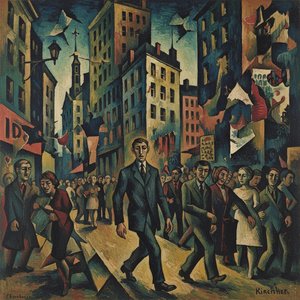
Ernst Ludwig Kirchner's "Street, Dresden," painted in 1908 and later reworked in 1919, isn’t merely a depiction of a city street; it’s a visceral exploration of modern anxiety and the alienation inherent within rapidly changing urban landscapes. This large oil on canvas, measuring 150 x 200 cm, pulsates with an unsettling energy—a feeling that immediately draws the viewer into its chaotic heart. Kirchner, a pivotal figure in the German Expressionist movement, masterfully captures not just the visual reality of Dresden’s Königstrasse but also the psychological state of those who navigated its crowded thoroughfares.
The painting's style is undeniably expressive, moving far beyond traditional academic realism. Kirchner employs bold, flattened forms and jarring color combinations—a deliberate rejection of the naturalistic palette favored by earlier generations. The pinks, oranges, blues, and greens clash dramatically, creating a sense of unease and disorientation. Brushstrokes are loose and agitated, conveying movement and a feeling of urgency. This technique wasn’t simply aesthetic; it was a conscious effort to translate inner turmoil onto the canvas, mirroring the anxieties prevalent in Germany at the turn of the century – a nation grappling with industrialization, social upheaval, and a growing sense of displacement.
The Faces of Modernity
Kirchner’s figures are not individuals; they are fragments, masks representing the anonymous masses swept along by the currents of urban life. Each face is rendered with stark simplicity – often reduced to geometric shapes and simplified features—suggesting a loss of identity within the crowd. The woman in the center, clutching her purse, stares blankly ahead, while others turn away, their backs to the viewer, embodying a profound sense of isolation. Even the little girl, seemingly the most vulnerable figure, is dwarfed by her oversized hat, further emphasizing her detachment and insignificance. The artist deliberately avoids portraying individual personalities, instead focusing on the collective experience of being adrift in a bustling city.
Interestingly, Kirchner’s own letters reveal his personal struggle with loneliness during this period. He described feeling overwhelmed by the faces he encountered, noting that “Completely strange faces pop up as interesting points through the crowd. I am carried along with the current, lacking will.” This internal experience is powerfully translated into the painting's composition and color palette – a visual representation of his own sense of alienation.
A Bridge to Expressionism
“Street, Dresden” exemplifies the core tenets of German Expressionism. The movement sought to express subjective emotions and experiences rather than objective reality. Kirchner’s use of distorted forms, exaggerated colors, and fragmented compositions directly reflects this philosophy. The painting can be seen as a bridge between the anxieties of late 19th-century realism and the emotionally charged landscapes of early 20th-century Expressionism. It's a pivotal work in understanding the movement’s exploration of urban alienation and psychological distress.
Furthermore, Kirchner’s decision to rework the painting in 1919 demonstrates his ongoing engagement with the subject matter. The subtle changes—particularly in the color palette and the arrangement of figures—suggest a deepening of his artistic vision and a continued attempt to capture the complexities of modern urban life. The work's presence in museums like the Kirchner Museum Davos underscores its enduring significance within Expressionist art history.
Bringing “Street, Dresden” into Your Space
A hand-painted reproduction of "Street, Dresden" offers a remarkable opportunity to bring this powerful and evocative artwork into your home or office. OriginalUniqueArt’s meticulous reproductions capture the painting's vibrant colors, dynamic brushstrokes, and emotional intensity with exceptional detail. Whether you are an art collector, an interior designer seeking to create a thought-provoking atmosphere, or simply someone drawn to Kirchner’s unique vision, this reproduction provides a stunning and authentic representation of a seminal work in modern art history.
الأسئلة والأجوبة
من الذي أبدع "Street, Dresden"؟
الفنان الذي أبدع عمل "Street, Dresden" هو إرنست لودفيج كيرشنر. العمل مُدرج تحت اسم إرنست لودفيج كيرشنر.
إلى أي أسلوب ينتمي "Street, Dresden"؟
"Street, Dresden" هو عمل ينتمي إلى مدرسة German Expressionism. وتُشير هذه المدرسة إلى التقليد الفني الذي يندرج ضمنه هذا العمل.
إلى أي مرحلة من مسيرة إرنست لودفيج كيرشنر المهنية تعود تاريخ 1908 لعمل "Street, Dresden"؟
يضع تاريخ 1908 لوحة "Street, Dresden" ضمن مرحلة Early Expressionism من مسيرة تطور إرنست لودفيج كيرشنر.
نبذة عن الفنان
إرنست لودفيج كيرشنر: صوت الألماني الحديث في عالم التعبيرية
ولد إرنست لودفيج كيرشنر في عام 1880 بمدينة آشفافنبورغ بألمانيا، ليعيش حياة متأرجحة بين التحولات العميقة التي شهدها العالم في مطلع القرن العشرين وبين صراعاته الشخصية. نشأته المتنقلة، بفعل مهنة والده، زرعت بداخله شعوراً بالانتماء الضائع الذي انعكس لاحقاً بقوة في أعماله الفنية. من فرانكفورت إلى بيرلين، امتص كيرشنر قلق المجتمع الألماني المتنامي، وتأثيرات التحديث السريع التي كانت تشكل ملامح الحياة. على الرغم من توجيهه نحو دراسة الهندسة المعمارية في دريسدن، إلا أن شغفه بالرسم، مدفوعاً بإعجابه بفنانين كبار مثل ألبرخت دورر ورغبته في الابتعاد عن الأساليب التقليدية، قاده إلى مسار فني فريد. وجد في زملائه الفنانين - فرتز بلييل وكارل شميت-روتل وف إريك هيكل - شركاء في التمرد الفني، مما أدى إلى تأسيس حركة "الجسر" (Die Brücke) التي غيرت مسار الفن في القرن العشرين."الجسر": ثورة فنية نحو التعبير المطلق
في عام 1905، انضم كيرشنر إلى دائرة "الجسر"، وهي مجموعة فنية سعت إلى بناء جسر بين الجماليات التقليدية والتعبير العاطفي القوي. لم يكن هذا مجرد خيار أسلوبي، بل كان موقفاً فلسفياً. سعى الفنانون في "الجسر" للإلهام من مصادر غالباً ما يتم تجاهلها في عالم الفن الراسخ - فنون الشعوب الأصلية في أفريقيا وأوقيانوسيا، والألوان الجريئة لفينسنت فان جوخ، والعمق النفسي الملحوظ لدى إدفارد مونك. رفضوا التمثيلات المثالية للجمال التي تفضلها الرسم الأكاديمي، واعتنقوا التشوهات ولوحات الألوان الصارخة وتقنيات الفرشاة التعبيرية لنقل قلق وإحساس الغربة في الحياة الحديثة. أعمال كيرشنر المبكرة، المنبثقة عن هذا الروح التعاونية، تنبض بطاقة مضطربة تعكس رغبة المجموعة المشتركة في التحرر من القيود الفنية. أصبح الاستوديو بوتقة للتجريب، ومكاناً يتم فيه تحدي الأعراف الاجتماعية جنباً إلى جنب مع التقاليد الفنية.القلق الحضري والرؤى الجريئة: صياغة أسلوب مميز
أسلوب كيرشنر الفني متميز بخصائصه الفريدة. استخدم الألوان ليس كوسيلة للتمثيل الدقيق، بل كأداة لإثارة الاستجابات العاطفية - ألوان نابضة بالحياة وغالباً ما تكون غير طبيعية تعزز الشعور بالقلق أو الحدة في تركيباته. كانت ضربات فرشاته حيوية ومرئية، مما يساهم في الإحساس العام باللحظة والعاطفة الخام. غالباً ما كانت الأشكال والأشياء مشوهة أو ممدودة، مما يعكس واقعاً ذاتياً بدلاً من موضوعي. ربما كان كيرشنر يلتقط بشكل أكثر فعالية تأثير الحياة الحضرية الحديثة في ألمانيا في أوائل القرن العشرين. لوحات مثل "الشارع" (1908) ليست مجرد تصوير لمشاهد المدينة؛ إنها صور لشعور الاغتراب، تلتقط الطاقة الفوضوية والانفصال العاطفي لعالم يتغير بسرعة. لم يتردد في تصوير الجوانب المظلمة من الحداثة - الوحدة، واللامبالاة، والشعور بالإرهاق بسبب حجم الوجود الحضري. أقام هذا النظرة الثاقبة منه مسجلاً لزمنه، وفناناً تجرأ على مواجهة القلق الذي يختمر تحت سطح التقدم المجتمعي.المآسي والتراث: تأثير دائم
شهدت حياة كيرشنر مآسي شخصية. أدت الأهوال التي شهدها الحرب العالمية الأولى إلى انهيار عقلي شديد، مما أجبره على التراجع إلى سويسرا بحثاً عن العزاء. ومع ذلك، حتى في المنفى، استمر في الإبداع، وتعكس أعماله الصدمة المستمرة والعزلة التي اختبرها. جلب صعود النازية المزيد من المصاعب؛ تم الاستيلاء على أكثر من 600 عمل له وتصنيفها على أنها "فن متحلل" - ضربة مدمرة سلطت الضوء على عداء المناخ السياسي تجاه التعبير الفني الحديث. في مواجهة الاضطهاد وتدهور الصحة، انتحر كيرشنر بشكل مأساوي في دافوس بسويسرا عام 1938. ومع ذلك، على الرغم من هذا النهاية المحزنة، يظل إرث إرنست لودفيج كيرشنر مؤثرًا بعمق. إنه يقف كشخصية مركزية في التعبيرية الألمانية، يلهم أجيالاً من الفنانين بأسلوبه الجريء وتصويره العاطفي المستحضر للحياة الحديثة والتزامه الثابت بالحقيقة الفنية. لا تزال أعماله تُعرض في المتاحف الكبرى حول العالم، وهي بمثابة تذكير قوي بالقوة الدائمة للفن لمواجهة التحديات ومواجهتها وإضاءة الحالة الإنسانية.- تأثر بـ: ألبرخت دورر، فينست فان جوخ، إدفارد مونك، فنون الشعوب الأصلية (الأفريقية والأوقيانوسية)
- أثر في: أثر عمل كيرشنر بعمق على الأجيال القادمة من الفنانين التعبيريّين والحديثين. لا يزال استكشافه للمواضيع النفسية واستخدامه المبتكر للألوان والأشكال يلهم ممارسات فنية معاصرة.

إرنست لودفيج كيرشنر
1880 - 1938 , ألمانيا
لمحة سريعة
- الأعمال البارزة:
- شارع (1908)
- راقصة تقفز (1912)
- صورة ذاتية (1910)
- خمس نساء (1913)
- الاسم الكامل: إرنست لودفيج كيرشنر
- الجنسية: ألمانية
- الحركات أو الفنانون المتأثرون:
- التعبيرية
- الفنانون المعاصرون
- الحركة الفنية: التعبيرية الألمانية
- الفنانون المؤثرون:
- ألبرخت دورر
- فنسنت فان جوخ
- إدفارد مونش
- تاريخ الميلاد: 6 مايو 1880
- مكان الميلاد: آشافنبورغ، ألمانيا
مقالات ذات صلة
Ernst Ludwig Kirchner: Expressionism's Urban Anxiety & the Fragmentation of Modern Identity
Explore the powerful world of Ernst Ludwig Kirchner and German Expressionism. Discover his iconic paintings, Die Brücke group, and the movement's exploration of urban anxiety & modern identity. Expert analysis for collectors & enthusiasts.
From Walls to Galleries: The Bold Evolution of Street Art and Its Rise into High-End Collectibles
Explore the captivating journey of street art from urban walls to prestigious galleries. Discover how contemporary graffiti has evolved into a high-end collectible movement, redefining modern interior design and global art culture.
Banksy Unmasked: The Street Art Icon Redefining Modern Rebellion and the Future of Urban Aesthetics
Dive into the subversive world of Banksy. Explore how this street art icon uses stencil rebellion to redefine modern culture, from political satire to high-impact urban aesthetics. Discover the future of pop-culture trends and the evolution of street art as a premium collectible.
The Vibrant World of Ernst Ludwig Kirchner: A Definitive Guide to German Expressionism
Explore the raw emotion of German Expressionism through a definitive guide to Ernst Ludwig Kirchner. Discover how his bold colors and distorted forms redefined modern art history, from Berlin street scenes to iconic masterpieces.

German Expressionism's 10 Defining Masterpieces | Art for Your Home
Explore 10 defining German Expressionism masterpieces – from Munch's 'The Scream' to Kandinsky’s abstracts. Discover the artists, stories & bold colors behind this powerful art movement. Find museum-quality reproductions at OriginalUniqueArt.com.


