

 معاينة الحجم الواقعي
 إرسال
إرسال مشاركة
 عرض التفاصيل
 دليل الأعمال الفنية للطلاب

 تحميل
تحميل
 قطع مشابهة
 الأشعة السينية
 عرض شرائح متتابع
 الإحصائيات
Lighthouse on Fehmarn


 اقرأ المزيد
طباعة جيلي / مطبوعات فنية
طباعة جيكلي أو كانفاس بجودة المتاحف، مع سرعة في التنفيذ وخيارات متنوعة للتشطيب. ( اطلب نسخة مرسومة يدويًا التحويل إلى الصورة الرقمية)




P118B E£10

P118H E£10

P118W E£10

P438Z E£10

P508JH E£12

P508YH E£12

P805H E£10

P805Z E£10

P919BZ E£10

P919G E£10

P919XJ E£10

P959ZH E£10

P968JZ E£12

W106C E£8

W218G E£10

W218JH E£8

W218Y E£10

W307PJ E£10

W316G E£10

W316PJ E£8

W316Y E£10

W398PJ E£8

W4111J E£10

W500HY E£15

W500JH E£15

W692G E£12

W849H E£8

W940BG E£15

W953PJ E£8




اختر من بين أحجامنا المُعدّة مسبقاً والتي تتوافق مع النسب الأصلية للعمل الفني.

أدخل العرض والارتفاع اللذين تحتاجهما، ليتناسب مع إطارك أو جدارك. يمكن قص المطبوعة فقط، ولا يمكن أبداً جعلها أكبر من الصورة الأصلية، لذا فإن أي مقاس بشكل مختلف سيؤدي إلى فقدان جزء من الصورة. سنرسل لك نموذجاً رقمياً تجريبياً لاعتماده قبل البدء في عملية الطباعة. الصورة المعروضة في هذه الصفحة لا توضح القص الفعلي — النموذج التجريبي فقط هو ما يظهر ذلك.
توصيل عالمي إلى خلال أسبوعين بدلاً من المدة القياسية البالغة 4/5 أسابيع. (22 أكتوبر)

شحن سريع ومجاني لجميع أنحاء العالم

قماش كتان فاخر

تأمين شامل على الشحن

ضمان استرداد الرسوم الجمركية

ضمان دقة مطابقة الألوان

سياسة الإرجاع خلال 100 يوم (في حالات العيوب فقط)

ضمان استرداد نقدي بنسبة 100%

عرض خصم الكميات
 خيار الزجاج متاح فقط للمقاسات التي تقل عن 110 سم

Lighthouse on Fehmarn
طباعة جيلي / مطبوعات فنية
مقاس النسخة المطبوعة
-


إجمالي السعر
E£ 4113
A Coastal Reverie: Exploring Kirchner’s Fehmarn Lighthouse
Ernst Ludwig Kirchner's "Lighthouse on Fehmarn," painted in 1912, isn’t merely a depiction of a coastal landmark; it’s a carefully constructed tableau of memory, melancholy, and the quiet yearning for stability amidst the turbulent currents of early 20th-century Germany. Kirchner, a pivotal figure within the Expressionist movement, wasn't interested in simply recording a scene; he sought to distill feeling, to translate the emotional landscape onto canvas with an intensity rarely seen before. This particular work offers a poignant glimpse into his personal journey – a retreat to the island of Fehmarn, a place that would soon become inextricably linked with both solace and the looming anxieties of a world on the brink.
The painting immediately draws the eye to the lighthouse itself, a robust sentinel rising from the rolling Baltic waters. Kirchner’s technique is deliberately rough-hewn, employing bold, visible brushstrokes that convey a sense of immediacy and unrest. The ochre and green hues of the landscape – the weathered cliffs, the dense foliage clinging to the shoreline – are applied with an almost frantic energy, suggesting both the beauty and the inherent wildness of the environment. The water, rendered in shimmering blues and greens, isn’t a serene reflection but rather a dynamic force, subtly hinting at the power beneath the surface. The arched horizon line, a key element of Kirchner's style, serves to compress the space, drawing the viewer into the scene and intensifying the feeling of being enveloped by the landscape.
A Figure in Transition: Erna Schilling and the Echoes of Berlin
Dominating the foreground is a woman, clad in dark clothing, her posture suggesting a contemplative walk. While her identity remains somewhat ambiguous – often interpreted as Kirchner’s companion, Erna Schilling – she embodies a crucial shift within the artist's life. Having recently departed from the vibrant, chaotic energy of Berlin, Kirchner sought refuge on Fehmarn, a deliberate move away from the city’s relentless pace and the emotional complexities he had experienced there. The woman’s presence isn’t one of active engagement; rather, she represents a quiet acceptance, a step towards a more subdued existence – a stark contrast to the passionate, often turbulent relationships depicted in his earlier Berlin works. Her hand outstretched, grasping that of a child, subtly evokes themes of protection and legacy, hinting at Kirchner's desire for stability and perhaps even a new beginning.
The Language of Expressionism: Symbolism and Emotional Resonance
Kirchner’s use of color is profoundly symbolic. The dark clothing of the woman contrasts sharply with the brighter tones of the landscape, creating a visual tension that mirrors the emotional shift occurring within Kirchner himself. The small sailboats dotting the horizon represent fleeting moments of pleasure amidst an underlying sense of unease – a reminder of the world beyond Fehmarn, yet one he’s consciously choosing to distance himself from. The lighthouse, traditionally a symbol of guidance and safety, here takes on a slightly melancholic quality; it stands as a solitary beacon in a vast, uncertain expanse, reflecting Kirchner's own feelings of isolation and introspection. The painting is not simply about depicting a physical location but rather conveying the complex emotional state of an artist grappling with personal change.
A Legacy Preserved: Reproduction and Artistic Appreciation
Reproductions of “Lighthouse on Fehmarn” offer a remarkable opportunity to experience Kirchner’s evocative style firsthand. The meticulous detail captured in each brushstroke, the raw emotional intensity conveyed through color and composition – these elements are faithfully reproduced in high-quality prints, allowing art lovers and collectors alike to appreciate the depth and complexity of this iconic work. Beyond its aesthetic appeal, “Lighthouse on Fehmarn” serves as a powerful reminder of Kirchner’s artistic journey—a testament to his ability to transform personal experience into enduring works of art that continue to resonate with viewers today. It's a piece that invites contemplation, prompting us to consider the interplay between memory, emotion, and the search for meaning in a rapidly changing world.
الأسئلة والأجوبة
ما هو الحجم المناسب لطباعة "Lighthouse on Fehmarn" لغرفتي؟
في Living Room، يُقترح طباعة "Lighthouse on Fehmarn" بحجم Medium.
هل يُعد "Lighthouse on Fehmarn" للفنان إرنست لودفيج كيرشنر عملاً فنياً مشهوراً؟
مستوى الشهرة المسجل لـ "Lighthouse on Fehmarn" للفنان إرنست لودفيج كيرشنر هو Recognized.
ما هو اللون الأكثر بروزاً في "Lighthouse on Fehmarn"؟
اللون الأكثر بروزاً في "Lighthouse on Fehmarn" هو Phthalo Green (#203e2a). ويعد اللون السائد مفيداً عند تنسيق العمل الفني مع التصميم الداخلي.
نبذة عن الفنان
إرنست لودفيج كيرشنر: صوت الألماني الحديث في عالم التعبيرية
ولد إرنست لودفيج كيرشنر في عام 1880 بمدينة آشفافنبورغ بألمانيا، ليعيش حياة متأرجحة بين التحولات العميقة التي شهدها العالم في مطلع القرن العشرين وبين صراعاته الشخصية. نشأته المتنقلة، بفعل مهنة والده، زرعت بداخله شعوراً بالانتماء الضائع الذي انعكس لاحقاً بقوة في أعماله الفنية. من فرانكفورت إلى بيرلين، امتص كيرشنر قلق المجتمع الألماني المتنامي، وتأثيرات التحديث السريع التي كانت تشكل ملامح الحياة. على الرغم من توجيهه نحو دراسة الهندسة المعمارية في دريسدن، إلا أن شغفه بالرسم، مدفوعاً بإعجابه بفنانين كبار مثل ألبرخت دورر ورغبته في الابتعاد عن الأساليب التقليدية، قاده إلى مسار فني فريد. وجد في زملائه الفنانين - فرتز بلييل وكارل شميت-روتل وف إريك هيكل - شركاء في التمرد الفني، مما أدى إلى تأسيس حركة "الجسر" (Die Brücke) التي غيرت مسار الفن في القرن العشرين."الجسر": ثورة فنية نحو التعبير المطلق
في عام 1905، انضم كيرشنر إلى دائرة "الجسر"، وهي مجموعة فنية سعت إلى بناء جسر بين الجماليات التقليدية والتعبير العاطفي القوي. لم يكن هذا مجرد خيار أسلوبي، بل كان موقفاً فلسفياً. سعى الفنانون في "الجسر" للإلهام من مصادر غالباً ما يتم تجاهلها في عالم الفن الراسخ - فنون الشعوب الأصلية في أفريقيا وأوقيانوسيا، والألوان الجريئة لفينسنت فان جوخ، والعمق النفسي الملحوظ لدى إدفارد مونك. رفضوا التمثيلات المثالية للجمال التي تفضلها الرسم الأكاديمي، واعتنقوا التشوهات ولوحات الألوان الصارخة وتقنيات الفرشاة التعبيرية لنقل قلق وإحساس الغربة في الحياة الحديثة. أعمال كيرشنر المبكرة، المنبثقة عن هذا الروح التعاونية، تنبض بطاقة مضطربة تعكس رغبة المجموعة المشتركة في التحرر من القيود الفنية. أصبح الاستوديو بوتقة للتجريب، ومكاناً يتم فيه تحدي الأعراف الاجتماعية جنباً إلى جنب مع التقاليد الفنية.القلق الحضري والرؤى الجريئة: صياغة أسلوب مميز
أسلوب كيرشنر الفني متميز بخصائصه الفريدة. استخدم الألوان ليس كوسيلة للتمثيل الدقيق، بل كأداة لإثارة الاستجابات العاطفية - ألوان نابضة بالحياة وغالباً ما تكون غير طبيعية تعزز الشعور بالقلق أو الحدة في تركيباته. كانت ضربات فرشاته حيوية ومرئية، مما يساهم في الإحساس العام باللحظة والعاطفة الخام. غالباً ما كانت الأشكال والأشياء مشوهة أو ممدودة، مما يعكس واقعاً ذاتياً بدلاً من موضوعي. ربما كان كيرشنر يلتقط بشكل أكثر فعالية تأثير الحياة الحضرية الحديثة في ألمانيا في أوائل القرن العشرين. لوحات مثل "الشارع" (1908) ليست مجرد تصوير لمشاهد المدينة؛ إنها صور لشعور الاغتراب، تلتقط الطاقة الفوضوية والانفصال العاطفي لعالم يتغير بسرعة. لم يتردد في تصوير الجوانب المظلمة من الحداثة - الوحدة، واللامبالاة، والشعور بالإرهاق بسبب حجم الوجود الحضري. أقام هذا النظرة الثاقبة منه مسجلاً لزمنه، وفناناً تجرأ على مواجهة القلق الذي يختمر تحت سطح التقدم المجتمعي.المآسي والتراث: تأثير دائم
شهدت حياة كيرشنر مآسي شخصية. أدت الأهوال التي شهدها الحرب العالمية الأولى إلى انهيار عقلي شديد، مما أجبره على التراجع إلى سويسرا بحثاً عن العزاء. ومع ذلك، حتى في المنفى، استمر في الإبداع، وتعكس أعماله الصدمة المستمرة والعزلة التي اختبرها. جلب صعود النازية المزيد من المصاعب؛ تم الاستيلاء على أكثر من 600 عمل له وتصنيفها على أنها "فن متحلل" - ضربة مدمرة سلطت الضوء على عداء المناخ السياسي تجاه التعبير الفني الحديث. في مواجهة الاضطهاد وتدهور الصحة، انتحر كيرشنر بشكل مأساوي في دافوس بسويسرا عام 1938. ومع ذلك، على الرغم من هذا النهاية المحزنة، يظل إرث إرنست لودفيج كيرشنر مؤثرًا بعمق. إنه يقف كشخصية مركزية في التعبيرية الألمانية، يلهم أجيالاً من الفنانين بأسلوبه الجريء وتصويره العاطفي المستحضر للحياة الحديثة والتزامه الثابت بالحقيقة الفنية. لا تزال أعماله تُعرض في المتاحف الكبرى حول العالم، وهي بمثابة تذكير قوي بالقوة الدائمة للفن لمواجهة التحديات ومواجهتها وإضاءة الحالة الإنسانية.- تأثر بـ: ألبرخت دورر، فينست فان جوخ، إدفارد مونك، فنون الشعوب الأصلية (الأفريقية والأوقيانوسية)
- أثر في: أثر عمل كيرشنر بعمق على الأجيال القادمة من الفنانين التعبيريّين والحديثين. لا يزال استكشافه للمواضيع النفسية واستخدامه المبتكر للألوان والأشكال يلهم ممارسات فنية معاصرة.

إرنست لودفيج كيرشنر
1880 - 1938 , ألمانيا
لمحة سريعة
- الأعمال البارزة:
- شارع (1908)
- راقصة تقفز (1912)
- صورة ذاتية (1910)
- خمس نساء (1913)
- الاسم الكامل: إرنست لودفيج كيرشنر
- الجنسية: ألمانية
- الحركات أو الفنانون المتأثرون:
- التعبيرية
- الفنانون المعاصرون
- الحركة الفنية: التعبيرية الألمانية
- الفنانون المؤثرون:
- ألبرخت دورر
- فنسنت فان جوخ
- إدفارد مونش
- تاريخ الميلاد: 6 مايو 1880
- مكان الميلاد: آشافنبورغ، ألمانيا
مقالات ذات صلة

German Expressionism's 10 Defining Masterpieces | Art for Your Home
Explore 10 defining German Expressionism masterpieces – from Munch's 'The Scream' to Kandinsky’s abstracts. Discover the artists, stories & bold colors behind this powerful art movement. Find museum-quality reproductions at OriginalUniqueArt.com.

أفضل 10 لوحات طبيعية رومانسية غيرت مسار الفن وجمّلت الديكور | OriginalUniqueArt
اكتشف 10 روائع فنية رسمت مسار الفن الرومانسي! استكشف لوحات فريدريش، مالارد وأكثر. قصص الفنانين، تقنيات الرسم، وجمال المناظر الطبيعية الخلابة. احصل على أعمال فنية عالية الجودة من OriginalUniqueArt.com!

أفضل 25 لوحة لجون كونستابل: روعة الطبيعة الإنجليزية في OriginalUniqueArt
اكتشف روعة الطبيعة الإنجليزية مع أفضل 25 لوحة لجون كونستابل. قصص فنية آسرة وتقنيات زيتية فريدة في OriginalUniqueArt.com. اشترِ نسخًا عالية الجودة وديكور منزلي فاخر. استكشف المجموعة الكاملة الآن!
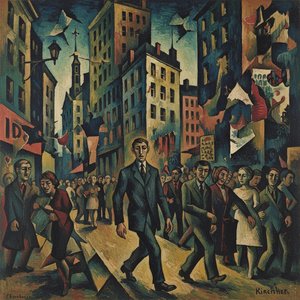
Ernst Ludwig Kirchner: Expressionism's Urban Anxiety & the Fragmentation of Modern Identity
Explore the powerful world of Ernst Ludwig Kirchner and German Expressionism. Discover his iconic paintings, Die Brücke group, and the movement's exploration of urban anxiety & modern identity. Expert analysis for collectors & enthusiasts.

Evocations of Place: A Historical Journey Through Landscape Art
Explore the rich history of landscape art with OriginalUniqueArt. Discover renowned artists, movements like Impressionism & Romanticism, and expert guidance for collecting timeless pieces. Find your perfect serene escape today!


