

 معاينة الحجم الواقعي
 إرسال
إرسال مشاركة
 عرض التفاصيل
 دليل الأعمال الفنية للطلاب

 تحميل
تحميل
 قطع مشابهة
 الأشعة السينية
 عرض شرائح متتابع
 الإحصائيات
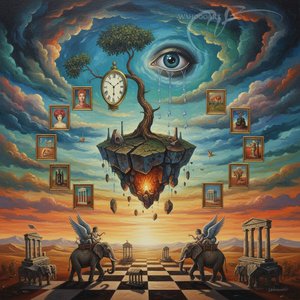
untitled (3545)

 اقرأ المزيد
إن العمل الفني المعروض في هذه الصفحة محمي بموجب قوانين حقوق الطبع والنشر، مما يعني أنه لا يحق لنا قانوناً إنشاء أو بيع نسخ مطابقة له. وتُطبق هذه الحماية بموجب الاتفاقيات الدولية مثل الـ اتفاقية برن ووفقاً للقوانين الوطنية، بما في ذلك تلك المنصوص عليها في قانون حقوق الطبع والنشر في الولايات المتحدة - الباب 17.
وكبديل قانوني ومحترم، نقدم أعمالاً فنية مخصصة ومرسومة يدوياً مستوحاة من العمل الأصلي. حيث يقوم فنانونا المهرة والمحترفون بدراسة أسلوب العمل الأصلي، وأجوائه، وجوهره الفني بعناية فائقة لابتكار قطعة جديدة وفريدة تثير الشعور ذاته - مع بقائها عملاً أصيلاً بحد ذاته.
تتوافق هذه الطريقة تماماً مع لوائح حقوق النشر لأنها لا تتضمن نسخ أو تكرار العمل الفني المحمي، بل هي إعادة تفسير إبداعية؛ أي أنها لوحة جديدة مستوحاة من الأصل ولكنها ليست مطابقة له.
نسخة زيتية مصنوعة يدوياً
لوحة زيتية مرسومة يدوياً على الكانفاس بالمقاس والإطار الذي تفضله، تُنفذ حسب الطلب على أيدي فنانينا. ( التبديل إلى المطبوعات التحويل إلى الصورة الرقمية)




































اختر من بين أحجامنا المُعدّة مسبقاً والتي تتوافق مع النسب الأصلية للعمل الفني.

أدخل العرض والارتفاع اللذين تحتاجهما، ليتناسب العمل مع إطارك أو جدارك. وبما أن هذه اللوحة مرسومة يدوياً، ففي حال اختيار مقاس بشكل مختلف، يمكن للفنان رسم مساحة إضافية حول الصورة أو تقليصها قليلاً — الخيار لك. سنرسل لك نموذجاً رقمياً تجريبياً لاعتماده قبل البدء في الرسم. علماً بأن الصورة المعروضة في هذه الصفحة لا تعكس النتيجة النهائية الحقيقية — فالنموذج التجريبي هو الوحيد الذي يوضح ذلك بدقة.
بعد إتمام الطلب، سيرسل فريق OriginalUniqueArt.com بريداً إلكترونياً للعميل لطلب التعليمات وتزويده بمعاينة تجريبية (mockup).
توصيل عالمي إلى خلال 3 إلى 4 أسابيع بدلاً من المدة المعتادة البالغة 5 أسابيع. (22 أكتوبر). جودة لا تهاون فيها.

شحن سريع ومجاني لجميع أنحاء العالم

قماش كتان فاخر

تأمين شامل على الشحن

ضمان استرداد الرسوم الجمركية

ضمان دقة مطابقة الألوان

سياسة الإرجاع خلال 100 يوم (في حالات العيوب فقط)

ضمان استرداد نقدي بنسبة 100%

عرض خصم الكميات
 خيار الزجاج متاح فقط للمقاسات التي تقل عن 110 سم

untitled (3545)
وسيط إعادة الإنتاج
مقاس النسخة المطبوعة
-


إجمالي السعر
E£ 23235
نبذة عن الفنان
مهندس الأحلام: حياة ورؤية إرنست فوكس
لم يكن إرنست فوكس (1930–2015) مجرد رسام عابر، بل كان رؤيوياً متعدد التخصصات، نسج خيوط النحت والعمارة والموسيقى والشعر ليخلق كوناً فريداً من نوعه، يشبه الهلوسة في سحره. ولد فوكس في فيينا خلال حقبة من التحولات التاريخية العميقة، وخرج من أنقاض حقبة ما بعد الحرب ليس مثقلاً باليأس، بل متعطشاً عطشاً لا يرتوي لكل ما هو سامٍ وجليل. بدأت رحلle في العالم الملموس للنحت، وهو الانضباط الذي غرس فيه تقديراً دائماً للشكل والجوهر؛ هذا التأسيس المبكر سمح له بالتعامل مع اللوحة ليس كسطح مسطح، بل كفضاء ذي عمق معماري وحضور مادي، حيث يمكن للشخصيات أن تتنفس داخل مشاهد حلمية شُيدت بدقة متناهية.
ويكمن جوهر إرث فوكس في دوره كركيزة مؤسسة لـ مدرسة فيينا للواقعية الخيالية. هذه الحركة، التي تأسست عام 1946 إلى جانب أعلام مثل فريدنسرايش هوندرتواسر وأرنولف راينر، سعت لتجاوز جفاف التجريد الصرف عبر تبني واقع رمزي فائق التفاصيل. وبفضل تأثره العميق بالأعماق النفسية للنماذج الأصلية اليونغية وأسرار الخيمياء التحويلية، استخدم فوكس فنه لمواجهة القلق الوجودي من خلال عدسة الجمال العميق. وغالباً ما تبدو أعماله كنافذة تطل على اللاوعي الجمعي، حيث تتلاشى الحدود باستمرار بين العالم المادي والعالم الروحي.
تقنية "ميش تيكنيك" وإتقان الضوء
إن ما يميز روائع فوكس حقاً هو البراعة التقنية في أسلوبه المعروف بـ mischtechnik—وهو إحياء ثوري لتقنيات التلوين الشفاف التي سادت في عصر النهضة. فمن خلال وضع طبقات من الطلاء الشفاف فوق أسطح مُعدة بعناລະ، حقق توهجاً داخلياً مضيئاً يبدو وكأنه ينبعث من قلب الطلاء نفسه. وقد سمحت له هذه الطريقة بالتقاط التفاعل الدقيق بين الضوء والظل، مما منح موضوعاته حيوية تكاد تكون خارقة للطبيعة. وسواء كان يصور الشخصيات اللحمية المزعجة في أعماله التعبيرية، أو الزخارف الحالمة والمترفة في تكويناته الأكثر خيالية، فإن الدقة التقنية ليده ضمنت أن تساهم كل ضربة فرشاة في خلق شعور بواقعية طاغية.
وقد كانت هذه السيطرة على التقنية بمثابة الوعاء المثالي للغته الرمزية المعقدة، حيث يمكن للمرء في لوحاته أن يواجه:
- إيحاءات كلاسيكية: دمج الأطلال الرومانية وجماليات عصر النهضة لاستحضار شعور بالخلود.
- التحول البيولوجي: شخصيات تبدو في حالات من التغير المستمر، مما يعكس موضوعات النمو والتحلل والبعث.
- الرمزية الروحية: انخراط عميق مع الأيقونات الدينية، التي أُعيد تصورها من منظور سريالي وصوفي في كثير من الأحيان.
إرث مكتوب بالحجر والروح
لم تكن الدوافع الإبداعية لفوكس محصورة أبداً داخل جدران المرسم؛ فقد أظهرت مساعيه المعمارية، وأبرزها ترميمه لـ فيلا أوتو واجنر في هوتلدورف، قدرته على تجسيد رؤاه الداخلية في العالم المادي. ومن خلال تحويل هذا الهيكل المهجور إلى متحف إرنست فوكس، أنشأ ملاذاً دائماً للسحر ذاته الذي قضى حياته في توثيقه. لقد عكست عملية الترميم هذه فلسفته الفنية: أخذ الأجزاء المتكسرة من الواقع وإعادة تجميعها لتصبح شيئاً متسامياً وكاملاً.
وبينما نتأمل مسيرته الحافلة، تظل الأهمية التاريخية لإرنست فوكس غير منقوصة؛ فقد وقف كجسر يربط بين التقاليد الكلاسيكية لكبار الأساتذة القدامى والتعقيدات النفسية للعصر الحديث. ومن خلال تفانيه الراسخ في الواقعية الخيالية، ذكّر العالم بأنه حتى في أحلك العصور، تمتلك المخيلة البشرية القدرة على بناء سماوات من الضوء واللون والعجب اللامتناهي. ولا تزال أعماله تطاردنا وتلهمنا، كشهادة على حياة عُاشت عند نقطة التقاء المرئي وغير المرئي.

إرنست فوكس
1930 - 2015 , إيطاليا
لمحة سريعة
- Artistic Movement Or Style: الواقعية الخيالية
- Artists Or Movements Influenced By This Artist:
- ماكس بيتشتاين
- هاينريش كامبندونك
- إدوارد مونك
- هنري مور
- Artists Who Influenced This Artist:
- غوستاف كليمت
- إيغون شيله
- Date Of Birth: 1930
- Date Of Death: 2015
- Full Name: إرنست فوكس
- Nationality: نمساوي
- Notable Artworks:
- بدون عنوان (5591)
- بدون عنوان (8257)
- الوردية الحزينة
- Place Of Birth: فيينا، إيطاليا
مقالات ذات صلة

Romantic Realism's Finest: 10 Masterpieces for Your Home | OriginalUniqueArt
Explore 10 defining masterpieces of Romantic Realism! Discover Courbet, Millet & Daumier's powerful paintings—capturing emotion and social realities. Find museum-quality reproductions for your home at OriginalUniqueArt.com.

Ernst Fuchs: A Visionary of Fantastic Realism & His Enduring Legacy
Explore the captivating world of Ernst Fuchs & the Vienna School of Fantastic Realism. Discover his unique 'mischtechnik', iconic symbolism, and lasting influence on visionary art. Expert insights for collectors.

The Enduring Allure of the Nude: A Historical & Artistic Exploration of the Human Form
Explore the captivating history of nude art! Discover iconic paintings & artists from classical to modern eras. Uncover symbolism, techniques & find museum-quality reproductions at OriginalUniqueArt.

أعمال ماكس إرنست الخالدة: 25 تحفة فنية تزين منزلك بجمال السريالية
اكتشف 25 تحفة فنية لماكس إرنست، رائد السريالية! استكشف قصص لوحاته المذهلة وتقنياته الفريدة. أضف لمسة من الفن الحديث والألوان الزيتية إلى ديكور منزلك مع OriginalUniqueArt.com. تسوق الآن!
أعلى 10 روائع تحدد حركة السريالية: فن وإلهام لديكور من OriginalUniqueArt
اكتشف روائع حركة السريالية! استكشف 10 لوحات خالدة لدالي، ماغritte وغيرهم. قصص الفنانين، تقنيات فريدة وأكثر مع OriginalUniqueArt.com – وجهتك للتحف الفنية وإعادة الإنتاج عالية الجودة. تسوق الآن!