

 معاينة الحجم الحقيقي
 مشاركة
 مشاركة
 التفاصيل

 تحميل الملف
 قطع مشابهة
 الأشعة السينية
 عرض شرائح
Pharaoh's Army Marching
 1880
1880 89.0 x 117.0 cm
 عرض المزيد
احصل على صورة رقمية عالية الدقة ومعزّنة، بجودة تفوق بكثير المعاينة عبر الإنترنت.
يتم إعداد كل ملف بعناية فائقة من قبل متخصصينا الداخليين باستخدام أدوات متقدمة ولمسات يدوية خبيرة. نضمن أن تتمتع كل صورة بوضوح استثنائي، ودقة لونية متناهية، وتفاصيل دقيقة.
يتم تسليم الملف النهائي عبر البريد الإلكتروني في غضون 72 ساعة، وهو مُحسَّن للاستخدام الفوري في المجالات المهنية والتحريرية ومجالات الطباعة. هذه هي ذات الجودة التي تعتمد عليها كبرى استوديوهات التصميم ودور النشر والمعارض الفنية المرموقة.
صورة رقمية
حمّل ملفاً عالي الدقة للعرض الشخصي، والطباعة، والمشاريع الإبداعية. ( اشترِ نسخة مطبوعة اشترِ لوحة مرسومة يدويًا)
مزايا مُضمّنة في كل طلب صورة رقمية
تسليم رقمي احترافي، مضمون
عندما تختار OriginalUniqueArt.com، فأنت لا تحصل على مجرد صورة فحسب، بل ستحصل على عمل فني رقمي مُحسّن باحترافية، صُمم بدقة متناهية ومصحوب بضمان الرضا. إليك كل ما يتضمنه طلبك تلقائياً:

تسليم سريع عبر البريد الإلكتروني
ستصلك ملفات صورك الرقمية عالية الدقة عبر البريد الإلكتروني في غضون 72 ساعة من إتمام الطلب - لتكون جاهزة للاستخدام الفوري.

ملف رقمي مُحسّن بالذكاء الاصطناعي
يتم تحسين عملك الفني باحترافية باستخدام أدوات الذكاء الاصطناعي المتقدمة والتحرير اليدوي، لضمان أقصى درجات التفاصيل والوضوح ودقة الألوان.

إعادة إرسال مجانية مدى الحياة
هل حذفت ملفك أو فقدته عن طريق الخطأ؟ لا تقلق - سنعيد إرساله إليك في أي وقت، ومجاناً.

بدون رسوم استيراد - على الإطلاق
استمتع بأعمالك الفنية فوراً دون أي رسوم جمركية أو ضرائب أو مصاريف شحن - فالتحميلات الرقمية دائماً ما تكون معفاة من الضرائب.

ضمان دقة الألوان
نحن نضمن أن تعكس صورتك الرقمية الألوان الأصلية بأقصى قدر ممكن من الدقة، وذلك باستخدام أدوات احترافية وتقنيات إدارة الألوان.

ضمان الرضا لمدة 60 يومًا
إذا لم تكن راضياً عن صورتك الرقمية، فسنقوم بتعديلها أو استرداد 100% من قيمتها خلال 60 يوماً - دون أي أسئلة.

ضمان استعادة الأموال بنسبة % 100
لم تكن راضياً؟ احصل على استرداد كامل المبلغ خلال 60 يومًا من استلام ملفك الرقمي - دون أي أسئلة.

خصومات الطلبات الكبيرة
اشتري 3 صور، ووفر 10% - اشتري 5، ووفر 15% - اشتري +10، ووفر 20%. مثالية للمشاريع الإبداعية، والمعارض، والوكالات.
السيرة الذاتية للفنان
Erastus Salisbury Field: A Victorian Visionary of Stonehenge
Erastus Salisbury Field (May 19, 1805 in Leverett, Massachusetts – June 28, 1900 in Sunderland, Massachusetts) stands as a compelling figure within the landscape of 19th-century American art. More than simply a portrait painter, Field was a master of evocative storytelling through image, blending elements of folk art, historical illustration, and nascent photography to create works that resonate with both regional identity and grand, romantic themes. His career, spanning over seven decades, offers a fascinating glimpse into the evolving artistic sensibilities of a nation grappling with industrialization and searching for its visual narrative.
Born into a family deeply rooted in rural Massachusetts, Field’s early life was shaped by an appreciation for craftsmanship and a keen observational eye. His initial training, though rudimentary, involved sketching portraits under the guidance of local artists – a crucial step that instilled him with the fundamental skills of likeness and composition. This foundation proved surprisingly adaptable as he later embraced new techniques and styles, demonstrating a remarkable capacity to synthesize diverse influences into his own unique artistic voice.
The Limner’s Path: Portraits and Regional Identity
Field's early career was defined by his role as a “limner,” a term that aptly describes the itinerant portrait painters who thrived in New England during the 19th century. These artists traveled extensively, offering their services to rural communities – often capturing families, prominent citizens, and cherished pets. Unlike the formal studios of established artists, the limner’s practice was characterized by informality, direct engagement with clients, and a willingness to work within the constraints of a single sitting. Field quickly mastered this approach, developing a distinctive style that prioritized capturing “a good likeness” – not through meticulous detail or academic precision, but through a sensitive understanding of human expression and character.
His portraits are notable for their immediacy and warmth. He eschewed the elaborate costumes and theatrical poses favored by some of his contemporaries, instead presenting subjects in familiar settings and engaging them in natural conversation. This approach fostered a sense of intimacy and authenticity that resonated deeply with his clientele, establishing Field as a trusted chronicler of local life.
A Shift Towards Historical Narrative and Photographic Influence
As the 19th century progressed, Field’s artistic focus began to shift. The rise of photography presented both a challenge and an opportunity for artists like Field. While photographic portraiture gained popularity as a more efficient and accessible means of capturing likenesses, it also spurred Field to experiment with new techniques and approaches. He became fascinated by the process of reproduction, initially through collodion printing, and later by incorporating elements of photography into his own paintings.
This experimentation culminated in his ambitious “Historical Monument of the American Republic,” a monumental canvas depicting key moments in American history – from the arrival of Columbus to the Civil War. The painting is a remarkable synthesis of historical research, artistic skill, and imaginative vision. Field drew inspiration from architectural models and plans for the Centennial Exposition of 1876, creating a fantastical cityscape populated by iconic figures and symbolic representations of national values. The work demonstrates his growing interest in grand narratives and his ability to translate complex ideas into visually compelling imagery.
A Legacy of Regional Vision
Erastus Salisbury Field’s legacy extends beyond the individual works that survive today. He represents a vital link between the traditions of folk art and the emerging artistic currents of the 19th century. His paintings offer a unique window into the social, cultural, and historical landscape of rural New England – capturing not only the faces of his subjects but also the spirit of a region grappling with change and defining its own identity.
His distinctive style—characterized by flattened forms, simplified details, and a focus on evocative storytelling—continues to fascinate art historians and collectors alike. Field’s work stands as a testament to the enduring power of visual narrative and the remarkable creativity of an artist who found his voice in the heartland of America.
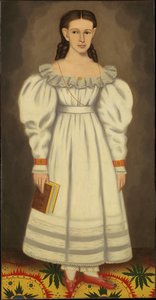
erastus salisbury field
1805 - 1900
لمحة سريعة
- Artistic Movement Or Style: Folk art, Portraiture
- Artists Or Movements Influenced By This Artist: ['Limner Tradition']
- Artists Who Influenced This Artist: ['Samuel F. B. Morse']
- Date Of Birth: May 19, 1805
- Date Of Death: June 28, 1900
- Full Name: Erastus Salisbury Field
- Nationality: American
- Notable Artworks:
- The Embarkation of Ulysses
- The Death of the First Born
- Nathaniel Bassett
- Place Of Birth: Leverett, Massachusetts

