
 معاينة الحجم الحقيقي
 مشاركة
 مشاركة
 التفاصيل

 تحميل الملف
 قطع مشابهة
 الأشعة السينية
 عرض شرائح
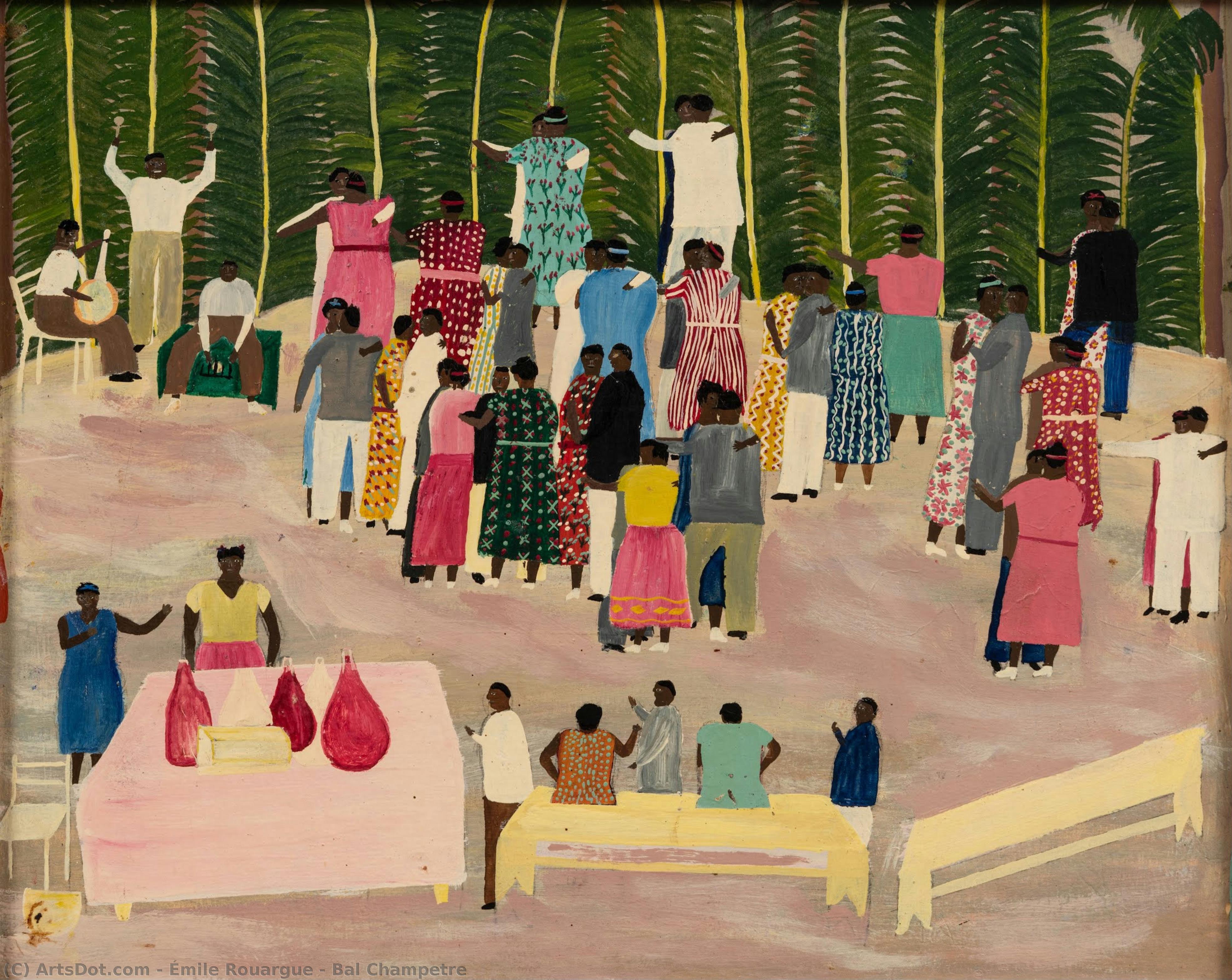
Bal Champetre


 عرض المزيد
احصل على صورة رقمية عالية الدقة ومعزّنة، بجودة تفوق بكثير المعاينة عبر الإنترنت.
يتم إعداد كل ملف بعناية فائقة من قبل متخصصينا الداخليين باستخدام أدوات متقدمة ولمسات يدوية خبيرة. نضمن أن تتمتع كل صورة بوضوح استثنائي، ودقة لونية متناهية، وتفاصيل دقيقة.
يتم تسليم الملف النهائي عبر البريد الإلكتروني في غضون 72 ساعة، وهو مُحسَّن للاستخدام الفوري في المجالات المهنية والتحريرية ومجالات الطباعة. هذه هي ذات الجودة التي تعتمد عليها كبرى استوديوهات التصميم ودور النشر والمعارض الفنية المرموقة.
صورة رقمية
حمّل ملفاً عالي الدقة للعرض الشخصي، والطباعة، والمشاريع الإبداعية. ( التحويل للنسخة المطبوعة التحويل إلى لوحة مرسومة يدوياً)
مزايا مُضمّنة في كل طلب صورة رقمية
تسليم رقمي احترافي، مضمون
عندما تختار OriginalUniqueArt.com، فأنت لا تحصل على مجرد صورة فحسب، بل ستحصل على عمل فني رقمي مُحسّن باحترافية، صُمم بدقة متناهية ومصحوب بضمان الرضا. إليك كل ما يتضمنه طلبك تلقائياً:

تسليم سريع عبر البريد الإلكتروني
ستصلك ملفات صورك الرقمية عالية الدقة عبر البريد الإلكتروني في غضون 72 ساعة من إتمام الطلب - لتكون جاهزة للاستخدام الفوري.

ملف رقمي مُحسّن بالذكاء الاصطناعي
يتم تحسين عملك الفني باحترافية باستخدام أدوات الذكاء الاصطناعي المتقدمة والتحرير اليدوي، لضمان أقصى درجات التفاصيل والوضوح ودقة الألوان.

إعادة إرسال مجانية مدى الحياة
هل حذفت ملفك أو فقدته عن طريق الخطأ؟ لا تقلق - سنعيد إرساله إليك في أي وقت، ومجاناً.

بدون رسوم استيراد - على الإطلاق
استمتع بأعمالك الفنية فوراً دون أي رسوم جمركية أو ضرائب أو مصاريف شحن - فالتحميلات الرقمية دائماً ما تكون معفاة من الضرائب.

ضمان دقة الألوان
نحن نضمن أن تعكس صورتك الرقمية الألوان الأصلية بأقصى قدر ممكن من الدقة، وذلك باستخدام أدوات احترافية وتقنيات إدارة الألوان.

ضمان الرضا لمدة 60 يومًا
إذا لم تكن راضياً عن صورتك الرقمية، فسنقوم بتعديلها أو استرداد 100% من قيمتها خلال 60 يوماً - دون أي أسئلة.

ضمان استعادة الأموال بنسبة % 100
لم تكن راضياً؟ احصل على استرداد كامل المبلغ خلال 60 يومًا من استلام ملفك الرقمي - دون أي أسئلة.

خصومات الطلبات الكبيرة
اشتري 3 صور، ووفر 10% - اشتري 5، ووفر 15% - اشتري +10، ووفر 20%. مثالية للمشاريع الإبداعية، والمعارض، والوكالات.
السيرة الذاتية للفنان
The Architectural Visions of Émile Rouargue
Émile Jean Horace Vernet, known as émile rouargue (Paris, 1796 – Epône, 1865), occupies a fascinating niche in the history of 19th-century French printmaking. Though not a household name like some of his contemporaries, Rouargue and his brother Adolphe carved out a significant space for themselves with their captivating engravings of architectural fantasies and meticulously detailed cityscapes. Their work wasn’t born from direct observation alone; it was an imaginative synthesis of real places, historical styles, and a burgeoning romantic sensibility that resonated deeply with the public.
Rouargue's career unfolded during a period of rapid social and artistic change. The Napoleonic era had recently concluded, leaving France eager to rebuild—both physically and culturally. The rise of the middle class created a new market for affordable art, and printmaking flourished as a means of disseminating images widely. While many artists focused on historical or allegorical subjects, Rouargue found success in depicting the built environment, albeit often an idealized or imagined one. He wasn’t simply documenting existing structures; he was constructing visions of grandeur, order, and beauty.
A Collaborative Practice: Rouargue Frères
The story of Émile Rouargue is inextricably linked to that of his brother, Adolphe. Together they formed a highly effective artistic partnership, dividing labor and complementing each other’s skills. While the precise nature of their collaboration remains somewhat unclear—it's often difficult to attribute specific works definitively to one brother or the other—they operated as “Rouargue Frères,” presenting a unified front to the art market. Their engravings were frequently published in periodicals, reaching a broad audience hungry for visual stimulation and escapism. This accessibility was key to their popularity; they weren’t catering to an elite clientele but rather to a growing segment of society that valued both artistry and affordability.
The British Museum holds several examples of their work, attesting to the international reach of their engravings. These prints often showcase elaborate architectural designs—palaces, churches, public squares—populated with figures engaged in everyday life. The level of detail is remarkable, capturing not only the broad forms of buildings but also the textures of stone, the play of light and shadow, and the nuances of human interaction. It’s this attention to detail that lends their work a sense of realism, even when depicting fantastical scenes.
Themes and Techniques
Rouargue's engravings are characterized by several recurring themes. A fascination with classical architecture is evident in many of his works, reflecting the enduring influence of ancient Greece and Rome on French artistic taste. He frequently depicted European cities—Paris, Venice, Rome—but often infused them with an idealized quality, removing blemishes and emphasizing their most picturesque aspects. The architectural fantasies are particularly striking, showcasing elaborate designs that blend different styles and create a sense of otherworldly beauty.
Technically, Rouargue was a skilled engraver, employing precise lines and subtle shading to create depth and texture. His work demonstrates a mastery of the engraving process, allowing him to translate complex compositions onto paper with remarkable clarity. The use of light and shadow is particularly effective, creating a sense of drama and atmosphere. He often utilized cross-hatching and stippling techniques to build up tonal values and add visual interest.
Legacy and Historical Significance
While Émile Rouargue may not be as widely recognized today as some of his more famous contemporaries, his work offers a valuable glimpse into the artistic sensibilities of 19th-century France. His engravings reflect the era’s fascination with architecture, its romantic yearning for beauty and order, and its growing demand for affordable art. The collaborative nature of his practice—working alongside his brother Adolphe—also speaks to the dynamics of the art market during this period.
Rouargue's legacy lies in his ability to create captivating visions of the built environment that resonated with a broad audience. His work wasn’t simply about documenting reality; it was about constructing idealized worlds, offering escapism and inspiration to those who sought it. Today, his engravings remain a testament to the enduring power of printmaking and the artistic imagination.

émile rouargue
1796 - 1865 , France
لمحة سريعة
- Artistic Movement Or Style: Engraving, Illustration
- Date Of Birth: 1796
- Date Of Death: 1865
- Full Name: Émile Rouargue
- Nationality: French
- Place Of Birth: Paris, France

