Expressionism
Evening (إميل هانسن)
أبدع إميل هانسن (1867–1956) في Evening. تنتمي إلى حركة Expressionism.

 معاينة الحجم الواقعي

 لوحة زيتية مرسومة يدوياً
 مشاركة
 مشاركة
 ورقة الحقائق


 تحميل الملف
 قطع مشابهة
 الأشعة السينية
 عرض شرائح
 الأسئلة والأجوبة

 الإحصائيات
Evening باختصار
- العنوان
- Evening
- الفنان
- إميل هانسن (1867–1956)
- تاريخ ميلاد الفنان
- نولده, الدنمارك
- الحركة
- Expressionism
- الموضوع
- landscape painting, cloudscape artwork, water reflection, dreamlike scene, abstract nature, evening glow”
ماذا يصور Evening؟
A Symphony of Color: Experiencing Emil Nolde’s “Evening”
Emil Nolde's "Evening" is a captivating exploration of light and atmosphere, characteristic of his expressive landscape work. This piece doesn’t depict a literal evening scene, but rather an *emotional* response to one – a distillation of the feeling of twilight rendered in bold color and simplified forms. A dominant, luminous yellow cloud commands attention in the upper left quadrant, acting as a focal point that draws the eye down into the composition. Below, a gradient of blues transitions from deep indigo to lighter turquoise and verdant greens along the horizon line, suggesting water reflecting the celestial drama above.
Expressionism & The Power of Color
- Stylistic Roots: Nolde was a key figure in early 20th-century Expressionism, a movement that prioritized subjective experience and emotional impact over realistic representation. “Evening” exemplifies this approach through its non-naturalistic color palette and abstracted forms.
- Technique & Materials: The artwork appears to be executed in watercolor or gouache, evidenced by the fluidity of the washes and blending of colors. Nolde masterfully employs these techniques to create a sense of atmospheric depth despite the flattened perspective. Visible brushstrokes add texture and energy.
- Influences: While forging his own path, Nolde was influenced by artists like Vincent van Gogh and Paul Gauguin, particularly their use of intense color to convey emotion. He also drew inspiration from traditional folk art and primitive masks, evident in the bold outlines and simplified shapes.
Symbolism & Emotional Resonance
The symbolism within “Evening” is subtle yet potent. The large yellow cloud can be interpreted as a source of radiant energy or enlightenment – a beacon amidst the darkening sky. The winding body of water, reflecting the colors above, suggests a connection between the earthly and celestial realms. More broadly, Nolde’s landscapes often represent an attempt to connect with nature on a spiritual level.
The overall emotional impact is one of tranquility mixed with a hint of mystery. The stylized representation invites contemplation and allows viewers to project their own feelings onto the scene. Nolde's work frequently evokes a sense of longing or melancholy, reflecting his own complex relationship with the world around him.
Nolde’s Life & Legacy
Born in 1867 in Nordel, Germany, Emil Nolde dedicated himself to art after years working as a wood carver. Despite facing opposition from his family and later persecution under the Nazi regime (his work was deemed “degenerate”), he remained committed to his artistic vision. Nolde’s landscapes, seascapes, and portraits are celebrated for their raw emotional power and innovative use of color. His ability to capture the essence of a place or feeling – rather than simply its appearance – continues to resonate with audiences today.
صور عالية الدقة لـ Evening
إميل هانسن, Evening. ملك عام
ألوان مطابقة للأصل بواسطة خبير رقمي، وملف تمت معالجته بدقة ليكون وفياً لضربات فرشاة الفنان.
امتلك الملف عالي الدقةأسئلة وإجابات حول Evening
ماذا يصور "Evening"؟
تتمثل موضوعات "Evening" في landscape painting, cloudscape artwork, water reflection, dreamlike scene, abstract nature, evening glow”, “stylized landscape”.
هل العمل "Evening" ضمن الملكية العامة؟
أما بخصوص حقوق الطبع والنشر، فإن "Evening" تندرج ضمن ملك عام - انتهت مدة حماية حقوق الطبع والنشر الخاصة به.
من هو الفنان الذي أبدع "Evening"؟
الفنان الذي أبدع عمل "Evening" هو إميل هانسن، والعمل مُدرج تحت اسم إميل هانسن.
إلى أي حركة فنية ينتمي العمل "Evening" للفنان إميل هانسن؟
ينتمي العمل "Evening" إلى مدرسة Expressionism، وهي المدرسة التي تمثل التقليد الفني الذي يندرج ضمنه هذا العمل.
إلى أي مرحلة من مسيرة إميل هانسن الفنية ينتمي العمل "Evening"؟
ينتمي العمل "Evening" إلى الفترة Mature Period من مسيرة إميل هانسن المهنية، مما يربط هذا العمل بمراحل تطور الفنان الفني.
ما هي الأسباب الكامنة وراء الوضع القانوني لحقوق الطبع والنشر لـ "Evening" للفنان إميل هانسن؟
يُعد عمل "Evening" للفنان إميل هانسن من الأعمال التي تندرج ضمن ملك عام - انتهت مدة حماية حقوق الطبع والنشر الخاصة به؛ حيث تُحتسب مدة حماية حقوق الطبع والنشر بدءاً من تاريخ وفاة الفنان في عام 1956.
كيف تندرج لوحة "Evening" ضمن المسيرة الفنية لـ إميل هانسن؟
تتشارك لوحة "Evening" مع أعمال إميل هانسن الأخرى أسلوبها الذي ينتمي إلى Expressionism وموضوعاتها المتكررة: german romanticism influence, nature's ethereal beauty", "symbolic, spiritual themes", expressionist color theory, reflects coastal landscapes, nolde's personal visions.
هل تُعد "Evening" نموذجاً لما اعتاد إميل هانسن على إبداعه عادةً؟
تتضمن الثيمات المتكررة لدى إميل هانسن موضوع german romanticism influence, nature's ethereal beauty", "symbolic, spiritual themes", expressionist color theory, reflects coastal landscapes, nolde's personal visions؛ بينما يركز عمل "Evening" على landscape painting, cloudscape artwork, water reflection, dreamlike scene, abstract nature, evening glow”, “stylized landscape”.
عن الفنان، إميل هانسن
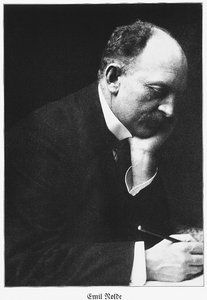
1867–1956, الدنمارك
إميل هانسن
حياة إميل نولده وهويته الفنية وُلد هانس إميل هانسن في السابع من أغسطس عام 1867، وهو الرجل الذي سيُعرف لاحقًا باسم إميل نولده، ونشأ بالقرب من قرية نولده في دوقية شلسفيغ. تشكلت سنواته الأولى تحت تأثير الحياة الريفية والزراعية التي عاشتها عائلته، إلا أنه اختار في نهاية المطاف الابتعاد عن هذا المسار، مفضلاً العمل كنحات للخشب ومزخرف للأثاث. كانت هذه الأعمال اليدوية الملموسة والمجهدة هي التمهيد الذي سبق تحوله نحو عالم الرسم والطباعة الفنية، حيث اتخذ اسمه الفني وسيلة لترسيخ هوية مستقلة تماماً عن التوقعات التي فرضتها عليه عائلته. تميز حضوره في أوائل القرن العشرين بالتوجه نحو العوالم الداخلية والذاتية؛ فباعتباره أحد أوائل رواد المدرسة التعبيرية، سعى إميل نولده لتجاوز المظاهر السطحية للأشياء.
وأيضاً لـ إميل هانسن
 Sunset
 Sea with Red Sky
 Couple on the beach1903
 Masks1911
مقالات حول Evening
 Masterpieces of Emotion: The Top 25 Vincent van Gogh ArtworksImmerse yourself in the vibrant world of Vincent van Gogh. Explore 25 iconic Post-Impressionist masterpieces, from Starry Night to Sunflowe…
 Chasing Shadows: The Enchanting Beauty of Dim Light in Impressionist MasterpiecesDiscover the ethereal magic of Impressionist nightscapes. Explore how masters like Monet and Whistler captured the alchemy of moonlight, sh…
 Unveiling Inner Worlds: Exploring Psychological Depth in 20th & 21st Century ArtExplore the profound psychological themes within 20th & 21st-century art. Discover Expressionism, Surrealism & more – and learn how to coll…