
 معاينة الحجم الواقعي
 إرسال
إرسال مشاركة
 عرض التفاصيل
 دليل الأعمال الفنية للطلاب

 تحميل
تحميل
 قطع مشابهة
 الأشعة السينية
 عرض شرائح متتابع
 الإحصائيات
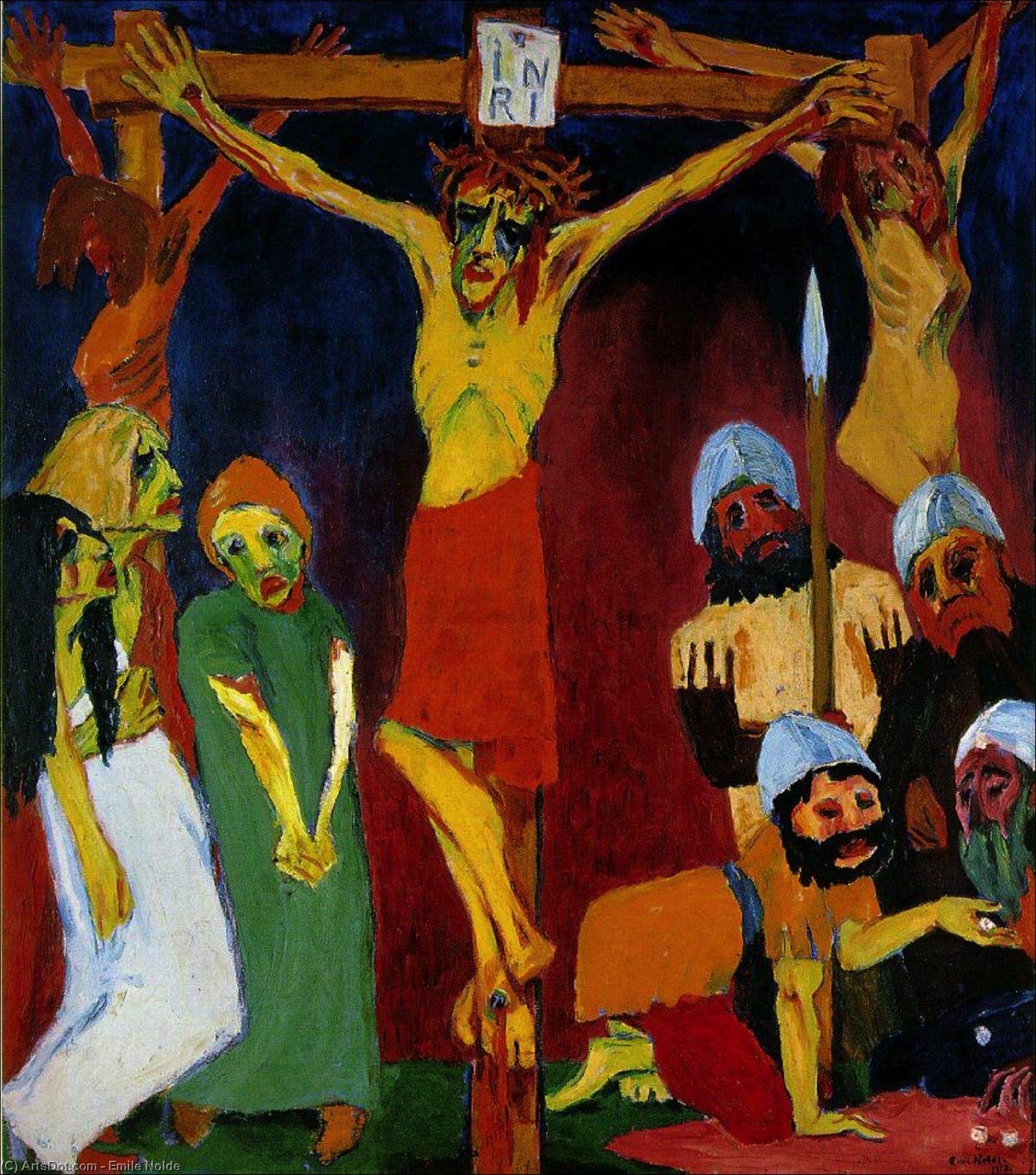
Crucifixion,
 Acrylic On Canvas
- WallArt
- Expressionist Symbolism
 1912
1912- 19th Century
 221.0 x 194.0 cm
 اقرأ المزيد
طباعة جيلي / مطبوعات فنية
طباعة جيكلي أو كانفاس بجودة المتاحف، مع سرعة في التنفيذ وخيارات متنوعة للتشطيب. ( اطلب نسخة مرسومة يدويًا التحويل إلى الصورة الرقمية)




P118B E£10

P118H E£10

P118W E£10

P438Z E£10

P508JH E£12

P508YH E£12

P805H E£10

P805Z E£10

P919BZ E£10

P919G E£10

P919XJ E£10

P959ZH E£10

P968JZ E£12

W106C E£8

W218G E£10

W218JH E£8

W218Y E£10

W307PJ E£10

W316G E£10

W316PJ E£8

W316Y E£10

W398PJ E£8

W4111J E£10

W500HY E£15

W500JH E£15

W692G E£12

W849H E£8

W940BG E£15

W953PJ E£8




اختر من بين أحجامنا المُعدّة مسبقاً والتي تتوافق مع النسب الأصلية للعمل الفني.

يمكنك إدخال أبعاد خاصة لتناسب إطاراً أو مساحة معينة. وفي حال عدم تطابق الحجم المختار مع نسب الصورة الأصلية، سنقوم إما بقص العمل الفني أو تمديد الصورة باستخدام حافة معكوسة أو لون مصمت. وسيتم إرسال نموذج تجريبي رقمي لاعتمادك قبل بدء عملية الإنتاج.
يرجى ملاحظة أن المعاينة على الشاشة لا تعكس عملية القص أو التمديد الفعلية؛ حيث سيوضح النموذج التجريبي فقط التكوين النهائي بدقة.
وعلى الرغم من توفر أحجام مخصصة، إلا أننا نوصي باختيار أبعاد من القائمة المحددة مسبقاً للحفاظ على النسب الأصلية.
توصيل عالمي إلى خلال أسبوعين بدلاً من المدة القياسية البالغة 4/5 أسابيع. (14 أكتوبر)

شحن سريع ومجاني لجميع أنحاء العالم

قماش كتان فاخر

تأمين شامل على الشحن

ضمان استرداد الرسوم الجمركية

ضمان دقة مطابقة الألوان

سياسة الإرجاع خلال 100 يوم (في حالات العيوب فقط)

ضمان استرداد نقدي بنسبة 100%

عرض خصم الكميات
 خيار الزجاج متاح فقط للمقاسات التي تقل عن 110 سم

Crucifixion,
طباعة جيلي / مطبوعات فنية
مقاس النسخة المطبوعة
-


إجمالي السعر
E£ 4165
A Profound Meditation on Suffering: Emil Nolde's Crucifixion (1912)
Emil Nolde’s Crucifixion, painted in 1912, is not merely a depiction of a biblical event; it’s a visceral exploration of human suffering and faith rendered with an arresting intensity. Measuring 221 x 194 cm, this canvas immediately commands attention with its dramatic composition and the artist's signature use of bold, expressive color. Nolde, deeply influenced by the works of Van Gogh and Gauguin, alongside a fascination with primitive art forms – particularly the raw emotion conveyed through masks and carvings – sought to bypass representational accuracy in favor of conveying profound spiritual truths. The painting’s power resides not just in its subject matter but in the artist's ability to translate complex emotions onto the canvas with remarkable directness.
Subject Matter and Composition
The scene is unequivocally the crucifixion of Christ, a cornerstone event in Christian theology. Nolde meticulously portrays Jesus on the cross, his body contorted in agony, arms outstretched in a gesture both vulnerable and defiant. The surrounding figures – a solitary figure to the left and another to the right, along with a throng gathered around the base of the cross – are not simply observers; they are participants in this monumental drama. Their postures, expressions, and spatial arrangement contribute to the painting’s dynamic tension, reflecting the emotional weight of the moment. Notably, the inclusion of a knife adds an element of unsettling ambiguity, perhaps symbolizing betrayal or the inherent violence within human nature.
Technique and Color – A Language of Emotion
- Impasto Technique: Nolde employs a thick impasto technique, layering paint with considerable texture. This creates a palpable sense of physicality, emphasizing the roughness of the wood, the vulnerability of Christ’s body, and the raw emotion conveyed through the figures' expressions.
- Bold Color Palette: The artist utilizes a vibrant, almost jarring color palette – deep reds, blues, and yellows – to heighten the emotional impact. These colors are not used realistically but rather expressively, amplifying the sense of suffering and spiritual intensity.
- Simplified Forms: Nolde simplifies forms, reducing figures to their essential shapes, further intensifying the painting’s symbolic power. This stylistic choice aligns with his broader interest in exploring primal emotions and spiritual truths through a non-naturalistic lens.
Symbolism and Historical Context
Painted during a period of significant artistic experimentation and religious questioning, Crucifixion reflects the anxieties and spiritual searches of early 20th-century Europe. The painting’s raw emotionality speaks to a desire for authentic experience beyond traditional religious dogma. The scene itself is laden with symbolism – Christ's sacrifice representing redemption, faith, and hope amidst despair. Nolde’s deliberate rejection of academic conventions aligns him with the Expressionist movement, which sought to convey subjective emotions rather than objective reality. The painting was created in 1912, a year marked by social unrest and political upheaval, suggesting a deeper engagement with themes of human suffering and injustice.
Emotional Impact and Artistic Legacy
Crucifixion remains a profoundly moving work of art. Its power lies in its ability to evoke empathy and contemplation, prompting viewers to confront the fundamental questions of faith, suffering, and redemption. Nolde’s masterful use of color, texture, and composition creates an unforgettable image that continues to resonate with audiences today. This hand-painted reproduction offers a unique opportunity to experience the full force of Nolde's artistic vision – a testament to his enduring legacy as one of Germany’s most important Expressionist painters.
الأسئلة والأجوبة
ما هي الوسائط المستخدمة في تنفيذ "Crucifixion," للفنان إميل نولده؟
تعتمد التقنية المستخدمة في "Crucifixion," للفنان إميل نولده على Acrylic On Canvas. وتهدف النسخ المطبوعة إلى محاكاة مظهر هذه التقنية.
ما هو اللون السائد في "Crucifixion," للفنان إميل نولده؟
تطغى على "Crucifixion," للفنان إميل نولده مسحة من اللون Golden Yellow Range.
هل ألوان "Crucifixion," للفنان إميل نولده زاهية أم خافتة؟
تتميز لوحة "Crucifixion," للفنان إميل نولده بدرجة تشبع تبلغ Clear Color Presence وكثافة لونية تصل إلى Balanced.
ما هي المساحة التي تتناغم مع ألوان "Crucifixion," للفنان إميل نولده؟
تتناغم ألوان Dark في لوحة "Crucifixion," للفنان إميل نولده مع المساحة الموصى بها لها: وهي Living Room.
ما مدى حدة الألوان في "Crucifixion," للفنان إميل نولده؟
تتميز شدة ألوان "Crucifixion," بأنها Balanced. وتصف الشدة مدى قوة ووضوح الألوان.
إلى أي حركة فنية وأي عصر تنتمي لوحة "Crucifixion," للفنان إميل نولده؟
تنتمي لوحة "Crucifixion," إلى حركة Expressionist Symbolism، وقد أبدعها فنان عاش في عصر القرن التاسع عشر.
ما هو المكان الأنسب لتنسيق "Crucifixion," للفنان إميل نولده؟
تتمثل حقيقة التنسيق (Portrait) والمساحة الموصى بها (Living Room) في المعلومات المسجلة لـ "Crucifixion," للفنان إميل نولده.
ما هو الأصل الوطني الذي يقف وراء Expressionist Symbolism عمل "Crucifixion,"؟
أُنجز العمل الذي ينتمي إلى مدرسة Expressionist Symbolism بعنوان "Crucifixion," على يد فنان وُلد في ألمانيا.
نبذة عن الفنان
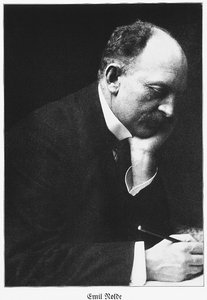
إميل نولده: حياة ورؤية فنية ثورية
ولد هانس إميل هانسن، المعروف لاحقًا باسم إميل نولده، في السابع من أغسطس عام 1867 في قرية نولده بشمال ألمانيا. نشأ في أسرة متجذرة في الحياة الريفية والتقاليد الدينية العميقة، وهي عوامل أثرت بشكل كبير على رؤيته الفنية اللاحقة. على الرغم من معارضة والديه الأولية لرغبته في ممارسة الفن، مفضلين مسارًا وظيفيًا أكثر تقليدية، إلا أن نولده سعى بلا هوادة لتحقيق شغفه. بدأ حياته المهنية كنجار للأخشاب ومزخرف للأثاث قبل أن يكرس نفسه بالكامل للرسم في أواخر العشرينات من عمره.
التطور الفني والاتجاهات المؤثرة
تميزت رحلة نولده الفنية بالتعليم الذاتي والاستكشاف المستمر. سافر على نطاق واسع، مستوعبًا تأثيرات ثقافية وفنية متنوعة. تأثر في بداياته بفنانين مثل فنسنت فان جوخ وبول غوغان والفنون الشعبية التقليدية – وخاصة القوة التعبيرية للأقنعة والمنحوتات البدائية. أثارت هذه اللقاءات اهتمامه بالألوان الجريئة والأشكال المبسطة والموضوعات المشحونة بالعاطفة. جرب في البداية الواقعية والانطباعية، لكنه سرعان ما انحرف نحو أسلوب أكثر ذاتية وتعبيرية.
"دي بروكه" والتحول التعبيري
في عام 1905، شارك نولده في تأسيس مجموعة “دي بروكه” (Die Brücke) أو “الجسر”، وهي حركة فنية ألمانية تعبيرية محورية. سعت هذه المجموعة إلى الابتعاد عن التقاليد الأكاديمية والتعبير عن المشاعر الداخلية من خلال التجارب الفنية الجذرية. كان مساهمة نولده في "دي بروكه" كبيرة؛ فقد دفع استخدامه المكثف للألوان والأشكال المشوهة حدود التمثيل التقليدي. ومع ذلك، حافظ على مسار مستقل إلى حد ما داخل المجموعة، وغالبًا ما انحرف في موضوعاته وأسلوبه.
الموضوعات الرئيسية والأسلوب الفني المتميز
يتميز إنتاج نولده الفني بمجموعة من الموضوعات المتكررة: المشاهد الدينية والمناظر الطبيعية ولوحات البحار والصور الشخصية. كان مفتونًا بشكل خاص بقوة الأقنعة – سواء كأشياء مادية أو تمثيلات رمزية للمشاعر البدائية. يتميز أسلوبه الفني بما يلي:
- الألوان الجريئة والنابضة بالحياة المستخدمة لنقل الشدة العاطفية
- الأشكال المشوهة التي تؤكد التعبير على التمثيل الواقعي
- تقنية الإمباستو – التطبيق السميك للطلاء لخلق الملمس
- التركيز على التقاط الحالات النفسية الداخلية
أعمال بارزة وإنجازات فنية
خلال مسيرته المهنية، أنتج نولده مجموعة واسعة من الأعمال الفنية. تشمل بعض لوحاته الأكثر شهرة:
- الأقنعة (1906-1907) – التي تعرض اهتمامه بالفنون البدائية
- سخرية المسيح (1909) – مشهد ديني قوي ومؤثر عاطفياً
- بحر الخريف (1908) - يوضح لوحاته التعبيرية للمناظر الطبيعية.
- حديقة الزهور (الفتاة والغسيل) (1907)
- الرقص حول العجل الذهبي (1909)
على الرغم من مواجهة النقد والرقابة خلال نظام النازي – حيث تم اعتبار عمله “منحطًا” – استمر نولده في الرسم سرًا. أنتج مجموعة كبيرة من اللوحات المائية خلال هذه الفترة، مما يدل على التزامه الراسخ بالتعبير الفني.
الأهمية التاريخية والإرث الدائم
أثر استخدام إميل نولده المبتكر للألوان والضربات الفرشاة التعبيرية بعمق في أجيال من الفنانين. جسد عمله فجوة بين الفن التمثيلي التقليدي والحركات التجريدية التي تلته. يظل شخصية محورية في تاريخ التعبيرية الألمانية، ويحتفى به لشدته العاطفية وتجاربه الجريئة ورؤيته الفنية الدائمة. يستمر إرثه في إلهام الفنانين وعشاق الفن في جميع أنحاء العالم.
إميل نولده
1867 - 1956 , ألمانيا
لمحة سريعة
- الأعمال البارزة:
- أقنعة
- تهكم بالمسيح
- الاسم الكامل: إميل نولده
- الجنسية: ألماني-دنماركي
- الحركة الفنية: التعبيرية الألمانية
- الفنانون المؤثرون:
- فان جوخ
- بول غوغان
- تاريخ الميلاد: 7 أغسطس 1867
- تاريخ الوفاة: 1956
- مكان الميلاد: نوردل، ألمانيا
مقالات ذات صلة

German Expressionism's 10 Defining Masterpieces | Art for Your Home
Explore 10 defining German Expressionism masterpieces – from Munch's 'The Scream' to Kandinsky’s abstracts. Discover the artists, stories & bold colors behind this powerful art movement. Find museum-quality reproductions at OriginalUniqueArt.com.

Giclée Prints: Archival Quality & Aesthetic Nuances for the Discerning Collector
Explore the world of giclée prints with OriginalUniqueArt. Learn about archival quality, aesthetic nuances & investment potential. Expert guidance for discerning art collectors seeking museum-quality reproductions and lasting value.

The Enduring Legacy of Fine Art Prints: Technique, History & Aesthetic Impact
Explore the rich history & techniques of fine art prints. Discover investment potential, assess authenticity, and learn how to preserve your collection with expert guidance. Trusted insights for discerning collectors.

Echoes of Time: Exploring the Enduring Appeal & Historical Context of Vintage Art Prints
Explore the captivating world of vintage art prints! Discover their history, collecting tips & enduring appeal. Expert insights on chromolithography and building a legacy collection with OriginalUniqueArt.

Bold Strokes & Powerful Visions: 10 Artworks That Command Attention | OriginalUniqueArt
Experience art's raw power! Explore 10 iconic paintings – Van Gogh, Kahlo & more – that define 'bold'. Discover the stories behind these expressive masterpieces and find museum-quality reproductions for your home at OriginalUniqueArt.com.

