

 معاينة الحجم الواقعي
 إرسال
إرسال مشاركة
 عرض التفاصيل
 دليل الأعمال الفنية للطلاب

 تحميل
تحميل
 قطع مشابهة
 الأشعة السينية
 عرض شرائح متتابع
 الإحصائيات
Old Church in Delft
 Oil On Canvas
- WallArt
- Dutch Baroque
 1642
1642- Early Modern
 95.0 x 82.0 cm
 متحف الإرميتاج
 اقرأ المزيد
طباعة جيلي / مطبوعات فنية
طباعة جيكلي أو كانفاس بجودة المتاحف، مع سرعة في التنفيذ وخيارات متنوعة للتشطيب. ( اطلب نسخة مرسومة يدويًا التحويل إلى الصورة الرقمية)




P118B E£10

P118H E£10

P118W E£10

P438Z E£10

P508JH E£12

P508YH E£12

P805H E£10

P805Z E£10

P919BZ E£10

P919G E£10

P919XJ E£10

P959ZH E£10

P968JZ E£12

W106C E£8

W218G E£10

W218JH E£8

W218Y E£10

W307PJ E£10

W316G E£10

W316PJ E£8

W316Y E£10

W398PJ E£8

W4111J E£10

W500HY E£15

W500JH E£15

W692G E£12

W849H E£8

W940BG E£15

W953PJ E£8




اختر من بين أحجامنا المُعدّة مسبقاً والتي تتوافق مع النسب الأصلية للعمل الفني.

أدخل العرض والارتفاع اللذين تحتاجهما، ليتناسب مع إطارك أو جدارك. يمكن قص المطبوعة فقط، ولا يمكن أبداً جعلها أكبر من الصورة الأصلية، لذا فإن أي مقاس بشكل مختلف سيؤدي إلى فقدان جزء من الصورة. سنرسل لك نموذجاً رقمياً تجريبياً لاعتماده قبل البدء في عملية الطباعة. الصورة المعروضة في هذه الصفحة لا توضح القص الفعلي — النموذج التجريبي فقط هو ما يظهر ذلك.
توصيل عالمي إلى خلال أسبوعين بدلاً من المدة القياسية البالغة 4/5 أسابيع. (27 أكتوبر)

شحن سريع ومجاني لجميع أنحاء العالم

قماش كتان فاخر

تأمين شامل على الشحن

ضمان استرداد الرسوم الجمركية

ضمان دقة مطابقة الألوان

سياسة الإرجاع خلال 100 يوم (في حالات العيوب فقط)

ضمان استرداد نقدي بنسبة 100%

عرض خصم الكميات
 خيار الزجاج متاح فقط للمقاسات التي تقل عن 110 سم

Old Church in Delft
طباعة جيلي / مطبوعات فنية
مقاس النسخة المطبوعة
-


إجمالي السعر
E£ 4165
A Breathless Reverie: The Luminous Soul of Delft
In the quiet corners of the Dutch Golden Age, where light performs its most delicate dances, Emanuel de Witte captured something far more profound than mere architecture. His masterpiece, Old Church in Delft, is not simply a record of stone and mortar; it is an invitation into a sacred stillness. While his contemporaries like Pieter Saenredam sought the rigorous precision of architectural truth, De Wiente embarked on a different journey—one of atmosphere and emotion. To stand before this canvas is to enter a world where the boundaries between the physical structure of the Oude Kerk and the spiritual essence of prayer begin to dissolve. The painting breathes with a palpable sense of peace, inviting the viewer to lose themselves in the soft, filtered light that spills through the Gothic windows, illuminating the dust motes of history.
The composition serves as a masterclass in the art of illusionism, a hallmark of De Witte’s unparalleled skill. Through the masterful application of chiaroscuro, he sculpts the vast interior space using nothing but the interplay of deep shadow and brilliant highlights. The eye is drawn through the expansive nave, guided by the rhythmic placement of light that catches the edges of white pillars and the subtle textures of the floor. De Witte does not merely depict a room; he constructs a three-dimensional experience. His brushwork, though remarkably subtle, possesses a decisive strength that lends a profound realism to the scene, making the heavy weight of the Gothic arches feel as tangible as the air itself.
The Human Element and the Drama of Light
Within this grand architectural stage, De Witte introduces a delicate human narrative. Scattered throughout the vastness of the church are small, carefully placed figures—individuals caught in moments of quiet contemplation or casual movement. These figures are not mere decorations; they provide the essential scale necessary to grasp the monumental height of the cathedral's tower and the soaring reaches of its ceiling. Their presence imbues the scene with a sense of lived history, suggesting that these hallowed halls have been the silent witnesses to generations of human hope, grief, and devotion. The way the light falls upon their forms—sometimes highlighting a shoulder, sometimes leaving a face in soft shadow—adds a layer of narrative mystery that keeps the viewer’s gaze wandering through the composition.
For the discerning collector or interior designer, Old Church in Delft offers much more than aesthetic beauty; it offers an atmosphere of timelessness. The painting’s palette, dominated by muted tones, whites, and deep, resonant shadows, provides a sophisticated anchor for any high-end interior. It possesses a unique ability to command attention through its quietude rather than through loud colors. Whether placed in a sunlit gallery or a moody, library-style study, this work brings with it an aura of intellectual depth and spiritual grace. Owning a reproduction of such a piece is an opportunity to curate a space that celebrates the enduring power of light, history, and the sublime beauty of the Dutch Baroque tradition.
الأسئلة والأجوبة
ما هو الموضوع والأجواء التي يجمع بينها "Old Church in Delft" للفنان إيمانويل دي ويت؟
تُصور "Old Church in Delft" للفنان إيمانويل دي ويت موضوعات church interior, dutch art, religious painting, baroque light, architectural detail, delft cathedral, 17th century، في أجواء Calm. ويصف الموضوع والأجواء معاً هذا العمل الفني.
ما هي أنواع الألوان التي يستخدمها "Old Church in Delft"؟
تُشكل ألوان "Old Church in Delft" لوحة ألوان من نوع Earthy. ويصف هذا التصنيف عائلات الألوان المهيمنة.
هل يمكن إعادة إنتاج صورة "Old Church in Delft" للفنان إيمانويل دي ويت بحرية؟
تندرج لوحة "Old Church in Delft" للفنان إيمانويل دي ويت ضمن ملك عام - انتهت مدة حماية حقوق الطبع والنشر الخاصة به. وتحدد هذه الحالة كيفية إعادة إنتاج صورة العمل الفني.
نبذة عن الفنان
حياة في منظور: عالم إيمانويل دي ويت
إيمانويل دي ويت، اسم قد لا يكون مألوفاً بقدر بعض معاصريه في العصر الذهبي الهولندي، إلا أنه يحتل مكانة مهمة ورائعة ضمن صرح أساتذة القرن السابع عشر. وُلد دي ويت في ألكمار عام 1617، وكانت رحلته الفنية محفوفة بمزيج من الموهبة الاستثنائية والاضطراب الشخصي الكبير – وهو ازدواجية تبدو وكأنها تتسرب بخفة إلى جوهر لوحاته. لم يكن مدفوعاً بالتوثيق المعماري الدقيق كبيتر ساينريدام؛ بل كان يسعى لالتقاط إحساس المكان، وجودة الضوء، والدراما الخافتة التي تتكشف داخل الأماكن المقدسة. فلوحاته ليست مجرد تصوير للكنائس؛ إنها تجارب غامرة، تدعو المشاهدين إلى عالم من التأمل الهادئ والرنين الروحي.من التدريب في دلفت إلى احتضان أمستردام
وفرت حياة دي ويت المبكرة أساساً متيناً لمساعيه الفنية. فقد غرسه والده، وهو معلم مدرسة، فيه تقديراً للتعلم والفضول الفكري – وهي صفات تجلت لاحقاً في ملاحظته الدقيقة للمنظور والضوء. وقد دخل العالم الفني رسمياً بالانضمام إلى نقابة القديس لوك في ألكمار عام 1636، لكن فترة تدريبه اللاحقة على يد إيفرت فان آيلست في دلفت هي التي كانت الأكثر تشكيلاً له. فقد نقل إليه فان آيلست، الرسام الشهير للحياة الصامتة، نظرة ثاقبة للتفاصيل وإتقاناً ساحراً للضوء والظل – وهي مهارات أصبحت علامات مميزة لأسلوبه الناضج. في البداية، استكشف دي ويت أنواعاً فنية مختلفة – مثل البورتريهات والمشاهد الأسطورية والسرديات الدينية – ولكن عندما انتقل إلى أمستردام عام 1651، وجد شغفه الحقيقي. فقد وفرت ثروة الكنائس الرائعة في المدينة مصدراً لا ينضب للإلهام، وبدأ يتخصص في تصوير دواخلها المذهلة.سيد الأجواء والمساحات المتخيلة
أثبتت أمستردام أنها نقطة تحول حاسمة في التطور الفني لدي ويت. لم يكتفِ بمجرد تكرار مساحات الكنائس الموجودة؛ بل قام بدمج عناصر من مبانٍ مختلفة ببراعة، خالقاً دواخل مثالية تبدو مألوفة وغريبة الأطوار في آن واحد. وأصبحت كنيسة أووده (Oude Kerk) في أمستردام موضوعاً متكرراً له، حيث ظهرت مراراً وتكراراً على لوحاته من زوايا مختلفة. لكن هذه لم تكن مجرد تصويرات مباشرة. فقد تلاعب دي ويت بالمنظور، ولعب بالضوء والظل، وسكّن المساحات بشخصيات مرتبة بعناية لاستحضار مزاج أو جو معين. وكما لاحظ والتر ليدتكه، كان اهتمامه الأساسي لا يكمن في العمارة بحد ذاتها بل في "المساحة نفسها – ضوؤها ولونها وامتدادها وجوها". هذا التركيز على التأثير الجوي يميزه عن الرسامين أكثر التزاماً بالتوثيق الطوبوغرافي في تلك الحقبة. لم يكن مهتماً بالدقة المطلقة؛ بل كان يهتم بخلق إحساس بالعظمة والوقار والعمق الروحي.حياة مرصعة بالظلال
على الرغم من نجاحه الفني، كانت حياة دي ويت الشخصية تعصف بها المصاعب. فقد جلب موت زوجته الأولى حزناً عميقاً، وألقى الاضطرابات القانونية اللاحقة المتعلقة بزوجته الثانية وابنته بظلال طويلة على سنواته الأخيرة. وقد قادته الصعوبات المالية إلى وضع مهين من الخدمة التبعية لدى تاجر فنون، يوريس دي فايس، وهو موقف انتهك في نهاية المطاف، مما أدى إلى تعقيدات إضافية. ترسم الروايات المعاصرة صورة لمزاج متقلب – رجل يميل إلى الصراخ على الزبائن والانخراط في النزاعات. ربما ساهم هذا الاضطراب الداخلي في عدم اتساق أعماله المتأخرة، ولكنه يضيف أيضاً طبقة أخرى من التعقيد لفهمنا للفنان وإبداعاته. ومأساوياً، انتهت حياة دي ويت بشكل مروع عام 1692 عندما يُقال إنه حاول الانتحار بالشنق من جسر قناة؛ وانقطع الحبل وغرق. كانت نهاية قاتمة لرجل كرس حياته لالتقاط جمال وهدوء الأماكن المقدسة.الإرث والتأثير الدائم
يقف إيمانويل دي ويت كشخصية مهمة في المرحلة الأخيرة من الرسم المعماري في هولندا، حيث جسّر الهوة بين التوثيق الدقيق والتفسير الجوي. وقد أثر استخدامه المبتكر للضوء والمنظور على أجيال الفنانين اللاحقين، ولا تزال لوحاته تقدم رؤى قيمة حول الحياة الدينية والعادات الاجتماعية الهولندية في القرن السابع عشر. اليوم، تُحفظ أعمال دي ويت في مجموعات مرموقة حول العالم – مثل متحف المتروبوليتان للفنون، والمعرض الوطني للفنون، ومتحف ريكس، من بين أماكن أخرى – لتشهد على إرثه الدائم كأستاذ للمنظور والأجواء والرنين العاطفي. ويذكرنا بأن الفن لا يتعلق فقط بما نراه، بل بكيف نشعر عندما ننظر.
إيمانويل دي ويت
1617 - 1692 , هولندا
لمحة سريعة
- Artistic Movement Or Style: الفن الباروكي
- Artists Or Movements Influenced By This Artist: ['فنانون لاحقون']
- Artists Who Influenced This Artist: ['إيفرت فان آيلست']
- Date Of Birth: 1617
- Date Of Death: 1692
- Full Name: إيمانويل دي ويت
- Nationality: هولندي
- Notable Artworks:
- كنيسة أووده في أمستردام...
- داخل كنيسة أووده
- الكنيسة القوطية البروتستانتية
- Place Of Birth: ألكمار، هولندا
مقالات ذات صلة

Dutch Baroque Masters: 10 Paintings That Shaped an Era | OriginalUniqueArt
Journey through the Golden Age with our guide to the Top 10 Dutch Baroque masterpieces! Explore iconic paintings by Rembrandt, Vermeer & Frans Hals. Find museum-quality art reproductions and elevate your home decor at OriginalUniqueArt.com.

أفضل 25 لوحة لفنانٍ عبقري: جوايا يلامس الروح بالفن والتاريخ
اكتشف 25 تحفة فنية لفنان العبقري جوايا! رحلة في عالم لوحاته المؤثرة، من الرومانسية إلى الواقعية. احصل على نسخ عالية الجودة لديكور منزلك الفاخر على OriginalUniqueArt.com

دراما الباروك: إحياء الفخامة والعاطفة في الدواخل المعاصرة
اكتشف سحر الباروك! دليل شامل حول الحركة الفنية، عناصرها الجمالية، وكيفية دمج فخامتها وعاطفتها في الدواخل المعاصرة. نصائح من خبراء OriginalUniqueArt لإضفاء لمسة باروكية على منزلك.
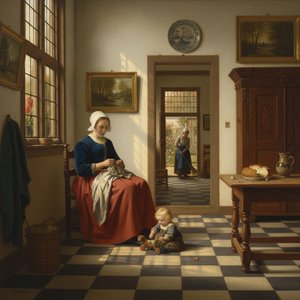
Pieter de Hooch: Illuminating Dutch Domestic Life & Golden Age Charm
Explore the captivating world of Pieter de Hooch, a master of Dutch Golden Age painting. Discover his innovative use of light, intimate domestic scenes, and lasting influence on art history. Learn more at OriginalUniqueArt.

Golden Age Reflections: Dutch Baroque Painting & Cultural Innovation
Explore the Dutch Golden Age of painting! Discover key artists like Vermeer & ter Borch, their innovative techniques, and the rich cultural context behind these Baroque masterpieces. Learn about collecting & appreciating this iconic art period.