التبديل إلى نسخة مطبوعة
 عرض المزيد







































 بالنسبة للأعمال الفنية أو النسخ المطبوعة التي يتجاوز طول أي من أضلاعها 105 سم (حوالي 41 بوصة)، سيتم شحن الإطار كمجموعة مفككة؛ حيث تضمن هذه الطريقة سلامة التوصيل وتمنع حدوث أي أضرار أثناء النقل.


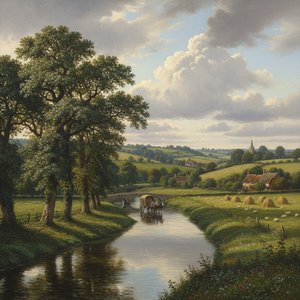
Elioth Gruner was born in New Zealand and arrived in Australia. He studied with Julian Ashton at the Art Society of New South Wales where he met the flamboyant George Lambert, an artist whose work would inspire Gruner. He died in Sydney in 1939, alone and destitute, a few weeks after the declaration of war between Great Britain and the Commonwealth and Germany.Gruner was one of the most popular landscape artists working in Australia in the period from c.1910 to 1939. He was awarded the Wynne Prize for landscape at the Art Gallery of New South Wales no fewer than 7 times from 1916 to 1937.Landscape is one of a number of works painted when Gruner discovered the Murrumbidgee River whilst staying at a property near Yass in 1929. He returned to this area a number of times over the next ten years and produced some of his major late works. The clarity of light in the region particularly impressed him and this is beautifully expressed in this picture.Gruner
الأسئلة والأجوبة
ما مدى سطوع "Landscape" للفنان إليوث غرونر؟
تتميز ألوان "Landscape" بدرجة سطوع تبلغ Gentle Luminance.
هل بقيت "Landscape" في الموطن الأصلي لفنانها؟
لا - العمل الفني موجود خارج البلاد. وُلد إليوث غرونر في نيوزيلندا، بينما تُحفظ اللوحة الأصلية "Landscape" في متحف في أستراليا.
كيف يرتبط موضوع "Landscape" بالمواضيع المعتادة لدى إليوث غرونر؟
يصور "Landscape" موضوعات landscape, rural australia, murrumbidgee river, tranquility, light study, impressionism, australian art, serene valley، بينما تتمثل الثيمات المتكررة لدى إليوث غرونر في late works, light studies, wynne prize winner", heidelberg school, plein air, julian ashton, rural life, australian landscape. وتُظهر المقارنة بينهما مدى ارتباط هذا العمل بالموضوعات المعتادة للفنان.
 معاينة الحجم الواقعي

 مشاركة
 مشاركة
 التفاصيل
 دليل


 تحميل الملف
 قطع مشابهة
 الأشعة السينية
 عرض شرائح
 الأسئلة والأجوبة
 الإحصائيات