Pictorialism · 1920
Sunflower (إدوارد شتايكن, 1920)
أبدع إدوارد شتايكن (1900–1973) في Sunflower. يعود تاريخها إلى 1920. تنتمي إلى حركة Pictorialism. صُنعت من Acrylic On Canvas. تُحفظ في متحف جورج إيستمان في روتشستر, الولايات المتحدة الأمريكية. أبعادها 19 × 24 cm
- 1920
- Acrylic On Canvas
- 19 × 24 cm
- متحف جورج إيستمان, روتشستر

 معاينة الحجم الواقعي

 لوحة زيتية مرسومة يدوياً
 مشاركة
 مشاركة
 ورقة الحقائق


 تحميل الملف
 قطع مشابهة
 الأشعة السينية
 عرض شرائح
 الأسئلة والأجوبة

 الإحصائيات
Sunflower باختصار
- العنوان
- Sunflower
- الفنان
- إدوارد شتايكن (1900–1973)
- تاريخ ميلاد الفنان
- بيفانج, لوكسمبورغ
- التاريخ
- 1920
- الوسيط الفني
- Acrylic On Canvas
- الأبعاد
- 19 × 24 cm
- أين يمكن مشاهدتها
- متحف جورج إيستمان, روتشستر, الولايات المتحدة الأمريكية
- الحركة
- Pictorialism
- الحقبة
- 19th Century
- الموضوع
- sunflower, edward steichen, photography, art, landscape, composition
ماذا يصور Sunflower؟
A Luxembourgian Seed Takes Root: The Genesis of “Sunflower”
Edward Steichen’s 1920 painting, "Sunflower," isn’t merely a depiction of a flower; it's a poignant distillation of memory, displacement, and the enduring search for belonging. Born in the small, unassuming village of Bivange, Luxembourg, in 1879 – a region steeped in history and shadowed by the shifting borders of Europe – Steichen’s early life was marked by an emigration to America at just eighteen months old. This relocation, a common experience for Luxembourgers facing economic hardship, instilled within him a profound sense of rootlessness, a feeling that would subtly permeate his artistic vision throughout his career. The painting itself emerges from this context; it's not simply a botanical study but a visual echo of a past left behind, a yearning for stability amidst constant change.
Steichen’s journey to America was fueled by the hope of opportunity and a desire to escape the limitations imposed by his birthplace. He quickly immersed himself in the vibrant artistic scene of Milwaukee, Wisconsin, where he honed his skills as a lithographer and began experimenting with photography – a medium that would ultimately become his defining voice. This early exposure to both visual arts laid the groundwork for his later ability to capture light, texture, and emotion with remarkable precision.
The Pictorialist’s Palette: Technique and Style
“Sunflower” exemplifies Steichen's mastery of the pictorialist style – a movement that sought to elevate photography to the level of fine art. The painting is rendered in tempera and oil on canvas, utilizing a muted palette dominated by earthy browns, ochres, and subtle greens. These colors evoke the rich soil from which the sunflower springs, grounding the image in a sense of naturalism while simultaneously lending it an air of quiet contemplation. Steichen’s brushwork is deliberately soft and blended, creating a hazy, dreamlike quality that obscures sharp details and invites the viewer to lose themselves within the scene.
The composition itself is carefully constructed. The sunflower dominates the center of the frame, its broad petals radiating outwards in an explosion of color and form. Steichen employs a technique known as *sfumato*, borrowed from Renaissance painting, to soften edges and create a sense of atmospheric perspective. This blurring effect not only adds depth but also contributes to the painting’s overall mood of melancholy and nostalgia. The lighting is particularly noteworthy – a diffused, almost ethereal glow that seems to emanate from within the flower itself, suggesting an inner life and vitality.
Symbolism in Bloom: Memory, Displacement, and Resilience
The sunflower, as a symbol, carries layers of meaning. Historically, it has represented adoration, loyalty, and longevity – qualities that resonate deeply with Steichen’s own experiences. The flower's tendency to follow the sun is often interpreted as a metaphor for seeking guidance and direction in life, a theme particularly relevant to an artist grappling with displacement and uncertainty. The painting can be seen as a visual representation of Steichen’s own journey – his departure from Luxembourg, his struggles to find acceptance in America, and his ongoing quest for artistic fulfillment.
Furthermore, the sunflower's association with remembrance is significant. It’s often used as a symbol of mourning and remembrance, connecting to the broader context of Steichen’s life – marked by personal loss and the challenges of adapting to a new culture. Despite these hardships, however, “Sunflower” ultimately conveys a sense of resilience and hope. The flower's vibrant colors and upward-reaching form suggest an enduring spirit, a testament to the human capacity for growth and renewal.
A Legacy in Light: Steichen’s Enduring Influence
Edward Steichen’s “Sunflower” stands as a powerful example of his artistic vision – a synthesis of technique, symbolism, and personal experience. His pioneering work in photography and painting profoundly influenced generations of artists, shaping the course of modern visual culture. Today, reproductions of this evocative image continue to captivate viewers with their quiet beauty and poignant message. It serves as a reminder that even amidst displacement and hardship, there is always room for growth, remembrance, and the enduring pursuit of light.
أي متحف يضم Sunflower؟
متحف جورج إيستمان
روتشستر, الولايات المتحدة الأمريكية
إرث منقوش بالضوء في قلب المناظر الطبيعية الهادئة والخضراء لمدينة روتشستر بولاية نيويورك، يشمخ صرح ليس مجرد تحفة فنية فحسب، بل هو تجسيد حي لجوهر اختراع السرد البصري ذاته. إن متحف جورج إيستمان يتجاوز كونه مجرد مستودع للصور الفوتوغرافية والأفلام؛ فهو شهادة حية على الرغබه الإنسانية اللامحدودة في التقاط اللحظات العابرة، وحفظ الذكريات الزائلة، ومشاركة الرؤى العميقة. وقد تأسست هذه المؤسسة على يد رائد الأعمال الملهم جورج إيستمان—الرجل الذي جعل التصوير الفوتوغرافي متاحاً للجميع من خلال كاميرات كوداك الثورية—لتجسد ملتقى استثنائياً بين الابتكار التكنولوجي، والتعبير الفني، والعظمة المعمارية.


صور عالية الدقة لـ Sunflower

Protected by copyright: these files are for personal reference, not a licence to republish.
إدوارد شتايكن, Sunflower (1920), متحف جورج إيستمان.
أسئلة وإجابات حول Sunflower
أين تُعرض "Sunflower" للفنان إدوارد شتايكن اليوم؟
يمكنكم مشاهدة العمل الأصلي "Sunflower" في متحف جورج إيستمان, روتشستر, الولايات المتحدة الأمريكية.
في أي عام أُبدع العمل "Sunflower" للفنان إدوارد شتايكن؟
أُبدع العمل الفني "Sunflower" للفنان إدوارد شتايكن في عام 1920.
ما هي التقنية المستخدمة في صنع "Sunflower"؟
نُفذت لوحة "Sunflower" باستخدام Acrylic On Canvas.
ما هي أبعاد "Sunflower" للفنان إدوارد شتايكن في الواقع؟
تبلغ أبعاد العمل الأصلي "Sunflower" للفنان إدوارد شتايكن 24 x 19 cm.
ماذا يصور "Sunflower" للفنان إدوارد شتايكن؟
تتضمن الموضوعات المتضمنة في "Sunflower" للفنان إدوارد شتايكن كلاً من sunflower, edward steichen, photography, art, landscape, composition, color, 1920، والتي تلخص مجتمعةً فحوى العمل الفني.
هل يمكن إعادة إنتاج صورة "Sunflower" للفنان إدوارد شتايكن بحرية؟
تندرج لوحة "Sunflower" للفنان إدوارد شتايكن ضمن نطاق لا تزال محمية بموجب حقوق الطبع والنشر، وتحدد هذه الحالة الشروط التي يمكن بموجبها إعادة إنتاج صورة العمل الفني.
من هو الفنان الذي أبدع "Sunflower"؟
الفنان الذي أبدع عمل "Sunflower" هو إدوارد شتايكن، والعمل مُدرج تحت اسم إدوارد شتايكن.
إلى أي أسلوب ينتمي "Sunflower"؟
ينتمي العمل "Sunflower" إلى مدرسة Pictorialism، وهي المدرسة التي تمثل التقليد الفني الذي يندرج ضمنه هذا العمل.
إلى أي مرحلة من مراحل تطور إدوارد شتايكن ينتمي العمل "Sunflower"؟
تندرج لوحة "Sunflower" ضمن مرحلة Early Period من مسيرة إدوارد شتايكن المهنية، وهي مرحلة تتيح مقارنة هذا العمل بأعمال الفنان الأخرى.
عن الفنان، إدوارد شتايكن

1900–1973, لوكسمبورغ
إدوارد شتايكن
حياة جسرت العوالم: الملحمة الفنية لإدوارد شتايكن كان إدوارد جان شتايكن، الذي عُرف لاحقًا باسم إدوارد شتايكن، شخصية تجاوزت أي تصنيف بسيط. وُلد في عام 1879 في قرية بيفانج الصغيرة بلجيكا، وتحولت حياته إلى رحلة استثنائية من الجذور الأوروبية ليصبح أحد أكثر الفنانين تأثيرًا في أمريكا – ليس فقط كمصور فوتوغرافي، بل كرسام ومنسق ومفكر أعاد تشكيل طريقتنا في إدراك الثقافة البصرية. اتسمت سنواته المبكرة بنقلة سكنية كبيرة؛ ففي عام 1881، هاجرت عائلة شتايكن إلى هانكوك بميشيغان بحثًا عن فرص جديدة. غرس هذا الانتقال في قلب الشاب إدوارد شعوراً بالغربة وربما حساسية متزايدة للملاحظة – وهي صفات شكّلت رؤيته الفنية بعمق.
وأيضاً لـ إدوارد شتايكن
 Le Tournesol (The Sunflower)1920
 Behind-the-scenes photograph, Paying the Piper1921
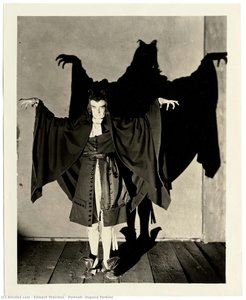 Portrait, Osgood Perkins1923
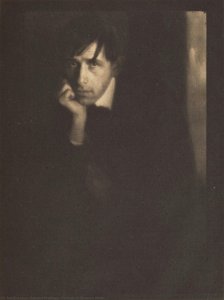 Portrait of Clarence White1905
مقالات حول Sunflower
 Pictorialism Unveiled: How the Aesthetic Revolution Transformed Photography into Fine ArtExplore the revolution of Pictorialism. Discover how visionary photographers moved beyond documentation to transform the lens into a fine a…
 19th Century Masterpieces: 10 Paintings That Defined an Era | OriginalUniqueArtJourney through 19th century art with OriginalUniqueArt! Explore 10 iconic paintings – from Monet & Renoir to Courbet – and discover the st…
 Sunlight on Canvas: The Radiant Symbolism of Yellow Flowers in Impressionist ArtExplore the profound symbolism of yellow flowers in Impressionist art through expert analysis. Discover the light of the masters today.