1923
Lobby card, Java Head (إدوارد شتايكن, 1923)
أبدع إدوارد شتايكن (1900–1973) في Lobby card, Java Head. يعود تاريخها إلى 1923. صُنعت من Print. تُحفظ في Museum of the Moving Image في أستوريا, الولايات المتحدة الأمريكية.
- 1923
- Museum of the Moving Image, أستوريا

 معاينة الحجم الواقعي

 لوحة زيتية مرسومة يدوياً
 مشاركة
 مشاركة
 ورقة الحقائق


 تحميل الملف
 قطع مشابهة
 الأشعة السينية
 عرض شرائح
 الأسئلة والأجوبة

 الإحصائيات
Lobby card, Java Head باختصار
- العنوان
- Lobby card, Java Head
- الفنان
- إدوارد شتايكن (1900–1973)
- تاريخ ميلاد الفنان
- بيفانج, لوكسمبورغ
- التاريخ
- 1923
- الوسيط الفني
- أين يمكن مشاهدتها
- Museum of the Moving Image, أستوريا, الولايات المتحدة الأمريكية
- الحقبة
- Early Modern
- الموضوع
- movie poster, vintage art, lobby card, indian culture, nautical theme, drama scene
ماذا يصور Lobby card, Java Head؟
A Glimpse into Cinematic Drama: The Allure of the Lobby Card
This evocative lobby card for "Java Head," dating back to 1923, transports us directly into the vibrant, dramatic heart of early cinema. It is more than just a promotional piece; it is a carefully constructed tableau vivant, capturing the charged atmosphere that defined silent film epics. The composition immediately draws the eye to the intense interaction between the two central figures. On the left, the gentleman, clad in the formal attire of the era—a suit and tie—leans into the scene with an air of grave seriousness, his posture suggesting a pivotal moment of revelation or confrontation. His gaze seems fixed upon the woman, anchoring the narrative tension.
The Symbolism of Culture and Mystery
The woman on the right introduces layers of exotic mystery to this dramatic exchange. Her adornment, featuring what appears to be elaborate traditional Indian jewelry, immediately suggests a cross-cultural narrative—a common trope in early Hollywood melodramas that allowed for rich visual storytelling. Her head is turned slightly away from the viewer, lending her an air of enigmatic contemplation; she seems caught between the man's intensity and some internal deliberation. The background reinforces this sense of journey and scope with its stylized depiction of a ship upon the ocean. This nautical element hints at themes of passage, separation, or perhaps even escape, grounding the personal drama within a grander, sweeping adventure.
Technique and Vintage Allure
The aesthetic quality of this piece is deeply rooted in the illustrative traditions of the early 20th century. The color palette—dominated by rich blues, warm yellows, and deep reds—is characteristic of period printing techniques, lending the entire image a beautiful patina of age that collectors so adore. While the original medium was likely lithography or high-quality printmaking for theatrical display, its reproduction offers us the chance to own this specific visual language. The overall style is illustrative yet highly polished, embodying the grand spectacle promised by "A Paramount Picture."
Emotional Resonance for the Modern Collector
For the discerning collector or interior designer, this artwork serves as a potent piece of decorative storytelling. It doesn't merely hang on a wall; it narrates a moment suspended in time—a breath held just before the climax. The blend of formal Western attire with richly detailed Eastern costume creates an immediate visual dialogue, sparking conversation and contemplation within any sophisticated space. Owning this reproduction allows one to curate an environment steeped in cinematic romance and historical grandeur, making it a captivating focal point that speaks volumes about an appreciation for art history and dramatic flair.
أي متحف يضم Lobby card, Java Head؟
Museum of the Moving Image
أستوريا, الولايات المتحدة الأمريكية
بوابة إلى البكسلات: الروح السينمائية لحي أستوريا في قلب النبض الحيوي لحي أستوريا في كوينز، يقف متحف الصورة المتحركة كملتقى فريد وساحر تتلاقى فيه الفنون والتكنولوجيا وفنون سرد القصص. إنه أكثر بكثير من مجرد مستودع للقطع الأثرية؛ بل هو تجربة غامرة تنبض بجوهر الحياة المعاصرة. ومن بين الجدران التاريخية لاستوديوهات كوفمان أستوريا—ذلك المعلم الذي ترددت في أرجائه يوماً أصداء الطاقة الإبداعية للعصر الذهبي لهوليوود—يبرز المتحف كشاهد حي على تاريخ السينما.
صور عالية الدقة لـ Lobby card, Java Head

محمية بموجب حقوق الطبع والنشر: تُعرض الصورة لغرض المرجعية فقط.
مقاسات أخرى، واقتطاعات، واقتباس →إدوارد شتايكن, Lobby card, Java Head (1923), Museum of the Moving Image.
أسئلة وإجابات حول Lobby card, Java Head
أين يمكنني مشاهدة العمل الأصلي "Lobby card, Java Head" للفنان إدوارد شتايكن؟
يمكنكم مشاهدة العمل الأصلي "Lobby card, Java Head" في Museum of the Moving Image, أستوريا, الولايات المتحدة الأمريكية.
في أي عام أُبدعت "Lobby card, Java Head" للفنان إدوارد شتايكن؟
تاريخ إبداع "Lobby card, Java Head" للفنان إدوارد شتايكن يعود إلى عام 1923.
ما هي التقنية المستخدمة في صنع "Lobby card, Java Head"؟
تعتمد التقنية المستخدمة في "Lobby card, Java Head" للفنان إدوارد شتايكن على Print، وتهدف النسخ المطبوعة إلى محاكاة مظهر هذه التقنية.
ماذا يصور "Lobby card, Java Head"؟
تتمثل موضوعات "Lobby card, Java Head" في movie poster, vintage art, lobby card, indian culture, nautical theme, drama scene, silent film.
هل "Lobby card, Java Head" للفنان إدوارد شتايكن ضمن الملكية العامة؟
تندرج لوحة "Lobby card, Java Head" للفنان إدوارد شتايكن ضمن نطاق لا تزال محمية بموجب حقوق الطبع والنشر، وتحدد هذه الحالة الشروط التي يمكن بموجبها إعادة إنتاج صورة العمل الفني.
من هو الفنان الذي يُنسب إليه العمل "Lobby card, Java Head"؟
يُنسب العمل "Lobby card, Java Head" إلى إدوارد شتايكن.
كم كان عمر إدوارد شتايكن عند إبداع "Lobby card, Java Head" في عام 1923؟
أبدع إدوارد شتايكن لوحة "Lobby card, Java Head" وهو في سن 23. وُلد الفنان في 1900 ويعود تاريخ هذا العمل إلى 1923.
ما سبب الوضع الحالي لحقوق الطبع والنشر لـ "Lobby card, Java Head"؟
يُعد عمل "Lobby card, Java Head" للفنان إدوارد شتايكن من الأعمال التي تندرج ضمن لا تزال محمية بموجب حقوق الطبع والنشر؛ حيث تُحتسب مدة حماية حقوق الطبع والنشر بدءاً من تاريخ وفاة الفنان في عام 1973.
هل تُحفظ قطعة "Lobby card, Java Head" في البلد الذي ينتمي إليه مبتكرها؟
لا - العمل الفني موجود خارج البلاد. وُلد إدوارد شتايكن في لوكسمبورغ، بينما تُحفظ اللوحة الأصلية "Lobby card, Java Head" في متحف في الولايات المتحدة الأمريكية.
عن الفنان، إدوارد شتايكن

1900–1973, لوكسمبورغ
إدوارد شتايكن
حياة جسرت العوالم: الملحمة الفنية لإدوارد شتايكن كان إدوارد جان شتايكن، الذي عُرف لاحقًا باسم إدوارد شتايكن، شخصية تجاوزت أي تصنيف بسيط. وُلد في عام 1879 في قرية بيفانج الصغيرة بلجيكا، وتحولت حياته إلى رحلة استثنائية من الجذور الأوروبية ليصبح أحد أكثر الفنانين تأثيرًا في أمريكا – ليس فقط كمصور فوتوغرافي، بل كرسام ومنسق ومفكر أعاد تشكيل طريقتنا في إدراك الثقافة البصرية. اتسمت سنواته المبكرة بنقلة سكنية كبيرة؛ ففي عام 1881، هاجرت عائلة شتايكن إلى هانكوك بميشيغان بحثًا عن فرص جديدة. غرس هذا الانتقال في قلب الشاب إدوارد شعوراً بالغربة وربما حساسية متزايدة للملاحظة – وهي صفات شكّلت رؤيته الفنية بعمق.
وأيضاً لـ إدوارد شتايكن
 Le Tournesol (The Sunflower)1920
 Behind-the-scenes photograph, Paying the Piper1921
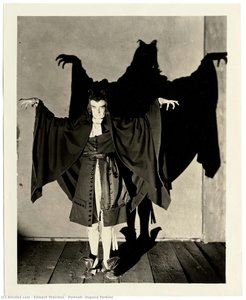 Portrait, Osgood Perkins1923
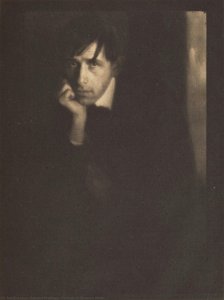 Portrait of Clarence White1905
مقالات حول Lobby card, Java Head
 Pictorialism: A Search for Artistic Photography's Soul – Aesthetics, Techniques & LegacyExplore the captivating world of Pictorialism – a pivotal movement that transformed photography into fine art. Discover key artists like St…
 Crowns of Creativity: A Visual Journey Through History's Most Iconic Headdresses and Artful AdornmentsEmbark on a visual journey through history's most stunning headdresses. From royal crowns to sacred feathers, explore the artistry of iconi…
 25 Must-See Masterpieces at the Smithsonian American Art MuseumExplore 25 iconic works from the Smithsonian American Art Museum. From Hopper to O'Keeffe, find masterpieces on OriginalUniqueArt.com.