

 معاينة الحجم الحقيقي
 مشاركة
 مشاركة
 التفاصيل

 تحميل الملف
 قطع مشابهة
 الأشعة السينية
 عرض شرائح
The Mountains of Thermopylae
 Acrylic On Canvas
- WallArt
- Romantic Landscape Painting
 1852
1852 68.0 x 135.0 cm
 Bristol Museum - Art Gallery
 عرض المزيد
نسخة زيتية مصنوعة يدوياً
لوحة زيتية مرسومة يدوياً على الكانفاس بالمقاس والإطار الذي تفضله، تُنفذ حسب الطلب على أيدي فنانينا. ( اشترِ نسخة مطبوعة اشترِ الصورة)




P118B $10

P118H $10

P118W $10

P438Z $10

P508JH $12

P508YH $12

P805H $10

P805Z $10

P919BZ $10

P919G $10

P919XJ $10

P959ZH $10

P968JZ $12

W106C $8

W218G $10

W218JH $8

W218Y $10

W307PJ $10

W316G $10

W316PJ $8

W316Y $10

W398PJ $8

W4111J $10

W500HY $15

W500JH $15

W692G $12

W849H $8

W940BG $15

W953PJ $8




اختر من بين أحجامنا المُعدّة مسبقًا والتي تتطابق مع النسب الأصلية للعمل الفني.

يمكنك إدخال أبعادك الخاصة لتناسب إطارًا معينًا أو مساحة محددة. وإذا لم يتطابق الحجم الذي اخترته مع نسب الصورة الأصلية، فسنقوم إما بقص العمل الفني أو توسيع اللوحة بإضافة عناصر مرسومة يدويًا. سيتم إرسال نموذج رقمي إليك للموافقة عليه قبل بدء الإنتاج.
يرجى ملاحظة أن المعاينة على الشاشة لا تعكس عملية القص أو التوسيع الفعلية؛ حيث إن النموذج الرقمي وحده هو الذي سيوضح التكوين النهائي بدقة.
وعلى الرغم من توفر أحجام مخصصة، إلا أننا نوصي باختيار أبعاد من القائمة المحددة مسبقًا للحفاظ على النسب الأصلية للعمل الفني.
بعد إتمام الطلب، سيرسل فريق OriginalUniqueArt.com بريداً إلكترونياً للعميل لطلب التعليمات وتزويده بمعاينة تجريبية (mockup).
توصيل عالمي إلى خلال 3 إلى 4 أسابيع بدلاً من المدة المعتادة البالغة 5 أسابيع. (20 أغسطس). جودة لا تهاون فيها.

شحن سريع ومجاني لجميع أنحاء العالم

قماش كتان عالي الجودة

تأمين شحن شامل

ضمان استرداد الرسوم الجمركية

ضمان مطابقة الألوان الحقيقية

سياسة الإرجاع خلال 60 يومًا (في حالات العيوب فقط)

ضمان استرداد نقدي بنسبة 100%

خصم عند طلب عدة قطع
 خيار الزجاج متاح فقط للمقاسات التي تقل عن 110 سم

The Mountains of Thermopylae
خامة إعادة الإنتاج
مقاس النسخة المطبوعة
-


السعر الإجمالي النهائي
$ 300
وصف العمل الفني
Edward Lear’s Thermopylae: A Landscape of Quiet Resolve
Edward Lear (1812–1888), a figure largely remembered for his delightfully absurd verse and whimsical illustrations—particularly “The Owl and the Pussy Cat”—possessed an artistic sensibility far exceeding popular perception. Born into a sprawling family in Holloway, North London, Lear’s formative years were shaped by both considerable familial hardship and an undeniable predisposition towards visual artistry. His father, Jeremiah Lear, wrestled with financial difficulties following the Napoleonic Wars, forcing young Edward to begin earning a living through his drawings at just fifteen, fostering a lifelong dedication that would propel him across continents and imbue his work with a singular blend of observation and imaginative reimagining. This early exposure to adversity instilled within him a contemplative spirit—a quiet solitude—that profoundly influenced his artistic vision, as evidenced by his breathtaking landscape paintings like “The Mountains of Thermopylae.”A Vision Steeped in Observation and Impressionism
Painted in 1852 during Lear’s extensive travels through Greece and Italy, "The Mountains of Thermopylae" exemplifies Lear's mastery of Impressionistic technique. Executed on canvas with oil paints, the artwork eschews meticulous detail in favor of capturing fleeting atmospheric conditions—a deliberate choice reflecting Lear’s fascination with light and color as expressive tools. Unlike academic painters preoccupied with precise representation, Lear prioritized conveying mood and emotion through subtle tonal variations and blended brushstrokes. The artist skillfully employed layering techniques to build up depth and texture, mirroring the rugged grandeur of the Thermopylae mountains themselves. This approach aligns perfectly with the burgeoning Impressionist movement, which championed capturing immediate sensory experience rather than idealized depictions.The Landscape as Emblematic Symbolism
Beyond its technical prowess, “The Mountains of Thermopylae” resonates deeply with symbolic significance rooted in historical context. The painting commemorates the heroic defense of Thermopylae by a small Spartan force against the overwhelming Persian army in 480 BC—a pivotal moment in Greek history symbolizing courage, resilience, and unwavering commitment to principle. Lear’s depiction of towering mountains serves as an allegory for steadfastness and fortitude, mirroring the Spartans' determination to hold their ground despite insurmountable odds. The azure sea beneath represents tranquility juxtaposed with danger, reflecting the precarious nature of freedom and the constant vigilance required to safeguard it. Furthermore, the sparse figures on the cliff face underscore the importance of unity and collective resolve—themes central to the Spartan ethos.Emotional Resonance: Tranquility Amidst Struggle
Despite its connection to a dramatic historical event, “The Mountains of Thermopylae” exudes an unexpected serenity. Lear’s masterful use of color—primarily shades of purple and blue—creates a calming visual atmosphere that invites contemplation. The harmonious composition draws the eye upwards towards the peaks of the mountains, fostering a sense of aspiration and grandeur. However, beneath this surface tranquility lies an unspoken acknowledgement of hardship—a subtle reminder that true strength resides not merely in physical prowess but also in inner resilience. Lear’s painting transcends mere landscape depiction; it communicates a profound emotional truth about confronting adversity with grace and unwavering conviction. It's a piece designed to inspire awe and contemplation, reminding viewers of the enduring power of beauty amidst struggle—a testament to Lear’s remarkable ability to distill complex ideas into evocative visual form.A Reproduction Worthy of Distinction
OriginalUniqueArt.com offers exceptional reproductions of “The Mountains of Thermopylae,” meticulously crafted by skilled artisans using archival-quality materials. These reproductions faithfully capture the original artwork’s luminosity and textural nuances, allowing collectors and interior designers alike to experience Lear's vision firsthand. Invest in a stunning print that brings this iconic landscape into your home—a beautiful reminder of courage, contemplation, and the enduring legacy of Edward Lear.السيرة الذاتية للفنان
Edward Lear (1812-1888): The Poet of Nonsense and Light
Edward Lear, a name synonymous with whimsical verse and delightfully peculiar illustrations, was far more than the purveyor of limericks and fantastical creatures that often define his legacy. Born in 1812 in Holloway, North London, into a family teeming with twenty-one children, Lear’s early life was marked by both financial instability and a burgeoning artistic talent. His father, Jeremiah Lear, faced hardship after the Napoleonic Wars, forcing young Edward to begin earning a living through his drawings at the tender age of fifteen. This necessity, however, ignited a lifelong passion that would see him traverse continents and capture the world in vibrant hues and playful lines. The shadow of familial difficulty, coupled with early health challenges – including epilepsy and bouts of melancholia he termed “the Morbids” – instilled within Lear a sense of gentle solitude and an inclination towards imaginative escape, qualities profoundly reflected in his art and writing. Lear's artistic journey began with meticulous precision. Initially employed by the Zoological Society, he honed his skills illustrating birds and animals, demonstrating a remarkable eye for detail and anatomical accuracy. This early work brought him to the attention of Edward Stanley, the 13th Earl of Derby, who commissioned Lear to document the exotic creatures within his private menagerie at Knowsley Hall. These years spent amongst lions, tigers, and parrots not only refined his draftsmanship but also fostered a deep connection with the natural world – a connection that would permeate his later landscapes. He possessed an extraordinary ability to render animals with breathtaking realism, capturing their textures, postures, and expressions with unparalleled sensitivity. This dedication to scientific observation served as a cornerstone of his artistic development, shaping his meticulous approach to detail even as he explored more expressive styles in his mature years.From Ornithological Precision to Landscape’s Embrace
Lear's artistic journey began with meticulous precision. Initially employed by the Zoological Society, he honed his skills illustrating birds and animals, demonstrating a remarkable eye for detail and anatomical accuracy. This early work brought him to the attention of Edward Stanley, the 13th Earl of Derby, who commissioned Lear to document the exotic creatures within his private menagerie at Knowsley Hall. These years spent amongst lions, tigers, and parrots not only refined his draftsmanship but also fostered a deep connection with the natural world – a connection that would permeate his later landscapes. However, failing eyesight and respiratory issues eventually led him away from the exacting demands of ornithological illustration. He turned instead to landscape painting, embarking on extensive travels throughout Europe and beyond. Italy became a particular haven, offering not only respite for his health but also an abundance of inspiring vistas. His landscapes are characterized by a unique blend of topographical accuracy and atmospheric sensitivity, often rendered in delicate watercolors that capture the subtle nuances of light and shadow. He absorbed the colors and textures of these diverse regions, developing a distinctive style characterized by atmospheric perspective and delicate brushwork.The Poet of Nonsense: A World Unbound
Lear’s literary contributions solidified his place in artistic history. While celebrated as a painter, it is perhaps for his poetic innovations that Edward Lear is most widely remembered. His “nonsense” poetry – particularly his limericks – revolutionized children’s literature and captivated audiences of all ages. *A Book of Nonsense*, published in 1846 under the pseudonym "Derry down Derry," introduced a world populated by owls and pussycats sailing in pea-green boats, dongs with luminous noses, and other delightfully absurd creations. These verses weren’t merely frivolous; they were imbued with a subtle melancholy and a playful subversion of conventional logic. Lear didn't simply invent nonsense words; he crafted entire worlds governed by their own internal rules, inviting readers to suspend disbelief and embrace the joy of imagination. He challenged conventions and liberated verse from rigid structures—a bold move that foreshadowed many developments in modern poetry. His limericks often explored themes of loneliness, longing, and the absurdity of existence, cloaked within a veneer of whimsicality. Lear’s influence extended far beyond the confines of children's literature. He pioneered a new form of poetic expression, liberating verse from rigid structures and embracing playful experimentation. His landscapes, though often overshadowed by his poetry, demonstrated a keen artistic sensibility and a mastery of watercolor technique. He was a true polymath – artist, illustrator, musician (he composed musical settings for Tennyson’s poems), author, and poet – whose diverse talents converged to create a unique and enduring legacy. His paintings can be found in esteemed collections like The Ashmolean Museum, Oxford, a testament to his skill as a landscape artist. Lear's life, marked by both personal struggles and creative triumphs, serves as a poignant reminder that even amidst darkness, there is always room for light, laughter, and the boundless possibilities of the human spirit. He died peacefully in January 1888 at Dulwich Village, London, leaving behind an unparalleled body of work—a testament to his visionary genius and enduring charm.
إدوارد ليار
1812 - 1888 , المملكة المتحدة
حقائق سريعة
- Artistic Movement Or Style: نونسيس
- Date Of Birth: ١٢ مايو ١٨١٢
- Date Of Death: ٢٩ يناير ١٨٨٨
- Full Name: إدوارد ليار
- Nationality: بريطاني
- Notable Artworks:
- العُطّاف والقططس
- الدون اللامع الأنف
- Place Of Birth: لندن، المملكة المتحدة
مقالات ذات صلة

أفضل 10 لوحات طبيعية رومانسية غيرت مسار الفن وجمّلت الديكور | OriginalUniqueArt
اكتشف 10 روائع فنية رسمت مسار الفن الرومانسي! استكشف لوحات فريدريش، مالارد وأكثر. قصص الفنانين، تقنيات الرسم، وجمال المناظر الطبيعية الخلابة. احصل على أعمال فنية عالية الجودة من OriginalUniqueArt.com!
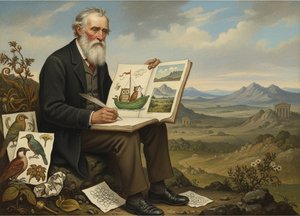
Edward Lear: A Life Beyond Nonsense – Landscape, Illustration & the Poetics of Isolation
Explore the life of Edward Lear beyond his nonsense poems. Discover his stunning landscape paintings, travel illustrations & the poignant themes of isolation in this expert art history analysis.
Beyond the Horizon: 10 Landscape Masterpieces for Your Home Decor
Journey through 10 breathtaking landscape paintings by Monet, Van Gogh & more! Explore iconic artworks, artistic techniques & find inspiration for your home decor. Museum-quality reproductions at OriginalUniqueArt.com. Discover all masterpieces on OriginalUniqueArt.com

Evocations of Place: A Historical Journey Through Landscape Art
Explore the rich history of landscape art with OriginalUniqueArt. Discover renowned artists, movements like Impressionism & Romanticism, and expert guidance for collecting timeless pieces. Find your perfect serene escape today!

The Sublime and the Picturesque: Exploring Emotion & Nature in Romantic Landscape Painting
Explore the emotional power of Romantic landscape painting! Discover the sublime & picturesque traditions, key artists like Friedrich & Cole, and find your perfect artwork at OriginalUniqueArt.

