

 معاينة الحجم الواقعي
 إرسال
إرسال مشاركة
 عرض التفاصيل
 دليل الأعمال الفنية للطلاب

 تحميل
تحميل
 قطع مشابهة
 الأشعة السينية
 عرض شرائح متتابع
 الإحصائيات
Summer


 اقرأ المزيد
نسخة زيتية مصنوعة يدوياً
لوحة زيتية مرسومة يدوياً على الكانفاس بالمقاس والإطار الذي تفضله، تُنفذ حسب الطلب على أيدي فنانينا. ( التبديل إلى المطبوعات التحويل إلى الصورة الرقمية)




P118B E£10

P118H E£10

P118W E£10

P438Z E£10

P508JH E£12

P508YH E£12

P805H E£10

P805Z E£10

P919BZ E£10

P919G E£10

P919XJ E£10

P959ZH E£10

P968JZ E£12

W106C E£8

W218G E£10

W218JH E£8

W218Y E£10

W307PJ E£10

W316G E£10

W316PJ E£8

W316Y E£10

W398PJ E£8

W4111J E£10

W500HY E£15

W500JH E£15

W692G E£12

W849H E£8

W940BG E£15

W953PJ E£8




اختر من بين أحجامنا المُعدّة مسبقاً والتي تتوافق مع النسب الأصلية للعمل الفني.

يمكنك إدخال أبعاد خاصة لتناسب إطاراً أو مساحة معينة. وفي حال عدم تطابق الحجم المختار مع نسب الصورة الأصلية، سنقوم إما بقص العمل الفني أو توسيع اللوحة عبر إضافة عناصر مرسومة يدوياً. وسيتم إرسال نموذج رقمي إليك للموافقة عليه قبل بدء عملية الإنتاج.
يرجى ملاحظة أن المعاينة على الشاشة لا تعكس عملية القص أو التوسيع الفعلية؛ إذ إن النموذج الرقمي هو الوحيد الذي يوضح التكوين النهائي بدقة.
وعلى الرغم من توفر أحجام مخصصة، إلا أننا نوصي باختيار أبعاد من القائمة المحددة مسبقاً للحفاظ على النسب الأصلية للعمل الفني.
بعد إتمام الطلب، سيرسل فريق OriginalUniqueArt.com بريداً إلكترونياً للعميل لطلب التعليمات وتزويده بمعاينة تجريبية (mockup).
توصيل عالمي إلى خلال 3 إلى 4 أسابيع بدلاً من المدة المعتادة البالغة 5 أسابيع. (10 أكتوبر). جودة لا تهاون فيها.

شحن سريع ومجاني لجميع أنحاء العالم

قماش كتان فاخر

تأمين شامل على الشحن

ضمان استرداد الرسوم الجمركية

ضمان دقة مطابقة الألوان

سياسة الإرجاع خلال 100 يوم (في حالات العيوب فقط)

ضمان استرداد نقدي بنسبة 100%

عرض خصم الكميات
 خيار الزجاج متاح فقط للمقاسات التي تقل عن 110 سم

Summer
وسيط إعادة الإنتاج
مقاس النسخة المطبوعة
-


إجمالي السعر
E£ 15405
The Artist's Inspiration
Edward Atkinson Hornel was a Scottish artist known for his captivating depictions of landscapes and figures. His work often featured women and children in natural settings, showcasing his ability to capture the beauty of the human form. In Summer, Hornel has symbolized the season through the figure of a girl chasing a butterfly, surrounded by lush greenery and vibrant flowers.The Painting's Style and Technique
The painting's style is reminiscent of Japanese art, with its flat, decorative design and emphasis on pattern and color. The use of bold brushstrokes and vivid hues creates a sense of energy and movement, drawing the viewer into the scene. As noted by OriginalUniqueArt.com, Hornel's technique is characterized by a focus on capturing the emotional and psychological depth of his subjects.Notable Features and Similar Works
Some notable features of Summer include its use of symbolism, with the butterfly representing freedom and joy. The painting is also notable for its sense of movement and energy, created through the use of bold brushstrokes and vibrant colors. Similar works by Edward Atkinson Hornel can be found at the Walker Art Gallery in Liverpool, including A Galloway Idyll and Blossom Time, Brighouse Bay. For more information on these paintings, visit OriginalUniqueArt.com.- Key elements of the painting: vibrant colors, sense of movement and energy, symbolism
- Influences: Post-Impressionism, Japanese art
- Similar works: A Galloway Idyll, Blossom Time, Brighouse Bay
The Summer painting by Edward Atkinson Hornel is a beautiful representation of the season, characterized by its vibrant colors and sense of joy. As a masterpiece of Scottish art, it continues to inspire and delight audiences today. For those interested in learning more about Hornel's work, visit Wikipedia or explore the collection at Walker Art Gallery.
الأسئلة والأجوبة
أين يمكنني شراء نسخة مرسومة يدوياً من "Summer" للفنان Edward Atkinson Hornel؟
يمكنكم طلب نسخة مرسومة يدوياً من "Summer" للفنان Edward Atkinson Hornel مباشرة عبر هذه الصفحة: نسخة زيتية مرسومة يدوياً على قماش الكتان، وتُنفذ حسب الطلب.
هل يمكنني مشاهدة "Summer" كعرض شرائح بملء الشاشة؟
يمكن مشاهدة العرض المتتابع لـ "Summer" في صفحة عرض متتابع الخاصة بالعمل الفني.
هل يمكنني استخدام تقنية الواقع المعزز لرؤية "Summer" للفنان Edward Atkinson Hornel في غرفتي؟
تتوفر ميزة المعاينة بالواقع المعزز لـ "Summer": حيث تعرض صفحة معاينة الواقع المعزز العمل الفني في مساحتك الخاصة عبر جهاز متوافق.
كم كان عمر Edward Atkinson Hornel عند إبداع "Summer" في عام 1891؟
عندما أُبدع العمل "Summer" في عام 1891، كان عمر الفنان Edward Atkinson Hornel - المولود في 1864 - هو 27 عاماً.
ما الشعور الذي يمنحه "Summer" كهدية؟
تتناغم النبرة Joyful للوحة "Summer" للفنان Edward Atkinson Hornel مع مناسبة الإهداء المقترحة: Seasonal Gift.
إلى أي فنان يُنسب العمل "Summer"؟
تم إبداع "Summer" بواسطة Edward Atkinson Hornel. وتصف المعلومات الواردة في هذه الصفحة العمل الأصلي لـ Edward Atkinson Hornel.
متى تم إنجاز "Summer"؟
يعود تاريخ "Summer" إلى عام 1891، وهو تاريخ يضع العمل ضمن المسيرة المهنية لـ Edward Atkinson Hornel وفي سياق حقبته الزمنية.
نبذة عن الفنان
The Vibrant Legacy of Edward Atkinson Hornel
Edward Atkinson Hornel stands as a luminous figure in the tapestry of late Victorian and early twentieth-century Scottish art, a painter whose brush captured the delicate intersection of nature and culture. Though his journey began in Bacchus Marsh, Victoria, Australia, his soul was deeply rooted in the rugged beauty of Scotland. Following his family's return to Kirkcudbright in 1866, Hornel’s artistic identity began to coalesce through rigorous formal training at the Edinburgh Art School and later in Antwerp under the guidance of Professor Verlat. This foundational period instilled in him a profound respect for botanical precision and the structural integrity of landscape, elements that would remain central even as his style evolved toward the more experimental and atmospheric.
Upon returning to Scotland in 1885, Hornel found a kindred spirit in George Henry, a partnership that would become a cornerstone of the influential Glasgow Boys movement. Together, they sought to break away from the stale academic traditions of the era, favoring instead a bold, expressive approach to color and texture. Their collaborative masterpiece, “Druids Bringing In The Mistletoe” (1890), serves as a testament to this period of radical experimentation. In this work, Hornel demonstrated an extraordinary mastery over the paint surface itself, utilizing techniques such as layering, scraping, roughening, and staining to create a tactile, rhythmic quality that prioritized emotional resonance and expressive effect over mere photographic accuracy.
The Influence of Japonisme and Aesthetic Refinement
A transformative epoch in Hornel’s career arrived between 1893 and 1894, when he and Henry embarked on a journey to Japan. This immersion into Japanese culture acted as a profound catalyst, reshaping his artistic sensibilities through the lens of Japonisme. The principles of decorative design, flattened spatial arrangements, and the poetic use of negative space found in Japanese prints began to permeate his canvases. His work transitioned from the heavy textures of his earlier years toward a more refined, atmospheric aesthetic characterized by harmonious color palettes and a nuanced approach to drawing.
This period of refinement is beautifully captured in works such as “Japanese Figures in a Garden” (1896) and “Dancing Geisha.” In these paintings, the artist moves beyond simple representation to evoke a sense of serene, fleeting beauty. He masterfully employs soft colors and gentle brushstrokes to depict traditional Japanese attire and tranquil garden settings, creating scenes that feel both intimate and otherworldly. The influence of the East allowed Hornel to blend the lushness of the Scottish landscape with a sophisticated, decorative elegance, making his work uniquely recognizable within the broader Impressionist movement.
A Life Immersed in Art and Heritage
Hornel’s commitment to his craft was matched by his devotion to his home and community. His residence, Broughton House in Kirkcudbright, became more than just a dwelling; it was a sanctuary where architecture and aesthetic passion were inextricably linked. Having remodeled the townhouse in 1901, he lived within a space that reflected his own artistic evolution—a blend of Victorian grandeur and personal, decorative flair. Despite his growing fame, Hornel remained a dedicated member of the Glasgow Art Club, choosing to exhibit there annually rather than seeking the formal validation of the Royal Scottish Academy.
The historical significance of Edward Atkinson Hornel lies in his ability to bridge the gap between traditional landscape painting and the modern, decorative impulses of the early twentieth century. His legacy is defined by several key artistic contributions:
- Textural Innovation: The pioneering use of manipulation techniques like scraping and staining to create expressive, tactile surfaces.
- Cultural Synthesis: The seamless integration of Japanese aesthetic principles—such as spatial arrangement and color harmony—into the Scottish landscape tradition.
- The Glasgow Boys Movement: His role in revitalizing Scottish art by moving away from academic realism toward a more vibrant, impressionistic vision.
- Botanical Sensibility: A lifelong dedication to capturing the intricate beauty of flora and foliage with both scientific detail and poetic grace.
Through his evocative depictions of gardens, flowers, and figures, Hornel left behind a body of work that continues to enchant viewers with its sense of peace, movement, and enduring beauty.

Edward Atkinson Hornel
1864 - 1933 , Australia
لمحة سريعة
- Full Name: Edward Atkinson Hornel
- Nationality: Scottish
- Date Of Birth: 1864
- Date Of Death: 1933
- Place Of Birth: Australia
- Notable Artworks:
- Japanese Figures in a Garden
- Dancing Geisha
- Artistic Movement Or Style: Glasgow Boys
- Artists Who Influenced This Artist:
- James Hornell
- George Henry
- Artists Or Movements Influenced By This Artist:
- Impressionism
- Japonisme
مقالات ذات صلة

William Merritt Chase: A Study in American Impressionism & Artistic Luminosity
Explore the life & work of William Merritt Chase, a leading American Impressionist painter and influential art educator. Discover his vibrant portraits, landscapes, and lasting legacy with OriginalUniqueArt.
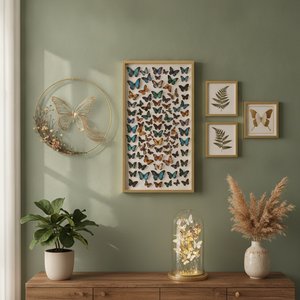
Fluttering Beauty: Elevate Your Interior with Exquisite Butterfly Artworks and Nature-Inspired Masterpieces
Discover the transformative power of butterfly art. From impressionist oil paintings to custom nature-inspired masterpieces, elevate your home with exquisite, hand-painted textures and vibrant colors designed to inspire serenity and elegance in every room.
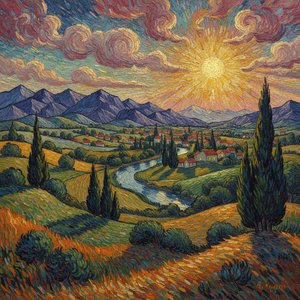
Beyond Impressionism: The Emotional Depth and Vibrant Evolution of Post-Impressionist Landscapes
Explore the profound evolution of Post-Impressionist landscapes. From Van Gogh's emotional brushwork to Cézanne's structural mastery, discover how these visionaries redefined art history through color and form in this expert guide for fine art enthusiasts.

أعلى 10 روائع حددت مدرسة ما بعد الانطباعية: رحلة فنية راقية
اكتشف روائع ما بعد الانطباعية! استكشف 10 لوحات خالدة لفنانين كبار مثل فان جوخ وغوغان. تعرف على تاريخ الفن، أساليبه الفريدة، وجمال الألوان. احصل على إعادة إنتاج فنية عالية الجودة من OriginalUniqueArt.com. استكشف المجموعة الكاملة عبر الإنترنت!
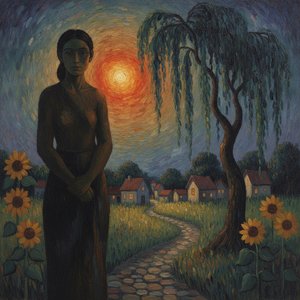
Beyond the Light: Discovering the Soul and Emotional Depth of Post-Impressionism
Embark on a cultural journey through Post-Impressionism. Discover the profound emotional depth of masters like Van Gogh and Cézanne, exploring how they moved beyond light to capture the very soul of human experience through vibrant color and symbolic form.