
 معاينة الحجم الواقعي
 إرسال
إرسال مشاركة
 عرض التفاصيل
 دليل الأعمال الفنية للطلاب

 تحميل
تحميل
 قطع مشابهة
 الأشعة السينية
 عرض شرائح متتابع
 الإحصائيات
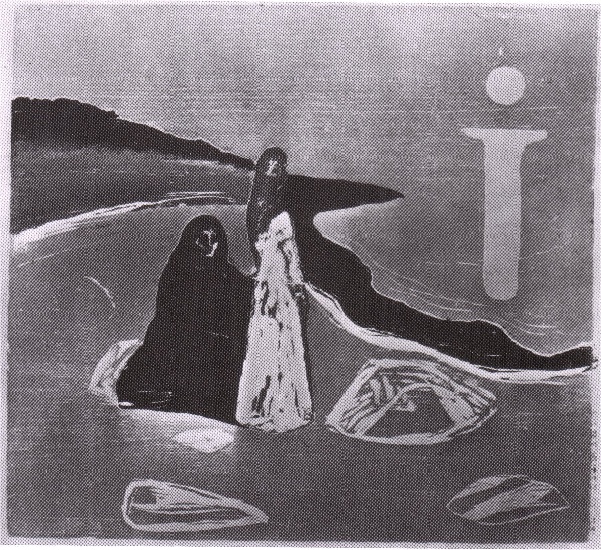
Woman on the Beach


 اقرأ المزيد
احصل على صورة رقمية عالية الدقة ومعزّزة، بجودة تفوق بكثير المعاينة عبر الإنترنت.
يتم إعداد كل ملف بعناية فائقة على أيدي متخصصينا باستخدام أدوات متقدمة ولمسات يدوية خبيرة، لضمان تمتع كل صورة بوضوح استثنائي، ودقة لونية متناهية، وتفاصيل دقيقة.
يتم تسليم الملف النهائي عبر البريد الإلكتروني في غضون 72 ساعة، وهو مُحسَّن للاستخدام الفوري في المجالات المهنية والتحريرية ومجالات الطباعة؛ وهي ذات الجودة التي تعتمد عليها كبرى استوديوهات التصميم ودور النشر والمعارض الفنية المرموقة.
صورة رقمية
حمّل ملفاً عالي الدقة للعرض الشخصي، والطباعة، والمشاريع الإبداعية. ( التبديل إلى المطبوعات اطلب نسخة مرسومة يدويًا)
مزايا مُضمّنة مع كل طلب صورة رقمية
خدمة تسليم رقمي احترافية ومضمونة
عندما تختار OriginalUniqueArt.com، فأنت لا تحصل على مجرد صورة فحسب، بل ستحصل على عمل فني رقمي مُحسّن باحترافية، صُمم بدقة متناهية ومصحوب بضمان الرضا. إليك كل ما يتضمنه طلبك تلقائياً:

تسليم سريع عبر البريد الإلكتروني
ستصلك ملفات صورك الرقمية عالية الدقة عبر البريد الإلكتروني في غضون 72 ساعة من إتمام الطلب - لتكون جاهزة للاستخدام الفوري.

ملف رقمي مُعزز بالذكاء الاصطناعي
يتم تحسين عملك الفني باحترافية باستخدام أدوات الذكاء الاصطناعي المتقدمة والتحرير اليدوي، لضمان أقصى درجات التفاصيل والوضوح ودقة الألوان.

إعادة إرسال مجانية مدى الحياة
هل حذفت ملفك أو فقدته عن طريق الخطأ؟ لا تقلق - سنعيد إرساله إليك في أي وقت، مجاناً.

بدون رسوم استيراد - على الإطلاق
استمتع بأعمالك الفنية فوراً دون أي رسوم جمركية أو ضرائب أو مصاريف شحن - فالتحميلات الرقمية دائماً ما تكون معفاة من الضرائب.

ضمان دقة الألوان
نضمن لك دقة انعكاس الألوان الأصلية في صورتك الرقمية بأقصى قدر ممكن، وذلك باستخدام أدوات احترافية وتقنيات متطورة لإدارة الألوان.

ضمان الرضا لمدة 100 يوم
إذا لم تكن راضياً عن صورتك الرقمية، فسنقوم بتعديلها أو استرداد 100% من قيمتها خلال 100 يوم - دون طرح أي أسئلة.

ضمان استعادة الأموال بنسبة 100%
لم تكن راضياً؟ استرد كامل المبلغ خلال 100 يوم من استلام ملفك الرقمي - دون طرح أي أسئلة.

خصومات الطلبات الكبيرة
اشتري 3 صور، ووفر 10% - اشتري 5، ووفر 15% - اشتري +10، ووفر 20%. مثالية للمشاريع الإبداعية، والمعارض، والوكالات.
Woman on the Beach – An Expressionist Echo of Melancholy
Edvard Munch, a titan amongst modern artists and a beloved figure at OriginalUniqueArt.com, bequeathed to us an oeuvre that transcends mere visual representation—it embodies the very essence of human emotion. His masterpiece, *Woman on the Beach*, painted in 1898, stands as a testament to his unparalleled ability to distill psychological turmoil onto canvas, cementing his place within the vanguard of Expressionism. This movement, born from the anxieties simmering beneath the surface of pre-war Europe, sought not to mirror reality but to convey inner experience with visceral intensity—a mission Munch flawlessly executed. The painting’s genesis lies in Munch's deeply personal struggles with illness and loss, mirroring his own battles against tuberculosis and grief over familial tragedies. These formative experiences fueled a relentless preoccupation with mortality and psychological vulnerability, informing every brushstroke of *Woman on the Beach*. Unlike Impressionists who captured fleeting moments of light and color, Munch deliberately eschewed optical realism, prioritizing emotional resonance above all else. He achieved this through a masterful manipulation of pigment—primarily shades of gray—creating an atmosphere thick with sorrow and isolation. The dominant hue is muted, reflecting not just the bleakness of the coastal landscape but also the profound melancholy that permeates the scene. Compositionally, Munch employs a deceptively simple arrangement. Two figures – a woman and what appears to be her companion – occupy the center of the frame against a backdrop of turbulent skies rendered in broad, sweeping strokes. Diagonal lines intersect across the canvas, mirroring the shoreline and subtly directing the viewer’s gaze outwards towards the sea. This deliberate use of perspective contributes to the painting's feeling of vastness and vulnerability—emphasizing the woman’s solitary contemplation amidst an overwhelming environment. The horizon line sits low, amplifying the dramatic effect of the stormy sky above. The technique employed is printmaking – specifically woodcut – a method that lends itself beautifully to conveying mood and texture. Munch’s meticulous attention to detail is evident in the subtle variations of ink density, creating a palpable sense of depth and atmosphere. The resulting monochrome print captures the stark beauty of Expressionism's core tenets: emotional honesty and symbolic representation. It’s a piece designed not merely to be seen but felt—a haunting reminder of our shared human experience of sorrow and longing.- Artist: Edvard Munch (1863-1944)
- Year Painted: 1898
- Medium: Woodcut Print
- Style: Expressionism
Symbolic Resonance and Emotional Impact
The woman’s posture—facing away from the viewer, gazing towards the horizon—suggests introspection and detachment. Her presence embodies a profound sense of solitude, mirroring Munch's own anxieties about isolation and existential dread. The stormy sky serves as a powerful metaphor for inner turmoil—representing unresolved emotions and confronting inescapable realities. Munch’s masterful use of color—or rather lack thereof—amplifies these themes, creating an unforgettable visual experience that lingers long after viewing. It invites contemplation on themes of grief, loss, and the human condition – subjects central to Munch's artistic vision and enduring legacy.Historical Context: The Dawn of Expressionism
Expressionism emerged in Germany during the early 20th century as a reaction against academic art traditions and the prevailing optimism of the Belle Époque. Artists like Munch sought to express subjective experience—fear, anxiety, trauma—rather than objective observation. Influenced by Nietzsche’s philosophy and Freud’s psychoanalysis, Expressionists explored the darker recesses of the human psyche, rejecting conventional beauty standards in favor of raw emotion and psychological truth. *Woman on the Beach* exemplifies this artistic ethos, capturing a moment of profound melancholy within a broader cultural landscape grappling with uncertainty and disillusionment.Where to Find Your Own Reproduction
Discover the captivating beauty of Edvard Munch’s *Woman on the Beach* in exquisite handmade oil paintings available at OriginalUniqueArt.com. Experience the emotional depth and artistic brilliance of this iconic Expressionist masterpiece—a timeless symbol of human vulnerability and artistic innovation. Visit our website today to explore our extensive collection and bring a piece of art history into your home!سيرة الفنان
إدفارد مونش: رسام الروح والمعاناة
في قلب النرويج، حيث تتلاقى المناظر الطبيعية الخلابة مع صقيع الشتاء القارس، وُلد إدفارد مونش عام 1863، ليصبح أحد أبرز فناني القرن العشرين. لم يكن مونش مجرد رسام؛ بل كان شاعرًا بصريًا، عبّر عن أعماق النفس البشرية بجرأة وشاعرية فريدة. حياته، التي طبعتها الفواجع والآلام، كانت بمثابة الوقود الذي أشعل شرارة إبداعه، وحوّلها إلى نافذة تطل على عالم من القلق الوجودي والمعاناة الإنسانية.
نشأ مونش في كنف عائلة تعيش ظروفًا قاسية. فقدت والدته وشقيقته بسبب مرض السل المدمر، مما ترك ندوبًا عميقة في نفسه الصغيرة. هذه التجارب المبكرة لم تكن مجرد أحداث عابرة؛ بل أصبحت جزءًا لا يتجزأ من رؤيته الفنية، وألهبته لاستكشاف أعماق الخوف والحزن والوحدة. كما ساهمت معتقدات والده الدينية الصارمة وصراعاته النفسية في تعزيز الشعور بالرهبة الذي سيطر على عالم مونش، وشكل ليس فقط حياته الشخصية بل أيضًا اللغة الرمزية لأعماله الفنية.
من التلمذة إلى الانطلاق: رحلة فنان نحو الذات
بدأ مونش طريقه الفني بتلقي التعليم في المعهد الملكي للفنون والتصميم في كريستيانا (أوسلو)، لكن نقطة التحول الحقيقية كانت لقاؤه بالفيلسوف النيليستي هانس ييغر. شجعه ييغر على التخلي عن الأساليب الأكاديمية التقليدية، والانطلاق نحو استكشاف ذاته الداخلية وعواطفه العميقة. هذا التحول الجذري أدى إلى ظهور أسلوبه المميز – أسلوب يتسم بالعاطفة الخام والأشكال المشوهة والرفض المطلق للتمثيل الطبيعي.
رحلاته إلى باريس في التسعينيات من القرن التاسع عشر عرّضته للحركة التعبيرية الصاعدة، حيث استمد الإلهام من فنانين مثل بول غوغان وفنسنت فان جوخ وهنري دو تولوز لوتريك. تبنى مونش استخدام الألوان الجريئة والضربات الفرشاة المعبرة، لكنه لم يكتفِ بمجرد تقليدهم؛ بل صهر هذه التأثيرات في أسلوبه الخاص، ليخلق لغة بصرية قادرة على التعبير عن أكثر المشاعر الإنسانية عمقًا وإيلامًا. كما كانت لقاءاته مع المسرحي أغسطس سترندبيرغ حاسمة، حيث أثرت استكشافاته النفسية في أعماله الفنية.
"الصراخ": رمز القلق الوجودي
الصراخ (The Scream)، ربما أشهر لوحات مونش وأكثرها تأثيرًا، تتجاوز كونها مجرد عمل فني لتصبح رمزًا عالميًا للقلق الوجودي. يجسد المشهد المتأرجح والألوان النارية والوجه المشوه في اللوحة صرخة أبدية ضد لامبالاة الكون. لم يكن مونش يرسم ما يراه بالعين المجردة؛ بل كان يسعى إلى تجسيد ما يشعر به في أعماق روحه، وتحويل الألم النفسي إلى شكل مرئي ملموس.
إلى جانب الصراخ، تبرز أعمال أخرى مثل المدامنة (Madonna)، التي تستكشف موضوعات الجنس والأمومة والموت بجرأة وصراحة غير مسبوقة. كما أن سلسلة الطفل المريض، المستوحاة من فقدان شقيقته صوفي، تقدم تذكيرًا مؤثرًا بالخسارة والضعف الإنساني. أما لوحات الكآبة الأولى والثانية، فتصور ببراعة عميقة الحزن والعزلة، وتكشف عن هشاشة الروح البشرية.
إرث فنان: تأثير مونش على الفن الحديث
لا يمكن إنكار مساهمة إدفارد مونش في الفن الحديث. فهو يعتبر شخصية محورية في تطور التعبيرية، ومهد الطريق أمام جيل من الفنانين الذين أولوا الأولوية للعاطفة الذاتية على التمثيل الموضوعي. استمرت أعماله في إلهام وإثارة الجدل لدى الجمهور على مر الأجيال، مما رسخ مكانته كواحد من أكثر الشخصيات تأثيرًا وديمومة في تاريخ الفن. لم يكن مونش يهدف إلى خلق صور جميلة فحسب؛ بل سعى إلى الكشف عن الحقيقة – حتى لو كانت مؤلمة ومزعجة.
على الرغم من الشهرة والتقدير الذي حققه، ظلت حياة مونش مليئة بالصراعات النفسية والعزلة. لكنه استمر في الإبداع، تاركًا وراءه إرثًا فنيًا غنيًا يستمر في تحدي وإلهام المشاهدين حول العالم. إن إرث مونش لا يقتصر على لوحاته فحسب؛ بل يتعلق بالشجاعة التي أظهرها في مواجهة تعقيدات الوجود الإنساني، وتحويل هذه التجارب إلى فن يتحدث إلى أعماقنا.
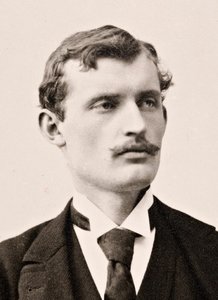
إدفارد مونش
1863 - 1944 , السويد
حقائق سريعة
- الأعمال البارزة:
- الصرخة
- العذراء
- الطفل المريض
- الكآبة الأولى والثانية
- الاسم الكامل: إدفارد مونش
- الجنسية: نرويجي
- الحركات الفنية المتأثرة: ['التعبيرية الألمانية']
- الحركة الفنية: التعبيرية
- الفنانون المؤثرون:
- بول غوغان
- فنسنت فان جوخ
- هنري دو تولوز-لوترك
- تاريخ الميلاد: 12 ديسمبر 1863
- مكان الميلاد: أديزبruk، السويد