

 معاينة الحجم الواقعي
 إرسال
إرسال مشاركة
 عرض التفاصيل
 دليل الأعمال الفنية للطلاب

 تحميل
تحميل
 قطع مشابهة
 الأشعة السينية
 عرض شرائح متتابع
 الإحصائيات
Eye in Eye
 Oil On Canvas
- WallArt
- Expressionism
 1894
1894- Modern
 136.0 x 110.0 cm
 اقرأ المزيد
طباعة جيلي / مطبوعات فنية
طباعة جيكلي أو كانفاس بجودة المتاحف، مع سرعة في التنفيذ وخيارات متنوعة للتشطيب. ( اطلب نسخة مرسومة يدويًا التحويل إلى الصورة الرقمية)




P118B E£10

P118H E£10

P118W E£10

P438Z E£10

P508JH E£12

P508YH E£12

P805H E£10

P805Z E£10

P919BZ E£10

P919G E£10

P919XJ E£10

P959ZH E£10

P968JZ E£12

W106C E£8

W218G E£10

W218JH E£8

W218Y E£10

W307PJ E£10

W316G E£10

W316PJ E£8

W316Y E£10

W398PJ E£8

W4111J E£10

W500HY E£15

W500JH E£15

W692G E£12

W849H E£8

W940BG E£15

W953PJ E£8




اختر من بين أحجامنا المُعدّة مسبقاً والتي تتوافق مع النسب الأصلية للعمل الفني.

أدخل العرض والارتفاع اللذين تحتاجهما، ليتناسب مع إطارك أو جدارك. يمكن قص المطبوعة فقط، ولا يمكن أبداً جعلها أكبر من الصورة الأصلية، لذا فإن أي مقاس بشكل مختلف سيؤدي إلى فقدان جزء من الصورة. سنرسل لك نموذجاً رقمياً تجريبياً لاعتماده قبل البدء في عملية الطباعة. الصورة المعروضة في هذه الصفحة لا توضح القص الفعلي — النموذج التجريبي فقط هو ما يظهر ذلك.
توصيل عالمي إلى خلال أسبوعين بدلاً من المدة القياسية البالغة 4/5 أسابيع. (28 أكتوبر)

شحن سريع ومجاني لجميع أنحاء العالم

قماش كتان فاخر

تأمين شامل على الشحن

ضمان استرداد الرسوم الجمركية

ضمان دقة مطابقة الألوان

سياسة الإرجاع خلال 100 يوم (في حالات العيوب فقط)

ضمان استرداد نقدي بنسبة 100%

عرض خصم الكميات
 خيار الزجاج متاح فقط للمقاسات التي تقل عن 110 سم

Eye in Eye
طباعة جيلي / مطبوعات فنية
مقاس النسخة المطبوعة
-


إجمالي السعر
E£ 4165
The Haunting Gaze: Unveiling Edvard Munch's *Eye in Eye*
Edvard Munch’s *Eye in Eye*, painted in 1894, isn’t merely a depiction of two figures; it’s a visceral plunge into the depths of human emotion. This arresting canvas, measuring just over a foot square, immediately commands attention with its bold colors and unsettling intimacy. It's a cornerstone of the Expressionist movement, a period defined by artists seeking to convey subjective experience rather than objective reality – a pursuit that Munch embodies with unparalleled intensity. The scene unfolds beneath a gnarled tree, framing two individuals locked in a silent, charged exchange: a man and a woman, their eyes meeting across a space both intimate and fraught with unspoken tension. The composition isn’t about narrative; it's about the raw feeling of connection – or perhaps, disconnection – that permeates human interaction. The muted palette—earthy browns, deep blues, and flashes of crimson—contributes to an atmosphere of melancholy and unease, mirroring the psychological landscape Munch so masterfully explored.
Munch’s technique is deliberately rough-hewn, reflecting the turbulent emotions he sought to capture. Thick, visible brushstrokes dominate the canvas, creating a sense of immediacy and urgency. The forms are distorted, subtly unsettling the viewer's perception of reality. Notice how the figures aren’t rendered with photographic precision; instead, they possess an almost sculptural quality, emphasizing their physicality and vulnerability. The background—a simple house receding into shadow—provides context without distracting from the central drama unfolding between the two subjects. The inclusion of two clocks – one on the left, another towards the center – adds a layer of complexity, hinting at the relentless passage of time and perhaps the urgency driving their encounter. A solitary bird soaring above the tree introduces an element of dynamism, a fleeting moment of freedom against the backdrop of contained emotion.
Decoding the Symbolism: Time, Connection, and Unspoken Words
The symbolism within *Eye in Eye* is layered and open to interpretation, reflecting Munch’s own preoccupation with themes of anxiety, love, and death. The eye-to-eye contact itself is profoundly significant. It's not a simple act of recognition; it’s an intense, almost confrontational gaze that suggests vulnerability, judgment, or perhaps even a shared understanding of something unspoken. The absence of mouths adds to the painting’s enigmatic quality, forcing the viewer to project their own emotions and interpretations onto the scene. The trees, frequently associated with life, death, and connection to nature in art history, here seem to act as a barrier, subtly separating the figures from the outside world and intensifying their internal dialogue.
The clocks are particularly potent symbols. They represent not just time but also mortality and the pressure of societal expectations. Their presence underscores the sense that this encounter is fleeting, imbued with a certain urgency. The bird, a traditional symbol of freedom and hope, offers a brief respite from the prevailing mood of melancholy, suggesting a yearning for escape or transcendence. The house in the background—a simple, unassuming structure—represents domesticity and perhaps the constraints within which these two individuals find themselves. It’s a space of potential connection but also of unspoken tensions.
Edvard Munch: A Portrait of an Era
To fully appreciate *Eye in Eye*, it's crucial to understand the context in which it was created – the late 19th century, a period marked by rapid social and technological change, alongside growing anxieties about modernity. Munch, along with Vincent van Gogh and Egon Schiele, was at the forefront of the Expressionist movement, rejecting the conventions of academic art in favor of subjective emotional expression. His work often explored themes of psychological distress, alienation, and the darker aspects of human experience – subjects that resonated deeply with a generation grappling with uncertainty and disillusionment. Munch’s personal life—marked by tragedy, illness, and mental instability—fueled his artistic vision, imbuing his paintings with an undeniable sense of raw emotion. His exploration of these themes continues to resonate powerfully today.
Considered alongside other works like *Despair* and *Anxiety*, *Eye in Eye* exemplifies Munch’s ability to distill complex emotions into a single, arresting image. It's a testament to his skill as an artist and his profound understanding of the human psyche. For those seeking a deeper appreciation of Expressionism or simply captivated by Munch’s haunting vision, reproductions of *Eye in Eye* offer a powerful way to connect with this seminal work of art.
الأسئلة والأجوبة
ما الذي يفسر الوضع المتعلق بحقوق الطبع والنشر لـ "Eye in Eye" للفنان إدفارد مونش؟
تُعد لوحة "Eye in Eye" للفنان إدفارد مونش من الأعمال التي تندرج ضمن ملك عام - انتهت مدة حماية حقوق الطبع والنشر الخاصة به. تُحتسب مدة حقوق الطبع والنشر بدءاً من تاريخ وفاة الفنان، وقد توفي إدفارد مونش في عام 1944.
ما هو حجم الطباعة المناسب للغرفة الموصى بها لعمل "Eye in Eye" للفنان إدفارد مونش؟
بالنسبة لـ Living Room، فإن حجم الطباعة الموصى به لعمل "Eye in Eye" للفنان إدفارد مونش هو Large.
هل تبدو ألوان "Eye in Eye" قوية أم هادئة؟
تُظهر لوحة "Eye in Eye" للفنان إدفارد مونش كثافة لونية Monochromatic.
نبذة عن الفنان
إدفارد مونش: رسام الروح والمعاناة
في قلب النرويج، حيث تتلاقى المناظر الطبيعية الخلابة مع صقيع الشتاء القارس، وُلد إدفارد مونش عام 1863، ليصبح أحد أبرز فناني القرن العشرين. لم يكن مونش مجرد رسام؛ بل كان شاعرًا بصريًا، عبّر عن أعماق النفس البشرية بجرأة وشاعرية فريدة. حياته، التي طبعتها الفواجع والآلام، كانت بمثابة الوقود الذي أشعل شرارة إبداعه، وحوّلها إلى نافذة تطل على عالم من القلق الوجودي والمعاناة الإنسانية.
نشأ مونش في كنف عائلة تعيش ظروفًا قاسية. فقدت والدته وشقيقته بسبب مرض السل المدمر، مما ترك ندوبًا عميقة في نفسه الصغيرة. هذه التجارب المبكرة لم تكن مجرد أحداث عابرة؛ بل أصبحت جزءًا لا يتجزأ من رؤيته الفنية، وألهبته لاستكشاف أعماق الخوف والحزن والوحدة. كما ساهمت معتقدات والده الدينية الصارمة وصراعاته النفسية في تعزيز الشعور بالرهبة الذي سيطر على عالم مونش، وشكل ليس فقط حياته الشخصية بل أيضًا اللغة الرمزية لأعماله الفنية.
من التلمذة إلى الانطلاق: رحلة فنان نحو الذات
بدأ مونش طريقه الفني بتلقي التعليم في المعهد الملكي للفنون والتصميم في كريستيانا (أوسلو)، لكن نقطة التحول الحقيقية كانت لقاؤه بالفيلسوف النيليستي هانس ييغر. شجعه ييغر على التخلي عن الأساليب الأكاديمية التقليدية، والانطلاق نحو استكشاف ذاته الداخلية وعواطفه العميقة. هذا التحول الجذري أدى إلى ظهور أسلوبه المميز – أسلوب يتسم بالعاطفة الخام والأشكال المشوهة والرفض المطلق للتمثيل الطبيعي.
رحلاته إلى باريس في التسعينيات من القرن التاسع عشر عرّضته للحركة التعبيرية الصاعدة، حيث استمد الإلهام من فنانين مثل بول غوغان وفنسنت فان جوخ وهنري دو تولوز لوتريك. تبنى مونش استخدام الألوان الجريئة والضربات الفرشاة المعبرة، لكنه لم يكتفِ بمجرد تقليدهم؛ بل صهر هذه التأثيرات في أسلوبه الخاص، ليخلق لغة بصرية قادرة على التعبير عن أكثر المشاعر الإنسانية عمقًا وإيلامًا. كما كانت لقاءاته مع المسرحي أغسطس سترندبيرغ حاسمة، حيث أثرت استكشافاته النفسية في أعماله الفنية.
"الصراخ": رمز القلق الوجودي
الصراخ (The Scream)، ربما أشهر لوحات مونش وأكثرها تأثيرًا، تتجاوز كونها مجرد عمل فني لتصبح رمزًا عالميًا للقلق الوجودي. يجسد المشهد المتأرجح والألوان النارية والوجه المشوه في اللوحة صرخة أبدية ضد لامبالاة الكون. لم يكن مونش يرسم ما يراه بالعين المجردة؛ بل كان يسعى إلى تجسيد ما يشعر به في أعماق روحه، وتحويل الألم النفسي إلى شكل مرئي ملموس.
إلى جانب الصراخ، تبرز أعمال أخرى مثل المدامنة (Madonna)، التي تستكشف موضوعات الجنس والأمومة والموت بجرأة وصراحة غير مسبوقة. كما أن سلسلة الطفل المريض، المستوحاة من فقدان شقيقته صوفي، تقدم تذكيرًا مؤثرًا بالخسارة والضعف الإنساني. أما لوحات الكآبة الأولى والثانية، فتصور ببراعة عميقة الحزن والعزلة، وتكشف عن هشاشة الروح البشرية.
إرث فنان: تأثير مونش على الفن الحديث
لا يمكن إنكار مساهمة إدفارد مونش في الفن الحديث. فهو يعتبر شخصية محورية في تطور التعبيرية، ومهد الطريق أمام جيل من الفنانين الذين أولوا الأولوية للعاطفة الذاتية على التمثيل الموضوعي. استمرت أعماله في إلهام وإثارة الجدل لدى الجمهور على مر الأجيال، مما رسخ مكانته كواحد من أكثر الشخصيات تأثيرًا وديمومة في تاريخ الفن. لم يكن مونش يهدف إلى خلق صور جميلة فحسب؛ بل سعى إلى الكشف عن الحقيقة – حتى لو كانت مؤلمة ومزعجة.
على الرغم من الشهرة والتقدير الذي حققه، ظلت حياة مونش مليئة بالصراعات النفسية والعزلة. لكنه استمر في الإبداع، تاركًا وراءه إرثًا فنيًا غنيًا يستمر في تحدي وإلهام المشاهدين حول العالم. إن إرث مونش لا يقتصر على لوحاته فحسب؛ بل يتعلق بالشجاعة التي أظهرها في مواجهة تعقيدات الوجود الإنساني، وتحويل هذه التجارب إلى فن يتحدث إلى أعماقنا.
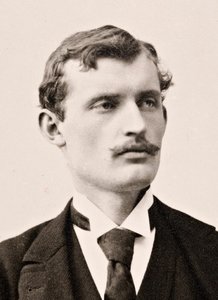
إدفارد مونش
1863 - 1944 , السويد
لمحة سريعة
- الأعمال البارزة:
- الصرخة
- العذراء
- الطفل المريض
- الكآبة الأولى والثانية
- الاسم الكامل: إدفارد مونش
- الجنسية: نرويجي
- الحركات الفنية المتأثرة: ['التعبيرية الألمانية']
- الحركة الفنية: التعبيرية
- الفنانون المؤثرون:
- بول غوغان
- فنسنت فان جوخ
- هنري دو تولوز-لوترك
- تاريخ الميلاد: 12 ديسمبر 1863
- مكان الميلاد: أديزبruk، السويد
مقالات ذات صلة
The Raw Emotion of Expressionism: A Deep Dive into its History, Characteristics & Enduring Influence
Explore the raw emotion of Expressionism with OriginalUniqueArt. Discover its history, key artists like Kirchner & Munch, and lasting influence on modern art. Expert insights for collectors & enthusiasts.
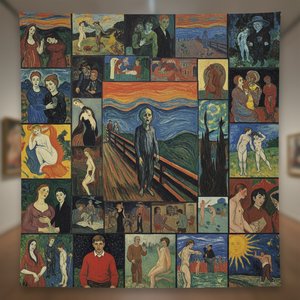
أعمال إدوارد مونك الخالدة: 25 تحفة فنية تعبّر عن الروح الإنسانية | OriginalUniqueArt
اكتشف 25 تحفة فنية لإدوارد مونك، رائد التعبيرية. استكشف قصص لوحاته المؤثرة وتقنياته الفريدة وألوانه العميقة. احصل على نسخ عالية الجودة لديكور منزلي فاخر على OriginalUniqueArt.com

German Expressionism's 10 Defining Masterpieces | Art for Your Home
Explore 10 defining German Expressionism masterpieces – from Munch's 'The Scream' to Kandinsky’s abstracts. Discover the artists, stories & bold colors behind this powerful art movement. Find museum-quality reproductions at OriginalUniqueArt.com.
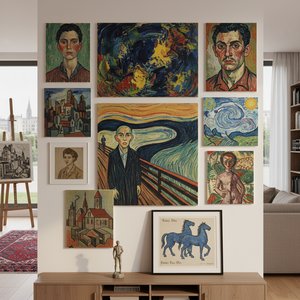
أعلى 10 روائع تعرّف على حركة التعبيرية الفنية | OriginalUniqueArt
اكتشف روائع التعبيرية الفنية! استكشف 10 لوحات أيقونية مع فان جوخ وموش، وأكثر. تعرف على تاريخ الفن، أساليب الفنانين، وابتكر ديكورًا فريدًا. احصل على إعادة إنتاج عالية الجودة من OriginalUniqueArt.com.

Edvard Munch: Anxiety, Modernity & the Dawn of Expressionism
Explore the profound world of Edvard Munch, pioneer of Expressionism. Discover the origins of 'The Scream' & his haunting depictions of anxiety, mortality, and love. Expert analysis & high-quality reproductions at OriginalUniqueArt.


