Impressionism · 1874
Boating (إدوارد مانيه, 1874)
أبدع إدوارد مانيه (1832–1883) في Boating. يعود تاريخها إلى 1874. تنتمي إلى حركة Impressionism. صُنعت من Oil On Canvas. أبعادها 97 × 130 cm
- 1874
- Oil On Canvas
- 97 × 130 cm

 معاينة الحجم الواقعي

 لوحة زيتية مرسومة يدوياً
 مشاركة
 مشاركة
 ورقة الحقائق


 تحميل الملف
 قطع مشابهة
 الأشعة السينية
 عرض شرائح
 الأسئلة والأجوبة

 الإحصائيات
Boating باختصار
- العنوان
- Boating
- الفنان
- إدوارد مانيه (1832–1883)
- تاريخ ميلاد الفنان
- باريس, فرنسا
- التاريخ
- 1874
- الوسيط الفني
- Oil On Canvas
- الأبعاد
- 97 × 130 cm
- الحركة
- Impressionism
- الحقبة
- 19th Century
- الموضوع
- boating, summer, manet, seine river, leisure, couple
ماذا يصور Boating؟
Boating: A Glimpse of Parisian Leisure in Manet’s Impressionistic Vision
Édouard Manet's *Boating*, painted in 1874, isn’t merely a depiction of a summer afternoon on the Seine; it’s a carefully constructed tableau that encapsulates the burgeoning spirit of modern life and marks a pivotal moment in the transition from academic art to Impressionism. Often considered Manet’s first truly Impressionist work – though he resisted the label himself – *Boating* invites us into a fleeting, sun-drenched scene of leisure, capturing not just the visual elements but also the atmosphere and emotional resonance of a Parisian summer. The painting immediately draws the eye with its vibrant palette: deep blues and greens dominate the water and sky, contrasted by the warm yellows and whites of the sailboat and the figures within. This deliberate use of color, applied in loose, broken brushstrokes – a hallmark of Impressionism – creates an immediate sense of movement and light, as if we too are caught in the gentle rocking of the boat. The subject matter itself is deceptively simple: a man and woman enjoying a leisurely sail. However, Manet imbues this commonplace scene with a subtle complexity. The identity of the figures remains somewhat enigmatic; art historians often suggest that the man is Rodolphe Leenhoff, Manet’s brother-in-law, while the woman's face is less defined, adding to the painting’s sense of intimacy and mystery. They are positioned in a way that invites observation, their gazes meeting ours across the canvas – a bold departure from the traditional, static poses found in earlier academic paintings. The inclusion of other figures in the background – likely passengers or crew members – further enriches the scene, hinting at a larger social context without disrupting the primary focus on the couple. This layering of detail is characteristic of Manet’s approach, blending observation with artistic interpretation.The Painting's Significance and Historical Context
*Boating*'s significance extends beyond its aesthetic qualities; it represents a crucial shift in artistic priorities. In the mid-19th century, painting was largely dominated by the Salon, an official exhibition controlled by the Académie des Beaux-Arts. Artists were expected to adhere to strict rules of composition, subject matter, and technique – primarily historical or mythological scenes rendered with meticulous detail and idealized forms. Manet, however, challenged these conventions. He began to depict modern life—the everyday activities and people of Paris—with a frankness that shocked many viewers. *Boating* exemplifies this shift, capturing a slice of bourgeois leisure in a way that was both contemporary and subtly subversive. The painting was exhibited at the 1879 Salon, a venue where Manet often showcased his work alongside other Impressionists, signaling his alignment with this emerging artistic movement. The year 1874 was particularly significant for Paris. The city was experiencing rapid industrialization and urbanization, leading to new forms of leisure and social interaction. Boating on the Seine became increasingly popular among the upper classes, offering a respite from the hustle and bustle of urban life. Manet’s painting captures this trend perfectly, presenting a romanticized vision of Parisian summer days. Interestingly, *Boating* was created during a period when Manet was living in Gennevilliers, a suburb of Paris, allowing him to observe and paint scenes directly from his surroundings. This proximity to the subject matter undoubtedly contributed to the painting’s sense of immediacy and authenticity.Artistic Style and Technique: A Bridge Between Realism and Impressionism
Manet's technique in *Boating* is a fascinating blend of realism and Impressionist innovation. While he retains a degree of meticulousness in his rendering of details – particularly the sailboat and the figures’ clothing – he employs loose, visible brushstrokes that capture the fleeting effects of light and atmosphere. This approach, influenced by his time spent painting alongside Claude Monet, departs significantly from the smooth, polished surfaces favored by academic painters. The use of broken color—applying small dabs of paint side-by-side rather than blending them together—creates a shimmering effect, particularly noticeable in the water and sky. Mary Mathews Gedo, a former clinical psychologist turned art historian, aptly described *Boating* as “quintessentially Monet-esque,” highlighting Manet’s adoption of Impressionist techniques while retaining his own distinct artistic voice. The painting's composition is also noteworthy; it utilizes a slightly elevated viewpoint, placing the viewer in an almost voyeuristic position, observing the couple from a distance. This perspective adds to the sense of intimacy and immediacy, drawing us into the scene as if we are witnesses to a private moment.Symbolism and Emotional Impact
Beyond its technical merits, *Boating* is rich in symbolism. The sailboat itself represents freedom, adventure, and escape – themes that resonated deeply with the burgeoning middle class of 19th-century Paris. The couple’s relaxed posture and shared gaze suggest a sense of connection and contentment. The inclusion of the birds soaring above the boat adds to the painting's feeling of lightness and joy. Even seemingly minor details, such as the woman’s tall hat with its blue stripe, contribute to the overall impression of elegance and sophistication. Ultimately, *Boating* is more than just a depiction of a summer sail; it’s an exploration of human connection, leisure, and the changing landscape of Parisian society. It's a testament to Manet's ability to capture not only the visual appearance of a scene but also its emotional essence – a quality that continues to resonate with viewers today. For those seeking a deeper understanding of this pivotal work, reproductions are available on OriginalUniqueArt.com, offering an opportunity to experience the beauty and complexity of *Boating* firsthand.صور عالية الدقة لـ Boating

إدوارد مانيه, Boating (1874). ملك عام
أسئلة وإجابات حول Boating
في أي عام أُنجز "Boating"؟
أُبدع العمل الفني "Boating" للفنان إدوارد مانيه في عام 1874.
ما هي التقنية المستخدمة في "Boating" للفنان إدوارد مانيه؟
نُفذت لوحة "Boating" باستخدام Oil On Canvas.
ما هي أبعاد العمل الأصلي "Boating"؟
تبلغ أبعاد العمل الأصلي "Boating" للفنان إدوارد مانيه 97 x 130 cm.
ماذا يصور "Boating" للفنان إدوارد مانيه؟
تتمثل موضوعات "Boating" في boating, summer, manet, seine river, leisure, couple, impressionism.
هل يمكن إعادة إنتاج صورة "Boating" للفنان إدوارد مانيه بحرية؟
أما بخصوص حقوق الطبع والنشر، فإن "Boating" تندرج ضمن ملك عام - انتهت مدة حماية حقوق الطبع والنشر الخاصة به.
من هو الفنان الذي يُنسب إليه العمل "Boating"؟
الفنان الذي أبدع عمل "Boating" هو إدوارد مانيه، والعمل مُدرج تحت اسم إدوارد مانيه.
إلى أي حركة فنية ينتمي العمل "Boating" للفنان إدوارد مانيه؟
تنتمي "Boating" للفنان إدوارد مانيه إلى حركة Impressionism، التي تمنح العمل سياقه الأسلوبي.
إلى أي مرحلة من مسيرة إدوارد مانيه الفنية ينتمي العمل "Boating"؟
تُمثل "Boating" الحقبة الإبداعية لـ إدوارد مانيه خلال فترة Mature Period.
كم كان عمر إدوارد مانيه عند إبداع "Boating" في عام 1874؟
عندما أُبدع العمل "Boating" في عام 1874، كان عمر الفنان إدوارد مانيه - المولود في 1832 - هو 42 عاماً.
عن الفنان، إدوارد مانيه
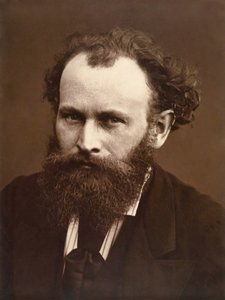
1832–1883, فرنسا
إدوارد مانيه
الحياة المبكرة، العائلة والتدريب وُلد إدوارد مانايه في باريس في الثالث والعشرين من يناير عام 1832، ونشأ في كنف عائلة ميسورة الحال، حيث كان الابن الأكبر لرجل يشغل منصباً مرموقاً في وزارة العدل الفرنسية. لقد رسم والده له مساراً مختلفاً تماماً، مساراً يتضمن الخدمة في البحرية أو دراسة القانون، وهي مهن تليق بمكانة عائلته. وبالفعل، حاول الفتى اتباع هذا النهج، لكنه أخفق في اختبارات القبول في الأكاديمية البحرية مرتين، وكان هذا الإخفاق بمثابة نقطة تحول أعادت توجيه تركيزه نحو المرسم. وفي نهاية المطاف، قدم لوحاته لوالده ليثبت له مدى التزامه وشغفه بالفنون، لينال أخيراً الإذن الذي يحتاجه للدراسة بشكل رسمي.
وأيضاً لـ إدوارد مانيه
 غداء على العشب1863
 أوليمبيا1863
 بار في فوليز بيرجير1882
 العازف على الناي1866

مقالات حول Boating
 Boats on Canvas: 10 Masterpieces of Maritime Art for Your Home DecorSail away with 10 iconic boat paintings! Explore masterpieces by Monet, Van Gogh & Turner. Discover the stories behind these timeless seasc…
 أروع 10 لوحات تجسد انطباعية الفن: تحف فنية لتزيين منزلكاكتشف أروع 10 لوحات انطباعية غيرت مسار الفن! مونيه، مانيت، رينوار وأكثر. قصص فنانين وتقنيات فريدة لتزيين منزلك بألوان الباستيل وتأثير الضوء…
 Édouard Manet: Pioneering Modernism & Challenging Artistic ConventionsExplore the life & art of Édouard Manet, a pivotal figure bridging Realism and Impressionism. Discover his revolutionary techniques, contro…