

 معاينة الحجم الواقعي
 إرسال
إرسال مشاركة
 عرض التفاصيل
 دليل الأعمال الفنية للطلاب

 تحميل
تحميل
 قطع مشابهة
 الأشعة السينية
 عرض شرائح متتابع
 الإحصائيات
Maestà
 Tempera On Panel
- Italian Gothic
 1280
1280- Late Medieval
 218.0 x 118.0 cm
 Chiesa dei Servi
 اقرأ المزيد
طباعة جيلي / مطبوعات فنية
طباعة جيكلي أو كانفاس بجودة المتاحف، مع سرعة في التنفيذ وخيارات متنوعة للتشطيب. ( اطلب نسخة مرسومة يدويًا التحويل إلى الصورة الرقمية)




P118B $10

P118H $10

P118W $10

P438Z $10

P508JH $12

P508YH $12

P805H $10

P805Z $10

P919BZ $10

P919G $10

P919XJ $10

P959ZH $10

P968JZ $12

W106C $8

W218G $10

W218JH $8

W218Y $10

W307PJ $10

W316G $10

W316PJ $8

W316Y $10

W398PJ $8

W4111J $10

W500HY $15

W500JH $15

W692G $12

W849H $8

W940BG $15

W953PJ $8




اختر من بين أحجامنا المُعدّة مسبقاً والتي تتوافق مع النسب الأصلية للعمل الفني.

يمكنك إدخال أبعاد خاصة لتناسب إطاراً أو مساحة معينة. وفي حال عدم تطابق الحجم المختار مع نسب الصورة الأصلية، سنقوم إما بقص العمل الفني أو تمديد الصورة باستخدام حافة معكوسة أو لون مصمت. وسيتم إرسال نموذج تجريبي رقمي لاعتمادك قبل بدء عملية الإنتاج.
يرجى ملاحظة أن المعاينة على الشاشة لا تعكس عملية القص أو التمديد الفعلية؛ حيث سيوضح النموذج التجريبي فقط التكوين النهائي بدقة.
وعلى الرغم من توفر أحجام مخصصة، إلا أننا نوصي باختيار أبعاد من القائمة المحددة مسبقاً للحفاظ على النسب الأصلية.
توصيل عالمي إلى خلال أسبوعين بدلاً من المدة القياسية البالغة 4/5 أسابيع. (26 سبتمبر)

شحن سريع ومجاني لجميع أنحاء العالم

قماش كتان فاخر

تأمين شامل على الشحن

ضمان استرداد الرسوم الجمركية

ضمان دقة مطابقة الألوان

سياسة الإرجاع خلال 100 يوم (في حالات العيوب فقط)

ضمان استرداد نقدي بنسبة 100%

عرض خصم الكميات
 خيار الزجاج متاح فقط للمقاسات التي تقل عن 110 سم

Maestà
طباعة جيلي / مطبوعات فنية
مقاس النسخة المطبوعة
-


إجمالي السعر
$ 80
The Majesty of Siena: Duccio’s Pioneering Vision
Duccio di Buoninsegna's Maestà, completed around 1280 in Siena, stands as a monumental achievement—a cornerstone upon which the burgeoning artistic landscape of Tuscany would be built. More than just a depiction of Mary and Jesus; it represents a decisive break from Byzantine formalism, embodying a nascent humanist impulse that sought to elevate religious art beyond mere representation towards genuine emotional expression. The painting’s genesis coincided with a period of profound spiritual fervor within Christendom, yet Duccio refused to adhere to the conventions of his time, forging instead a path toward a more nuanced and psychologically resonant portrayal of sacred subjects.- Subject Matter & Composition: At its core lies an exquisitely rendered Virgin Mary cradling Jesus Child—a motif deeply rooted in Byzantine iconography—however Duccio’s genius resided in his masterful manipulation of spatial perspective and compositional balance. Unlike the flattened, stylized backgrounds characteristic of earlier works, Maestà employs a subtly receding horizon line, creating a sense of depth that draws the viewer into the scene. The positioning of Mary and Jesus at the center, flanked by two angels—one on each side—reinforces their divine majesty while simultaneously establishing a harmonious equilibrium.
- Style & Technique: Duccio’s stylistic innovations are immediately apparent in his use of tempera paint on panel—a technique favored for its luminosity and durability. He eschewed the laborious process of glazing, opting instead for meticulous layering of pigments to achieve astonishing textural detail. Observe particularly the drapery of Mary's robe; it flows with an unprecedented realism, conveying movement and volume that surpasses anything seen in Byzantine art. This deliberate departure from tradition signaled a crucial step toward naturalism—a desire to capture not just what was seen but also how it felt.
Historical Context & Influences
The Maestà emerged during Siena’s Golden Age, a period marked by civic pride and artistic patronage. The painting served as a powerful emblem of papal authority—commissioned by Pope Nicholas III—and reflected the broader theological concerns of the era: contemplation on divine grace and the incarnation of Christ. However, Duccio's vision wasn’t solely defined by its ecclesiastical purpose. He drew inspiration from Romanesque art, particularly frescoes in churches like San Giorgio Maggiore in Venice, demonstrating a willingness to engage with artistic precedents while simultaneously forging his own distinctive voice. The influence of Byzantine mosaics—particularly those adorning Hagia Sophia—is undeniable, yet Duccio skillfully transformed these stylistic elements into something wholly original.Symbolism & Emotional Resonance
Beyond its formal achievements, Maestà is laden with symbolic significance. Mary’s serene countenance embodies humility and compassion—qualities considered paramount in Christian piety. The angels represent divine guardianship and proclaim the glory of God. The inclusion of three additional figures—one at the top left corner, one at the bottom left corner, and one on the right side—adds to the painting's complexity, suggesting a broader cosmic narrative encompassing creation and redemption. Most powerfully, Maestà communicates an overwhelming sense of spiritual contemplation—a profound appreciation for beauty and grace that transcends mere visual representation. It invites viewers to immerse themselves in the divine presence, fostering feelings of reverence and awe.A Legacy Enduring Through Reproduction
Today, OriginalUniqueArt’s meticulously crafted reproductions capture the essence of Duccio’s Maestà—preserving its luminous colors, textural richness, and emotive power. Whether adorning a grand salon or gracing a smaller interior space, this iconic artwork continues to inspire admiration for its artistic brilliance and spiritual depth. Explore our collection now and experience the majesty of Siena firsthand.نبذة عن الفنان
دوقيو دي بونينسينا: رائد الفن القوطي الإيطالي ورمزية الإيمان
في قلب مدينة سيينا النابضة بالحياة، في أواخر القرن الثالث عشر وأوائل القرن الرابع عشر، بزغ نجم فنان استطاع أن يمزج بين التقاليد البيزنطية العريقة والتطلعات الجديدة نحو الواقعية والعاطفة في الفن. إنه دوقيو دي بونينسينا (حوالي 1255 – حوالي 1319)، الذي يُعتبر أحد أعظم فناني العصور الوسطى الإيطالية، ومؤسس مدرسة سيينا الفنية المرموقة. لم يكن دوقيو مجرد رسام، بل كان مبتكرًا أضاف بعدًا إنسانيًا عميقًا إلى السرديات الدينية، محولاً بذلك الأعمال المقدسة إلى تجارب بصرية مؤثرة تتجاوز مجرد التمثيل.
من التقاليد البيزنطية إلى الإبداع السيني
نشأ دوقيو في بيئة فنية غنية بالتأثيرات البيزنطية، حيث كانت الأيقونات الذهبية والزخارف الفاخرة هي السائدة. إلا أنه لم يكتفِ بالتقيد بهذه التقاليد، بل سعى إلى تطويرها وإضفاء لمسة شخصية عليها. يمكننا أن نرى هذا التحول بوضوح في أعماله المبكرة، حيث بدأ يلمس عناصر جديدة من الواقعية والتعبير العاطفي، مع الحفاظ على الجمال والوقار المميزين للفن البيزنطي. رحلاته المحتملة إلى باريس وروما والقسطنطينية ساهمت بلا شك في توسيع آفاقه الفنية وتعزيز فهمه للتقنيات والأساليب المختلفة، مما أتاح له صياغة أسلوبه الفريد الذي يميزه عن غيره.
تحفة "Maestà": قصة بصرية عن الإيمان
تعتبر تحفة دوقيو الخالدة، "Maestà" (السيادة)، التي رسمها لكاتدرائية سيينا، ذروة إبداعه الفني. هذه اللوحة الضخمة ليست مجرد عمل فني، بل هي رحلة بصرية عبر حياة العذراء مريم ومخلص المسيح، تتكشف أمامنا في سلسلة من المشاهد المتقنة والمليئة بالتفاصيل. تتميز "Maestà" بتوازنها الهندسي الرائع واستخدامها الماهر للألوان الزاهية، مما يخلق جوًا من الرهبة والإجلال. الابتكار الأبرز في هذه اللوحة هو قدرة دوقيو على دمج العديد من المشاهد في لوحة واحدة، مما يسمح للمشاهد بتتبع القصة بشكل متسلسل ومؤثر. تعتبر "Maestà" مثالًا رائعًا على قدرة دوقيو على الجمع بين التقاليد البيزنطية والأساليب الجديدة، مما أرسى أسس الفن السيني.
إرث فني خالد: تأثير دوقيو على الأجيال القادمة
لم يقتصر تأثير دوقيو دي بونينسينا على عصره فحسب، بل امتد ليشمل الأجيال اللاحقة من الفنانين. لقد ألهم العديد من رسامي مدرسة سيينا الفنية، مثل سيموني مارتيني وليبو ميمي وبيترو وأمبروجيو لورنتيتي، الذين تبنوا أسلوبه وواصلوا تطويره. يُعتبر دوقيو بمثابة حلقة الوصل بين الفن البيزنطي والفن القوطي الإيطالي، وقد ساهم بشكل كبير في تطور الواقعية والتعبير العاطفي في الفن الغربي. لا تزال أعماله اليوم مصدر إلهام للفنانين والباحثين على حد سواء، وتشهد على عبقرية هذا الفنان الذي استطاع أن يخلد اسمه في سجلات التاريخ.
أعمال بارزة أخرى
- الرقعة العذراء (Rucellai Madonna)
- لوحة متعددة الألواح رقم 28 (Polyptych No. 28)

دوتشيو
1255 - 1319 , إيطاليا
لمحة سريعة
- Artistic Movement Or Style: التيينتيو الفني
- Artists Who Influenced This Artist: ['الفنان اليوناني البيزنطي']
- Date Of Birth: عقدة ١٢٥٥م
- Date Of Death: ١٣١٩م
- Full Name: Duccio di Buoninsegna
- Nationality: إيطالي
- Notable Artworks: ['مايستا']
- Place Of Birth: سيني، إيطاليا
مقالات ذات صلة
Proto-Renaissance Masters: 10 Artworks That Changed History | OriginalUniqueArt
Journey back to the dawn of Renaissance art! Explore 10 iconic Proto-Renaissance masterpieces by Giotto, Cimabue & Duccio. Discover their stories, techniques & lasting impact. Find museum-quality reproductions for your home at OriginalUniqueArt.com
Late Medieval Masterpieces: 10 Artworks That Defined an Era | OriginalUniqueArt
Journey through 10 defining Late Medieval masterpieces – from Giotto's frescoes to Jan van Eyck’s realism. Explore the stories, techniques & vibrant colors of Gothic art. Find museum-quality reproductions and elevate your home decor with OriginalUniqueArt.com! Discover all masterpieces on OriginalUniqueArt.com
أروع 25 لوحة فنية في بينالي فينيسيا: تحف فنية تزين منزلك
اكتشف أروع 25 لوحة فنية في بينالي فينيسيا! رحلة عبر تاريخ الفن الإيطالي، روائع تجريدية وواقعية من أشهر الرسامين. ديكور فاخر ولوحات زيتية عالية الجودة على OriginalUniqueArt.com
أفضل 25 لوحة لجوتو دي بوندوني: تحف فنية لتزيين منزلك بأناقة
اكتشف أروع 25 لوحة لجوتو دي بوندوني، رائد فن عصر النهضة. استكشف قصصًا فنية خالدة وتقنيات فريدة وألوانًا آسرة. احصل على نسخ عالية الجودة لتزيين منزلك بأناقة رفيعة على OriginalUniqueArt.com
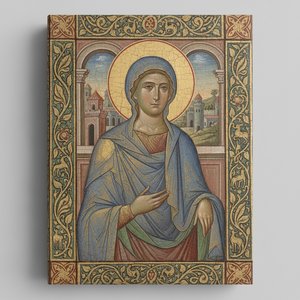
Tempera's Timeless Legacy: 10 Masterpieces That Revolutionized Art | OriginalUniqueArt
Journey through 10 legendary tempera on panel masterpieces by Giotto, Duccio & Botticelli. Explore the history, symbolism & enduring beauty of these iconic artworks. Find museum-quality reproductions for your home at OriginalUniqueArt.com.


