

 إرسال
إرسال مشاركة
 عرض التفاصيل
 دليل الأعمال الفنية للطلاب

 تحميل
تحميل
 قطع مشابهة
 عرض شرائح متتابع
 الإحصائيات
Crucifixion
 Bronze
- Sculpture
- Renaissance Sculpture
 1465
1465- Renaissance
 93.0 x 70.0 cm
 المتحف الوطني دل برادو
 اقرأ المزيد
طباعة جيلي / مطبوعات فنية
طباعة جيكلي أو كانفاس بجودة المتاحف، مع سرعة في التنفيذ وخيارات متنوعة للتشطيب. ( اطلب نسخة مرسومة يدويًا التحويل إلى الصورة الرقمية)




































اختر من بين أحجامنا المُعدّة مسبقاً والتي تتوافق مع النسب الأصلية للعمل الفني.

أدخل العرض والارتفاع اللذين تحتاجهما، ليتناسب مع إطارك أو جدارك. يمكن قص المطبوعة فقط، ولا يمكن أبداً جعلها أكبر من الصورة الأصلية، لذا فإن أي مقاس بشكل مختلف سيؤدي إلى فقدان جزء من الصورة. سنرسل لك نموذجاً رقمياً تجريبياً لاعتماده قبل البدء في عملية الطباعة. الصورة المعروضة في هذه الصفحة لا توضح القص الفعلي — النموذج التجريبي فقط هو ما يظهر ذلك.
توصيل عالمي إلى خلال أسبوعين بدلاً من المدة القياسية البالغة 4/5 أسابيع. (22 أكتوبر)

شحن سريع ومجاني لجميع أنحاء العالم

قماش كتان فاخر

تأمين شامل على الشحن

ضمان استرداد الرسوم الجمركية

ضمان دقة مطابقة الألوان

سياسة الإرجاع خلال 100 يوم (في حالات العيوب فقط)

ضمان استرداد نقدي بنسبة 100%

عرض خصم الكميات
 خيار الزجاج متاح فقط للمقاسات التي تقل عن 110 سم

Crucifixion
طباعة جيلي / مطبوعات فنية
مقاس النسخة المطبوعة
-


إجمالي السعر
E£ 4131
A Moment Frozen in Time: Donatello’s Crucifixion
The bronze sculpture “Crucifixion” by Donatello stands as an enduring testament to the artistic fervor of the Florentine Renaissance, capturing not merely a biblical narrative but also the profound emotional complexities inherent within it. Created in 1465 for Santa Croce Basilica in Florence, this masterpiece transcends its religious subject matter to become a cornerstone of humanist ideals and sculptural innovation.The Artist’s Vision: Classical Influence Meets Spiritual Depth
Donatello (1386-1466), born into a family of sculptors, emerged as one of the foremost figures shaping the artistic landscape of his era. His formative years were steeped in classical sculpture—the rediscovery and emulation of Greek and Roman forms fueled an unprecedented stylistic revolution. Unlike preceding medieval art, which prioritized stylized representations and symbolic ornamentation, Donatello championed anatomical accuracy and naturalistic detail, mirroring the humanist preoccupation with human form and intellect. This commitment to realism is palpable throughout his oeuvre, most notably in “David,” a monumental statue that redefined nude sculpture and cemented Donatello’s reputation as a pioneer of Renaissance aesthetics.Technical Mastery: Bronze Casting and Anatomical Precision
The Crucifixion exemplifies Donatello's unparalleled technical skill. Crafted from bronze—a material chosen for its durability and ability to capture subtle nuances of form—the sculpture underwent a complex casting process, utilizing the lost wax method. This technique allowed for exceptional precision in replicating human anatomy, resulting in a remarkably lifelike depiction of Jesus Christ on the cross. Donatello meticulously studied cadavers to achieve an unprecedented level of anatomical accuracy, surpassing previous artistic conventions and establishing a new standard for sculptural representation. The surface finish is polished to a luminous sheen, enhancing the sculpture’s visual impact and conveying a sense of solemn grandeur.Symbolism and Narrative Resonance: A Reflection of Renaissance Thought
Beyond its technical brilliance, “Cruifixion” resonates deeply with the philosophical currents of the Renaissance. The sculpture portrays Jesus Christ in agony—a deliberate choice that underscores the humanist preoccupation with human suffering and mortality. Unlike depictions emphasizing divine majesty, Donatello’s portrayal focuses on Christ's physical torment, prompting contemplation on themes of compassion, sacrifice, and redemption. The positioning of Christ’s body—with arms outstretched—is a deliberate allusion to classical iconography, symbolizing humility and acceptance of divine judgment. Furthermore, the sculpture’s placement within Santa Croce Basilica served as a powerful visual reminder of Christian faith and spiritual devotion.Emotional Impact: A Timeless Expression of Suffering
“Cruifixion” continues to captivate viewers centuries after its creation due to its profound emotional impact. Donatello skillfully conveys Christ's anguish through subtle gestures and facial expressions—a testament to his mastery of psychological realism. The sculpture’s solemn atmosphere evokes feelings of empathy and reverence, prompting reflection on the human condition and the significance of faith. Its enduring presence within Santa Croce Basilica ensures that “Cruifixion” remains a poignant symbol of Christian piety and artistic excellence, inspiring awe and contemplation for generations to come.Further Exploration
For those interested in delving deeper into Donatello’s legacy, consider visiting Museo Nazionale del Bargello in Florence, where David resides alongside numerous other sculptures showcasing his distinctive style. Examining reproductions of “Crucifixion” can offer valuable insight into the artistic innovations that defined the Florentine Renaissance and solidified Donatello's place as one of history’s greatest sculptors.الأسئلة والأجوبة
ما مدى تناغم الألوان في لوحة "Crucifixion" للفنان دوناتيلو؟
تُظهر ألوان "Crucifixion" للفنان دوناتيلو تناغماً Balanced Harmony. ويصف التناغم كيفية ترابط الألوان مع بعضها البعض.
إلى أي مرحلة من مسيرة دوناتيلو المهنية تنتمي لوحة "Crucifixion" (1465)؟
نظراً لتاريخها الذي يعود إلى 1465، فإن لوحة "Crucifixion" تندرج ضمن Early Renaissance الخاص بـ دوناتيلو.
هل تُعد "Crucifixion" نموذجاً لما اعتاد دوناتيلو على إبداعه عادةً؟
من بين الثيمات المسجلة لـ دوناتيلو - وهي classicalidealism, religiousfaith, humanformrepresentation, medicipatronage, sculpturalinnovation - يركز عمل "Crucifixion" بشكل خاص على christianity, religion, sculpture, florence, renaissanceart, jesuschrist, crosssymbolism.
نبذة عن الفنان
البدايات والمسيرة المهنية
دوناتو دي نيكولو دي بيتو باردي، الذي ذاع صيته باسم دوناتيلو، أبصر النور في مدينة فلورنسا الإيطالية حوالي عام 1386. انغمس في دراسة النحت الكلاسيكي، وهو ما ترك أثراً عميقاً في تشكيل أسلوبه الذي ميز عصر النهضة المبكر؛ حيث كان هذا النهج المبتكر في الفن والثقافة هو الحجر الأساس الذي قامت عليه نهضة فلورنسا العظيمة.أعمال خالدة وابتكارات فنية
تجلت عبقرية دوناتيلو في عمله الأكثر شهرة، تمثال "داود"، الذي يعد أول منحوتة برونزية كاملة لجسد عارٍ منذ العصور القديمة. هذا العمل، الذي جاء بتكليف من عائلة ميديتشي الشهيرة، عكس براعته التقنية وأسلوبه المتجدد. وتضم قائمة إبداعاته الأخرى أعمالاً لا تقل أهمية، منها:- القديس لويس في تولوز (الموجود حالياً في متحف بازيليكا سانتا كروتشي)، والذي تميز بإطار كلاسيكي صممه دوناتيلو بنفسه.
- تضحية إسحاق، التي أبدعها من أجل برج سانتا ماريا ديل فيور في فلورنسا، حيث برزت فيها تفاصيل البورتريه القوية والمؤثرة.
- تمثال المصلوب (1425) لكنيسة سانتا كروتشي، والذي جسد لحظات الألم والمعاناة في شخصية المسيح بكل واقعية.
الأسلوب الفني والإرث الخالد
يمكن تقسيم مسيرة دوناتيلو الفنية إلى مراحل واسعة، بدأت بتطوير القدرة على التعبير والضخامة الكلاسيكية. ورغم أن أعماله لم تلقَ قبولاً فورياً من المجتمع في بداياتها، إلا أنها سرعان ما أصبحت الأكثر شعبية، لتلقي بظلال تأثيرها على البلاطات الإيطالية الأخرى والفنانين الأوروبيين كافة. أبرز الحركات الفنية:الحياة الشخصية وأسلوب العمل
عُرف عن دوناتيلو خلقه الرفيع وودّه الذي جعل الجميع يحبونه، إلا أنه كان يفتقر إلى المهارة في إدارة الجانب التجاري لمسيرته المهنية؛ فقد كان يميل لقبول تكليفات تفوق قدرته على الإنجاز، مما يؤدي غالباً إلى تأخر تسليم الأعمال أو اضطراره لتفويض نحاتين آخرين لإتمامها. أعمال وفنانون بارزون:- ليوناردو دا فينشي: البشارة (تفاصيل)
- أميكو أسبرتيني: تمثال بان / الأسد الذي ينهش حصاناً
- ميكيلانجيلو بوناروتي: توندو بيت
المتاحف والمجموعات الفنية:
- متحف ديلا كوليجياتا (إمبولي، إيطاليا): جوهرة خفية من عصر النهضة، تضم أعمالاً لفرانشيسكو بوتيتشيني ورافاييل بوتيتشيني.
- حركة فن النهضة الإيطالية المبكرة

دوناتيلو
1386 - 1466 , إيطاليا
لمحة سريعة
- Artistic Movement Or Style: عصر النهضة المبكر
- Artists Or Movements Influenced By This Artist:
- عصر النهضة الإيطالي
- عصر النهضة المبكر
- نهضة فلورنسا
- Artists Who Influenced This Artist: ['النحت الكلاسيكي']
- Date Of Birth: حوالي 1386
- Date Of Death: 1466
- Full Name: دوناتيلو دي نيكولو
- Nationality: إيطالي
- Notable Artworks:
- داود
- القديس لويس التولوزي
- ذبح إسحاق
- المصلوب
- Place Of Birth: فلورنسا، إيطاليا
مقالات ذات صلة

Bronze Age to Modern Masters: 10 Sculptures That Redefined Art | OriginalUniqueArt
Journey through art history with 10 legendary bronze sculptures – from Michelangelo's David to Rodin’s Thinker. Explore the stories, techniques & timeless beauty of these masterpieces. Find museum-quality reproductions & elevate your home decor on OriginalUniqueArt.com.

The Enduring Legacy of Bronze: A Historical & Artistic Exploration for the Collector
Explore the rich history & enduring appeal of bronze sculpture with expert insights for collectors at OriginalUniqueArt. Learn about casting techniques, iconic artists, collecting tips & contemporary interpretations.
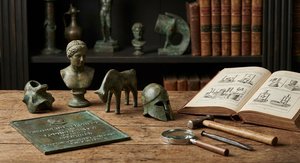
The Enduring Legacy of Bronze: History, Technique & Artistic Expression for the Collector
Explore the rich history & enduring appeal of bronze sculpture with expert insights for collectors at OriginalUniqueArt. Learn about casting techniques, iconic artists, and collecting tips.
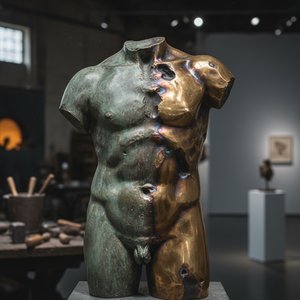
الإرث الدائم للنحت البرونزي: تاريخ، تقنيات، وتفسيرات معاصرة
استكشف تاريخ النحت البرونزي وتقنياته العريقة، من صب الشمع المفقود إلى التحف المعاصرة. دليل شامل لجامعي الفن والمستثمرين والمهتمين بتقييم الأعمال الفنية.

Bronze Sculptures That Defined Art History | OriginalUniqueArt
Journey through art history with our Top 10 bronze sculptures! Explore masterpieces by Rodin, Michelangelo & more. Discover stories behind iconic statues and find museum-quality reproductions for your home decor at OriginalUniqueArt.com.