
 إرسال
إرسال مشاركة
 عرض التفاصيل
 دليل الأعمال الفنية للطلاب

 تحميل
تحميل
 قطع مشابهة
 عرض شرائح متتابع
 Q&A
Q&A الإحصائيات
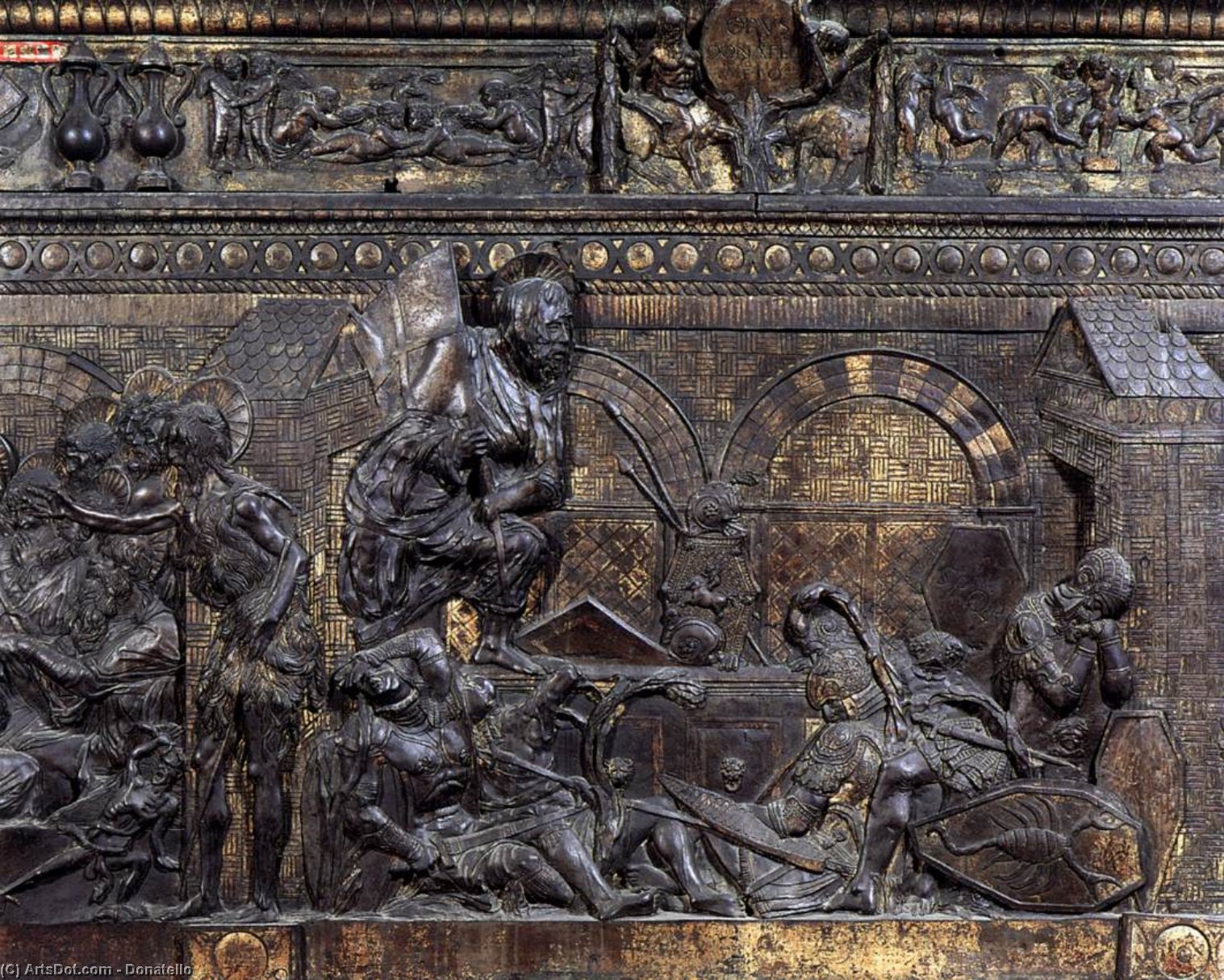
Christ before Pilate and Caiaphas


 اقرأ المزيد
طباعة جيلي / مطبوعات فنية
طباعة جيكلي أو كانفاس بجودة المتاحف، مع سرعة في التنفيذ وخيارات متنوعة للتشطيب. ( اطلب نسخة مرسومة يدويًا التحويل إلى الصورة الرقمية)




































اختر من بين أحجامنا المُعدّة مسبقاً والتي تتوافق مع النسب الأصلية للعمل الفني.

أدخل العرض والارتفاع اللذين تحتاجهما، ليتناسب مع إطارك أو جدارك. يمكن قص المطبوعة فقط، ولا يمكن أبداً جعلها أكبر من الصورة الأصلية، لذا فإن أي مقاس بشكل مختلف سيؤدي إلى فقدان جزء من الصورة. سنرسل لك نموذجاً رقمياً تجريبياً لاعتماده قبل البدء في عملية الطباعة. الصورة المعروضة في هذه الصفحة لا توضح القص الفعلي — النموذج التجريبي فقط هو ما يظهر ذلك.
توصيل عالمي إلى خلال أسبوعين بدلاً من المدة القياسية البالغة 4/5 أسابيع. (29 أكتوبر)

شحن سريع ومجاني لجميع أنحاء العالم

قماش كتان فاخر

تأمين شامل على الشحن

ضمان استرداد الرسوم الجمركية

ضمان دقة مطابقة الألوان

سياسة الإرجاع خلال 100 يوم (في حالات العيوب فقط)

ضمان استرداد نقدي بنسبة 100%

عرض خصم الكميات
 خيار الزجاج متاح فقط للمقاسات التي تقل عن 110 سم

Christ before Pilate and Caiaphas
طباعة جيلي / مطبوعات فنية
مقاس النسخة المطبوعة
-


إجمالي السعر
E£ 4167
Donatello’s ‘Christ Before Pilate and Caiaphas’: A Crucible of Renaissance Emotion
Donatello's 1460 bronze sculpture, “Christ Before Pilate and Caiaphas,” stands as a monumental achievement within the burgeoning artistic landscape of the Italian Renaissance. Housed in the San Lorenzo museum in Florence, this work transcends mere biblical representation; it’s a visceral exploration of human drama, political intrigue, and spiritual torment – a testament to Donatello's revolutionary approach to sculpture that profoundly shaped the course of Western art. The sheer density of figures, meticulously rendered in warm bronze tones, immediately draws the viewer into the heart of the scene: Christ, positioned at the apex of the composition, confronts the Roman governor and the Jewish high priest, their faces etched with a potent blend of authority, doubt, and perhaps even veiled judgment.
- A Masterclass in Renaissance Realism: Donatello’s genius lies not just in his technical skill but in his ability to imbue stone – or in this case, bronze – with palpable emotion. The figures are not idealized abstractions; they possess a raw humanity, evident in the strained expressions and subtly shifting postures that convey the weight of the moment.
- The Power of Bronze Casting: The sculpture’s creation involved the complex process of bronze casting, a technique perfected by Donatello himself. This method, utilizing molds and molten metal, allowed for incredible detail – from the folds of Christ's garment to the stern features of Pilate – while simultaneously lending the piece an inherent sense of age and gravitas.
Historical Context and Symbolism
Created during a period of intense religious and political upheaval, “Christ Before Pilate and Caiaphas” reflects the anxieties and tensions of its time. The Renaissance was witnessing a renewed interest in classical antiquity, yet simultaneously grappling with the profound questions posed by Christianity. Donatello’s depiction of Christ is deliberately ambiguous, refusing to offer easy answers or simplistic moral judgments. The scene isn't merely a historical record; it’s an allegory for human fallibility and the struggle between good and evil. The inclusion of Roman soldiers and Jewish leaders underscores the political context of Christ’s trial – a microcosm of power struggles and accusations.
- Pilate’s Hesitation: Pilate's posture, often interpreted as one of reluctant compromise, is particularly compelling. His hands are clasped in a gesture of uncertainty, suggesting the moral dilemma he faced.
- Caiaphas’s Sternness: Conversely, Caiaphas embodies unwavering authority and religious zeal, his gaze fixed upon Christ with an expression of resolute condemnation.
Technique and Materiality
Donatello's mastery is immediately apparent in the sculpture’s surface treatment. The bronze has been skillfully patinated to achieve a rich, aged appearance, enhancing the sense of history and lending a tactile quality to the work. The artist employed strong lines to define the figures and their drapery, while finer details – such as the expressions on Christ's face and the folds in Pilate’s toga – are rendered with remarkable precision. The use of light and shadow further emphasizes the three-dimensionality of the sculpture, creating a dramatic effect that draws the viewer into the scene. The choice of bronze itself was significant; it was a material associated with strength, durability, and divine authority, perfectly suited to represent this pivotal moment in Christian history.
A Legacy of Innovation
"Christ Before Pilate and Caiaphas" is more than just a beautiful sculpture; it’s a cornerstone of Renaissance art. Donatello's innovative approach – his emphasis on realism, emotional expression, and the exploration of complex human themes – paved the way for generations of artists to come. Its influence can be seen in countless subsequent works, solidifying its place as one of the most important sculptures of the era. A hand-painted reproduction offers a remarkable opportunity to experience this masterpiece firsthand, bringing its power and beauty into your own space.
الأسئلة والأجوبة
ما مدى التناغم بين ألوان "Christ before Pilate and Caiaphas"؟
يُصنف التناغم اللوني لـ "Christ before Pilate and Caiaphas" على أنه Discordant Palette.
كيف يمكنني اكتشاف أعمال فنية مشابهة لـ "Christ before Pilate and Caiaphas" للفنان دوناتيلو؟
تُجمع الأعمال الفنية المشابهة لـ "Christ before Pilate and Caiaphas" للفنان دوناتيلو في صفحة أعمال مشابهة الخاصة بالعمل الفني.
ما هو الحجم المناسب لطباعة "Christ before Pilate and Caiaphas" لغرفتي؟
في Living Room، يُقترح طباعة "Christ before Pilate and Caiaphas" بحجم Large.
نبذة عن الفنان
البدايات والمسيرة المهنية
دوناتو دي نيكولو دي بيتو باردي، الذي ذاع صيته باسم دوناتيلو، أبصر النور في مدينة فلورنسا الإيطالية حوالي عام 1386. انغمس في دراسة النحت الكلاسيكي، وهو ما ترك أثراً عميقاً في تشكيل أسلوبه الذي ميز عصر النهضة المبكر؛ حيث كان هذا النهج المبتكر في الفن والثقافة هو الحجر الأساس الذي قامت عليه نهضة فلورنسا العظيمة.أعمال خالدة وابتكارات فنية
تجلت عبقرية دوناتيلو في عمله الأكثر شهرة، تمثال "داود"، الذي يعد أول منحوتة برونزية كاملة لجسد عارٍ منذ العصور القديمة. هذا العمل، الذي جاء بتكليف من عائلة ميديتشي الشهيرة، عكس براعته التقنية وأسلوبه المتجدد. وتضم قائمة إبداعاته الأخرى أعمالاً لا تقل أهمية، منها:- القديس لويس في تولوز (الموجود حالياً في متحف بازيليكا سانتا كروتشي)، والذي تميز بإطار كلاسيكي صممه دوناتيلو بنفسه.
- تضحية إسحاق، التي أبدعها من أجل برج سانتا ماريا ديل فيور في فلورنسا، حيث برزت فيها تفاصيل البورتريه القوية والمؤثرة.
- تمثال المصلوب (1425) لكنيسة سانتا كروتشي، والذي جسد لحظات الألم والمعاناة في شخصية المسيح بكل واقعية.
الأسلوب الفني والإرث الخالد
يمكن تقسيم مسيرة دوناتيلو الفنية إلى مراحل واسعة، بدأت بتطوير القدرة على التعبير والضخامة الكلاسيكية. ورغم أن أعماله لم تلقَ قبولاً فورياً من المجتمع في بداياتها، إلا أنها سرعان ما أصبحت الأكثر شعبية، لتلقي بظلال تأثيرها على البلاطات الإيطالية الأخرى والفنانين الأوروبيين كافة. أبرز الحركات الفنية:الحياة الشخصية وأسلوب العمل
عُرف عن دوناتيلو خلقه الرفيع وودّه الذي جعل الجميع يحبونه، إلا أنه كان يفتقر إلى المهارة في إدارة الجانب التجاري لمسيرته المهنية؛ فقد كان يميل لقبول تكليفات تفوق قدرته على الإنجاز، مما يؤدي غالباً إلى تأخر تسليم الأعمال أو اضطراره لتفويض نحاتين آخرين لإتمامها. أعمال وفنانون بارزون:- ليوناردو دا فينشي: البشارة (تفاصيل)
- أميكو أسبرتيني: تمثال بان / الأسد الذي ينهش حصاناً
- ميكيلانجيلو بوناروتي: توندو بيت
المتاحف والمجموعات الفنية:
- متحف ديلا كوليجياتا (إمبولي، إيطاليا): جوهرة خفية من عصر النهضة، تضم أعمالاً لفرانشيسكو بوتيتشيني ورافاييل بوتيتشيني.
- حركة فن النهضة الإيطالية المبكرة

دوناتيلو
1386 - 1466 , إيطاليا
لمحة سريعة
- Artistic Movement Or Style: عصر النهضة المبكر
- Artists Or Movements Influenced By This Artist:
- عصر النهضة الإيطالي
- عصر النهضة المبكر
- نهضة فلورنسا
- Artists Who Influenced This Artist: ['النحت الكلاسيكي']
- Date Of Birth: حوالي 1386
- Date Of Death: 1466
- Full Name: دوناتيلو دي نيكولو
- Nationality: إيطالي
- Notable Artworks:
- داود
- القديس لويس التولوزي
- ذبح إسحاق
- المصلوب
- Place Of Birth: فلورنسا، إيطاليا
مقالات ذات صلة

The Enduring Form: Sculpture Across History, Technique & Emotional Resonance
Explore the rich history of sculpture with OriginalUniqueArt. Discover key techniques, influential artists & investment potential for discerning collectors. Expert insights into valuing and collecting timeless masterpieces.

Bronze Sculptures That Defined Art History | OriginalUniqueArt
Journey through art history with our Top 10 bronze sculptures! Explore masterpieces by Rodin, Michelangelo & more. Discover stories behind iconic statues and find museum-quality reproductions for your home decor at OriginalUniqueArt.com.
الإرث الدائم للنحت البرونزي: تاريخ، تقنيات، وتفسيرات معاصرة
استكشف تاريخ النحت البرونزي وتقنياته العريقة، من صب الشمع المفقود إلى التحف المعاصرة. دليل شامل لجامعي الفن والمستثمرين والمهتمين بتقييم الأعمال الفنية.

The Enduring Form: Exploring Themes & Techniques in Sculpture Across Historical Periods
Explore the rich history of sculpture from ancient masterpieces to contemporary innovations. Discover key techniques, influential artists & investment potential for discerning art collectors.

Bronze Age to Modern Masters: 10 Sculptures That Redefined Art | OriginalUniqueArt
Journey through art history with 10 legendary bronze sculptures – from Michelangelo's David to Rodin’s Thinker. Explore the stories, techniques & timeless beauty of these masterpieces. Find museum-quality reproductions & elevate your home decor on OriginalUniqueArt.com.