

 إرسال
إرسال مشاركة
 عرض التفاصيل
 دليل الأعمال الفنية للطلاب

 تحميل
تحميل
 قطع مشابهة
 عرض شرائح متتابع
 الإحصائيات
Cantoria
 Marble
- Sculpture
- Early Renaissance
 1439
1439 348.0 x 570.0 cm
 متحف برادو
 اقرأ المزيد
نسخة زيتية مصنوعة يدوياً
لوحة زيتية مرسومة يدوياً على الكانفاس بالمقاس والإطار الذي تفضله، تُنفذ حسب الطلب على أيدي فنانينا. ( التبديل إلى المطبوعات التحويل إلى الصورة الرقمية)




































اختر من بين أحجامنا المُعدّة مسبقاً والتي تتوافق مع النسب الأصلية للعمل الفني.

أدخل العرض والارتفاع اللذين تحتاجهما، ليتناسب العمل مع إطارك أو جدارك. وبما أن هذه اللوحة مرسومة يدوياً، ففي حال اختيار مقاس بشكل مختلف، يمكن للفنان رسم مساحة إضافية حول الصورة أو تقليصها قليلاً — الخيار لك. سنرسل لك نموذجاً رقمياً تجريبياً لاعتماده قبل البدء في الرسم. علماً بأن الصورة المعروضة في هذه الصفحة لا تعكس النتيجة النهائية الحقيقية — فالنموذج التجريبي هو الوحيد الذي يوضح ذلك بدقة.
بعد إتمام الطلب، سيرسل فريق OriginalUniqueArt.com بريداً إلكترونياً للعميل لطلب التعليمات وتزويده بمعاينة تجريبية (mockup).
توصيل عالمي إلى خلال 3 إلى 4 أسابيع بدلاً من المدة المعتادة البالغة 5 أسابيع. (27 أكتوبر). جودة لا تهاون فيها.

شحن سريع ومجاني لجميع أنحاء العالم

قماش كتان فاخر

تأمين شامل على الشحن

ضمان استرداد الرسوم الجمركية

ضمان دقة مطابقة الألوان

سياسة الإرجاع خلال 100 يوم (في حالات العيوب فقط)

ضمان استرداد نقدي بنسبة 100%

عرض خصم الكميات
 خيار الزجاج متاح فقط للمقاسات التي تقل عن 110 سم

Cantoria
وسيط إعادة الإنتاج
مقاس النسخة المطبوعة
-


إجمالي السعر
E£ 15618
The Echoes of Florence: Donatello’s Cantoria
Within the hallowed halls of the Museo dell'Opera del Duomo in Florence resides a sculpture that transcends mere stone and marble – it is an embodiment of Renaissance spirit, a vibrant testament to human aspiration. Donatello’s Cantoria, completed in 1439, isn’t simply a decorative element above a choir; it’s a dynamic narrative carved into the very fabric of space, inviting contemplation on faith, music, and the boundless energy of life itself. Commissioned for the south sacristy of Florence Cathedral, this monumental marble relief stands as a pivotal work, showcasing Donatello's mastery and signaling a dramatic shift in artistic expression.
The sculpture’s genesis lies within the Early Renaissance, a period of profound transformation where classical ideals intertwined with burgeoning humanism. Donatello, deeply influenced by his study of ancient Greek and Roman sculpture, sought to capture not just likeness but also emotion and movement – a departure from the more static representations prevalent in preceding centuries. The Cantoria reflects this ambition; it’s a celebration of earthly joy expressed through the depiction of a bustling scene of singing, dancing, and musical performance. The sheer scale of the work—measuring an impressive 348 x 570 cm—immediately commands attention, drawing the viewer into its intricate world.
A Symphony in Marble: Technique and Design
Donatello’s genius is immediately apparent in his masterful manipulation of marble. The sculpture isn't a smooth, polished surface; instead, it’s characterized by deeply incised lines, dramatic contrasts between light and shadow, and an astonishing level of detail. The figures are not rendered with idealized beauty but rather with a palpable sense of humanity – their faces etched with expressions of delight, exertion, and communal spirit. The use of architectural elements—columns, arches, and a pediment adorned with acanthus leaves—adds to the sculpture’s grandeur, creating a harmonious blend of classical form and Renaissance dynamism.
Notably, Donatello employed a technique known as “spolvero,” using a tool to dust away excess marble, leaving behind delicate lines that define the forms. This method, combined with his meticulous carving, results in an astonishingly lifelike quality, particularly evident in the faces of the figures. The incorporation of glass paste and gilded elements further enhances the visual impact, creating a shimmering effect that seems to imbue the scene with divine light. The frieze depicting dancing putti—winged cherubs—is a particular highlight, their swirling movements conveying an infectious sense of joy and celebration.
Symbolism and Spiritual Resonance
Beyond its technical brilliance, the Cantoria is rich in symbolic meaning. The act of singing and music itself represents praise and devotion to God – a core tenet of Renaissance spirituality. The depiction of diverse human activities—dancing, playing instruments, and engaging in communal rituals—underscores the importance of community and shared experience within the Christian faith. The use of the term “putti” (little spirits) suggests an elevation of these earthly pleasures to a realm of divine grace.
The architectural setting – the choir loft above the sacristy – further amplifies the sculpture’s symbolic significance. It was intended as a space for liturgical music and communal worship, transforming the Cantoria into more than just a decorative element; it became an integral part of the sacred ritual. The overall impression is one of exuberant joy and spiritual elevation, reflecting the Renaissance belief in the potential for human flourishing within a divinely ordained world.
A Legacy Enduring: Reproduction and Inspiration
Today, Donatello’s Cantoria remains a source of inspiration for artists and designers alike. Its dynamic composition, masterful technique, and profound symbolism continue to resonate with audiences across centuries. High-quality reproductions capture the essence of this remarkable sculpture, allowing viewers to appreciate its beauty and complexity in their own homes or studios. Whether admired as a historical artifact or simply enjoyed as a work of art, the Cantoria stands as a timeless testament to the creative genius of Donatello and the enduring power of Renaissance artistry.
الأسئلة والأجوبة
ما هو الحجم الموصى به لطباعة "Cantoria"؟
حجم الطباعة الموصى به لعمل "Cantoria" للفنان دوناتيلو هو Large.
ما هي تقنية وحجم العمل الأصلي "Cantoria" للفنان دوناتيلو؟
العمل الأصلي "Cantoria" للفنان دوناتيلو هو عمل من نوع Marble وبمقاس 348 x 570 cm. تصف التقنية والحجم القطعة الأصلية.
من الذي أبدع "Cantoria" وفي أي عام؟
نبذة عن الفنان
البدايات والمسيرة المهنية
دوناتو دي نيكولو دي بيتو باردي، الذي ذاع صيته باسم دوناتيلو، أبصر النور في مدينة فلورنسا الإيطالية حوالي عام 1386. انغمس في دراسة النحت الكلاسيكي، وهو ما ترك أثراً عميقاً في تشكيل أسلوبه الذي ميز عصر النهضة المبكر؛ حيث كان هذا النهج المبتكر في الفن والثقافة هو الحجر الأساس الذي قامت عليه نهضة فلورنسا العظيمة.أعمال خالدة وابتكارات فنية
تجلت عبقرية دوناتيلو في عمله الأكثر شهرة، تمثال "داود"، الذي يعد أول منحوتة برونزية كاملة لجسد عارٍ منذ العصور القديمة. هذا العمل، الذي جاء بتكليف من عائلة ميديتشي الشهيرة، عكس براعته التقنية وأسلوبه المتجدد. وتضم قائمة إبداعاته الأخرى أعمالاً لا تقل أهمية، منها:- القديس لويس في تولوز (الموجود حالياً في متحف بازيليكا سانتا كروتشي)، والذي تميز بإطار كلاسيكي صممه دوناتيلو بنفسه.
- تضحية إسحاق، التي أبدعها من أجل برج سانتا ماريا ديل فيور في فلورنسا، حيث برزت فيها تفاصيل البورتريه القوية والمؤثرة.
- تمثال المصلوب (1425) لكنيسة سانتا كروتشي، والذي جسد لحظات الألم والمعاناة في شخصية المسيح بكل واقعية.
الأسلوب الفني والإرث الخالد
يمكن تقسيم مسيرة دوناتيلو الفنية إلى مراحل واسعة، بدأت بتطوير القدرة على التعبير والضخامة الكلاسيكية. ورغم أن أعماله لم تلقَ قبولاً فورياً من المجتمع في بداياتها، إلا أنها سرعان ما أصبحت الأكثر شعبية، لتلقي بظلال تأثيرها على البلاطات الإيطالية الأخرى والفنانين الأوروبيين كافة. أبرز الحركات الفنية:الحياة الشخصية وأسلوب العمل
عُرف عن دوناتيلو خلقه الرفيع وودّه الذي جعل الجميع يحبونه، إلا أنه كان يفتقر إلى المهارة في إدارة الجانب التجاري لمسيرته المهنية؛ فقد كان يميل لقبول تكليفات تفوق قدرته على الإنجاز، مما يؤدي غالباً إلى تأخر تسليم الأعمال أو اضطراره لتفويض نحاتين آخرين لإتمامها. أعمال وفنانون بارزون:- ليوناردو دا فينشي: البشارة (تفاصيل)
- أميكو أسبرتيني: تمثال بان / الأسد الذي ينهش حصاناً
- ميكيلانجيلو بوناروتي: توندو بيت
المتاحف والمجموعات الفنية:
- متحف ديلا كوليجياتا (إمبولي، إيطاليا): جوهرة خفية من عصر النهضة، تضم أعمالاً لفرانشيسكو بوتيتشيني ورافاييل بوتيتشيني.
- حركة فن النهضة الإيطالية المبكرة

دوناتيلو
1386 - 1466 , إيطاليا
لمحة سريعة
- Artistic Movement Or Style: عصر النهضة المبكر
- Artists Or Movements Influenced By This Artist:
- عصر النهضة الإيطالي
- عصر النهضة المبكر
- نهضة فلورنسا
- Artists Who Influenced This Artist: ['النحت الكلاسيكي']
- Date Of Birth: حوالي 1386
- Date Of Death: 1466
- Full Name: دوناتيلو دي نيكولو
- Nationality: إيطالي
- Notable Artworks:
- داود
- القديس لويس التولوزي
- ذبح إسحاق
- المصلوب
- Place Of Birth: فلورنسا، إيطاليا
مقالات ذات صلة

The Enduring Allure of Marble in Art History: From Classical Sculpture to Modern Abstraction
Explore the captivating history of marble sculpture from ancient Greece to modern art. Discover renowned artists like Canova & Michelangelo, carving techniques, and investment insights at OriginalUniqueArt.

The Enduring Form: Exploring Themes & Techniques in Sculpture Across Historical Periods
Explore the rich history of sculpture from ancient masterpieces to contemporary innovations. Discover key techniques, influential artists & investment potential for discerning art collectors.
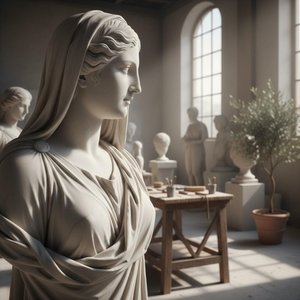
Timeless Elegance: A Complete Guide to the Sublime Beauty and Artistry of Marble Sculpture
Discover the sublime beauty of marble art through an expert exploration of Renaissance and Neoclassical masterpieces. From the delicate textures of Carpeaux to the grandeur of Sansovino, immerse yourself in a guide to timeless elegance and sculptural perfection.

Bronze Age to Modern Masters: 10 Sculptures That Redefined Art | OriginalUniqueArt
Journey through art history with 10 legendary bronze sculptures – from Michelangelo's David to Rodin’s Thinker. Explore the stories, techniques & timeless beauty of these masterpieces. Find museum-quality reproductions & elevate your home decor on OriginalUniqueArt.com.

Bronze Sculptures That Defined Art History | OriginalUniqueArt
Journey through art history with our Top 10 bronze sculptures! Explore masterpieces by Rodin, Michelangelo & more. Discover stories behind iconic statues and find museum-quality reproductions for your home decor at OriginalUniqueArt.com.