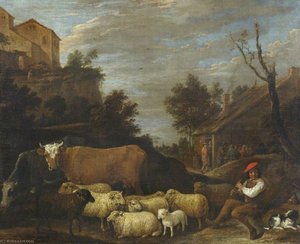
معاينة الحجم الواقعي
 إرسال
إرسال مشاركة
 عرض التفاصيل
 دليل الأعمال الفنية للطلاب

 تحميل
تحميل
 قطع مشابهة
 الأشعة السينية
 عرض شرائح متتابع
 الإحصائيات
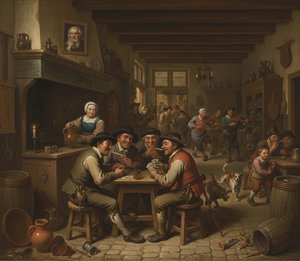
The Kitchen
 Acrylic On Canvas
- WallArt
- Baroque
 1646
1646 171.0 x 237.0 cm
 متحف الإرميتاج
 اقرأ المزيد
طباعة جيلي / مطبوعات فنية
طباعة جيكلي أو كانفاس بجودة المتاحف، مع سرعة في التنفيذ وخيارات متنوعة للتشطيب. ( اطلب نسخة مرسومة يدويًا التحويل إلى الصورة الرقمية)




P118B E£10

P118H E£10

P118W E£10

P438Z E£10

P508JH E£12

P508YH E£12

P805H E£10

P805Z E£10

P919BZ E£10

P919G E£10

P919XJ E£10

P959ZH E£10

P968JZ E£12

W106C E£8

W218G E£10

W218JH E£8

W218Y E£10

W307PJ E£10

W316G E£10

W316PJ E£8

W316Y E£10

W398PJ E£8

W4111J E£10

W500HY E£15

W500JH E£15

W692G E£12

W849H E£8

W940BG E£15

W953PJ E£8




اختر من بين أحجامنا المُعدّة مسبقاً والتي تتوافق مع النسب الأصلية للعمل الفني.

أدخل العرض والارتفاع اللذين تحتاجهما، ليتناسب مع إطارك أو جدارك. يمكن قص المطبوعة فقط، ولا يمكن أبداً جعلها أكبر من الصورة الأصلية، لذا فإن أي مقاس بشكل مختلف سيؤدي إلى فقدان جزء من الصورة. سنرسل لك نموذجاً رقمياً تجريبياً لاعتماده قبل البدء في عملية الطباعة. الصورة المعروضة في هذه الصفحة لا توضح القص الفعلي — النموذج التجريبي فقط هو ما يظهر ذلك.
توصيل عالمي إلى خلال أسبوعين بدلاً من المدة القياسية البالغة 4/5 أسابيع. (24 أكتوبر)

شحن سريع ومجاني لجميع أنحاء العالم

قماش كتان فاخر

تأمين شامل على الشحن

ضمان استرداد الرسوم الجمركية

ضمان دقة مطابقة الألوان

سياسة الإرجاع خلال 100 يوم (في حالات العيوب فقط)

ضمان استرداد نقدي بنسبة 100%

عرض خصم الكميات
 خيار الزجاج متاح فقط للمقاسات التي تقل عن 110 سم

The Kitchen
طباعة جيلي / مطبوعات فنية
مقاس النسخة المطبوعة
-


إجمالي السعر
E£ 4136
A Snapshot of Everyday Life: David Teniers the Younger’s “The Kitchen”
David Teniers the Younger's "The Kitchen," painted in 1646, isn’t merely a depiction of a domestic scene; it’s a vibrant tableau brimming with life, humor, and an astute observation of Flemish society. This remarkable work transcends simple genre painting, offering a glimpse into the heart of a bustling household—a microcosm reflecting the rhythms and relationships of everyday existence. Measuring 171 x 237 cm, the canvas explodes with activity, populated by thirteen individuals engaged in various tasks within a richly detailed kitchen environment. The sheer number of figures, coupled with their diverse interactions – from children playfully chasing birds to adults tending hearths and tables – immediately draws the viewer into this immersive world.
The painting’s Baroque style is evident in its dynamic composition, dramatic lighting, and meticulous attention to detail. Teniers masterfully employs a technique of *alla prima*, working directly onto the wet canvas without underdrawing, resulting in a sense of immediacy and spontaneity. Notice how he captures the textures of rough-hewn wooden furniture, the glint of metal tools, and the folds of fabric with remarkable precision. The artist’s use of color is equally noteworthy – warm earth tones dominate, punctuated by brighter accents that draw attention to key elements within the scene, such as a vibrant red tablecloth or the gleam of copper pots.
A Window into 17th-Century Flanders
To understand “The Kitchen,” it’s crucial to situate it within its historical context. The painting was created during a period of significant artistic and social change in the Netherlands, following the decline of the High Renaissance and the rise of Baroque styles. David Teniers the Younger emerged as a leading figure in this transition, skillfully blending influences from his father's earlier work with contemporary trends. His subject matter often revolved around scenes of rural life, domestic interiors, and tavern gatherings – themes that resonated deeply with the burgeoning middle class.
The inclusion of numerous animals—a dog, two cats, and a flock of birds—adds another layer of interest to the composition. Animals were frequently depicted in Flemish art, often serving as symbols of fertility, abundance, or domesticity. In “The Kitchen,” they seamlessly integrate into the human drama, contributing to the overall sense of lively chaos. The presence of books suggests an appreciation for learning and intellectual pursuits within the household, while the scattered bottles and bowls hint at a life filled with simple pleasures and convivial gatherings.
Symbolism and Social Commentary
Beyond its immediate visual appeal, “The Kitchen” offers subtle insights into 17th-century Flemish society. The scene’s bustling energy reflects the importance of family and community in this era. The various activities taking place—cooking, eating, cleaning, and socializing—highlighted the central role of the home as a focal point for social interaction. The inclusion of both adults and children underscores the multi-generational nature of Flemish households. Furthermore, the painting’s depiction of everyday life provides a valuable glimpse into the material culture and social customs of the time.
Interestingly, Teniers' career was marked by a remarkable versatility. He served as a court painter, a printmaker, and even a curator for Archduke Leopold Wilhelm, demonstrating a broad range of artistic skills and interests. His ability to capture both the grandeur of formal portraits and the intimacy of genre scenes cemented his reputation as one of the most prolific and influential artists of his generation. “The Kitchen” stands as a testament to this remarkable talent, offering a captivating window into a bygone era.
الأسئلة والأجوبة
من الذي أبدع "The Kitchen" وفي أي عام؟
مؤلف "The Kitchen" هو دافيد تينيير الابن، ويعود تاريخ العمل إلى 1646.
ما هو اللون الطاغي الذي ينساب عبر "The Kitchen" للفنان دافيد تينيير الابن؟
اللون السائد في "The Kitchen" للفنان دافيد تينيير الابن هو Golden Yellow Range. ويمثل هذا اللون النغمة الأساسية لمجموعة الألوان المستخدمة.
هل يُعد "The Kitchen" للفنان دافيد تينيير الابن عملاً فنياً مشهوراً؟
تُصنف لوحة "The Kitchen" على أنها Recognized.
نبذة عن الفنان
ديفيد تينييرز الأصغر: حياة وإرث فنان الباروك الفلمنكي
ولد ديفيد تينييرز الأصغر في مدينة أنتويرب البلجيكية بتاريخ 15 ديسمبر عام 1610، لأسرة غارقة في التقاليد الفنية العريقة لفلاندر. كان والده، ديفيد تينييرز الأكبر، رسامًا أيضًا، وسلك العديد من أشقائه مسارات فنية مماثلة. تلقى تينييرز تعليمه الأولي على يد والده، حيث اكتسب أساسيات التقنيات والأساليب الفنية. واجهت الأسرة صعوبات مالية في بعض الأحيان، مما دفع ديفيد الشاب إلى عمل نسخ من اللوحات القديمة للمساعدة في دخل الأسرة.
التطور الفني والتأثيرات المبكرة
في بداية مسيرته الفنية، تأثر تينييرز بشكل كبير بأسلوب والده، مع التركيز على اللوحات الصغيرة المخصصة للخزائن. كما استوعب تأثيرات رسامين فلمنكيين آخرين مثل بيتر بروغل الأكبر. شكلت علاقته الوثيقة بالرسام الشهير بيتر بول روبنز نقطة تحول حاسمة في تطوره الفني. تزوج تينييرز من آنا بروغيل، ابنة يان بروغيل الأكبر، وكان روبنز شاهدًا على زواجهما، مما أرسى علاقة قوية بينهما. بدأ تينييرز تدريجيًا في التخصص في الرسم النوعي – تصوير الحياة اليومية – واشتهر بمشاهده النابضة بالحياة لمهرجانات الفلاحين (الكرميس)، ودواخل الحانات، والمناظر الطبيعية الريفية.
أعماله الرئيسية وأسلوبه الفريد
تعتبر لوحاته النوعية من أشهر أعماله. غالبًا ما تصور هذه اللوحات مشاهد صاخبة للحياة الفلاحية المليئة بالمرح والرقص والشرب والألعاب. تمثل سلسلة "الكرميس الفلمنكي" أسلوبه بشكل مثالي – بألوانها الزاهية، وتكويناتها التفصيلية، وملاحظته الدقيقة للسلوك البشري. بالإضافة إلى ذلك، أنتج تينييرز لوحات مناظر طبيعية ساحرة، غالبًا ما تتضمن شخصيات منخرطة في الأنشطة الريفية. تتميز مشاهد الحانات الخاصة به بشكل خاص بتصويرها الواقعي للحياة اليومية والأجواء المفعمة بالحيوية داخل هذه المؤسسات.
رسام البلاط ومسؤول المجموعات الفنية
اكتسب تينييرز تقديرًا كبيرًا في بلاط هابسبورغ. أصبح رسامًا للبلاط وأمينًا لمجموعة الأرشيدوق ليوبولد ويليام، الحاكم العام للأراضي المنخفضة الإسبانية. بصفته أمينًا للمجموعات الفنية، كان مسؤولاً عن إدارة مجموعة الأرشيدوق الواسعة من الأعمال الفنية، وإعداد جردها، وتصنيفها. لعب تينييرز دورًا حاسمًا في تأسيس أكاديمية أنتويرب للفنون الجميلة، بهدف إحياء الرسم الفلمنكي بعد فترة من التراجع أعقاب وفاة روبنز وفان دايك.
الأهمية التاريخية والإرث الدائم
يُعتبر ديفيد تينييرز الأصغر الرسام النوعي الفلمنكي الرائد في عصره، حيث استطاع التقاط جوهر الحياة في القرن السابع عشر بمهارة فائقة. أثرت أعماله على أجيال لاحقة من رسامي شمال أوروبا، بل وتأثيرًا على فناني الروكوكو الفرنسيين مثل أنطوان واتو. كان تينييرز فنانًا غزير الإنتاج بشكل لا يصدق، حيث أنتج كمية هائلة من الأعمال التي لا يزال يتم الإعجاب بها لجاذبيتها وتفاصيلها ورؤيتها التاريخية. توفي في أنتويرب بتاريخ 25 أبريل عام 1690، تاركًا وراءه إرثًا دائمًا كواحد من أهم رسامي الباروك الفلمنكي.
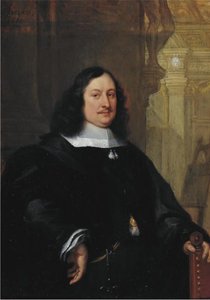
دافيد تينيير الابن
1610 - 1690 , بلجيكا
لمحة سريعة
- الأعمال البارزة:
- سكرانان اثنان
- مشهد قرية
- مشهد مطبخ
- كرميس فلمنكي
- الاسم الكامل: دافيد تينيير الابن
- الجنسية: فلمنكي
- الحركة الفنية: الباروك
- الفنانون المؤثرون: ['بيتر بول روبنز']
- الفنانون المتأثرون: ['أنطوان واتو']
- تاريخ الميلاد: 15 ديسمبر 1610
- تاريخ الوفاة: 25 أبريل 1690
- مكان الميلاد: أنتويرب، بلجيكا
مقالات ذات صلة
Jacob Jordaens: Baroque Dynamism & Genre Innovation of the Antwerp School
Discover Jacob Jordaens, a leading Flemish Baroque painter renowned for his dynamic compositions & realistic genre scenes. Explore his life, art, and lasting influence with OriginalUniqueArt.
David Teniers the Younger: Genre Painting & Social Commentary in Baroque Flanders
Explore the captivating world of David Teniers the Younger, a leading Flemish Baroque painter. Discover his genre scenes, social commentary, and lasting influence on 17th-century art. Learn about his life, techniques & legacy.
David Teniers II: Master of Flemish Genre & Social Commentary
Explore the captivating world of David Teniers II, a leading Flemish Baroque painter renowned for his lively genre scenes & insightful social commentary. Discover his masterpieces and legacy with OriginalUniqueArt.

The Visceral Stage: Exploring Dramatic Narratives & Emotional Intensity in Baroque Art
Explore the dramatic world of Baroque art! Discover iconic masters like Caravaggio & Rembrandt, their techniques, and the movement's lasting impact. Expert insights for collectors & enthusiasts at OriginalUniqueArt.

Mastering Drama and Light: A Definitive Guide to the Flemish Baroque Art Movement
Explore the dramatic brilliance of the Flemish Baroque movement. Discover how masters like Peter Paul Rubens utilized chiaroscuro and dynamic composition to redefine art history through light, shadow, and unparalleled emotion.