1953
Beach Profile (David Park, 1953)
أبدع David Park (1911–1960) في Beach Profile. يعود تاريخها إلى 1953. أبعادها 85 × 76 cm
- 1953
- 85 × 76 cm

 معاينة الحجم الواقعي

 لوحة زيتية مرسومة يدوياً
 مشاركة
 مشاركة
 ورقة الحقائق


 تحميل الملف
 قطع مشابهة
 الأشعة السينية
 عرض شرائح
 الأسئلة والأجوبة

 الإحصائيات
Beach Profile باختصار
- العنوان
- Beach Profile
- الفنان
- David Park (1911–1960)
- تاريخ ميلاد الفنان
- Boston, United States
- التاريخ
- 1953
- الأبعاد
- 85 × 76 cm
صور عالية الدقة لـ Beach Profile

Protected by copyright: these files are for personal reference, not a licence to republish.
David Park, Beach Profile (1953).
أسئلة وإجابات حول Beach Profile
في أي عام أُبدعت "Beach Profile" للفنان David Park؟
يعود تاريخ "Beach Profile" إلى عام 1953، وهو ما يضع العمل ضمن المسيرة المهنية لـ David Park وفي سياق حقبته الزمنية.
ما هي أبعاد العمل الأصلي "Beach Profile"؟
تبلغ أبعاد "Beach Profile" في شكلها الأصلي 85 x 76 cm. وتُعد الأبعاد الأصلية مرجعاً مفيداً عند اختيار حجم النسخة المطبوعة.
هل "Beach Profile" للفنان David Park ضمن الملكية العامة؟
حالة حقوق الطبع والنشر لـ "Beach Profile" للفنان David Park: العمل يقع ضمن لا تزال محمية بموجب حقوق الطبع والنشر، وهو ما يحدد مدى إمكانية إعادة إنتاج الصورة بحرية.
من أبدع "Beach Profile"؟
الفنان الذي أبدع عمل "Beach Profile" هو David Park، والعمل مُدرج تحت اسم David Park.
كم كان عمر David Park عند إبداع "Beach Profile"؟
عندما أُبدع العمل "Beach Profile" في عام 1953، كان عمر الفنان David Park - المولود في 1911 - هو 42 عاماً.
ما هي الأسباب الكامنة وراء الوضع القانوني لحقوق الطبع والنشر لـ "Beach Profile" للفنان David Park؟
تُعد لوحة "Beach Profile" للفنان David Park من الأعمال التي تندرج ضمن لا تزال محمية بموجب حقوق الطبع والنشر؛ حيث تُحتسب مدة حقوق الطبع والنشر بدءاً من تاريخ وفاة الفنان، وقد توفي David Park في عام 1960.
عن الفنان، David Park
1911–1960, United States
David Park
The Genesis of a VisionaryBorn in the historic atmosphere of Boston in 1911, David Park’s artistic journey was anchored by a profound respect for the structural essence of life. His early years at Boston University, studying under the legendary George Bridgman, instilled in him an unparalleled understanding of anatomy and the rhythmic power of gesture. This foundational discipline provided the skeletal strength upon which he would later drape his most vibrant explorations of color. As he moved westward to the Otis Art Institute in Los Angeles, Park began to absorb the expansive light and energy of the American West, setting the stage for a transformation that would eventually challenge the very foundations of contemporary painting.The Great Stylistic RevolutionFor much of his early career, Park navigated the complex territories of abstraction, yet the year 1949 marked a seismic turning point in both his practice and his soul.
وأيضاً لـ David Park
 The Jazz Musicians1954
 Sunbather1953
 Woman with Red Mouth1955
 Two Bathers1958
مقالات حول Beach Profile
 Premium Beach Scene Artworks: A Professional Guide to Hand-Painted Oils & Custom Coastal Prints for High-End Hotel InteriorsElevate hospitality interiors with premium beach scene artworks. We provide professional procurement of hand-painted oil reproductions and …
 Sun, Sand & Soul: Bold Beach Landscape Art to Transform Your SpaceElevate your space with bold beach landscape art. From vibrant Pop Art to soulful Impressionist reproductions, discover hand-painted master…
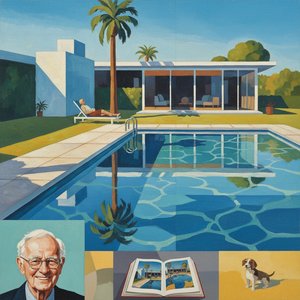 David Hockney: A Retrospective on Pop Art's Chronicler of Light, Space, and the EverydayExplore the life & work of David Hockney, Pop Art's master chronicler. Discover his iconic paintings, Californian landscapes, and lasting i…