

 معاينة الحجم الواقعي
 إرسال
إرسال مشاركة
 عرض التفاصيل
 دليل الأعمال الفنية للطلاب

 تحميل
تحميل
 قطع مشابهة
 الأشعة السينية
 عرض شرائح متتابع
 الإحصائيات
Rainy night on bridlingtom promenade

 اقرأ المزيد
طباعة جيلي / مطبوعات فنية
طباعة جيكلي أو كانفاس بجودة المتاحف، مع سرعة في التنفيذ وخيارات متنوعة للتشطيب. ( اطلب نسخة مرسومة يدويًا التحويل إلى الصورة الرقمية)




P118B $10

P118H $10

P118W $10

P438Z $10

P508JH $12

P508YH $12

P805H $10

P805Z $10

P919BZ $10

P919G $10

P919XJ $10

P959ZH $10

P968JZ $12

W106C $8

W218G $10

W218JH $8

W218Y $10

W307PJ $10

W316G $10

W316PJ $8

W316Y $10

W398PJ $8

W4111J $10

W500HY $15

W500JH $15

W692G $12

W849H $8

W940BG $15

W953PJ $8




اختر من بين أحجامنا المُعدّة مسبقاً والتي تتوافق مع النسب الأصلية للعمل الفني.

يمكنك إدخال أبعاد خاصة لتناسب إطاراً أو مساحة معينة. وفي حال عدم تطابق الحجم المختار مع نسب الصورة الأصلية، سنقوم إما بقص العمل الفني أو تمديد الصورة باستخدام حافة معكوسة أو لون مصمت. وسيتم إرسال نموذج تجريبي رقمي لاعتمادك قبل بدء عملية الإنتاج.
يرجى ملاحظة أن المعاينة على الشاشة لا تعكس عملية القص أو التمديد الفعلية؛ حيث سيوضح النموذج التجريبي فقط التكوين النهائي بدقة.
وعلى الرغم من توفر أحجام مخصصة، إلا أننا نوصي باختيار أبعاد من القائمة المحددة مسبقاً للحفاظ على النسب الأصلية.
توصيل عالمي إلى خلال أسبوعين بدلاً من المدة القياسية البالغة 4/5 أسابيع. (25 سبتمبر)

شحن سريع ومجاني لجميع أنحاء العالم

قماش كتان فاخر

تأمين شامل على الشحن

ضمان استرداد الرسوم الجمركية

ضمان دقة مطابقة الألوان

سياسة الإرجاع خلال 100 يوم (في حالات العيوب فقط)

ضمان استرداد نقدي بنسبة 100%

عرض خصم الكميات
 خيار الزجاج متاح فقط للمقاسات التي تقل عن 110 سم

Rainy night on bridlingtom promenade
طباعة جيلي / مطبوعات فنية
مقاس النسخة المطبوعة
-


إجمالي السعر
$ 80
David Hockney: Bridlingtom Promenade Revisited
David Hockney’s “Rainy Night on Bridlingtom Promenade” isn't merely a depiction of London; it’s an embodiment of memory, perception, and the artist’s relentless pursuit of capturing fleeting moments in time. Painted in 1967 during Hockney’s formative years in Los Angeles – a period profoundly influenced by Californian light and color – this canvas transcends geographical boundaries to resonate with universal themes of solitude, contemplation, and the melancholic beauty inherent in urban decay. The painting itself is deceptively simple at first glance. A narrow promenade stretches across the composition, bathed in the muted hues of a rainy evening. The dominant palette leans heavily into blues and greens – shades that evoke not just meteorological conditions but also a deeper emotional resonance. These colors aren’t blended smoothly; instead, Hockney employs a technique he termed “joinery,” meticulously layering thin washes of pigment to create an illusion of depth and texture. This method, pioneered by Hockney alongside Frank Auerbach and Lucian Freud, prioritizes visual impact over photorealistic accuracy—a deliberate rejection of prevailing artistic conventions of the era. The promenade’s emptiness is punctuated by three strategically placed lamps – a luminous beacon against the gloom. These aren't rendered with meticulous detail; rather, they are treated as geometric shapes, radiating light and color that illuminate the surrounding area. Hockney’s use of acrylic paint—a relatively new medium at the time—allowed for unprecedented vibrancy and luminosity, pushing the boundaries of what was considered acceptable artistic expression. The lamps serve as a visual anchor, drawing the eye inward and inviting contemplation about the passage of time and the elusive nature of experience. Beyond its formal qualities, “Rainy Night on Bridlingtom Promenade” speaks to Hockney’s broader philosophical concerns. He famously stated that he wanted to paint "the world as it is seen," rejecting idealized representations in favor of capturing the raw immediacy of observation. The painting embodies this ethos—a testament to Hockney's belief that art should strive for truthfulness, even if that truthfulness resides in acknowledging imperfection and decay. It’s a poignant reminder that beauty can be found not only in grand vistas but also in the quiet corners of everyday life. The piece’s enduring appeal lies partly in its ability to evoke nostalgia—a longing for moments past that are forever lost to time. Hockney's masterful manipulation of color and texture transports viewers back to a specific place and moment, prompting reflection on memory and perception. It is a painting that invites us to slow down, observe carefully, and appreciate the subtle nuances of experience—a timeless contribution to British art history and a continuing source of inspiration for artists and collectors alike.Exploring Hockney's Technique: Joinery
David Hockney’s distinctive “joinery” technique represents a radical departure from traditional painting methods. Unlike blending colors seamlessly across surfaces, Hockney applies thin washes of pigment in successive layers—often up to 30—creating an illusion of depth and texture without resorting to glazing or scumbling. This painstaking process involves applying paint with a brush, allowing it to dry partially before adding another layer on top. The resulting surface resembles a jigsaw puzzle, where each fragment contributes to the overall visual effect. This method gained prominence during Hockney’s collaboration with fellow artists Auerbach and Freud in the mid-1960s—a period marked by experimentation and a desire to challenge artistic conventions. Joinery prioritizes visual impact over photographic realism, focusing on capturing the essence of form and color rather than striving for an accurate representation of reality. It's a technique that demands considerable patience and precision but yields extraordinary results—creating surfaces that shimmer with luminosity and conveying a palpable sense of atmosphere. Hockney himself described it as “painting with glue,” emphasizing the importance of layering and building up texture to achieve his artistic vision.Symbolism in Light and Darkness
The interplay between light and darkness within "Rainy Night on Bridlingtom Promenade" is laden with symbolic significance—reflecting Hockney’s broader engagement with philosophical ideas about perception and consciousness. The three lamps illuminate the promenade, representing not merely illumination but also a beacon of hope amidst the gloom—a visual metaphor for resilience and perseverance in the face of adversity. However, the darkness surrounding the lamps underscores the pervasive influence of melancholy and solitude—themes that recur throughout Hockney’s oeuvre. The muted blues and greens of the rainy night evoke feelings of introspection and contemplation, inviting viewers to consider the complexities of human experience. Hockney's deliberate use of color is carefully calibrated to convey emotional resonance—a testament to his belief that art should engage both intellect and emotion simultaneously. The emptiness of the promenade itself symbolizes isolation—a poignant reminder that even in bustling urban environments, individuals can experience profound feelings of loneliness. Yet, this solitude isn’t presented as bleak or despairing; rather, it serves as a catalyst for observation and reflection—encouraging viewers to appreciate the beauty inherent in stillness and simplicity. Hockney's masterful depiction captures the essence of these ideas—transforming a seemingly unremarkable scene into a powerful meditation on human existence.A Legacy of Innovation
“Rainy Night on Bridlingtom Promenade” stands as a cornerstone of David Hockney’s artistic legacy—a testament to his unwavering commitment to innovation and experimentation. By rejecting photographic realism and embracing a technique that prioritizes visual impact over meticulous detail, Hockney redefined British art in the 1960s—establishing himself as one of the most influential figures of his generation. His pioneering use of acrylic paint and his groundbreaking “joinery” method continue to inspire artists today—demonstrating the enduring power of artistic vision and the importance of challenging conventions. Hockney’s work remains a celebration of beauty, observation, and the transformative potential of art—a timeless contribution to British cultural heritage.نبذة عن الفنان
حياة ديفيد هوكني: عالم مرسوم بالضوء
ديفيد هوكني، وُلد في التاسع من يوليو عام 1937 في قلب يوركشاير الصناعي بإنجلترا، ليس مجرد رسام؛ بل هو فنان متعدد المواهب امتدت مسيرته المهنية لتشمل الرسم والتصميم الطباعي وتصميم المسرح والتصوير الفوتوغرافي. تبدأ قصته وسط الصرامة والعزيمة في برادفورد، وهي منطقة غرست فيه عينًا ثاقبة للملاحظة، بينما عزز والده، كينيث هوكني، روح الاستقلالية الفكرية من خلال معارضة الحرب العالمية الثانية. لقد شكلت هذه البيئة المبكرة فنانًا شابًا تحدى باستمرار الأعراف ومهد طريقه الخاص. وضع التعليم الرسمي في مدرسة ويلينغتون الابتدائية ومدرسة برادفورد النحوية الأساس لمسيرة مهنية ستعيد تعريف الفن البريطاني في القرنين العشرين والحادي والعشرين، وتوجت بالدراسة في كلية برادفورد للفنون ثم الكلية الملكية للفنون المرموقة في لندن. خلال هذه السنوات التكوينية بدأ هوكني في صياغة صوت فني فريد من نوعه، يمزج بين حساسية البوب والمنظور البريطاني المميز.صعود أيقونة البوب وما وراءها
شهدت ستينيات القرن الماضي صعود هوكني كشخصية محورية ضمن حركة البوب الناشئة. ومع ذلك، على عكس بعض معاصريه الذين تبنوا ثقافة أمريكية تجارية بشكل كامل، أدخل هوكني حساسية بريطانية فريدة من نوعها إلى هذا النوع. انفجرت أعماله بألوان نابضة بالحياة وخطوط جريئة، وصورت مشاهد كانت مألوفة وخفية في الوقت نفسه. A Bigger Splash (1966)، ربما تكون عمليته المبكرة الأكثر شهرة، تجسد ذلك تمامًا – تصوير بسيط لمسبح يتحول إلى تأمل في الترفيه الكاليفورني والاصطناعية وفعل الرؤية ذاته. لم يكن هذا مجرد تمثيل؛ بل كان استكشافًا لكيفية إدراكنا للواقع. تُظهر صوره المزدوجة، مثل American Collectors (Fred and Marcia Weisman)، قدرته الرائعة على التقاط ليس فقط الشبه ولكن أيضًا جوهر الشخصية والعلاقات. لم يتردد هوكني في تناول الموضوعات الشخصية أيضًا، ولا سيما استكشاف الحب المثلي بصراحة وضعف في أعمال مثل We Two Boys Together Clinging (1961)، متحديًا الأعراف المجتمعية في وقت كانت فيه المثلية الجنسية من المحرمات إلى حد كبير. عززت هذه الرغبة في مواجهة القضايا الصعبة بشكل مباشر مكانته كفنان رائد.التجريب والابتكار وإنقاذ الرسم
لم يقتصر فضول هوكني الفني على وسيط واحد. طوال حياته المهنية، جرب باستمرار تقنيات وأساليب جديدة. من احتضانه المبكر لطباعة الليثوغراف والنقش إلى استكشافاته اللاحقة في التصوير الفوتوغرافي – وخاصة استخدامه للمركبات القطبية في الثمانينيات – دفع هوكني باستمرار حدود ما يمكن أن يكون عليه الفن. أعلن الشهيرة أن الرسم لم يمت بل كان بحاجة إلى "إنقاذه" من أعرافه الخاصة، مما دفعه إلى تطوير تقنيات مبتكرة مثل تشوهات المنظور ووجهات النظر المجزأة. أدى هذا الرغبة في إحياء الرسم إلى مشاريع طموحة مثل Pearblossom Hwy., 11–18th April 1986، وهو مونتاج معقد للصور الفوتوغرافية تحدى المفاهيم التقليدية للمساحة والتمثيل. كما أظهرت تصميماته المسرحية للأوبرا، بما في ذلك الديكورات لموسيقى موتسارت The Magic Flute وموسيقى سترافينسكي The Rake’s Progress، تنوعه وقدرته على ترجمة لغته البصرية إلى مجال فني مختلف. مؤخرًا، تبنى الوسائط الرقمية، وإنشاء مناظر طبيعية مذهلة على أجهزة iPad تعرض اهتمامه المستمر بالضوء واللون والمنظور – مما يثبت أن الابتكار لا يعرف حدودًا.الاعتراف والإرث والتأثير الدائم
حظيت مساهمات ديفيد هوكني في عالم الفن بتقدير واسع النطاق طوال حياته المهنية المرموقة. تم تعيينه رفيقًا للوسام الشرفي (CH) في عام 2018، وهو شهادة على تأثيره العميق على الثقافة البريطانية. قبل ذلك، انتُخب زميلًا في الجمعية الملكية (FRS) في عام 2003 وتلقى جائزة Praemium Imperiale للرسم في عام 2000. تُعرض أعماله في مجموعات المتاحف الرئيسية حول العالم، ويمكن الوصول إليها بسهولة من خلال المنصات عبر الإنترنت، مما يضمن استمرار فنه في إلهام الأجيال الجديدة. يمتد تأثير هوكني إلى ما وراء الفنون البصرية؛ لقد أصبح أيقونة ثقافية، مشهورة بذكائه وفطنته والتزامه الثابت بالاستكشاف الفني. عمله لا يتعلق بما يصوره فحسب، بل *كيف* يصوره – وهو سؤال مستمر حول الإدراك والتمثيل يستمر في الرنين مع الجماهير اليوم. يظل قوة نشطة في عالم الفن، ويتحدى باستمرار التوقعات ويلهم الفنانين عبر مختلف التخصصات.استكشافات إضافية
- Place Furstenberg, Paris: مثال آسر لمشاهد هوكني الداخلية، يعرض إتقانه للون والتكوين.
- Oona Zlamany: صورة مؤثرة تمزج بين الواقعية وتأثيرات البوب، تكشف عن الطبيعة المتأملة للشخص الذي يصورها.
- Lawn Sprinkled: تصوير نابض بالحياة للحياة الضاحية، يتميز بالأشكال الهندسية واستخدام الألوان المرح.
- اكتشف المزيد حول زميل الفنان البريطاني البوب Pauline Boty.
- استكشف أعمال Frank Lisle، وهو رسام أثر على تطور هوكني المبكر.
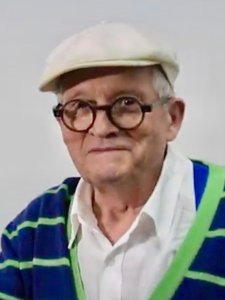
ديفيد هوكني
1937 - , المملكة المتحدة
لمحة سريعة
- أعمال بارزة:
- A Bigger Splash
- Portrait of an Artist
- الاسم الكامل: ديفيد هوكني
- الجنسية: بريطاني
- الحركة الفنية: فن البوب
- تاريخ الميلاد: ٩ يوليو ١٩٣٧
- فنانون مؤثرون: ['فرانسيس بيكون']
- فنانون متأثرون: ['بولين بوتي']
- مكان الميلاد: برادفورد، المملكة المتحدة
مقالات ذات صلة
David Hockney: A Retrospective on Pop Art's Chronicler of Light, Space, and the Everyday
Explore the life & work of David Hockney, Pop Art's master chronicler. Discover his iconic paintings, Californian landscapes, and lasting influence on modern art. Expert analysis for collectors.
Acrylic Paint Guide: Mastering the Versatile Medium of Modern Art through Chemistry and Technique
Master the versatile world of acrylic painting with our expert guide for art students. Explore the chemistry, historical evolution, and advanced techniques—from watercolor-like washes to bold impasto—to elevate your modern artistry and technical skill.
Acrylic on Paper: A Modern Canvas for Contemporary Expression
Explore the versatility of acrylic painting on paper! Discover expert techniques, artist insights & archival practices for creating stunning contemporary art. Learn more at OriginalUniqueArt.
The Art Student’s Definitive Guide to Acrylic Painting: Mastering the World’s Most Versatile Medium
Unlock your creative potential with this expert guide for art students. Master acrylic painting techniques, from fluid washes to textured impasto. Learn about essential brushes, surfaces, and advanced color theory to elevate your fine arts practice with professional precision.
David Bomberg: Reassessing the Pioneering Spirit of Early British Abstraction
Explore the groundbreaking work of David Bomberg, a pivotal figure in British abstraction. Discover his artistic evolution, influences, and lasting legacy through insightful analysis & expert commentary.

