

 إرسال
إرسال مشاركة
 عرض التفاصيل
 دليل الأعمال الفنية للطلاب

 تحميل
تحميل
 قطع مشابهة
 عرض شرائح متتابع
 Q&A
Q&A الإحصائيات
Marceline Valmore
 Bronze
- Sculpture
- Neoclassical Idealism
 1832
1832- 19th Century
 15.0 x 15.0 cm
 متحف اللوفر
 اقرأ المزيد
طباعة جيلي / مطبوعات فنية
طباعة جيكلي أو كانفاس بجودة المتاحف، مع سرعة في التنفيذ وخيارات متنوعة للتشطيب. ( اطلب نسخة مرسومة يدويًا التحويل إلى الصورة الرقمية)




































اختر من بين أحجامنا المُعدّة مسبقاً والتي تتوافق مع النسب الأصلية للعمل الفني.

أدخل العرض والارتفاع اللذين تحتاجهما، ليتناسب مع إطارك أو جدارك. يمكن قص المطبوعة فقط، ولا يمكن أبداً جعلها أكبر من الصورة الأصلية، لذا فإن أي مقاس بشكل مختلف سيؤدي إلى فقدان جزء من الصورة. سنرسل لك نموذجاً رقمياً تجريبياً لاعتماده قبل البدء في عملية الطباعة. الصورة المعروضة في هذه الصفحة لا توضح القص الفعلي — النموذج التجريبي فقط هو ما يظهر ذلك.
توصيل عالمي إلى خلال أسبوعين بدلاً من المدة القياسية البالغة 4/5 أسابيع. (29 أكتوبر)

شحن سريع ومجاني لجميع أنحاء العالم

قماش كتان فاخر

تأمين شامل على الشحن

ضمان استرداد الرسوم الجمركية

ضمان دقة مطابقة الألوان

سياسة الإرجاع خلال 100 يوم (في حالات العيوب فقط)

ضمان استرداد نقدي بنسبة 100%

عرض خصم الكميات
 خيار الزجاج متاح فقط للمقاسات التي تقل عن 110 سم

Marceline Valmore
طباعة جيلي / مطبوعات فنية
مقاس النسخة المطبوعة
-


إجمالي السعر
E£ 4158
A Profile of Virtue: The Enduring Spirit of Marceline Valmore
In the quiet, metallic sheen of Pierre-Jean David d’Angers' 1832 bronze medallion, one finds far more than a mere likeness of the poet Marceline Valmore; one encounters a profound meditation on character. This exquisite piece, a masterwork of neoclassical relief, captures the profile of the celebrated French Romantic poet with a dignity that transcends the physical. David d’Angers, a sculptor deeply rooted in the republican ideals of his era, famously remarked upon the subject's complex beauty, noting that while her features might lack conventional perfection, her essence was utterly admirable. It is this very tension—between the raw reality of the human face and the elevated nobility of the soul—that makes this medallion an irresistible treasure for those who appreciate art that speaks to the depth of the human condition.
The composition is a triumph of classical restraint, utilizing a centered, circular frame that evokes the timelessness of ancient Roman coinage. The subject’s profile is rendered with a serene strength, her gaze directed forward as if contemplating the very literary and civic ideals she helped embody. The flowing lines of her hair, captured in undulating waves, provide a soft, organic contrast to the rigid, geometric precision of the medal's border. For the discerning collector or interior designer, this piece offers a sense of historical weight and intellectual sophistication, acting as a focal point that commands respect through its understated elegance rather than through ostentation.
The Mastery of Bronze and the Legacy of Neoclassicism
To behold this medallion is to witness the pinnacle of the lost-wax casting technique, a method that requires immense patience and technical virtuosity. David d’Angers meticulously modeled the original figure in wax, capturing subtle textures that would later be immortalized in molten bronze. The resulting surface possesses a magnificent, matte quality, characterized by delicate variations in light and shadow that suggest the gentle passage of time. This tactile richness creates a sense of three-dimensionality that breathes life into the two-dimensional plane, making the portrait feel as though it might emerge from its metallic confines.
The historical context of the work adds an extra layer of allure for the art enthusiast. Created during a period of intense political and artistic transition in France, the piece carries the stylistic DNA of Jacques-Louis David’s studio, blending the monumental grandeur of antiquity with the burgeoning emotionality of the Romantic movement. The monochromatic palette of deep grays and warm bronze tones ensures that this work remains versatile, seamlessly integrating into diverse decor styles—from the stately atmosphere of a traditional library to the curated minimalism of a modern gallery. Owning a reproduction of such a piece is not merely about acquiring an object; it is about preserving a fragment of France's illustrious sculptural heritage.
الأسئلة والأجوبة
ما هي الأجواء التي يضفيها "Marceline Valmore"؟
يُوصف العمل الفني "Marceline Valmore" للفنان ديفيد دانجير بأنه Classic من حيث الحالة المزاجية، ويمكن لهذا التصنيف أن يساعد في اختيار المكان الأنسب لعرضه.
هل العمل "Marceline Valmore" خالٍ من حقوق الطبع والنشر؟
حالة حقوق الطبع والنشر لـ "Marceline Valmore" للفنان ديفيد دانجير: العمل يقع ضمن ملك عام - انتهت مدة حماية حقوق الطبع والنشر الخاصة به. ويحدد هذا ما إذا كان يمكن إعادة إنتاج الصورة بحرية.
ما هو اللون السائد في "Marceline Valmore" للفنان ديفيد دانجير؟
اللون السائد في "Marceline Valmore" للفنان ديفيد دانجير هو Green to Violet Spectrum. ويمثل هذا اللون النغمة الأساسية لمجموعة الألوان المستخدمة.
نبذة عن الفنان
بيير جان ديفيد دانجرس: نحات المثالية البطولية
يبرز بيير جان ديفيد دانجرس (1788 – 1856) كشخصية محورية في المشهد الفني الكلاسيكي الجديد في فرنسا، مجسداً روح المثالية الجمهورية والإنجاز النحتي الضخم. ولد في أنجرس، لوريت، واتسمت حياته المبكرة بروابط عائلية وثيقة بالجيش الجمهوري؛ فقد شارك والده، الذي كان نحاتاً ونقاشاً للخشب، ببسالة ضد تمرد "الشوآن"، وهي تجربة تكوينية غرسَت في نفسه تقديراً عميقاً للواجب المدني والتعبير الفني كأدوات للفخر الوطني. لقد شكل هذا الإرث مساره الفني بعمق، دافعاً إياه نحو مسيرة مهنية متميزة تركزت على النحت والنمذجة، لا سيما خلال الفترة المؤثرة في مرسم جاك لوي ديفيد.- التدريب المبكر والتأثيرات: قضى ديفيد سنوات تكوينه في صقل حرفته تحت إشراف جان جاك ديلوس وفيليب لوران رولان في باريس، حيث استوعب المبادئ الأسلوبية للرومانسية جنباً إلى جنب مع الإرث الخالد للنحت الكلاسيكي. ومن الجدير بالذكر لقاؤه بأنطونيو كانوفا—ذلك النحات الذي أسر خيال ديفيد بدقته المتناهية في التفاصيل التشريحية وتصويره العاطفي—مما أرسى صلة حاسمة مع التقاليد الفنية لروما التي ستحدد ملامح أعماله لاحقاً.
- مدرسة الفنون الجميلة وجائزة روما: تقديراً لموهبته، ضمن ديفيد قبوله في مدرسة الفنون الجميلة عام 1808 حيث تفوق، وتوج ذلك بالفوز في مسابقة المدرسة لـ تعبير الوجه، ليحصد لاحقاً جائزة روما المرموقة في عام 1811. منحت هذه المنحة فرصة لا مثيل لها للوصول إلى المثُل الفنية الرومانية، وسمحت له بتطوير تقنيته النحتية—التي تميزت بالسيطرة البارعة على الرخام والبرونز—مما صقل قدرته على تجسيد العاطفة الإنسانية والعظمة البطموحة.
- الفترة الرومانية والتطور الفني: كانت إقامته في روما لمدة خمس سنوات نقطة تحول جذرية، حيث عززت التعاون مع زملائه الفنانين وانغمس في الحراك الفني لتلك الحقبة. درس بدقة أعمال مايكل أنجلو وبيرنيني، ممتصاً تقنياتهما وحسهما الأسلوبي—وهي تأثيرات تغلغلت في منحوتاته ونقوشه اللاحقة. وخلال هذه الفترة، قام برحلات إلى فينيسيا ونابولي وفلورنسا، مما وسع آفاقه الفنية وأثرى فهمه لتاريخ الفن الكلاسيكي.
- النحت الضخم والتكليفات البارزة: ارتفعت سمعة ديفيد كنحات خلال فترة "الترميم"، حيث حصل على تكليفات لأعمال ضخمة رسخت مكانته في التاريخ الثقافي الفرنسي. ومن بين أكثر إنجازاته احتفاءً إفريز البانثيون—وهو تصوير مذهل للميثولوجيا الرومانية كُلف به لتخليد انتصار نابليون بونابرت—والتمثال الفروسي للمارشال جاك نيكولا غوبرت المقام في مقبرة بير لاشيز—والمنحوتة الضخمة التي تخلد المحرر اليوناني ماركtdوس بوتساريس، مما يعد شهادة على التزام ديفيد بتصوير الشخصيات البطولية بيقين لا يتزعزع.
- الإرث والتقدير: شمل نتاجه الغزير أكثر من 500 ميدالية وتمثال نصفي، حيث جسد صوراً لأعلام من جميع أنحاء أوروبا—بمن فيهم فولتير، وروسو، وغوته، ونابليون بونابرت، وفردريك شيلر—مما أظهر تنوعه كفنان وثبت تأثيره الدائم على الأجيال اللاحقة من النحاتين. إن تفانيه الراسخ للمثل الكلاسيكية وقدرته على نقل العاطفة العميقة من خلال الشكل النحتي ضمن لديفيد دافيد أنجرس أن يظل شخصية مبجلة في سجلات تاريخ الفن الفرنسي، مؤكداً مكانته بين أبرز نحاتي عصره.
الأعمال الرئيسية والأسلوب الفني
يتميز أسلوب ديفيد الفني بالتزام لا يتزعزع بمبادئ الكلاسيكية الجديدة—تحديداً الدقة التشريحية، والجمال المثالي، والتكوين الدرامي—مما يعكس تأثير مايكل أنجلو وبيرنيني. لقد استخدم ببراعة الرخام والبرونز لنقل العاطفة والعظمة، معطياً الأولوية لوضوح الشكل والإيماءة التعبيرية فوق مجرد الزخرفة التزيينية. وتنبض منحوتاته بإحساس ملموس بالشجن والنبل، حيث تلتقط لحظات من التجربة الإنسانية العميقة بتفاصيل دقيقة وإيمان راسخ. ويجسد إفريز البانثيون براعته في النحت الضخم، مقدماً عملاً طموحاً يحتفي بالأساطير الرومانية ويخلد انتصار نابليون بونابرت—وهو ما يعد شهادة على طموح ديفيد ورؤيته الفنية. وبالمثل، يقف التمثال الفروسي للمارشال غوبرت كرمز للبراعة العسكرية الفرنسية والفضيلة المدنية، مما يبرهن على قدرة ديفيد على الارتقاء بالشكل النحتي ليكون وسيلة لنقل السرديات المعقدة والرنين العاطفي.
ديفيد دانجير
1788 - 1856 , فرنسا
لمحة سريعة
- أعمال فنية بارزة:
- إفريز البانثيون
- غوتنبرغ في ستراسبورغ
- الاسم الكامل: بيير جين ديفيد دانجير
- الجنسية: فرنسي
- الحركة أو الأسلوب الفني: الفن الكلاسيكي الجديد
- تاريخ الميلاد: 12 مارس 1788
- تاريخ الوفاة: 4 يناير 1856
- فنانون أثروا في هذا الفنان: جاك لوي ديفيد
- فنانون أو حركات تأثرت بهذا الفنان: أنطونيو كانوفا
- مكان الميلاد: أنجيه، فرنسا
مقالات ذات صلة
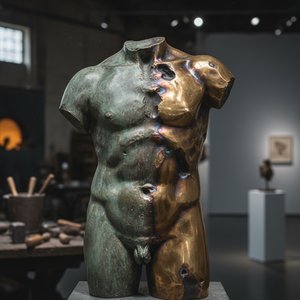
الإرث الدائم للنحت البرونزي: تاريخ، تقنيات، وتفسيرات معاصرة
استكشف تاريخ النحت البرونزي وتقنياته العريقة، من صب الشمع المفقود إلى التحف المعاصرة. دليل شامل لجامعي الفن والمستثمرين والمهتمين بتقييم الأعمال الفنية.

Bronze Age to Modern Masters: 10 Sculptures That Redefined Art | OriginalUniqueArt
Journey through art history with 10 legendary bronze sculptures – from Michelangelo's David to Rodin’s Thinker. Explore the stories, techniques & timeless beauty of these masterpieces. Find museum-quality reproductions & elevate your home decor on OriginalUniqueArt.com.

Bronze Sculptures That Defined Art History | OriginalUniqueArt
Journey through art history with our Top 10 bronze sculptures! Explore masterpieces by Rodin, Michelangelo & more. Discover stories behind iconic statues and find museum-quality reproductions for your home decor at OriginalUniqueArt.com.

The Enduring Legacy of Bronze: A Historical & Artistic Exploration for the Collector
Explore the rich history & enduring appeal of bronze sculpture with expert insights for collectors at OriginalUniqueArt. Learn about casting techniques, iconic artists, collecting tips & contemporary interpretations.

The Enduring Legacy of Bronze: History, Technique & Artistic Expression for the Collector
Explore the rich history & enduring appeal of bronze sculpture with expert insights for collectors at OriginalUniqueArt. Learn about casting techniques, iconic artists, and collecting tips.