

 معاينة الحجم الواقعي
 إرسال
إرسال مشاركة
 عرض التفاصيل
 دليل الأعمال الفنية للطلاب

 تحميل
تحميل
 قطع مشابهة
 الأشعة السينية
 عرض شرائح متتابع
 الإحصائيات
The Skylark


 اقرأ المزيد
نسخة زيتية مصنوعة يدوياً
لوحة زيتية مرسومة يدوياً على الكانفاس بالمقاس والإطار الذي تفضله، تُنفذ حسب الطلب على أيدي فنانينا. ( التبديل إلى المطبوعات التحويل إلى الصورة الرقمية)




P118B E£10

P118H E£10

P118W E£10

P438Z E£10

P508JH E£12

P508YH E£12

P805H E£10

P805Z E£10

P919BZ E£10

P919G E£10

P919XJ E£10

P959ZH E£10

P968JZ E£12

W106C E£8

W218G E£10

W218JH E£8

W218Y E£10

W307PJ E£10

W316G E£10

W316PJ E£8

W316Y E£10

W398PJ E£8

W4111J E£10

W500HY E£15

W500JH E£15

W692G E£12

W849H E£8

W940BG E£15

W953PJ E£8




اختر من بين أحجامنا المُعدّة مسبقاً والتي تتوافق مع النسب الأصلية للعمل الفني.

أدخل العرض والارتفاع اللذين تحتاجهما، ليتناسب العمل مع إطارك أو جدارك. وبما أن هذه اللوحة مرسومة يدوياً، ففي حال اختيار مقاس بشكل مختلف، يمكن للفنان رسم مساحة إضافية حول الصورة أو تقليصها قليلاً — الخيار لك. سنرسل لك نموذجاً رقمياً تجريبياً لاعتماده قبل البدء في الرسم. علماً بأن الصورة المعروضة في هذه الصفحة لا تعكس النتيجة النهائية الحقيقية — فالنموذج التجريبي هو الوحيد الذي يوضح ذلك بدقة.
بعد إتمام الطلب، سيرسل فريق OriginalUniqueArt.com بريداً إلكترونياً للعميل لطلب التعليمات وتزويده بمعاينة تجريبية (mockup).
توصيل عالمي إلى خلال 3 إلى 4 أسابيع بدلاً من المدة المعتادة البالغة 5 أسابيع. (26 أكتوبر). جودة لا تهاون فيها.

شحن سريع ومجاني لجميع أنحاء العالم

قماش كتان فاخر

تأمين شامل على الشحن

ضمان استرداد الرسوم الجمركية

ضمان دقة مطابقة الألوان

سياسة الإرجاع خلال 100 يوم (في حالات العيوب فقط)

ضمان استرداد نقدي بنسبة 100%

عرض خصم الكميات
 خيار الزجاج متاح فقط للمقاسات التي تقل عن 110 سم

The Skylark
وسيط إعادة الإنتاج
مقاس النسخة المطبوعة
-


إجمالي السعر
E£ 18113
A Vision of Tranquility: The Essence of The Skylark
In the vast tapestry of English landscape painting, few works capture the ephemeral beauty of the countryside with as much soul as David Cox’s The Skylark. Created in 1849, this masterpiece serves as a profound window into a serene, pastoral era, inviting the viewer to pause and breathe in the quietude of the rural landscape. The painting presents a sprawling field of grass that stretches toward a distant, hazy horizon, all under the watchful gaze of a soft, cloudy sky. Within this expansive vista, Cox introduces a sense of human connection through scattered figures—perhaps a family—positioned near a sturdy wooden fence in the middle ground. This deliberate arrangement creates a beautiful balance between the immense scale of nature and the intimate, shared moments of human life, establishing a composition that is as much about emotional harmony as it is about visual grandeur.
The technical execution of The Skylark reveals Cox’s mastery of the Birmingham School tradition, a style that prioritizes atmospheric truth over rigid topographical precision. Rather than relying on sharp, clinical lines, the artist employs loose, expressive brushstrokes that suggest form and texture through movement. A large, commanding tree anchors the left foreground, its foliage rendered with a rugged, tactile quality that contrasts beautifully against the softer, more blended strokes used for the sky. This interplay of textures creates a palpable sense of depth; as the eye moves toward the horizon, the landscape becomes paler and less defined, utilizing atmospheric perspective to evoke a feeling of infinite space. The color palette is a sophisticated study in muted tones—earthy browns, deep greens, and soft grevers—which work in concert with the diffused, overcast lighting to bathe the entire scene in a gentle, tranquil glow.
Symbolism and Emotional Resonance
Beyond its technical brilliance, The Skylark carries a profound symbolic weight that continues to captivate collectors and art enthusiasts alike. The very title suggests an upward gaze, a moment of sudden wonder as the viewer’s attention is drawn toward the heavens, mirroring the act of looking up at a bird in flight. This theme of observation and appreciation for the natural world imbes the work with a sense of spiritual peace. For the interior designer or art lover, the painting offers more than mere decoration; it provides an emotional anchor for a space. The lack of harsh shadows and the presence of soft, organic shapes—from the rounded clouds to the undulating fields—create an atmosphere of stability and calm. It is a piece that does not demand attention through spectacle, but rather earns it through a quiet, enduring grace, making it an ideal centerpiece for those seeking to infuse their surroundings with a sense of timelessness and pastoral beauty.
الأسئلة والأجوبة
ما هو اللون الطاغي على تكوين "The Skylark" للفنان ديفيد كوكس؟
اللون السائد في "The Skylark" للفنان ديفيد كوكس هو Putty (#d3d6e0).
هل يمكن إعادة إنتاج "The Skylark" للفنان ديفيد كوكس، الموجود في Birmingham Museum and Art Gallery، بشكل قانوني؟
تُعد لوحة "The Skylark" للفنان ديفيد كوكس، والمحفوظة في Birmingham Museum and Art Gallery، من الأعمال التي تندرج ضمن ملك عام - انتهت مدة حماية حقوق الطبع والنشر الخاصة به. وتحدد هذه الحالة مدى إمكانية إنتاج نسخ مكررة من الصورة.
هل "The Skylark" للفنان ديفيد كوكس ضمن الملكية العامة؟
تندرج لوحة "The Skylark" للفنان ديفيد كوكس ضمن ملك عام - انتهت مدة حماية حقوق الطبع والنشر الخاصة به. وتحدد هذه الحالة كيفية إعادة إنتاج صورة العمل الفني.
نبذة عن الفنان
ديفيد كوكس: حياة في قلب المناظر الطبيعية
ولد ديفيد كوكس في 29 أبريل عام 1783 في منطقة ديريتند بمدينة برمنغهام، المملكة المتحدة، لأسرة بسيطة. كان والده حدادًا وصانعًا للأدوات المعدنية، بينما تمتعت والدته بتعليم جيد وشخصية قوية. لم يكن كوكس ينتمي إلى عالم الفن الراقي في البداية، لكنه سرعان ما اكتشف شغفه بالرسم، وبدأ رحلته الفنية في أكاديمية جوزيف باربر في شارع تشارلز العظيم، حيث التقى بزميليه المستقبليين تشارلز باربر وويليام رادكليف. في سن الخامسة عشرة، دخل كوكس تدريبًا تحت إشراف ألبرت فيلدر، وهو رسام من برمنغهام متخصص في اللوحات المصغرة والصور الزخرفية للأشياء الصغيرة مثل علب التبغ. زودته هذه التجربة المبكرة بالمهارات الأساسية التي شكلت نقطة انطلاقه.
التطور المهني والرحلة الفنية
في عام 1804، انتقل كوكس إلى لندن وتزوج من ماري راج، ابنة مالك المنزل الذي كان يقيم فيه. كانت رحلة محورية إلى ويلز في عام 1805 برفقة تشارلز باربر بمثابة نقطة تحول في حياته الفنية، حيث بدأت سلسلة من الرحلات الاستكشافية التي استمرت طوال حياته وأثرت بعمق على أسلوبه. بدأ كوكس في عرض أعماله بانتظام في الأكاديمية الملكية منذ عام 1805، وكسب رزقه في البداية كمعلم للرسم. أصبح الكولونيل الشريف هـ. ويندسور أحد أول طلابه في عام 1808. ركزت أعمال كوكس المبكرة على المناظر الطبيعية المائية التفصيلية، وغالبًا ما تصور مشاهد ريفية ومباني معمارية.
الأسلوب الفني والتأثيرات
تطور أسلوب كوكس بمرور الوقت. انتقل من التصوير الطبوغرافي الدقيق إلى نهج أكثر تعبيرًا وجويًا. كان كوكس يتمتع بقدرة فريدة على التقاط جوهر المناظر الطبيعية، ليس فقط من خلال التفاصيل المادية ولكن أيضًا من خلال الإحساس بالعواطف والذكريات التي تثيرها. التأثيرات: على الرغم من أن التأثيرات المحددة لا تزال موضع نقاش، إلا أن أعماله تظهر تقاربًا مع رسامي المناظر الطبيعية الهولنديين في القرن السابع عشر وملاحظة حادة للطبيعة تشبه أسلوب كونستابل. أصبح كوكس معروفًا بفرشاته السائبة وألوانه النابضة بالحياة وقدرته على التقاط تأثيرات الضوء والطقس. كانت لوحاته الزيتية اللاحقة مبتكرة بشكل خاص، حيث استخدم تقنيات جريئة وغير تقليدية.
الإنجازات الرئيسية والإرث
رسم كوكس أكثر من 300 عمل زيتي في نهاية حياته المهنية، والتي يتم الاعتراف بها الآن على أنها “أحد أعظم الإنجازات، ولكن الأقل تقديرًا، لأي رسام بريطاني”. يعتبر أحد أعظم رسامي المناظر الطبيعية الإنجليزية وشخصية رئيسية في العصر الذهبي للرسم المائي الإنجليزي. كان لعمله تأثير كبير على أجيال لاحقة من فناني المناظر الطبيعية. الأعمال البارزة: تشمل الرياح على الهضبة وكوخ في هيريفوردشاير وتقاطع نهر سيفرن ونهر واي مع تشيبستو في المسافة ومنظر طبيعي في ضوء القمر من بين لوحاته الأكثر شهرة.
الأهمية التاريخية
يُعترف بديفيد كوكس بأنه رائد لمدرسة الانطباعية. إن تركيزه على التقاط التأثيرات الجوية العابرة واستخدامه للفرشاة السائبة توقع العديد من التقنيات التي تبنتها فيما بعد المدرسة الانطباعية. لعب دورًا حاسمًا في ترسيخ الرسم المائي الإنجليزي كنوع متميز، والانتقال بعيدًا عن التصوير الطبوغرافي البحت نحو تفسيرات أكثر تعبيرًا وعاطفية للطبيعة. لا يزال عمله موضع إعجاب لجماله وحساسيته وجاذبيته الدائمة.
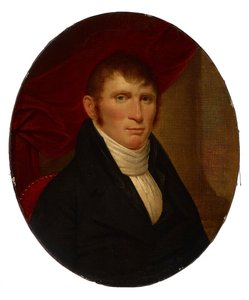
ديفيد كوكس
1783 - 1859 , المملكة المتحدة
لمحة سريعة
- أعمال بارزة:
- الرياح في الهضبة
- كوخ في هيريفوردشاير
- الاسم الكامل: ديفيد كوكس
- الجنسية: بريطاني
- الحركة الفنية: المناظر الطبيعية الإنجليزية
- تاريخ الميلاد: 29 أبريل 1783
- تاريخ الوفاة: 1859
- مكان الميلاد: برمنغهام، المملكة المتحدة
مقالات ذات صلة
Evoking Nature's Sublime: A Comprehensive Exploration of 19th-Century Landscape Painting
Explore the captivating world of 19th-century landscape painting! Discover renowned artists like Friedrich & Monet, key movements, and find the perfect artwork to bring nature's serenity into your home. Expert insights at OriginalUniqueArt.

David Cox the Elder: Landscape, Light & the Romantic Vision of Rural England
Explore the captivating landscapes of David Cox the Elder, a pivotal figure in British Romanticism. Discover his masterful watercolour techniques, enduring legacy & find timeless art for your home at OriginalUniqueArt.

أعلى 10 لوحات طبعت "المشهد الانطباعي": رحلة فنية في عالم الفن الراقي و الديكور
اكتشفوا 10 روائع فنية رسمت "المشهد الانطباعي"! رحلة في عالم مونيه، رينوار و بيسار. استلهموا ألوان الطبيعة و تقنيات الفنانين. ديكور منزلي راقي و لوحات زيتية مميزة. تسوقوا أعمالًا فنية أصيلة على OriginalUniqueArt.com

أفضل 10 لوحات طبيعية رومانسية غيرت مسار الفن وجمّلت الديكور | OriginalUniqueArt
اكتشف 10 روائع فنية رسمت مسار الفن الرومانسي! استكشف لوحات فريدريش، مالارد وأكثر. قصص الفنانين، تقنيات الرسم، وجمال المناظر الطبيعية الخلابة. احصل على أعمال فنية عالية الجودة من OriginalUniqueArt.com!

Impressionistic Landscapes: 10 Masterpieces That Changed Art & Decor
Journey into the heart of Impressionism! Explore 10 masterpieces by Monet, Renoir & Degas that revolutionized landscape art. Discover their stories, techniques & find museum-quality reproductions to elevate your home decor on OriginalUniqueArt.com.