
 معاينة الحجم الواقعي
 إرسال
إرسال مشاركة
 عرض التفاصيل
 دليل الأعمال الفنية للطلاب

 تحميل
تحميل
 قطع مشابهة
 الأشعة السينية
 عرض شرائح متتابع
 Q&A
Q&A الإحصائيات
Going to the Hayfield


 اقرأ المزيد
طباعة جيلي / مطبوعات فنية
طباعة جيكلي أو كانفاس بجودة المتاحف، مع سرعة في التنفيذ وخيارات متنوعة للتشطيب. ( اطلب نسخة مرسومة يدويًا التحويل إلى الصورة الرقمية)




P118B E£10

P118H E£10

P118W E£10

P438Z E£10

P508JH E£12

P508YH E£12

P805H E£10

P805Z E£10

P919BZ E£10

P919G E£10

P919XJ E£10

P959ZH E£10

P968JZ E£12

W106C E£8

W218G E£10

W218JH E£8

W218Y E£10

W307PJ E£10

W316G E£10

W316PJ E£8

W316Y E£10

W398PJ E£8

W4111J E£10

W500HY E£15

W500JH E£15

W692G E£12

W849H E£8

W940BG E£15

W953PJ E£8




اختر من بين أحجامنا المُعدّة مسبقاً والتي تتوافق مع النسب الأصلية للعمل الفني.

أدخل العرض والارتفاع اللذين تحتاجهما، ليتناسب مع إطارك أو جدارك. يمكن قص المطبوعة فقط، ولا يمكن أبداً جعلها أكبر من الصورة الأصلية، لذا فإن أي مقاس بشكل مختلف سيؤدي إلى فقدان جزء من الصورة. سنرسل لك نموذجاً رقمياً تجريبياً لاعتماده قبل البدء في عملية الطباعة. الصورة المعروضة في هذه الصفحة لا توضح القص الفعلي — النموذج التجريبي فقط هو ما يظهر ذلك.
توصيل عالمي إلى خلال أسبوعين بدلاً من المدة القياسية البالغة 4/5 أسابيع. (31 أكتوبر)

شحن سريع ومجاني لجميع أنحاء العالم

قماش كتان فاخر

تأمين شامل على الشحن

ضمان استرداد الرسوم الجمركية

ضمان دقة مطابقة الألوان

سياسة الإرجاع خلال 100 يوم (في حالات العيوب فقط)

ضمان استرداد نقدي بنسبة 100%

عرض خصم الكميات
 خيار الزجاج متاح فقط للمقاسات التي تقل عن 110 سم

Going to the Hayfield
طباعة جيلي / مطبوعات فنية
مقاس النسخة المطبوعة
-


إجمالي السعر
E£ 4186
A Moment of Rural Tranquility: Exploring David Cox’s “Going to the Hayfield”
David Cox's "Going to the Hayfield," painted in 1849, isn’t merely a landscape; it’s a carefully constructed distillation of Romantic sensibility and a profound connection to the English countryside. This evocative piece, now beautifully reproduced, transports us to a specific moment – a quiet afternoon as figures journey towards a hayfield bathed in the diffused light of an overcast sky. Cox, a pivotal figure bridging the gap between earlier landscape traditions and the burgeoning Impressionism of his time, masterfully captures not just the visual elements but also the atmosphere and emotional resonance of rural life.
Cox’s style is distinctly Romantic, prioritizing mood and feeling over precise detail. He eschews sharp outlines and meticulous rendering in favor of loose, expressive brushstrokes that create a sense of movement and texture throughout the canvas. The painting feels less like a photographic representation and more like an emotional response to the scene – a memory imbued with tranquility and a subtle melancholy. The muted color palette—dominated by earthy greens, browns, and grays punctuated by hints of red in the figures’ clothing—further enhances this atmospheric effect, suggesting a timelessness that transcends any specific date or season.
Composition and Perspective: Framing a Pastoral Scene
The composition is deliberately horizontal, emphasizing the vast expanse of the sky which dominates nearly two-thirds of the canvas. This expansive view immediately establishes a sense of scale and invites the viewer to lose themselves in the landscape. A subtle foreground—a simple fence and patches of foliage—serves as a gentle guide, drawing our eye towards the middle ground where the figures are positioned. The low horizon line reinforces this feeling of openness and amplifies the drama of the sky. Cox skillfully employs atmospheric perspective; distant elements recede into a hazy blue distance, creating an illusion of depth and suggesting the immense scale of the countryside.
The placement of the figures – a small group riding horseback and walking alongside a fence – is crucial to the painting’s narrative. They are not imposing subjects but rather integrated seamlessly within the landscape, representing humanity's quiet interaction with nature. Their presence anchors the scene while simultaneously highlighting its inherent beauty and solitude.
Symbolism and Emotional Resonance: A Reflection of Romantic Ideals
“Going to the Hayfield” is rich in symbolic meaning, reflecting the core tenets of the Romantic movement. The overcast sky, often interpreted as a symbol of introspection or contemplation, lends a subtle melancholy to the scene. It’s not a bright, celebratory landscape; rather, it evokes a sense of quiet reflection and connection to something larger than oneself. The hayfield itself represents abundance and sustenance – a vital element of rural life and a reminder of nature's generosity. Cox’s choice of subject matter—a simple, everyday activity—elevates it to an artistic statement about the beauty and value of the natural world.
Technique and Materials: The Art of Layered Impressionism
Cox’s technique is characterized by a layering of colors applied with loose brushstrokes. He builds up the image gradually, creating a sense of depth and texture through subtle variations in tone and hue. The use of oil paint on canvas allows for rich color saturation and blending—essential to achieving the painting's atmospheric effect. The artist’s deliberate avoidance of sharp lines contributes to the overall feeling of softness and fluidity. It is a testament to Cox’s skill that this seemingly simple landscape feels so profoundly alive, capturing not just what he saw but also how he *felt* about it.
الأسئلة والأجوبة
ما الشعور الذي ينقله "Going to the Hayfield" للفنان ديفيد كوكس؟
تتجلى الحالة المزاجية المسجلة في "Going to the Hayfield" للفنان ديفيد كوكس في Calm، بينما يتمثل طابعها العاطفي في Tranquil.
كيف يرتبط أسلوب "Going to the Hayfield" بالعصر الذي عاش فيه مبتكرها؟
تنتمي لوحة "Going to the Hayfield" إلى حركة Romantic Landscape Painting، وقد أبدعها فنان عاش في عصر القرن التاسع عشر.
كيف يمكنني عرض "Going to the Hayfield" للفنان ديفيد كوكس كعرض شرائح؟
يمكن مشاهدة العرض المتتابع لـ "Going to the Hayfield" في صفحة عرض متتابع الخاصة بالعمل الفني.
نبذة عن الفنان
ديفيد كوكس: حياة في قلب المناظر الطبيعية
ولد ديفيد كوكس في 29 أبريل عام 1783 في منطقة ديريتند بمدينة برمنغهام، المملكة المتحدة، لأسرة بسيطة. كان والده حدادًا وصانعًا للأدوات المعدنية، بينما تمتعت والدته بتعليم جيد وشخصية قوية. لم يكن كوكس ينتمي إلى عالم الفن الراقي في البداية، لكنه سرعان ما اكتشف شغفه بالرسم، وبدأ رحلته الفنية في أكاديمية جوزيف باربر في شارع تشارلز العظيم، حيث التقى بزميليه المستقبليين تشارلز باربر وويليام رادكليف. في سن الخامسة عشرة، دخل كوكس تدريبًا تحت إشراف ألبرت فيلدر، وهو رسام من برمنغهام متخصص في اللوحات المصغرة والصور الزخرفية للأشياء الصغيرة مثل علب التبغ. زودته هذه التجربة المبكرة بالمهارات الأساسية التي شكلت نقطة انطلاقه.
التطور المهني والرحلة الفنية
في عام 1804، انتقل كوكس إلى لندن وتزوج من ماري راج، ابنة مالك المنزل الذي كان يقيم فيه. كانت رحلة محورية إلى ويلز في عام 1805 برفقة تشارلز باربر بمثابة نقطة تحول في حياته الفنية، حيث بدأت سلسلة من الرحلات الاستكشافية التي استمرت طوال حياته وأثرت بعمق على أسلوبه. بدأ كوكس في عرض أعماله بانتظام في الأكاديمية الملكية منذ عام 1805، وكسب رزقه في البداية كمعلم للرسم. أصبح الكولونيل الشريف هـ. ويندسور أحد أول طلابه في عام 1808. ركزت أعمال كوكس المبكرة على المناظر الطبيعية المائية التفصيلية، وغالبًا ما تصور مشاهد ريفية ومباني معمارية.
الأسلوب الفني والتأثيرات
تطور أسلوب كوكس بمرور الوقت. انتقل من التصوير الطبوغرافي الدقيق إلى نهج أكثر تعبيرًا وجويًا. كان كوكس يتمتع بقدرة فريدة على التقاط جوهر المناظر الطبيعية، ليس فقط من خلال التفاصيل المادية ولكن أيضًا من خلال الإحساس بالعواطف والذكريات التي تثيرها. التأثيرات: على الرغم من أن التأثيرات المحددة لا تزال موضع نقاش، إلا أن أعماله تظهر تقاربًا مع رسامي المناظر الطبيعية الهولنديين في القرن السابع عشر وملاحظة حادة للطبيعة تشبه أسلوب كونستابل. أصبح كوكس معروفًا بفرشاته السائبة وألوانه النابضة بالحياة وقدرته على التقاط تأثيرات الضوء والطقس. كانت لوحاته الزيتية اللاحقة مبتكرة بشكل خاص، حيث استخدم تقنيات جريئة وغير تقليدية.
الإنجازات الرئيسية والإرث
رسم كوكس أكثر من 300 عمل زيتي في نهاية حياته المهنية، والتي يتم الاعتراف بها الآن على أنها “أحد أعظم الإنجازات، ولكن الأقل تقديرًا، لأي رسام بريطاني”. يعتبر أحد أعظم رسامي المناظر الطبيعية الإنجليزية وشخصية رئيسية في العصر الذهبي للرسم المائي الإنجليزي. كان لعمله تأثير كبير على أجيال لاحقة من فناني المناظر الطبيعية. الأعمال البارزة: تشمل الرياح على الهضبة وكوخ في هيريفوردشاير وتقاطع نهر سيفرن ونهر واي مع تشيبستو في المسافة ومنظر طبيعي في ضوء القمر من بين لوحاته الأكثر شهرة.
الأهمية التاريخية
يُعترف بديفيد كوكس بأنه رائد لمدرسة الانطباعية. إن تركيزه على التقاط التأثيرات الجوية العابرة واستخدامه للفرشاة السائبة توقع العديد من التقنيات التي تبنتها فيما بعد المدرسة الانطباعية. لعب دورًا حاسمًا في ترسيخ الرسم المائي الإنجليزي كنوع متميز، والانتقال بعيدًا عن التصوير الطبوغرافي البحت نحو تفسيرات أكثر تعبيرًا وعاطفية للطبيعة. لا يزال عمله موضع إعجاب لجماله وحساسيته وجاذبيته الدائمة.
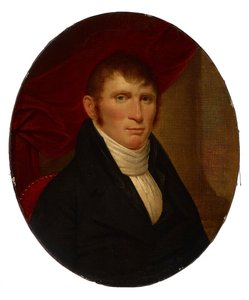
ديفيد كوكس
1783 - 1859 , المملكة المتحدة
لمحة سريعة
- أعمال بارزة:
- الرياح في الهضبة
- كوخ في هيريفوردشاير
- الاسم الكامل: ديفيد كوكس
- الجنسية: بريطاني
- الحركة الفنية: المناظر الطبيعية الإنجليزية
- تاريخ الميلاد: 29 أبريل 1783
- تاريخ الوفاة: 1859
- مكان الميلاد: برمنغهام، المملكة المتحدة
مقالات ذات صلة

أفضل 10 لوحات طبيعية رومانسية غيرت مسار الفن وجمّلت الديكور | OriginalUniqueArt
اكتشف 10 روائع فنية رسمت مسار الفن الرومانسي! استكشف لوحات فريدريش، مالارد وأكثر. قصص الفنانين، تقنيات الرسم، وجمال المناظر الطبيعية الخلابة. احصل على أعمال فنية عالية الجودة من OriginalUniqueArt.com!

أفضل 25 لوحة لجون كونستابل: روعة الطبيعة الإنجليزية في OriginalUniqueArt
اكتشف روعة الطبيعة الإنجليزية مع أفضل 25 لوحة لجون كونستابل. قصص فنية آسرة وتقنيات زيتية فريدة في OriginalUniqueArt.com. اشترِ نسخًا عالية الجودة وديكور منزلي فاخر. استكشف المجموعة الكاملة الآن!

Watercolor Wonders: 10 Masterpieces That Redefined Art History | OriginalUniqueArt
Journey through 10 legendary watercolor masterpieces by Sargent, Turner & Homer! Explore iconic landscapes, portraits & floral art that redefined history. Find museum-quality reproductions and curated decor ideas at OriginalUniqueArt.com.

David Cox the Elder: Landscape, Light & the Romantic Vision of Rural England
Explore the captivating landscapes of David Cox the Elder, a pivotal figure in British Romanticism. Discover his masterful watercolour techniques, enduring legacy & find timeless art for your home at OriginalUniqueArt.

Ephemeral Visions: Exploring the Artistic Legacy & Contemporary Practice of Watercolor Painting
Explore the captivating world of watercolor painting! Discover its rich history, essential techniques, influential artists & collecting tips. A comprehensive guide for art enthusiasts from OriginalUniqueArt.