

 معاينة الحجم الواقعي
 إرسال
إرسال مشاركة
 عرض التفاصيل
 دليل الأعمال الفنية للطلاب

 تحميل
تحميل
 قطع مشابهة
 الأشعة السينية
 عرض شرائح متتابع
 الإحصائيات
Ju Jitsu
 Oil On Board
- Cubism
 1913
1913- Late Medieval
 62.0 x 62.0 cm
 Tate Liverpool
 اقرأ المزيد
إن العمل الفني المعروض في هذه الصفحة محمي بموجب قوانين حقوق الطبع والنشر، مما يعني أنه لا يحق لنا قانوناً إنشاء أو بيع نسخ مطابقة له. وتُطبق هذه الحماية بموجب الاتفاقيات الدولية مثل الـ اتفاقية برن ووفقاً للقوانين الوطنية، بما في ذلك تلك المنصوص عليها في قانون حقوق الطبع والنشر في الولايات المتحدة - الباب 17.
تتوافق هذه الطريقة تماماً مع لوائح حقوق النشر لأنها لا تتضمن نسخ أو تكرار العمل الفني المحمي، بل هي إعادة تفسير إبداعية؛ أي أنها لوحة جديدة مستوحاة من الأصل ولكنها ليست مطابقة له.
طباعة جيلي / مطبوعات فنية
طباعة جيكلي أو كانفاس بجودة المتاحف، مع سرعة في التنفيذ وخيارات متنوعة للتشطيب. ( اطلب نسخة مرسومة يدويًا التحويل إلى الصورة الرقمية)




P118B E£10

P118H E£10

P118W E£10

P438Z E£10

P508JH E£12

P508YH E£12

P805H E£10

P805Z E£10

P919BZ E£10

P919G E£10

P919XJ E£10

P959ZH E£10

P968JZ E£12

W106C E£8

W218G E£10

W218JH E£8

W218Y E£10

W307PJ E£10

W316G E£10

W316PJ E£8

W316Y E£10

W398PJ E£8

W4111J E£10

W500HY E£15

W500JH E£15

W692G E£12

W849H E£8

W940BG E£15

W953PJ E£8




اختر من بين أحجامنا المُعدّة مسبقاً والتي تتوافق مع النسب الأصلية للعمل الفني.

أدخل العرض والارتفاع اللذين تحتاجهما، ليتناسب مع إطارك أو جدارك. يمكن قص المطبوعة فقط، ولا يمكن أبداً جعلها أكبر من الصورة الأصلية، لذا فإن أي مقاس بشكل مختلف سيؤدي إلى فقدان جزء من الصورة. سنرسل لك نموذجاً رقمياً تجريبياً لاعتماده قبل البدء في عملية الطباعة. الصورة المعروضة في هذه الصفحة لا توضح القص الفعلي — النموذج التجريبي فقط هو ما يظهر ذلك.
توصيل عالمي إلى خلال أسبوعين بدلاً من المدة القياسية البالغة 4/5 أسابيع. (26 أكتوبر)

شحن سريع ومجاني لجميع أنحاء العالم

قماش كتان فاخر

تأمين شامل على الشحن

ضمان استرداد الرسوم الجمركية

ضمان دقة مطابقة الألوان

سياسة الإرجاع خلال 100 يوم (في حالات العيوب فقط)

ضمان استرداد نقدي بنسبة 100%

عرض خصم الكميات
 خيار الزجاج متاح فقط للمقاسات التي تقل عن 110 سم

Ju Jitsu
طباعة جيلي / مطبوعات فنية
مقاس النسخة المطبوعة
-


إجمالي السعر
E£ 4140
David Bomberg’s ‘Ju Jitsu’: A Fragmented Dance of Energy
David Bomberg's 1913 painting, “Ju Jitsu,” is not merely a depiction of a martial art; it’s a dynamic exploration of form, movement, and the very essence of human interaction. Captured on a relatively small board – measuring just 62 x 62 cm – the work explodes with an arresting energy that belies its modest scale. Bomberg, a key figure within the ‘Whitechapel Boys,’ a group of East End artists pushing against established artistic conventions, presents us with a collage-like composition featuring four figures engaged in what appears to be a grappling match. However, this isn’t a straightforward representation; instead, Bomberg employs a fractured, almost Cubist approach, layering torso and arm fragments against each other, creating an illusion of simultaneous action and spatial ambiguity.
The muted color palette – dominated by ochres, browns, and greys – contributes significantly to the painting’s subdued yet powerful atmosphere. This deliberate restraint allows the geometric forms and the implied movement to take center stage. The checkered backdrop, a subtle but effective element, adds depth and reinforces the sense of fragmented space, mirroring the disjointed nature of the figures themselves. Bomberg's use of line is particularly striking; bold, angular strokes define the contours of the bodies, conveying both strength and vulnerability. The painting’s roots lie in the burgeoning avant-garde movements of the early 20th century – Cubism, Futurism, and Constructivism – all of which sought to break down traditional representation and explore new ways of perceiving and depicting reality.
Influences and Artistic Context
Bomberg’s artistic journey was shaped by a diverse range of influences. His early training at the City and Guilds Technical Art School provided a foundational understanding of technique, while his time under Walter Sickert at Westminster School of Art instilled in him an appreciation for form and urban life – elements that would later inform his own distinctive style. Crucially, Bomberg’s exposure to Paul Cézanne through the 1910 Roger Fry exhibition “Manet and the Post-Impressionists” proved transformative, introducing him to Cézanne's emphasis on geometric simplification and the exploration of underlying structure. This influence is evident in Bomberg’s own use of fragmented forms and his focus on capturing essential shapes rather than detailed representations.
Furthermore, Bomberg was deeply engaged with the radical artistic currents circulating at the Slade School of Art during this period. Alongside contemporaries like Mark Gertler and Stanley Spencer, he experimented with abstract geometric compositions, drawing inspiration from the Futurists’ celebration of dynamism and movement. The painting “Ju Jitsu” stands as a testament to this experimental spirit, embodying Bomberg's willingness to challenge conventional artistic norms and explore new visual languages.
Decoding the Symbolism
While ostensibly depicting a scene of physical combat, "Ju Jitsu" transcends a simple representation of martial arts. The fragmented figures can be interpreted as symbols of human interaction – the struggle for dominance, the interplay of power and vulnerability, and the inherent tension between individuals. The act of grappling itself represents a negotiation, a yielding and resisting, mirroring the broader themes of conflict and resolution that permeate human experience. Considering Bomberg’s background as a Jewish immigrant in London's East End, one might also read the painting as an exploration of identity and resilience within a rapidly changing urban landscape.
The painting’s abstraction further enhances its symbolic resonance. By stripping away extraneous details and focusing on essential forms, Bomberg invites viewers to engage with the underlying dynamics of the scene – to contemplate the forces at play and to project their own interpretations onto the composition. The lack of a clear narrative or resolution encourages active participation from the viewer, transforming the painting into a dynamic meditation on human interaction.
A Legacy of Innovation
“Ju Jitsu” is more than just a striking visual work; it’s a pivotal example of David Bomberg's artistic evolution. It represents a crucial stage in his development as an abstract painter, bridging the gap between his early training and his later explorations of landscape and portraiture. The painting’s bold geometric forms, dynamic composition, and muted color palette established Bomberg as a leading figure within the British avant-garde, paving the way for future generations of artists to push the boundaries of artistic expression. Reproductions of this captivating work offer a unique opportunity to experience the energy and innovation of one of Britain's most important 20th-century painters.
الأسئلة والأجوبة
أين يُنصح بعرض العمل الفني "Ju Jitsu" بتنسيق Square؟
بفضل شكلها الـ Square، يُقترح وضع نسخة من "Ju Jitsu" في Living Room.
ما الشعور الذي ينقله "Ju Jitsu" للفنان ديفيد بومبرج؟
في "Ju Jitsu"، ترافقه أجواء Dramatic مع إحساس Mysterious.
ما هو اللون الطاغي على تكوين "Ju Jitsu" للفنان ديفيد بومبرج؟
اللون السائد في "Ju Jitsu" للفنان ديفيد بومبرج هو Phthalo Green (#262f40).
نبذة عن الفنان
البدايات المبكرة والتدريب الفني
- الميلاد: برمنغهام، المملكة المتحدة (5 ديسمبر 1890)
- الوفاة: لندن، المملكة المتحدة (1مغسطس 1957)
- أحد أبرز أعضاء "فتيان وايت تشابل" – وهي مجموعة من فناني الطرف الشرقي التي ظهرت في أوائل القرن العشرين.
وُلد بومبرج لأبوين مهاجرين بولنديين يهود، أبراهام وريبيكا بومبرج، وبدأ مسيرته الدراسية في مدرسة "سيتي آند غيلدز" للفنون التقنية قبل أن يتخصص في فن الطباعة الحجرية في برمنغهام.
تلقى دروسه على يد والتر سيكرت في مدرسة وستمنستر للفنون (1908-1910)، حيث تأثر بتركيز سيكرت على الشكل والحياة الحضرية. كما شهدت مرحلته انفتاحاً كبيراً على أعمال بول سيزان من خلال معرض روجر فراي عام 1910 بعنوان "مانيه وما بعد الانطباعيين". والتحق بمدرسة سليد للفنون (1911)، حيث نال جائزة "تونكس" عن لوحته التي رسم فيها زميله إسحاق روزنبرغ.
سنوات الطليعة: التكعيبية، المستقبلية، والجدل
- في مدرسة سليد، كان بومبرج جزءاً من جيل استثنائي ضم مارك جيرتلر، ستانلي سبنسر، سي آر دبليو نيفينسون، ودورا كارينغتون.
- تأثر بالمعارض اللندنية عام 1مان12 للمستقبليين الإيطاليين ومعرض فراي الثاني لما بعد الانطباعية (بيكاسو، ماتيس، الوحشيين، وويندام لويس).
- ابتكر أسلوباً فريداً يمزج بين التكعيبية والمستقبلية – يتميز بتكوينات هندسية، ولوحات ألوان محدودة، وأشكال زاوية، وهياكل شبكية.
- أدت رؤيته الراديكالية إلى طرده من مدرسة سليد للفنون عام 1913، بعد أن اعتبرت أساليبه جريئة للغاية وتتجاوز المناهج التقليدية للمؤسسة.
- ارتبط لفترة وجيزة بورش عمل "أوميغا" التابعة لمجموعة بلومزبري، وعرض أعماله مع مجموعة كامدن تاون؛ كما أظهر تقارباً مع الحركة الدوامية لويندام لويس لكنه ظل مستقلاً، رافضاً الانخراط الكامل فيها.
من ويلات الحرب إلى سحر الطبيعة: تحول في الأسلوب
لقد تركت تجاربه كجندي بسيط خلال الحرب العالمية الأولى أثراً عميقاً في رؤيته الفنية، مما دفعه للابتعاد عن التجريد.
شهدت عشرينيات القرن الماضي تبني بومبرج لأسلوب أكثر تشخيصية، حيث ركز على الصور الشخصية والمناظر الطبيعية المستوحاة مباشرة من الطبيعة. وطور تقنية تعبيرية متزايدة، تميزت باستخدام طبقات الطلاء الكثيفة (impasto) والزخم العاطفي.
كما أثرت رحلاته الواسعة عبر الشرق الأوسط (خاصة فلسطين) وأوروبا بشكل كبير على أعماله المتأخرة، وتعد تصويراته للقدس من أبرز إنجازاته الفنية.
السنوات الأخيرة والإرث الفني
- من عام 1945 إلى 1953، قام بالتدريس في بوليتكنيك بورو (جامعة لندن ساوث بانك حالياً)، حيث ألهم جيلاً من الفنانين بمن فيهم فرانك أورباخ، ليون كوسوف، فيليب هولمز، كليف هولدن، إدنا مان، دوروثي ميد، غوستاف ميتزجر، دينيس كريفيلد، سيسيل بيلي ومايلز ريتشموند.
- تزوج من رسامة المناظر الطبيعية ليليان هولت.
- على الرغم من فترات الغموض النسبي التي عاشها خلال حياته، إلا أن أعمال بومبرج اكتسبت تقديراً متزايداً في العقود الأخيرة كإسهام جوهري في الفن البريطاني الحديث.
- أُطلق اسم "منزل ديفيد بومبرج" في جامعة لندن ساوث بانك تكريماً له.
- يكمن إرثه في مزيجه الفريد بين حركات الطليعة الأوروبية وتطويره اللاحق لأسلوب مناظر طبيعية قوي وتعبيري، استطاع من خلاله التقاط جوهر المكان والتجربة الإنسانية.

ديفيد بومبرج
1890 - 1957 , المملكة المتحدة
لمحة سريعة
- Artistic Movement Or Style:
- التكعيبية
- المستقبلية
- التعبيرية
- Artists Or Movements Influenced By This Artist:
- فرانك أورباخ
- ليون كوسوف
- Artists Who Influenced This Artist:
- بول سيزان
- والتر سيكرت
- ويندهام لويس
- Date Of Birth: 5 ديسمبر 1890
- Date Of Death: 19 أغسطس 1957
- Full Name: ديفيد غارشن بومبرج
- Nationality: بريطاني
- Notable Artworks:
- بورتريه ذاتي (1937)
- كيتي، شقيقة الفنان (1929)
- دراسة للوحة
- القدس
- Place Of Birth: برمنغهام، المملكة المتحدة
مقالات ذات صلة
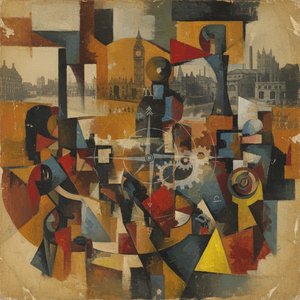
David Bomberg: Reassessing the Pioneering Spirit of Early British Abstraction
Explore the groundbreaking work of David Bomberg, a pivotal figure in British abstraction. Discover his artistic evolution, influences, and lasting legacy through insightful analysis & expert commentary.
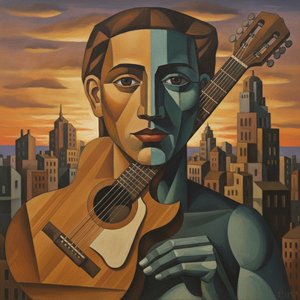
Cubism Unveiled: How Picasso and Braque Redefined Reality Through Geometric Abstraction
Explore the revolutionary world of Cubism. Discover how masters Pablo Picasso and Georges Braque dismantled reality through geometric abstraction to redefine modern art history.

Deconstructing Reality: Cubism's Evolution, Impact & Enduring Legacy
Explore the revolutionary world of Cubism with expert insights from OriginalUniqueArt. Discover Picasso & Braque's groundbreaking techniques, its philosophical roots, and lasting impact on modern art. Expert appraisal & custom reproductions available.
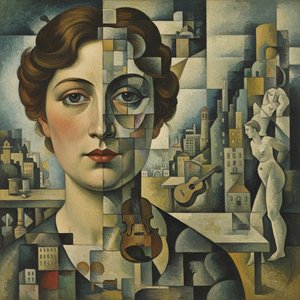
Deconstructing Reality: Cubism's Revolutionary Impact on 20th-Century Art
Explore the revolutionary world of Cubism with OriginalUniqueArt. Discover Picasso & Braque's groundbreaking techniques, its philosophical roots, and lasting impact on modern art. Expert insights for collectors.
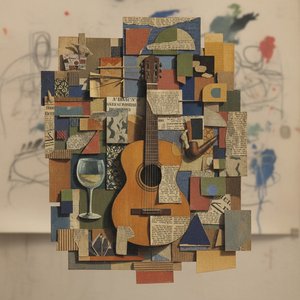
Deconstructing Reality: A Comprehensive Exploration of Synthetic Cubism's Evolution & Impact
Explore the revolutionary world of Synthetic Cubism! Discover its origins, key artists like Picasso & Braque, techniques, and lasting impact on modern art. A comprehensive guide for enthusiasts.

