

 معاينة الحجم الحقيقي
 مشاركة
 مشاركة
 التفاصيل

 تحميل الملف
 قطع مشابهة
 الأشعة السينية
 عرض شرائح
 الإحصائيات
الميدالية


 عرض المزيد
احصل على صورة رقمية عالية الدقة ومعزّنة، بجودة تفوق بكثير المعاينة عبر الإنترنت.
يتم إعداد كل ملف بعناية فائقة من قبل متخصصينا الداخليين باستخدام أدوات متقدمة ولمسات يدوية خبيرة. نضمن أن تتمتع كل صورة بوضوح استثنائي، ودقة لونية متناهية، وتفاصيل دقيقة.
يتم تسليم الملف النهائي عبر البريد الإلكتروني في غضون 72 ساعة، وهو مُحسَّن للاستخدام الفوري في المجالات المهنية والتحريرية ومجالات الطباعة. هذه هي ذات الجودة التي تعتمد عليها كبرى استوديوهات التصميم ودور النشر والمعارض الفنية المرموقة.
صورة رقمية
حمّل ملفاً عالي الدقة للعرض الشخصي، والطباعة، والمشاريع الإبداعية. ( التحويل إلى المطبوعات اشترِ لوحة مرسومة يدويًا)
مزايا مُضمّنة في كل طلب صورة رقمية
تسليم رقمي احترافي، مضمون
عندما تختار OriginalUniqueArt.com، فأنت لا تحصل على مجرد صورة فحسب، بل ستحصل على عمل فني رقمي مُحسّن باحترافية، صُمم بدقة متناهية ومصحوب بضمان الرضا. إليك كل ما يتضمنه طلبك تلقائياً:

تسليم سريع عبر البريد الإلكتروني
ستصلك ملفات صورك الرقمية عالية الدقة عبر البريد الإلكتروني في غضون 72 ساعة من إتمام الطلب - لتكون جاهزة للاستخدام الفوري.

ملف رقمي مُحسّن بالذكاء الاصطناعي
يتم تحسين عملك الفني باحترافية باستخدام أدوات الذكاء الاصطناعي المتقدمة والتحرير اليدوي، لضمان أقصى درجات التفاصيل والوضوح ودقة الألوان.

إعادة إرسال مجانية مدى الحياة
هل حذفت ملفك أو فقدته عن طريق الخطأ؟ لا تقلق - سنعيد إرساله إليك في أي وقت، ومجاناً.

بدون رسوم استيراد - على الإطلاق
استمتع بأعمالك الفنية فوراً دون أي رسوم جمركية أو ضرائب أو مصاريف شحن - فالتحميلات الرقمية دائماً ما تكون معفاة من الضرائب.

ضمان دقة الألوان
نحن نضمن أن تعكس صورتك الرقمية الألوان الأصلية بأقصى قدر ممكن من الدقة، وذلك باستخدام أدوات احترافية وتقنيات إدارة الألوان.

ضمان الرضا لمدة 100 يوم
إذا لم تكن راضياً عن صورتك الرقمية، فسنقوم بتعديلها أو استرداد 100% من قيمتها خلال 100 يوم - دون طرح أي أسئلة.

ضمان استعادة الأموال بنسبة % 100
لم تكن راضياً؟ استرد كامل المبلغ خلال 100 يوم من استلام ملفك الرقمي - دون طرح أي أسئلة.

خصومات الطلبات الكبيرة
اشتري 3 صور، ووفر 10% - اشتري 5، ووفر 15% - اشتري +10، ووفر 20%. مثالية للمشاريع الإبداعية، والمعارض، والوكالات.
العمل الفني: ميدالية
تُعد الميدالية تحفة فنية تروى قصةً عن التراث الإيطالي وتجسد رؤيةً فنيةً فريدةً، حيث قام الفنان الإيطالي كونستانتينو أفير بتصميم هذه القطعة التي تعكس تأثير حركة الباروك في الفنون الزخرفية والتشكيلية. تم تصوير العمل الفني بتقنية الطباعة الحجرية على المعدن، وتتميز بتفاصيل دقيقة ورسومات واقعية تضفي عليها جمالًا خاصًا وعمقًا تاريخيًا. يُعتبر هذا العمل جزءًا من مجموعة الميداليات التي أُطلقت لتخليد ذكرى إنجازات علمية واجتماعية وثقافية هامة في القرن السادس عشر والسبعين، وتحديدًا ميدالية الألعاب الأولمبية الشتوية لعام ١٩٥٦ والتي تم تصميمها بتوجيه من الفنان نفسه. تتميز الميدالية بتصميم يركز على التفاصيل الدقيقة التي تعكس أسلوب الباروك الذي كان شائعًا في تلك الفترة، حيث يتميز هذا الأسلوب بالثراء الزخرفي والتشكيلية والتعبير العاطفي القوي، ويستخدم التكوين المتناظر والأسطح اللامعة لإبراز الجماليات الفنية وإضفاء تأثير بصري مذهل على المشاهد. يُظهر العمل الفني استخدامًا متقنًا للطباعة الحجرية، وهي تقنية تعتمد على حفر التصميم على لوحة من المعدن ثم غسلها وتغطيتها بطبقة من الزيت لتشكيل صورة ثلاثية الأبعاد دقيقة ومؤثرة بصريًا. يُعتبر هذا العمل مثالًا على الإبداع الفني والمهارة التقنية التي تميز الفنان الإيطالي كونستانتينو أفير، ويُظهر التزامه بتراث الفنون الإيطالية وتاريخها العريق. إن الميدالية ليست مجرد قطعة معدنية تحمل صورة رمزية، بل هي تعبير عن رؤية فنية عميقة تهدف إلى إثارة المشاعر والتأثير في نفوس المشاهدين، وتجسد قيمًا إنسانية وأخلاقية تتجاوز حدود الزمان والمكان. يُعتبر هذا العمل إضافة قيمة للمجموعات الفنية التي تسعى إلى التعبير عن الجمال والروعة والإبداع، ويُعد مثالًا على كيفية استخدام الفن للتخليد من الأحداث التاريخية الهامة وتوثيقها بطريقة فنية متميزة. كما أن الميدالية ترمز إلى العظمة والفخر بالإنجازات الإنسانية، وتذكرنا بأهمية التراث الثقافي والاجتماعي في تشكيل الهوية الوطنية والإقليمية والدولية. تُعد الميدالية تحفة فنية تستحق الدراسة والتأمل، وتُظهر كيف يمكن للفنان أن يحول المعدن إلى رمز للقيم والأفكار والمشاعر، ويقدم لنا صورةً فريدةً عن تاريخ الفنون الإيطالية وعلاقتها بالثقافة الأوروبية والعالمية. إنها دعوة لاستكشاف جمال الميداليات والتراث الزخرفي الذي تحمله، وتحديدًا تلك التي تحمل توقيع الفنان كونستانتينو أفير والتي تعكس أسلوب الباروك وتاريخ الفنون الإيطالية في القرن السادس عشر والسبعين.السيرة الذاتية للفنان
Paul Cézanne: Bridging Impressionism and Modernity
Paul Cézanne, born in Aix-en-Provence, France, on January 19, 1839, was a pivotal figure in the transition from late 19th-century Impressionism to the burgeoning movements of early 20th-century modern art. His life, though relatively short – he died on October 22, 1906 – profoundly impacted the course of painting, establishing new principles of form, color, and perspective that would resonate deeply with artists like Picasso, Matisse, and Braque. Cézanne’s legacy isn't simply one of stylistic innovation; it represents a fundamental shift in how artists perceived and represented the world around them.Early Influences and Artistic Development
Cézanne’s early artistic training was rooted in traditional academic styles, influenced by his father, who worked for the French railway system. He initially studied law at the École Normale Supérieure in Paris but quickly abandoned this path to pursue his passion for art. His early works, particularly those created during his time in Italy (1865-1870), reveal a strong admiration for Italian Renaissance masters like Raphael and Titian. These paintings demonstrate a meticulous attention to detail and a skillful rendering of form – characteristics inherited from the academic tradition. However, even in these early pieces, Cézanne began to experiment with color and composition, hinting at the radical changes that were yet to come. He was deeply affected by the Impressionist movement, particularly the work of Monet and Pissarro, but he never fully embraced its emphasis on fleeting impressions. Instead, he sought a more enduring representation of reality, one rooted in underlying structure and geometric forms.The Mont Sainte-Victoire Series and Formal Exploration
Perhaps Cézanne’s most significant contribution lies in his tireless exploration of a single subject: Mont Sainte-Victoire, the towering mountain that dominates the landscape near Aix-en-Provence. Over six decades, he painted this mountain countless times, each iteration revealing a deepening understanding of its form and a relentless pursuit of formal perfection. These paintings are not merely depictions of a landscape; they are investigations into the very nature of seeing. Cézanne broke with traditional perspective by flattening space, reducing depth to a series of overlapping planes. He employed a limited palette of earthy tones – ochres, browns, greens, and blues – to create a sense of solidity and weight. His brushstrokes were often short, broken, and deliberately visible, contributing to the textured surface of his canvases. The Mont Sainte-Victoire series is a testament to Cézanne’s dedication to distilling the essence of form from its observed appearance.Connections to Surrealism and Beyond
While Cézanne predates the formal emergence of Surrealism, his work profoundly influenced artists associated with the movement. The emphasis on inner vision, the exploration of psychological space, and the use of symbolic imagery in his later paintings resonated with Surrealist principles. Figures like André Breton recognized Cézanne as a precursor to their own explorations of the unconscious mind. Furthermore, Cézanne’s influence extended far beyond the realm of Surrealism. His innovations in color theory, composition, and brushwork paved the way for Cubism, which sought to deconstruct objects into geometric forms and represent them from multiple viewpoints simultaneously. Artists like Picasso and Braque directly studied Cézanne's work, adapting his techniques to create their revolutionary new style.Legacy and Historical Significance
Paul Cézanne’s impact on the history of art is undeniable. He fundamentally altered our understanding of what painting could be, moving beyond mere representation towards a more conceptual and structural approach. His emphasis on form, color, and perspective laid the groundwork for modern abstraction and continues to inspire artists today. Cézanne's relentless pursuit of formal perfection, coupled with his profound connection to the natural world, cemented his place as one of the most important and influential figures in the history of Western art. His work remains a powerful reminder of the transformative potential of artistic innovation and the enduring power of observation.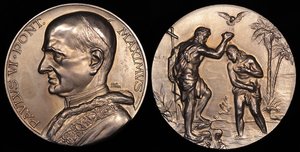
costantino affer
1906 - 1987 , Italy
لمحة سريعة
- Artistic Movement Or Style: Post-Impressionism
- Artists Or Movements Influenced By This Artist:
- Cubism
- Impressionism
- Artists Who Influenced This Artist:
- Jean-Auguste-Dominique Ingres
- William-Adolphe Bouguereau
- Date Of Birth: January 19, 1839
- Date Of Death: October 22, 1906
- Full Name: Paul Cézanne
- Nationality: French
- Notable Artworks:
- The Card Players
- The Bathers
- Mont Sainte-Victoire
- Place Of Birth: Paris, France