

 معاينة الحجم الواقعي
 إرسال
إرسال مشاركة
 عرض التفاصيل
 دليل الأعمال الفنية للطلاب

 تحميل
تحميل
 قطع مشابهة
 الأشعة السينية
 عرض شرائح متتابع
 الإحصائيات
Roman Ruins
 Oil
Oil- WallArt
- Dutch Golden Age
 1620
1620- Early Modern
 23.0 x 31.0 cm
 اقرأ المزيد
طباعة جيلي / مطبوعات فنية
طباعة جيكلي أو كانفاس بجودة المتاحف، مع سرعة في التنفيذ وخيارات متنوعة للتشطيب. ( اطلب نسخة مرسومة يدويًا التحويل إلى الصورة الرقمية)




P118B E£10

P118H E£10

P118W E£10

P438Z E£10

P508JH E£12

P508YH E£12

P805H E£10

P805Z E£10

P919BZ E£10

P919G E£10

P919XJ E£10

P959ZH E£10

P968JZ E£12

W106C E£8

W218G E£10

W218JH E£8

W218Y E£10

W307PJ E£10

W316G E£10

W316PJ E£8

W316Y E£10

W398PJ E£8

W4111J E£10

W500HY E£15

W500JH E£15

W692G E£12

W849H E£8

W940BG E£15

W953PJ E£8




اختر من بين أحجامنا المُعدّة مسبقاً والتي تتوافق مع النسب الأصلية للعمل الفني.

أدخل العرض والارتفاع اللذين تحتاجهما، ليتناسب مع إطارك أو جدارك. يمكن قص المطبوعة فقط، ولا يمكن أبداً جعلها أكبر من الصورة الأصلية، لذا فإن أي مقاس بشكل مختلف سيؤدي إلى فقدان جزء من الصورة. سنرسل لك نموذجاً رقمياً تجريبياً لاعتماده قبل البدء في عملية الطباعة. الصورة المعروضة في هذه الصفحة لا توضح القص الفعلي — النموذج التجريبي فقط هو ما يظهر ذلك.
توصيل عالمي إلى خلال أسبوعين بدلاً من المدة القياسية البالغة 4/5 أسابيع. (24 أكتوبر)

شحن سريع ومجاني لجميع أنحاء العالم

قماش كتان فاخر

تأمين شامل على الشحن

ضمان استرداد الرسوم الجمركية

ضمان دقة مطابقة الألوان

سياسة الإرجاع خلال 100 يوم (في حالات العيوب فقط)

ضمان استرداد نقدي بنسبة 100%

عرض خصم الكميات
 خيار الزجاج متاح فقط للمقاسات التي تقل عن 110 سم

Roman Ruins
طباعة جيلي / مطبوعات فنية
مقاس النسخة المطبوعة
-


إجمالي السعر
E£ 4134
A Window into Antiquity: The Timeless Allure of Roman Ruins
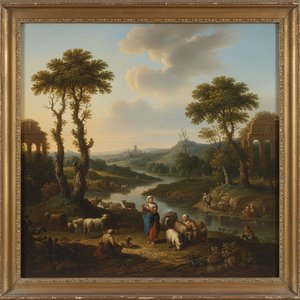
In the delicate, circular embrace of this exquisite tondo, Cornelis van Poelenburgh invites us to step through a portal into a bygone era. Painted around 1620, Roman Ruins is far more than a mere depiction of architectural decay; it is a profound meditation on the passage of time and the enduring relationship between humanity and the remnants of greatness. The composition, framed by its characteristic round format, focuses our gaze upon a landscape where the grandeur of the Roman Empire has softened into a pastoral sanctuary. Within this intimate space, the heavy stone arches and crumbling pillars serve as silent witnesses to history, now providing a backdrop for the quiet, rhythmic pulse of rural life.
The scene unfolds with a masterful use of light and shadow, reminiscent of the Dutch Golden Age's obsession with atmospheric truth. As we gaze upon the foreground, we encounter a world in gentle motion: a shepherd tending his flock, a laborer with his oxen, and figures caught in quiet contemplation. These small-scale inhabitants of the landscape bring a sense of warmth and vitality to the otherwise somber ruins. The artist employs a subtle, earthy palette—rich ochres, muted greens, and soft umbers—to weave a tapestry of textures that feels both tactile and ethereal. The hazy, overcast sky suggests the fleeting light of dawn or dusk, casting a melancholic yet peaceful glow over the entire vista, evoking a sense of nostalgia for a lost civilization.
The Mastery of the Italianate Style
Cornelis van Poelenburgh was a pivotal figure in the first generation of Dutch landscape painters who found profound inspiration in Italy. His travels to Rome allowed him to infuse his Northern training with the classical elegance of the Mediterranean. In Roman Ruins, we see this synthesis perfected. The technique is characterized by an incredible attention to detail; every crack in the ancient masonry and every distant bird in flight is rendered with a precision that draws the viewer deeper into the frame. This meticulousness does not feel clinical, however, but rather serves to enhance the three-dimensional depth of the scene, making the archway feel like a real threshold through which one might walk.
For the discerning collector or interior designer, this piece offers a unique emotional resonance. It possesses a "Caravaggesque" drama tempered by a serene, pastoral tranquility. The symbolism of the ruins—representing the inevitable cycle of rise and fall—is balanced by the resilience of the natural world and the simplicity of the human spirit. Such a work is an ideal centerpiece for a sophisticated interior, providing a conversational focal point that inspires reflection. Whether placed in a sunlit study or a grand gallery, this reproduction captures a moment of eternal stillness, offering any space it inhabits a touch of historical majesty and poetic grace.
الأسئلة والأجوبة
من الذي أبدع "Roman Ruins" وفي أي عام؟
أبدع كورنيليس فان بولينبورخ لوحة "Roman Ruins" في عام 1620.
ماذا يصور "Roman Ruins" للفنان كورنيليس فان بولينبورخ؟
تشمل الموضوعات المتضمنة في "Roman Ruins" للفنان كورنيليس فان بولينبورخ كلاً من figures, sheep, cow, archway, ruins, trees, birds, earth tones، وهي مجتمعةً تلخص فحوى العمل الفني.
ما مدى قوة ألوان "Roman Ruins"؟
تُظهر ألوان "Roman Ruins" للفنان كورنيليس فان بولينبورخ تشبعاً بمستوى Muted مع حدة بلغت Balanced.
نبذة عن الفنان
البدايات والنشأة الفنية
كورنيليس فان بولينبورغ، ذلك الرسام الهولندي البارز في فن المناظر الطبيعية، أبصر النور في مدينة أوتريخت بهولندا عام 1594. بدأت رحلته الإبداعية تحت إشراف المعلم أبراهام بلوميرت، الذي كان أحد أشهر فناني عصره، حيث وضعت هذه التدريبات التأسيسية اللبنات الأولى لنجاحات فان بولينبورغ المستقبلية المذهلة.المسيرة الفنية ومصادر الإلهام
لقد شكلت رحلات فان بولينبورغ إلى روما في أوائل القرن السابع عشر نقطة تحول جوهرية في مسيرته، مما جعله رائداً من الجيل الأول من رسامي المناظر الطبيعية الهولندs الذين نشطوا في إيطاليا. وقد تجلى أسلوبه الفريد في لوحاته ذات الحجم الصغير، والتي غالباً ما كانت تصور مناظر طبيعية مستوحاة من الطابع الإيطالي، حيث تتناغم فيها التفاصيل الدقيقة مع شخصيات صغيرة تجسد مشاهد توراتية أو أساطير قديمة. ومن أبرز أعماله الخالدة:- ساتير يتجسسون على الحوريات (بعد عام 1627)، وهي نموذج كلاسيكي لأعمال فان بولينبورغ، حيث تستعرض مناظر طبيعية عتيقة لشخصيات تسبح في الطبيعة. (شاهد العمل على OriginalUniqueArt)
- مجلس الآلهة (حوالي 1630)، وهي لوحة تستعرض المناظر التلية المثالية التي برع فيها فان بولينبورغ مع إلهات مستوحاة من العصر الروماني، وتُعرض الآن في متحف موريتشويس (لاهاي، هولندا). (شاهد العمل على OriginalUniqueArt)
الإرث والسنوات الأخيرة
حظيت أعمال فان بولينبورغ بتقدير رفيع من معاصريه، بما في ذلك دوق توسكانا الهولندي و"ستادهولدر" هولندا. وفي نهاية المطاف، عاد إلى مسقط رأسه أوتريخت، حيث فارق الحياة في عام 1667، بعد سنوات قليلة فقط من رحيل معلمه القديم أبراهام بلوميرت. نقاط جوهرية:- ولد في أوتريخت، هولندا عام 1594
- تدرب على يد أبراهام بلوميرت
- تأثر بعمق بفترته التي قضاها في روما
- اشتهر بلوحات المناظر الطبيعية الإيطالية الصغيرة المليئة بالشخصيات
- توفي في أوتريخت عام 1667 تصفح أعمال كورنيليس فان بولينبورغ الفنية على OriginalUniqueArt تعرف على المزيد حول كورنيليس فان بولينبورغ عبر ويكيبيديا

كورنيليس فان بولينبورخ
1594 - 1667 , هولندا
لمحة سريعة
- Artistic Movement Or Style: المناظر الطبيعية الهولندية، الطراز الروماني
- Artists Or Movements Influenced By This Artist: ['كلود لورين']
- Artists Who Influenced This Artist: ['أبراهام بلوميرت']
- Date Of Birth: 1594، أوتريخت، هولندا
- Date Of Death: 1667، أوتريخت، هولندا
- Full Name: كورنيليس فان بولينبورغ
- Nationality: هولندي
- Notable Artworks:
- الساتير يتجسسون على الحوريات
- مجلس الآلهة
- Place Of Birth: أوتريخت، هولندا
مقالات ذات صلة

Golden Light & Dutch Skies: The Timeless Magic of Dutch Golden Age Landscapes
Discover the breathtaking beauty of Dutch Golden Age landscapes. Explore the mastery of light, chiaroscuro, and 17th-century realism through an expert art history lens, celebrating the enduring legacy of the Dutch Masters for discerning collectors and art lovers.

Golden Age Reflections: Dutch Baroque Painting & Cultural Innovation
Explore the Dutch Golden Age of painting! Discover key artists like Vermeer & ter Borch, their innovative techniques, and the rich cultural context behind these Baroque masterpieces. Learn about collecting & appreciating this iconic art period.

Mastering Light & Shadow: A Journey Through the Dutch Golden Age's Luminous Legacy
Embark on a cultural journey through the Dutch Golden Age. Explore the masterful interplay of light and shadow in 17th-century masterpieces, from Rembrandt to Vermeer, and discover how this era of profound realism continues to inspire fine art collectors today.

أفضل 10 روائع العصر الذهبي الهولندي: تحف فنية وجماليات منزلية خالدة | OriginalUniqueArt
اكتشف روائع العصر الذهبي الهولندي! استكشف 10 لوحات خالدة لرامبرانت، فيرمير وغيرهم. فن هولندي باروكي، ألوان آسرة وقصص فنية لا تُنسى. احصل على إعادة إنتاج عالية الجودة وتحف فنية لديكور منزلك مع OriginalUniqueArt.com
Nicolaes Berchem: Dutch Golden Age Pastoralism & the Evolution of Landscape Painting
Explore the captivating world of Nicolaes Berchem, a leading Dutch Golden Age painter. Discover his idyllic landscapes, masterful technique & lasting influence on art history. Learn more at OriginalUniqueArt.