

 معاينة الحجم الحقيقي
 مشاركة
 مشاركة
 التفاصيل

 تحميل الملف
 قطع مشابهة
 الأشعة السينية
 عرض شرائح
 Stats
StatsThe Porter


 عرض المزيد
طباعة جيلي / مطبوعات فنية
طباعة جيكلي أو كانفاس بجودة المتاحف، مع سرعة في التنفيذ وخيارات متنوعة للتشطيب. ( اشترِ لوحة مرسومة يدويًا Switch to Digital Image)




P118B $10

P118H $10

P118W $10

P438Z $10

P508JH $12

P508YH $12

P805H $10

P805Z $10

P919BZ $10

P919G $10

P919XJ $10

P959ZH $10

P968JZ $12

W106C $8

W218G $10

W218JH $8

W218Y $10

W307PJ $10

W316G $10

W316PJ $8

W316Y $10

W398PJ $8

W4111J $10

W500HY $15

W500JH $15

W692G $12

W849H $8

W940BG $15

W953PJ $8




اختر من بين أحجامنا المُعدّة مسبقًا والتي تتطابق مع النسب الأصلية للعمل الفني.

يمكنك إدخال أبعادك الخاصة لتناسب إطاراً أو مساحة معينة. وإذا لم يتطابق الحجم الذي اخترته مع نسب الصورة الأصلية، فسنقوم إما بقص العمل الفني أو تمديد الصورة باستخدام حافة معكوسة أو بلون مصمت. سيتم إرسال نموذج تجريبي رقمي لاعتمادك قبل بدء الإنتاج.
يرجى ملاحظة أن المعاينة على الشاشة لا تعكس عملية القص أو التمديد الفعلية؛ حيث سيوضح النموذج التجريبي فقط التكوين النهائي بدقة.
وعلى الرغم من توفر أحجام مخصصة، إلا أننا نوصي باختيار أبعاد من القائمة المحددة مسبقاً للحفاظ على النسب الأصلية.
توصيل عالمي إلى خلال أسبوعين بدلاً من المدة القياسية البالغة 4/5 أسابيع. 8 سبتمبر

شحن سريع ومجاني لجميع أنحاء العالم

قماش كتان عالي الجودة

تأمين شحن شامل

ضمان استرداد الرسوم الجمركية

ضمان مطابقة الألوان الحقيقية

سياسة الإرجاع خلال 100 يوم (في حالات العيوب فقط)

ضمان استرداد نقدي بنسبة 100%

خصم عند طلب عدة قطع
 خيار الزجاج متاح فقط للمقاسات التي تقل عن 110 سم

The Porter
طباعة جيلي / مطبوعات فنية
مقاس النسخة المطبوعة
-


السعر الإجمالي النهائي
$ 80
The Porter: A Testament to Industrial Dignity
Constantin Meunier’s “The Porter,” created in 1887, stands as a poignant emblem of the burgeoning industrial age and its profound influence on artistic expression. More than just a depiction of manual labor—though undeniably central to its subject matter—the sculpture embodies a deeper exploration of human resilience and empathy, reflecting Meunier's own formative experiences amidst the factories of Brussels. The bronze statue portrays a solitary figure carrying a substantial bag upon his shoulder, conveying an aura of quiet determination against a backdrop of two smaller figures, subtly hinting at a larger narrative surrounding societal transformation.- Subject Matter: The sculpture focuses on the everyday task of porterage—the transportation of goods—a profession emblematic of the industrial workforce during Meunier’s time. This choice wasn't arbitrary; it served as a deliberate vehicle for conveying themes of hardship, dignity, and the human cost of progress.
- Style: Meunier’s style aligns firmly with Social Realism, prioritizing truthful representation over idealized beauty. He eschewed romantic notions of heroism in favor of portraying individuals grappling with tangible difficulties—a stylistic decision that mirrored his personal convictions about artistic responsibility.
Technique and Material Considerations
The statue’s execution demonstrates Meunier's mastery of bronze casting, a technique favored by artists seeking durability and expressive potential. The rich brown hue of the bronze is achieved through careful oxidation—a deliberate process designed to enhance the sculpture’s textural qualities and imbue it with an aged appearance. This stylistic choice underscores Meunier’s fascination with capturing the passage of time and conveying the enduring spirit of labor, mirroring the realities faced by countless workers during the Victorian era. The sculptor meticulously modeled the figure's musculature and posture, striving for anatomical accuracy while simultaneously conveying a sense of burdened strength—a visual language that speaks volumes about the physical demands of manual labor.Historical Context: Brussels at the Dawn of Industrialization
Brussels in 1887 was experiencing rapid industrial expansion, attracting migrants from rural areas and reshaping urban landscapes. Meunier’s artistic engagement with this transformative period reflects a broader cultural preoccupation with documenting social realities—particularly those experienced by marginalized communities. The inclusion of two smaller figures in the background serves as a subtle commentary on the collective impact of industrialization, suggesting that individual struggles are interwoven within larger societal shifts. It's important to note that Meunier’s work directly responded to the artistic currents of Impressionism and Neo-Romanticism, establishing himself as a pivotal figure in bridging these movements toward Social Realism.Symbolic Resonance: Dignity Amidst Labor
“The Porter” transcends mere representation; it embodies symbolic resonance. The posture of the central figure—shoulders slumped slightly but gaze unwavering—communicates resilience and fortitude—qualities valued in Meunier’s own life experience. The bag carried represents not only physical burden but also metaphorical weight—the responsibilities and sacrifices inherent in pursuing a livelihood. Furthermore, the sculpture's solemn atmosphere evokes contemplation on themes of human dignity and perseverance, reminding viewers of the importance of acknowledging the contributions of ordinary individuals to societal advancement.Emotional Impact: A Reflection of Human Experience
Ultimately, “The Porter” resonates deeply with audiences due to its unflinching portrayal of human vulnerability alongside unwavering determination. Meunier’s ability to convey emotion through sculptural form—particularly in capturing the subtle nuances of posture and expression—solidifies his legacy as a humanist artist committed to documenting the complexities of everyday life. Reproductions of this evocative piece offer an opportunity to appreciate not only Meunier's artistic skill but also his profound empathy for the human condition, fostering contemplation on themes of labor, dignity, and resilience.السيرة الذاتية للفنان
A Life Forged in Industry: The World of Constantin Meunier
Constantin Meunier, born in the Brussels suburb of Etterbeek in 1831, was an artist profoundly shaped by the burgeoning industrial revolution and its impact on the human spirit. His life story is one interwoven with hardship and a deep-seated empathy for the working class—a narrative that would become the defining characteristic of his artistic output. The shadow of personal tragedy fell early; his father’s suicide cast a long pall over his childhood, instilling in him perhaps a heightened sensitivity to suffering and vulnerability. This formative experience, coupled with growing up amidst the factories and laborers of Brussels, fueled a lifelong commitment to portraying the dignity and struggle inherent in manual labor. Initially drawn to sculpture, studying at the Academy of Fine Arts in Brussels under Louis Jehotte and Charles-Auguste Fraikin, Meunier’s artistic path took an unexpected turn after encountering Gustave Courbet's groundbreaking realism. The raw honesty of “The Stone Breakers” resonated deeply, leading him to believe that painting offered a more potent medium for addressing the pressing social issues of his time. For nearly three decades, from 1857 to 1884, he dedicated himself primarily to this art form, meticulously documenting the lives unfolding around him.From Social Realism to Monumental Visions
Meunier’s early paintings reveal a keen observational eye and an emerging concern for everyday life. Works like “The Salle St Roch” (1857) and “A Trappist Funeral” (1860) demonstrate his ability to capture the atmosphere of ordinary moments, but it was his immersion into the world of industry that truly ignited his artistic vision. He became a chronicler of the working class—the miners descending into the earth’s depths, the dockworkers straining under heavy loads, the steelworkers battling the fiery furnace. Paintings such as “Melting Steel at the Factory at Seraing” (1882) and “Returning from the Pit” (1884) are not merely depictions of labor; they are powerful statements about human endurance, resilience, and the often-brutal realities of industrial life. A period in Spain, commissioned by the Belgian government in 1882, offered a temporary shift towards religious themes—paintings like “The Café Concert,” “Procession on Good Friday,” and “The Tobacco Factory at Seville” showcasing his versatility. However, this detour proved fleeting. Around 1885, Meunier felt an irresistible pull back to sculpture, recognizing its unique capacity to convey the physicality and monumental presence of labor. This return marked a new phase in his career, one characterized by powerfully emotive works like “The Puddler” (1886), “Firedamp” (1889), and “Le Débardeur,” each capturing the raw energy and inherent dignity of working men.The Monument to Labour: A Lasting Legacy
Perhaps Meunier’s most ambitious undertaking was the "Monument to Labour," a sprawling, multi-faceted work acquired by the Belgian state. This monumental project wasn't simply a sculpture; it was an entire artistic ecosystem designed to celebrate the contributions of the working class. It comprised four stone bas-reliefs representing industry, mining, harvest, and the harbor—each panel teeming with figures engaged in their respective trades. Complementing these were four bronze statues: the sower, the smith, the miner, and the ancestor—archetypal representations of labor through the ages. At the heart of it all stood a poignant bronze group titled “Maternity,” acknowledging the vital role of women and family within this world. The "Monument to Labour" wasn’t just about depicting work; it was about elevating it, imbuing it with a sense of nobility and recognizing its fundamental importance to society.Influences and Artistic Significance
Constantin Meunier's artistic journey was shaped by several key influences. Gustave Courbet’s social realism served as an initial catalyst, encouraging him to confront the realities of his time with unflinching honesty. The changing industrial landscape of Belgium itself provided a constant source of inspiration, offering a wealth of subject matter and a compelling narrative for his art. However, Meunier wasn't merely a documentarian; he possessed a unique ability to imbue his subjects with a sense of dignity and pathos. He didn’t shy away from depicting the harshness of labor, but he always emphasized the inherent worth and resilience of those who performed it. This commitment to social realism paved the way for later artists who explored themes of social justice and worker's rights. His work stands as a testament to the power of art to bear witness, to challenge conventions, and to champion the cause of the marginalized. He was also a co-founder of the Société Libre des Beaux-Arts in Brussels, an influential society that championed artistic freedom and innovation.A Continuing Resonance
Today, Constantin Meunier’s legacy endures through his powerful paintings and sculptures, which continue to resonate with audiences worldwide. The Museum Constantin Meunier, established in 1939 within the walls of his last home and studio in Ixelles, Brussels, serves as a fitting tribute to his life and work, housing approximately 150 of his creations. His art remains relevant not only for its historical significance but also for its timeless message about the dignity of labor and the importance of social consciousness. Meunier’s ability to capture the human spirit amidst the relentless march of industrial progress ensures his place as a pivotal figure in Belgian and European art history—an artist who dared to look beyond the surface and reveal the profound beauty and inherent worth within the lives of ordinary people.
Constantin Meunier
1831 - 1905 , Belgium
حقائق سريعة
- Artistic Movement Or Style: Social Realism
- Artists Or Movements Influenced By This Artist: ['Social Realism artists']
- Artists Who Influenced This Artist: ['Gustave Courbet']
- Date Of Birth: 1831
- Date Of Death: 1905
- Full Name: Constantin Meunier
- Nationality: Belgian
- Notable Artworks:
- The Salle St Roch
- Returning from the Pit
- The Puddler
- Monument to Labour
- Place Of Birth: Etterbeek, Belgium
مقالات ذات صلة

Bronze Sculptures That Defined Art History | OriginalUniqueArt
Journey through art history with our Top 10 bronze sculptures! Explore masterpieces by Rodin, Michelangelo & more. Discover stories behind iconic statues and find museum-quality reproductions for your home decor at OriginalUniqueArt.com.

The Enduring Form: Exploring Themes & Techniques in Sculpture Across Historical Periods
Explore the rich history of sculpture from ancient masterpieces to contemporary innovations. Discover key techniques, influential artists & investment potential for discerning art collectors.

Bronze Age to Modern Masters: 10 Sculptures That Redefined Art | OriginalUniqueArt
Journey through art history with 10 legendary bronze sculptures – from Michelangelo's David to Rodin’s Thinker. Explore the stories, techniques & timeless beauty of these masterpieces. Find museum-quality reproductions & elevate your home decor on OriginalUniqueArt.com.
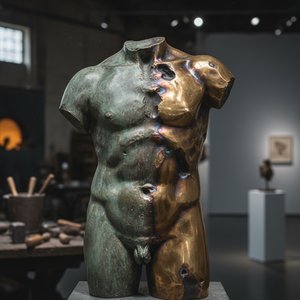
الإرث الدائم للنحت البرونزي: تاريخ، تقنيات، وتفسيرات معاصرة
استكشف تاريخ النحت البرونزي وتقنياته العريقة، من صب الشمع المفقود إلى التحف المعاصرة. دليل شامل لجامعي الفن والمستثمرين والمهتمين بتقييم الأعمال الفنية.

The Enduring Form: Sculpture Across History, Technique & Emotional Resonance
Explore the rich history of sculpture with OriginalUniqueArt. Discover key techniques, influential artists & investment potential for discerning collectors. Expert insights into valuing and collecting timeless masterpieces.