التبديل إلى نسخة مطبوعة
 عرض المزيد







































 بالنسبة للأعمال الفنية أو النسخ المطبوعة التي يتجاوز طول أي من أضلاعها 105 سم (حوالي 41 بوصة)، سيتم شحن الإطار كمجموعة مفككة؛ حيث تضمن هذه الطريقة سلامة التوصيل وتمنع حدوث أي أضرار أثناء النقل.


Lunch on the Grass: A Symphony of Light and Impression
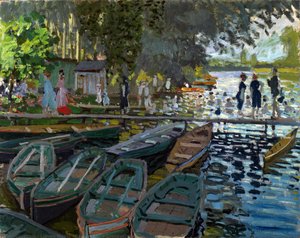
Claude Monet’s “Lunch on the Grass,” painted in 1865 during his formative years as an Impressionist, stands as a cornerstone of the movement's aesthetic philosophy. More than just a depiction of a picnic scene—though undeniably charming—it embodies Monet’s relentless pursuit of capturing the ephemeral beauty of nature and translating it onto canvas with unprecedented vibrancy.
The Scene Unfolds: The painting portrays a group of figures enjoying a meal amidst a lush meadow in Giverny, Monet's estate. Thirteen individuals are visible, engaged in conversation and bathed in dappled sunlight filtering through the foliage. Tables laden with wine glasses, plates piled high with food, and scattered napkins contribute to an atmosphere of convivial relaxation—a deliberate contrast to the formal academic painting styles prevalent at the time.
Impressionistic Technique: Monet’s masterful technique exemplifies the Impressionist ethos. Rather than striving for photographic realism, he employed loose brushstrokes – visible pigment particles suspended in oil paint – to convey the sensation of light and color as perceived by the eye. The artist eschewed blending colors meticulously; instead, he layered hues side-by-side, allowing them to merge optically when viewed from a distance. This approach is particularly evident in the treatment of the grass itself—a riot of greens punctuated by yellows and blues—creating an illusion of movement and luminosity.
Historical Context & Symbolism: “Lunch on the Grass” emerged during a period of significant artistic experimentation, challenging established conventions. Monet’s decision to paint *en plein air*, directly from observation, was revolutionary, aligning with Eugène Boudin's influence and marking a decisive break from studio painting. The picnic itself carries symbolic weight—representing leisure, friendship, and the celebration of sensory experience—values central to Impressionist ideals.
Emotional Resonance: Viewing “Lunch on the Grass” evokes a profound sense of tranquility and warmth. Monet’s masterful use of color captures not only the visual splendor of the meadow but also its intangible atmosphere – the feeling of summer air, the murmur of voices, and the joy of shared companionship. It's a painting that invites contemplation and transports us back to a moment of simple beauty—a testament to Monet’s enduring legacy as one of art history’s most perceptive interpreters of light and emotion.
- Artist: Claude Monet
- Year Painted: 1865
- Style: Impressionism
- Medium: Oil on Canvas
- Location: Musée d'Orsay, Paris
Explore a stunning reproduction of “Lunch on the Grass” at Musée d'Orsay and discover how Monet’s vision continues to inspire artists and collectors worldwide.
الأسئلة والأجوبة
ما مدى قوة التباين في "Lunch on the Grass" للفنان كلود مونيه؟
يبلغ مستوى التباين في "Lunch on the Grass" للفنان كلود مونيه درجة Statement.
كم كان عمر كلود مونيه عند إبداع العمل "Lunch on the Grass"؟
أبدع كلود مونيه لوحة "Lunch on the Grass" وهو في سن 25. وُلد الفنان في 1840 ويعود تاريخ هذا العمل إلى 1865.
ما مدى قوة الألوان في "Lunch on the Grass" للفنان كلود مونيه؟
تتميز شدة ألوان "Lunch on the Grass" بأنها Balanced؛ حيث تعبر هذه الشدة عن مدى قوة ووضوح الألوان.
 معاينة الحجم الواقعي
 مشاركة
 مشاركة
 التفاصيل
 دليل
دليل

 تحميل الملف
 قطع مشابهة
 الأشعة السينية
 عرض شرائح
 الأسئلة والأجوبة
 الإحصائيات