

 معاينة الحجم الواقعي
 إرسال
إرسال مشاركة
 عرض التفاصيل
 دليل الأعمال الفنية للطلاب

 تحميل
تحميل
 قطع مشابهة
 الأشعة السينية
 عرض شرائح متتابع
 الإحصائيات
ساتيرون
 أكريليك على كانفاس
- لوحات جدارية
- Neoclassical Style
 1700
1700 41.0 x 52.0 cm
 متحف غولبنكيان
 اقرأ المزيد
طباعة جيلي / مطبوعات فنية
طباعة جيكلي أو كانفاس بجودة المتاحف، مع سرعة في التنفيذ وخيارات متنوعة للتشطيب. ( اطلب نسخة مرسومة يدويًا التحويل إلى الصورة الرقمية)




P118B E£10

P118H E£10

P118W E£10

P438Z E£10

P508JH E£12

P508YH E£12

P805H E£10

P805Z E£10

P919BZ E£10

P919G E£10

P919XJ E£10

P959ZH E£10

P968JZ E£12

W106C E£8

W218G E£10

W218JH E£8

W218Y E£10

W307PJ E£10

W316G E£10

W316PJ E£8

W316Y E£10

W398PJ E£8

W4111J E£10

W500HY E£15

W500JH E£15

W692G E£12

W849H E£8

W940BG E£15

W953PJ E£8




اختر من بين أحجامنا المُعدّة مسبقاً والتي تتوافق مع النسب الأصلية للعمل الفني.

أدخل العرض والارتفاع اللذين تحتاجهما، ليتناسب مع إطارك أو جدارك. يمكن قص المطبوعة فقط، ولا يمكن أبداً جعلها أكبر من الصورة الأصلية، لذا فإن أي مقاس بشكل مختلف سيؤدي إلى فقدان جزء من الصورة. سنرسل لك نموذجاً رقمياً تجريبياً لاعتماده قبل البدء في عملية الطباعة. الصورة المعروضة في هذه الصفحة لا توضح القص الفعلي — النموذج التجريبي فقط هو ما يظهر ذلك.
توصيل عالمي إلى خلال أسبوعين بدلاً من المدة القياسية البالغة 4/5 أسابيع. (24 أكتوبر)

شحن سريع ومجاني لجميع أنحاء العالم

قماش كتان فاخر

تأمين شامل على الشحن

ضمان استرداد الرسوم الجمركية

ضمان دقة مطابقة الألوان

سياسة الإرجاع خلال 100 يوم (في حالات العيوب فقط)

ضمان استرداد نقدي بنسبة 100%

عرض خصم الكميات
 خيار الزجاج متاح فقط للمقاسات التي تقل عن 110 سم

ساتيرون
طباعة جيلي / مطبوعات فنية
مقاس النسخة المطبوعة
-


إجمالي السعر
E£ 4136
الساطير: تحفة فنية تعكس جمال الطبيعة والروحانية في عصر الرومانسية
تعتبر لوحة الساطير التي رسمها كلود ميشيل كلاوديون عام 1700 تحفة فنية فريدة تجسد روحًا من الجمال الأثيري والتعبير العاطفي، وتُعد إضافةً قيمة لأي مجموعة فنية أو مساحة داخلية تسعى إلى إضفاء لمسة من الرومانسية والهدوء على أجواءها. هذه اللوحة التي تم عرضها في متحف غولبنكيان بمدينة لشبونة، البرتغال، ليست مجرد صورة واقعية لشخصيات أسطورية بل هي دعوة لاستكشاف عالم الأفكار والمشاعر العميقة الذي كان سائدًا في تلك الحقبة الفنية الهامة.- الموضوع: اللوحة تصور زوجًا من الساطير، يمثلان الجانبين الذكراني والأنثوي من الطبيعة، ويظهران في عناق حميم يعكس القرب العاطفي والتناغم بين الكائنين الحيين وبين الأسطورة والحقيقة. الساطر هو شخصية أسطورية يونانية قديمة ترمز إلى الشغب والفساد، بينما الفُلورا هي إلهة الزهور التي تجسد النقاء والجمال الطبيعي، وتُعتبر هذه التناقضات عنصرًا أساسيًا في جمال اللوحة وتعبيرها الفني.
- الأسلوب: ينتمي كلاوديون إلى حركة الرومانسية الفرنسية التي ظهرت في أواخر القرن الثامن عشر، والتي تميزت بالاهتمام بالعواطف والتعبير عن المشاعر القوية، والبحث عن الجمال الطبيعي والتأمل الروحي، وتُظهر اللوحة هذه السمات ببراعة من خلال استخدام الألوان الهادئة والتكوين الديناميكي الذي يضفي على العمل إحساسًا بالحركة والحياة.
- التقنية: تم الرسم بتقنية التجليد، وهي تقنية فنية تتسم بالدقة والتعقيد، وتعتبر من التقنيات التي كانت تستخدم بشكل واسع في تلك الفترة لتجسيد التفاصيل الدقيقة وإضفاء عمق بصري على العمل الفني. يتميز التجليد بتشكيل طبقات رقيقة من الطلاء فوق بعضها البعض، مما يخلق تأثيرًا ثلاثي الأبعادًا ويُبرز جمال الألوان والتفاصيل الصغيرة التي قد لا تكون مرئية بالعين المجردة.
- السياق التاريخي: يعكس العمل الفني تأثير حركة الرومانسية التي كانت تسعى إلى التعبير عن المشاعر الإنسانية العميقة والبحث عن الجمال في الطبيعة، وتُظهر اللوحة هذه القيم الأساسية التي كانت سائدة في المجتمع الأوروبي آنذاك، وتُعتبر إضافةً مهمة إلى تاريخ الفن الأوروبي الذي شهد تحولات كبيرة وتطورًا فنيًا واجتماعيًا.
- التأثير العاطفي: تثير اللوحة مشاعر الحنين إلى الماضي والجمال الطبيعي والتعبير عن القرب العاطفي بين الكائنين، وتُعد إضافةً رائعة لأي مساحة داخلية تسعى لإضفاء لمسة من الهدوء والرومانسية على أجواءها، وتُعتبر تحفة فنية تستحق الاستكشاف والتقدير.
الأسئلة والأجوبة
ما هي حقوق إعادة إنتاج العمل الفني "ساتيرون" في متحف غولبنكيان؟
النسخة الأصلية من "ساتيرون" محفوظة في متحف غولبنكيان، والعمل يندرج ضمن ملك عام - انتهت مدة حماية حقوق الطبع والنشر الخاصة به.
ما هي المساحة المقترحة لـ "ساتيرون" للفنان Claude Michel؟
تتناسب نسخة من "ساتيرون" بشكل رائع مع غرفة المعيشة.
كيف يمكنني اكتشاف أعمال فنية مشابهة لـ "ساتيرون" للفنان Claude Michel؟
تستعرض صفحة أعمال مشابهة لعمل "ساتيرون" للفنان Claude Michel أعمالاً فنية ذات صلة.
نبذة عن الفنان
The Master of Clay: The Life and Art of Clodion
Born in Nancy, France, the sculptor known to history as Clodion—or Claude Michel—emerged as one of the most captivating figures of the late eighteenth century. His journey into the heart of the French art world began in 1755 when he arrived in Paris, entering the prestigious workshop of his maternal uncle, Lambert-Sigisbert Adam. This early immersion in a lineage of skilled sculptors provided him with a foundation of technical excellence that would later allow him to transcend the boundaries of traditional medium. While many of his contemporaries sought permanence in marble or bronze, Clodion found his true voice in the tactile, intimate world of terracotta.
His development was profoundly shaped by his travels and his encounters with the classical past. After winning the prestigious Prix de Rome, he moved to Italy, where he shared a studio with the renowned Jean-Antoine Houdon. It was during this period that Clodion deeply studied the nuances of antique, Renaissance, and Baroque sculpture. This exposure to the grace of antiquity infused his work with a sense of timelessness, even as he remained firmly rooted in the playful, light-hearted spirit of the Rococo style. He possessed an extraordinary gift for capturing fleeting emotions and dynamic movement within the soft, malleable confines of clay, creating works that felt alive even before they were fully realized.
Mythology and the Spirit of Rococo
Clodion’s oeuvre is a testament to his ability to blend classical mythology with a palpable sense of human vitality. His sculptures often feature mythological figures—satyrs, nymphs, and bacchantes—engaged in scenes of Dionysian ecstasy or tender interaction. In works such as Satyr and Bacchante, one can observe the masterful interplay between earthly passion and idealized beauty. He had a unique talent for modeling musculature with anatomical precision while maintaining an ethereal grace that prevented his figures from feeling heavy or static.
The themes of his work often reflected the era's fascination with the pastoral and the mythological, blending several artistic sensibilities:
- Rococo Elegance: A focus on light-heartedness, charm, and fluid movement.
- Neoclassical Influence: An aspiration for idealized beauty and a deep reverence for Greek and Roman narratives.
- Romantic Sensibilities: An exploration of emotion, instinct, and the primal energy found in nature.
Whether depicting the mischievous deities of Greek mythology or the serene intimacy of a pastoral scene, Clodion’s work captures a moment where primal instinct blends seamlessly with contemplative grace. His mastery of the terracotta medium allowed him to emphasize the tactile qualities of his subjects, creating a sense of warmth and life that remains as captivating today as it was during the height of the ancien régime.

Claude Michel
1738 - 1814 , France
لمحة سريعة
- Artistic Movement Or Style: Rococo and Neoclassical
- Artists Or Movements Influenced By This Artist: ['Joseph Charles Marin']
- Artists Who Influenced This Artist: ['Lambert-Sigisbert Adam']
- Full Name: Claude Michel
- Notable Artworks:
- Satyr and Bacchante
- Satyrs
- Nymph and Faun
- The Intoxication of Wine
- Place Of Birth: Nancy, France
- Date Of Birth: 1738
- Date Of Death: 1814
مقالات ذات صلة

The Enduring Form: Exploring Themes & Techniques in Sculpture Across Historical Periods
Explore the rich history of sculpture from ancient masterpieces to contemporary innovations. Discover key techniques, influential artists & investment potential for discerning art collectors.

The Enduring Form: Sculpture Across History, Technique & Emotional Resonance
Explore the rich history of sculpture with OriginalUniqueArt. Discover key techniques, influential artists & investment potential for discerning collectors. Expert insights into valuing and collecting timeless masterpieces.

Bronze Age to Modern Masters: 10 Sculptures That Redefined Art | OriginalUniqueArt
Journey through art history with 10 legendary bronze sculptures – from Michelangelo's David to Rodin’s Thinker. Explore the stories, techniques & timeless beauty of these masterpieces. Find museum-quality reproductions & elevate your home decor on OriginalUniqueArt.com.
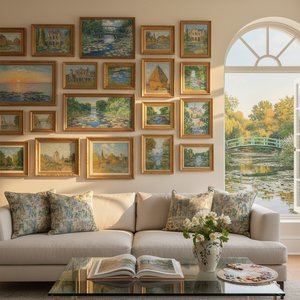
أعمال كلود مونيه الخالدة: 25 تحفة فنية تزين منزلك بجمال الانطباعية
اكتشف 25 تحفة فنية لكلود مونيه، رائد الانطباعية. استكشف قصص لوحاته الخالدة وتقنياته الفريدة وألوانه الساحرة. احصل على نسخ عالية الجودة لديكور منزلك الفاخر على OriginalUniqueArt.com

Bronze Sculptures That Defined Art History | OriginalUniqueArt
Journey through art history with our Top 10 bronze sculptures! Explore masterpieces by Rodin, Michelangelo & more. Discover stories behind iconic statues and find museum-quality reproductions for your home decor at OriginalUniqueArt.com.
