معاينة الحجم الواقعي
 إرسال
إرسال مشاركة
 عرض التفاصيل
 دليل الأعمال الفنية للطلاب

 تحميل
تحميل
 قطع مشابهة
 الأشعة السينية
 عرض شرائح متتابع
 الإحصائيات
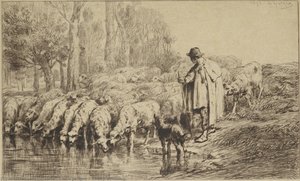
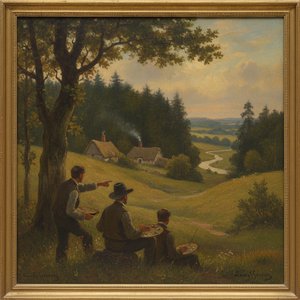
The Sheepfold
 Barbizon School
 1857
1857 46.0 x 92.0 cm
 اقرأ المزيد
طباعة جيلي / مطبوعات فنية
طباعة جيكلي أو كانفاس بجودة المتاحف، مع سرعة في التنفيذ وخيارات متنوعة للتشطيب. ( اطلب نسخة مرسومة يدويًا التحويل إلى الصورة الرقمية)




































اختر من بين أحجامنا المُعدّة مسبقاً والتي تتوافق مع النسب الأصلية للعمل الفني.

أدخل العرض والارتفاع اللذين تحتاجهما، ليتناسب مع إطارك أو جدارك. يمكن قص المطبوعة فقط، ولا يمكن أبداً جعلها أكبر من الصورة الأصلية، لذا فإن أي مقاس بشكل مختلف سيؤدي إلى فقدان جزء من الصورة. سنرسل لك نموذجاً رقمياً تجريبياً لاعتماده قبل البدء في عملية الطباعة. الصورة المعروضة في هذه الصفحة لا توضح القص الفعلي — النموذج التجريبي فقط هو ما يظهر ذلك.
توصيل عالمي إلى خلال أسبوعين بدلاً من المدة القياسية البالغة 4/5 أسابيع. (24 أكتوبر)

شحن سريع ومجاني لجميع أنحاء العالم

قماش كتان فاخر

تأمين شامل على الشحن

ضمان استرداد الرسوم الجمركية

ضمان دقة مطابقة الألوان

سياسة الإرجاع خلال 100 يوم (في حالات العيوب فقط)

ضمان استرداد نقدي بنسبة 100%

عرض خصم الكميات
 خيار الزجاج متاح فقط للمقاسات التي تقل عن 110 سم

The Sheepfold
طباعة جيلي / مطبوعات فنية
مقاس النسخة المطبوعة
-


إجمالي السعر
E£ 4134
الأسئلة والأجوبة
هل ألوان "The Sheepfold" للفنان شارل إيميل جاك مشبعة أم خافتة؟
تتميز لوحة "The Sheepfold" للفنان شارل إيميل جاك بدرجة تشبع تبلغ Subtle Color.
ما هي الهوية اللونية لـ "The Sheepfold" للفنان شارل إيميل جاك؟
الهوية اللونية لـ "The Sheepfold" للفنان شارل إيميل جاك: لوحة ألوان Earthy، يطغى عليها لون Espresso (#583b1c).
ما مدى التناغم بين ألوان "The Sheepfold"؟
يُصنف التناغم اللوني لـ "The Sheepfold" على أنه Unified Palette.
نبذة عن الفنان
حياة متجذرة في الريف الفرنسي
لم يكن تشارلز إيميل جاك، الذي ولد في باريس عام 1813، مقدراً له أن يسلك مساراً فنياً تقليدياً؛ فقد اتخذت حياته المبكرة منعطفاً غير متوقع مع خدمته لمدة سبع سنوات في الجيش الفرنسي. ومع ذلك، وحتى ضمن الهيكل الصارم للحياة العسكرية، وجد موهبته الفطرية طريقها للتعبير، ليس من خلال الرسم في البداية، بل عبر المهارة الدقيقة في نقش الخرائط. هذا التدريب التأسيسي، الذي يتطلب دقة فائقة وقوة ملاحظة، أثبت أنه كان محورياً بشكل مفاجئ في مساعيه الفنية اللاحقة، حيث غرس فيه تفانياً في التفاصيل أصبح سمة مميزة لأعماله. لقد كانت بداية غير متوقعة لرسام سيصبح اسمه مرادفاً للجمال المثالي للريف الفرنسي، ومع ذلك، فإن هذه البداية تعكس بوضوح قدرة جاك على التكيف وفنه المتأصل. وبعد مغادرته الجيش، سعى لفترة وجيزة وراء مجال الرسوم التوضيحية والكاريكاتير، مساهماً في المجلات الباريسية قبل أن يجد شغفه الحقيقي في عالم الحفر والرسم.احتضان مدرسة باربيزون والرؤية الرعوية
شهد منتصف القرن التاسع عشر انجذاب جاك نحو "باربيزون"، تلك القرية الصغيرة التي ستصبح مركزاً لحركة فنية ثورية. فبينما كان يهرب من أوبئة الكوليرا التي اجتاحت باريس، انضم إلى جان فرانسوا ميليه وغيره من الفنانين ذوي الفكر المماثل في البحث عن الإلهام مباشرة من الطبيعة. وقد شكل هذا تحولاً حاسماً بعيداً عن التقاليد الأكاديمية ونحو تصوير أكثر صدقاً وواقعية للحياة. لقد تبنى جاك هذا النهج الجديد بكل جوارحه، مكرساً نفسه لالتقاط جوهر الوجود الريفي؛ من الوقار الهادئ للرعاة وهم يرعون قطعانهم، إلى الإيقاع اللطيف للعمل في المزارع، والجمال البسيط للمواشي في الحقول التي تداعبها أشعة الشمس. لم تكن لوحاته مجرد تصوير للمشاهد، بل كانت مفعمة بإحساس عميق بالسكينة والانسجام، مما يعكس تقديراً عميقاً للعالم الطبيعي. لم يكن الأمر مجرد رسم للأغنام أو الحظائر، بل كان ينقل شعوراً، وحالة وجدانية، وإجلالاً للحياة الرعوية التي لامست قلوب الجمهور بعمق.سيد الوسائط: الرسم وفن الحفر
تجاوزت براعة جاك الفنية حدود الرسم؛ فقد اشتهر كأستاذ في فن الحفر والنمذجة، حيث أحيا تقنيات القرن السابع عشر ودفع بحدود فن الطباعة إلى آفاق جديدة. وقد نالت أعماله المحفورة إشادة واسة لجرأتها وموضوعاتها المتقنة، مما أكسبه ثناء نقاد كبار مثل شارل بودلير. وقد ميز هنري بيرالدي بين فترتين متمايزتين في العمل الغرافيكي لجاك: مرحلة مبكرة مستوحاة من المشاهد الهولتمية الصغيرة، تميزت بالعفوية، وفترة لاحقة اتسمت بلوحات أكبر وأكثر تفصيلاً تظهر حرفية دقيقة. هذه المهارة المزدوجة — بالفرشاة وبالإزميل — سمحت له بالوصول إلى جمهور أوسع وترسيخ مكانته كشخصية بارزة في عالم الفن. لم يكن يرى الرسم وفن الحفر كتخصصات منفصلة، بل كمجالين متكاملين للتعبير عن رؤيته الفنية. كما أظهرت رسومه التوضيحية للكلاسيكيات الأدبية، بما في ذلك طبعات رواية غولدسميث "كاهن ويكفيلد" وأعمال وردزورث "اليونان الخلابة"، مدى تنوعه ومهارته الاستثنائية.الإرث والتأثير الخالد
توفي تشارلز إيميل جاك في عام 1894، تاركاً وراءه إرثاً فنياً غنياً لا يزال يأسر المشاهدين حتى يومنا هذا. لقد لعب دوراً حيوياً في تشكيل تطور الواقعية في الفن الفرنسي، ممهداً الطريق للأجيال القادمة من الفنانين الذين سعوا لتصوير الحياة بصدق وحساسية. إن تفانيه في تصوير الحياة الريفية رفع من شأن "فن النوع" — أي المشاهد المستمدة من الحياة اليومية — ليحتل مكانة مرموقة في المشهد الفني.- رائد إحياء فن الحفر: أثر إحياء جاك لتقنيات الحفر من القرن السابع عشر بشكل كبير على فن الطباعة.
- التأثير على ميليه: أثرت أعماله المبكرة ومطبوعاته تأثيراً عميقاً على صديقه وزميله في مدرسة باربيزون، جان فرانسوا ميليه.
- مدافع عن الحياة الريفية: لقد خلد جمال ووقار الحياة الريفية في فرنسا، صانعاً سجلاً بصرياً باقياً لنمط حياة آخذ في الزوال.

شارل إيميل جاك
1813 - 1894 , فرنسا
لمحة سريعة
- Artistic Movement Or Style: مدرسة باربيزون
- Artists Or Movements Influenced By This Artist: ['الواقعية']
- Artists Who Influenced This Artist: ['أدريان فان أوستاد']
- Date Of Birth: 1813
- Date Of Death: 1894
- Full Name: شارل إيميل جاك
- Nationality: فرنسي
- Notable Artworks:
- الصبي الأزرق الصغير
- حظيرة الأغنام
- الراعية
- Place Of Birth: باريس، فرنسا
مقالات ذات صلة
The Barbizon School: A Professional Guide to Naturalism and Landscape Mastery for Interior Designers
Explore the Barbizon School's mastery of naturalism. An expert guide for hotel designers and procurement managers on sourcing high-quality landscape reproductions to elevate hospitality and corporate interiors with authentic, large-scale fine art solutions.
The Barbizon School: Pioneering Realism & the Pastoral Vision in 19th-Century French Painting
Explore the Barbizon School's pivotal role in 19th-century French painting. Discover how these artists revolutionized landscape art with their commitment to Realism and a profound connection to nature. Learn about key figures like Rousseau, Millet & Corot.

The Hague School: Realism, Atmosphere & the Dawn of Dutch Impressionism
Explore the Hague School's pivotal role in Dutch art history. Discover realism, atmospheric landscapes & its influence on Impressionism. Learn about key artists like Mauve & Maris with OriginalUniqueArt.
Charles-François Daubigny: Pioneering Atmospheric Light & Barbizon Realism
Explore the life & art of Charles-François Daubigny, a pivotal Barbizon School painter. Discover his innovative landscapes, mastery of light, and influence on Impressionism. High-quality reproductions available.
The Barbizon School: The Soulful Origins of Impressionism's Natural Light and Atmospheric Mastery
Discover the profound influence of the Barbizon School on Impressionism. Explore how these masters captured natural light and atmospheric beauty through plein air painting, paving the way for Monet and Renoir. A journey into the soulful origins of landscape art history.