

 معاينة الحجم الحقيقي
 مشاركة
 مشاركة
 التفاصيل

 تحميل الملف
 قطع مشابهة
 الأشعة السينية
 عرض شرائح
Democritus
 Acrylic On Canvas
- WallArt
- Baroque Rococo
 1692
1692 69.0 x 57.0 cm
 متحف اللوفر
 عرض المزيد
نسخة زيتية مصنوعة يدوياً
لوحة زيتية مرسومة يدوياً على الكانفاس بالمقاس والإطار الذي تفضله، تُنفذ حسب الطلب على أيدي فنانينا. ( اشترِ نسخة مطبوعة اشترِ الصورة)




P118B $10

P118H $10

P118W $10

P438Z $10

P508JH $12

P508YH $12

P805H $10

P805Z $10

P919BZ $10

P919G $10

P919XJ $10

P959ZH $10

P968JZ $12

W106C $8

W218G $10

W218JH $8

W218Y $10

W307PJ $10

W316G $10

W316PJ $8

W316Y $10

W398PJ $8

W4111J $10

W500HY $15

W500JH $15

W692G $12

W849H $8

W940BG $15

W953PJ $8




اختر من بين أحجامنا المُعدّة مسبقًا والتي تتطابق مع النسب الأصلية للعمل الفني.

يمكنك إدخال أبعادك الخاصة لتناسب إطارًا معينًا أو مساحة محددة. وإذا لم يتطابق الحجم الذي اخترته مع نسب الصورة الأصلية، فسنقوم إما بقص العمل الفني أو توسيع اللوحة بإضافة عناصر مرسومة يدويًا. سيتم إرسال نموذج رقمي إليك للموافقة عليه قبل بدء الإنتاج.
يرجى ملاحظة أن المعاينة على الشاشة لا تعكس عملية القص أو التوسيع الفعلية؛ حيث إن النموذج الرقمي وحده هو الذي سيوضح التكوين النهائي بدقة.
وعلى الرغم من توفر أحجام مخصصة، إلا أننا نوصي باختيار أبعاد من القائمة المحددة مسبقًا للحفاظ على النسب الأصلية للعمل الفني.
بعد إتمام الطلب، سيرسل فريق OriginalUniqueArt.com بريداً إلكترونياً للعميل لطلب التعليمات وتزويده بمعاينة تجريبية (mockup).
توصيل عالمي إلى خلال 3 إلى 4 أسابيع بدلاً من المدة المعتادة البالغة 5 أسابيع. (21 أغسطس). جودة لا تهاون فيها.

شحن سريع ومجاني لجميع أنحاء العالم

قماش كتان عالي الجودة

تأمين شحن شامل

ضمان استرداد الرسوم الجمركية

ضمان مطابقة الألوان الحقيقية

سياسة الإرجاع خلال 60 يومًا (في حالات العيوب فقط)

ضمان استرداد نقدي بنسبة 100%

خصم عند طلب عدة قطع
 خيار الزجاج متاح فقط للمقاسات التي تقل عن 110 سم

Democritus
خامة إعادة الإنتاج
مقاس النسخة المطبوعة
-


السعر الإجمالي النهائي
$ 300
وصف العمل الفني
Charles Antoine Coypel: A Synthesis of Baroque Grandeur and Rococo Delight
Charles Antoine Coypel (1694-1752) stands as a pivotal figure in French art history, embodying the stylistic transition between the opulent Baroque era and the burgeoning Rococo movement. Born in Paris to Antoine Coypel, himself a celebrated artist, Coypel inherited a lineage steeped in artistic tradition – his grandfather Noël Coypel was also a respected painter. This familial connection undoubtedly fostered an early appreciation for visual artistry and propelled him toward a distinguished career as premier peintre du roi (first painter to the king) at Louis XIV’s court, a position he held until his untimely death. He represents a crucial bridge between two dominant artistic sensibilities, skillfully blending their characteristics into a uniquely expressive oeuvre. His ascent began with a formal apprenticeship under Nicolas Frémiet, mastering the techniques of oil painting and etching – skills that would prove invaluable throughout his prolific output. Coypel quickly gained recognition for his ability to capture dramatic narratives and idealized figures, aligning perfectly with the tastes of the French aristocracy during Louis XIV’s reign. However, unlike many Baroque artists who prioritized monumental scale and formal rigidity, Coypel embraced a softer aesthetic, incorporating delicate pastel hues and flowing drapery—elements characteristic of Rococo style. This stylistic duality is evident throughout his extensive body of work, demonstrating an artist acutely aware of the evolving artistic landscape.The Painting: Democritus – A Portrait Steeped in Symbolism
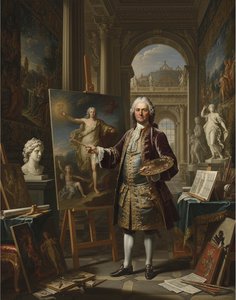
“Democritus” depicts a man with a dignified gaze and subtle smile, rendered in meticulous detail against a muted crimson backdrop. The subject’s attire—a scarlet robe—immediately evokes associations with royalty and piety, suggesting he may have been a religious figure or an intellectual deeply engaged in philosophical contemplation. Coypel's masterful use of chiaroscuro – the dramatic interplay between light and shadow – enhances the portrait’s expressive power, emphasizing the contours of the face and conveying a sense of inner serenity. Two additional figures flank the central subject, appearing smaller and serving as compositional anchors—likely intended to convey depth and perspective within the frame.Technique and Style: Baroque Precision Meets Rococo Elegance
Coypel’s technique exemplifies the harmonious blend of Baroque precision and Rococo elegance. He employed oil paint on canvas with painstaking accuracy, achieving remarkable tonal gradations and capturing subtle nuances of skin texture. Yet, he skillfully incorporated Rococo stylistic elements—such as soft pastel colors and flowing drapery—creating a visual experience that transcends mere representation. The artist’s meticulous attention to detail is particularly noticeable in the rendering of the man's facial features and hair, demonstrating his mastery of anatomical observation. This combination resulted in an artwork that possesses both grandeur and grace, reflecting the artistic sensibilities of its time.Historical Context: Louis XIV’s Court and Artistic Patronage
“Democritus” was created during the zenith of Louis XIV’s reign—a period marked by unparalleled royal patronage of the arts. Coypel benefited enormously from this support, securing commissions for portraits and decorative panels that adorned Versailles and other palaces throughout France. The Baroque tradition, established under Louis XIII, continued to exert influence on artistic production, emphasizing grandeur, monumentality, and idealized beauty. However, Coypel’s work signaled a decisive shift toward the Rococo style—characterized by frivolity, ornamentation, and an emphasis on sensual pleasure—reflecting the changing tastes of the French court and society.Emotional Impact: Serenity Amidst Formal Ornamentation
Despite its formal elegance, “Democritus” communicates a profound sense of inner peace and contemplation. The man’s serene expression invites viewers to engage in introspection, mirroring the philosophical ideals prevalent during Coypel's era. The subdued crimson hue of the robe contributes to the painting’s atmosphere of solemn dignity—a deliberate contrast to the exuberant colors and decorative flourishes typical of Rococo art. Ultimately, Coypel’s masterpiece transcends mere visual spectacle, offering a glimpse into the human spirit and capturing the essence of aristocratic refinement.مقالات ذات صلة

From Grandeur to Grace: Exploring the Evolution of Baroque & Rococo Art
Explore the captivating evolution from Baroque's drama to Rococo's grace! Discover key artists, characteristics & lasting influence of these art movements with expert insights at OriginalUniqueArt.
Charles Le Brun: Master of French Baroque Classicism & His Enduring Legacy
Explore the life & art of Charles Le Brun, master of French Baroque Classicism. Discover his royal commissions, influence on Versailles, and enduring legacy through detailed analysis & stunning artworks.

Charles-André van Loo: A Study in Rococo Portraiture & the French Court's Artistic Dynamics
Explore the elegant world of Charles-André van Loo, a master of Rococo portraiture at the French court. Discover his life, techniques, and enduring influence on 18th-century art. Hand-painted reproductions available.

أفضل 10 روائع تحدد حركة الروكوكو الفني: سحر وجماليات لا تُضاهى | OriginalUniqueArt
اكتشف روائع الروكوكو! استكشف 10 لوحات فنية خالدة تحدد هذا الطراز الفني الساحر. تعرف على الفنانين، الأساليب، وجماليات عصر الروكوكو. احصل على نسخ فنية عالية الجودة وديكورات منزلية مستوحاة من روائع تاريخية. استكشف المجموعة الكاملة على OriginalUniqueArt.com

Baroque vs. Rococo: A Definitive Guide to the Drama of Grandeur and the Elegance of Grace
Explore the profound differences between Baroque drama and Rococo elegance. Our expert guide delves into art history, chiaroscuro, and the evolution of European masterpieces for collectors and enthusiasts seeking deep historical context.

