Rococo · 1762
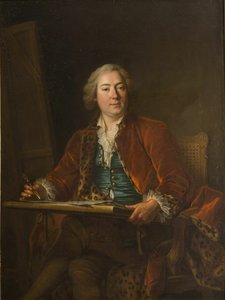
Self-Portrait (شارل أندريه فان لو, 1762)
أبدع شارل أندريه فان لو (1705–1765) في Self-Portrait. يعود تاريخها إلى 1762. تنتمي إلى حركة Rococo. صُنعت من Oil On Canvas. تُحفظ في متحف الإرميتاج في سانت بطرسبرغ, روسيا. أبعادها 88 × 72 cm
- 1762
- Oil On Canvas
- 88 × 72 cm
- متحف الإرميتاج, سانت بطرسبرغ

 معاينة الحجم الواقعي

 لوحة زيتية مرسومة يدوياً
 مشاركة
 مشاركة
 ورقة الحقائق


 تحميل الملف
 قطع مشابهة
 الأشعة السينية
 عرض شرائح
 الأسئلة والأجوبة

 الإحصائيات
Self-Portrait باختصار
- العنوان
- Self-Portrait
- الفنان
- شارل أندريه فان لو (1705–1765)
- تاريخ ميلاد الفنان
- نيس, فرنسا
- التاريخ
- 1762
- الوسيط الفني
- Oil On Canvas
- الأبعاد
- 88 × 72 cm
- أين يمكن مشاهدتها
- متحف الإرميتاج, سانت بطرسبرغ, روسيا
- الحركة
- Rococo
- الموضوع
- portrait, self-portrait, rococo, dutch painting, 18th century, charles van loo
ماذا يصور Self-Portrait؟
A Portrait of Inner Reflection: Charles-André van Loo’s “Self-Portrait”
The year 1762 witnessed a pivotal moment in the artistic landscape of France – the creation of Charles-André van Loo's "Self-Portrait." More than simply a likeness, this painting is a carefully constructed meditation on identity, status, and the burgeoning Rococo aesthetic. Van Loo, a key figure within his family’s esteemed dynasty of painters, presents himself not as a flamboyant courtier or a heroic warrior, but as a thoughtful observer, subtly imbued with an air of quiet contemplation. The portrait immediately draws the eye to the artist's direct gaze, a deliberate act of engagement that invites the viewer into a private moment.
Van Loo’s style is quintessential Rococo – characterized by its delicate brushwork, pastel hues, and an emphasis on elegant ornamentation. He employs a loose, almost impressionistic technique, favoring soft transitions between light and shadow to create a sense of atmospheric depth. The rich fabrics of his suit—a deep burgundy velvet accented with gold embroidery—speak volumes about his position within the French court, while the subtle details – the meticulously rendered lace collar, the gleaming sword on his side – reinforce this image of refined authority. Yet, it’s not merely a display of wealth; these elements are presented with an understated grace that suggests a considered awareness of their symbolic weight.
The Context of 18th-Century Portraiture
To fully appreciate “Self-Portrait,” one must understand the evolving context of portraiture during the mid-18th century. Following the grandeur of the Baroque period, artists began to shift towards a more intimate and psychologically nuanced approach. The rise of the middle class fueled demand for portraits, but royal patronage continued to shape artistic trends. Artists like Van Loo were tasked with capturing not just physical likenesses, but also conveying an individual’s character and social standing. Van Loo's self-portrait reflects this trend – it is a carefully crafted statement about his identity as both artist and member of the elite.
Interestingly, the portrait predates the widespread popularity of the self-portrait as a genre. While artists had occasionally depicted themselves in various roles throughout history, Van Loo’s work stands out for its directness and lack of theatricality. He avoids overtly dramatic poses or elaborate settings, opting instead for a simple, uncluttered composition that focuses entirely on his own image. This deliberate restraint speaks to the artist's confidence and self-awareness – he is not seeking to impress, but rather to present himself honestly.
Symbolism and Emotional Resonance
Beyond its technical merits, “Self-Portrait” is rich in symbolic detail. The sword, a traditional emblem of power and authority, suggests Van Loo’s role as a court painter – a position that demanded both artistic skill and political savvy. However, the sword is not brandished aggressively; it rests calmly on his hip, hinting at a measured approach to wielding influence. The background—a plain wall—further emphasizes the artist's focus on himself, creating an aura of introspection.
Perhaps most powerfully, the painting evokes a sense of quiet contemplation. Van Loo’s gaze is direct and unwavering, yet there is also a hint of melancholy in his expression. It’s as if he is reflecting on his own life, his work, and the complexities of his position within society. The subtle shading around his eyes and mouth contributes to this feeling of emotional depth, inviting the viewer to share in his private thoughts. The painting isn't merely a representation of a man; it’s an invitation into his inner world.
A Timeless Masterpiece: Reproduction Possibilities
Charles-André van Loo’s “Self-Portrait” remains a captivating work of art, offering a rare glimpse into the mind and soul of a prominent 18th-century artist. High-quality reproductions capture the delicate brushwork and nuanced color palette that define this masterpiece. Whether displayed in a formal salon or a contemporary living space, this portrait continues to resonate with viewers today, reminding us of the enduring power of self-reflection and artistic expression. OriginalUniqueArt offers meticulously crafted hand-painted reproductions, allowing you to bring this timeless work into your home.
أي متحف يضم Self-Portrait؟
متحف الإرميتاج
سانت بطرسبرغ, روسيا
Origins and History of the Hermitage Museum The Hermitage Museum began in 1764. Its foundation traces back to the acquisition of a collection of 225 paintings from the Berlin merchant Johann Ernst Gotzkowsky. Catherine the Great initiated this collection, establishing the museum's presence in Saint Petersburg, Russia.


صور عالية الدقة لـ Self-Portrait
شارل أندريه فان لو, Self-Portrait (1762), متحف الإرميتاج. ملك عام
أسئلة وإجابات حول Self-Portrait
أين تُعرض "Self-Portrait" للفنان شارل أندريه فان لو اليوم؟
تُحفظ النسخة الأصلية من "Self-Portrait" للفنان شارل أندريه فان لو في متحف الإرميتاج, سانت بطرسبرغ, روسيا، بينما تتيح لك هذه النسخة المطبوعة عرض العمل الفني في منزلك.
في أي عام أُبدع العمل "Self-Portrait" للفنان شارل أندريه فان لو؟
تاريخ إبداع "Self-Portrait" للفنان شارل أندريه فان لو يعود إلى عام 1762.
ما هي التقنية المستخدمة في "Self-Portrait" للفنان شارل أندريه فان لو؟
تعتمد التقنية المستخدمة في "Self-Portrait" للفنان شارل أندريه فان لو على Oil On Canvas، وتهدف النسخ المطبوعة إلى محاكاة مظهر هذه التقنية.
ما هي أبعاد العمل الأصلي "Self-Portrait"؟
تبلغ أبعاد "Self-Portrait" في شكلها الأصلي 88 x 72 cm. وتُعد الأبعاد الأصلية مرجعاً مفيداً عند اختيار حجم النسخة المطبوعة.
ما هي الموضوعات التي يتناولها "Self-Portrait" للفنان شارل أندريه فان لو؟
تُصور "Self-Portrait" للفنان شارل أندريه فان لو: portrait, self-portrait, rococo, dutch painting, 18th century, charles van loo, mustache.
هل يمكن إعادة إنتاج صورة "Self-Portrait" للفنان شارل أندريه فان لو بحرية؟
حالة حقوق الطبع والنشر لـ "Self-Portrait" للفنان شارل أندريه فان لو: العمل يقع ضمن ملك عام - انتهت مدة حماية حقوق الطبع والنشر الخاصة به، وهو ما يحدد مدى إمكانية إعادة إنتاج الصورة بحرية.
من هو الفنان الذي يُنسب إليه العمل "Self-Portrait"؟
تم إبداع "Self-Portrait" بواسطة شارل أندريه فان لو. وتصف المعلومات الواردة في هذه الصفحة العمل الأصلي لـ شارل أندريه فان لو.
إلى أي تيار فني تنتمي "Self-Portrait" للفنان شارل أندريه فان لو؟
تنتمي "Self-Portrait" للفنان شارل أندريه فان لو إلى حركة Rococo، التي تمنح العمل سياقه الأسلوبي.
إلى أي مرحلة من مسيرة شارل أندريه فان لو الفنية ينتمي العمل "Self-Portrait"؟
ينتمي العمل "Self-Portrait" إلى الفترة Mature Period من مسيرة شارل أندريه فان لو المهنية، مما يربط هذا العمل بمراحل تطور الفنان الفني.
عن الفنان، شارل أندريه فان لو
1705–1765, فرنسا
شارل أندريه فان لو
الحياة المبكرة والتدريب الميلاد: 15 فبراير 1705، في نيس، فرنسا الخلفية العائلية: ابن لويس-أبراهام فان لو وأخ أصغر لجين-بابتيست فان لو. وهو عضو في سلالة ناجحة من الرسامين الهولنديين. التعليم المبكر: تدريب أولي في تورين، تلاه دراسة في روما (1712) تحت إشراف بينيديتو لوتي وبيير ليغرو. الدراسات الباريسية: التحق بالأكاديمية الملكية، حيث فاز بالجائزة الأولى للرسم عام 1723 والرسم التاريخي عام 1727.
وأيضاً لـ شارل أندريه فان لو
 Spanish Concert (Spanish Сonversation)1754
 Aeneas Carrying Anchises1729
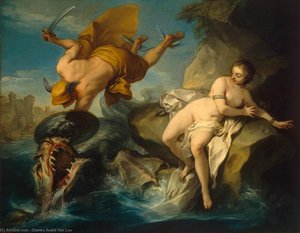 Perseus and Andromeda1735
 The sultana1747
مقالات حول Self-Portrait
 Charles-André van Loo: A Study in Rococo Portraiture & the French Court's Artistic DynamicsExplore the elegant world of Charles-André van Loo, a master of Rococo portraiture at the French court. Discover his life, techniques, and …
 ثلاثية الرؤى الفنية: استكشاف الاستجابة العاطفية للتفسيرات المتعددة لمفهوم واحداكتشف قوة الفن في إثارة المشاعر! نقدم لوحات فاخرة، رسومات مخصصة، واستشارات فنية احترافية. جودة عالية، أسعار مميزة، وشحن عالمي. OriginalUniq…
 Reflecting the Self: A History of Portraiture & Psychological InsightExplore the fascinating history of self-portraiture from Renaissance masters like Dürer & Rembrandt to modern interpretations. Discover the…