
 معاينة الحجم الواقعي
 مشاركة
 مشاركة
 التفاصيل
 دليل
دليل

 تحميل الملف
 قطع مشابهة
 الأشعة السينية
 عرض شرائح
 الأسئلة والأجوبة
 الإحصائيات
Little Girl in Blue


 عرض المزيد
طباعة جيلي / مطبوعات فنية
طباعة جيكلي أو كانفاس بجودة المتاحف، مع سرعة في التنفيذ وخيارات متنوعة للتشطيب. ( شراء لوحة مرسومة يدويًا الانتقال إلى الصورة الرقمية)




P118B E£10

P118H E£10

P118W E£10

P438Z E£10

P508JH E£12

P508YH E£12

P805H E£10

P805Z E£10

P919BZ E£10

P919G E£10

P919XJ E£10

P959ZH E£10

P968JZ E£12

W106C E£8

W218G E£10

W218JH E£8

W218Y E£10

W307PJ E£10

W316G E£10

W316PJ E£8

W316Y E£10

W398PJ E£8

W4111J E£10

W500HY E£15

W500JH E£15

W692G E£12

W849H E£8

W940BG E£15

W953PJ E£8




اختر من بين أحجامنا المُعدّة مسبقاً والتي تتوافق مع النسب الأصلية للعمل الفني.

أدخل العرض والارتفاع المطلوبين ليتناسب المقاس مع إطارك أو جدارك. يرجى الملاحظة أن المطبوعة يمكن قصها فقط ولا يمكن تكبيرها لتتجاوز أبعاد الصورة الأصلية، لذا فإن اختيار مقاس بأبعاد مختلفة سيؤدي إلى فقدان جزء من الصورة. سنرسل لك نموذجاً رقمياً تجريبياً لاعتماده قبل البدء في عملية الطباعة. الصورة المعروضة في هذه الصفحة لا توضح شكل القص الفعلي — النموذج التجريبي فقط هو ما يظهر ذلك بدقة.
توصيل عالمي إلى خلال أسبوعين بدلاً من المدة القياسية البالغة 4/5 أسابيع. (9 نوفمبر)

شحن سريع ومجاني لجميع أنحاء العالم

قماش كتان عالي الجودة

تأمين شامل على الشحن

ضمان استرداد الرسوم الجمركية

ضمان مطابقة الألوان الحقيقية

سياسة الإرجاع خلال 100 يوم (في حالات العيوب فقط)

ضمان استرداد نقدي بنسبة 100%

خصم عند طلب كميات
 خيار الزجاج متاح فقط للمقاسات التي تقل عن 110 سم

Little Girl in Blue
طباعة جيلي / مطبوعات فنية
مقاس النسخة المطبوعة
-


إجمالي السعر النهائي
E£ 4250
A Portrait of Quiet Intensity: Chaim Soutine’s “Little Girl in Blue”
Chaim Soutine's "Little Girl in Blue," painted circa 1934-1935, is not merely a portrait; it’s an immersion into the heart of emotional vulnerability. This arresting canvas, currently residing within the Kunstmuseum Bern, Switzerland, offers a profound glimpse into the artist’s signature style – a turbulent blend of Expressionism and a deeply personal vision of the human form. Soutine, a Russian-born painter who spent much of his career in Paris, was renowned for his intensely expressive depictions of figures, often imbued with a sense of melancholy and psychological depth. “Little Girl in Blue” exemplifies this approach, presenting a young girl not as a static subject but as a vessel brimming with unspoken emotions.
The painting immediately draws the viewer in with its dominant palette of muted blues and purples – colors that evoke both serenity and a subtle undercurrent of sadness. These cool tones are masterfully contrasted by flashes of warm orange, most notably within the girl’s gloves and highlighting her cheekbones, creating a dynamic interplay between light and shadow. Soutine's technique is characterized by thick, impasto brushstrokes, building up layers of paint to create a tactile surface that seems almost sculptural. This deliberate roughness isn’t simply decorative; it actively contributes to the painting’s emotional intensity, mirroring the turbulence within the subject’s gaze.
Deconstructing the Form: Composition and Distortion
The composition is strikingly direct – the girl occupies nearly the entire frame, her presence commanding attention. However, Soutine deliberately distorts the figure's proportions, elongating her body and subtly shifting her features. This distortion isn’t a flaw but an integral part of his artistic language; it serves to amplify the painting’s emotional impact, conveying a sense of unease and vulnerability. The background is intentionally blurred, dissolving into a wash of color that further isolates the subject and directs the viewer's focus entirely onto her face and expression.
Notice how Soutine avoids precise lines or sharp edges. Instead, he employs gestural brushstrokes – loose, expressive marks that follow the contours of the figure’s body. This technique creates a sense of movement and fluidity, as if the girl is caught in a moment of introspection or quiet contemplation. The flattened perspective further enhances this feeling, eliminating traditional depth cues and forcing the viewer to engage with the painting on a purely emotional level.
A Window into Soutine’s World: Biography and Context
Understanding Chaim Soutine requires acknowledging the profound impact of his early life. Born in Smilovichi, Russia, amidst poverty and restrictive religious practices, he developed an intense sensitivity to human emotion – a quality that would profoundly shape his artistic vision. His emigration to Paris in 1913 proved pivotal, immersing him within a vibrant artistic community while simultaneously allowing him to forge his own unique path. The painting’s creation during this period reflects the artist's ongoing struggle with personal demons and his exploration of themes related to isolation, vulnerability, and the complexities of human experience.
Interestingly, “Little Girl in Blue” was painted shortly after Soutine’s move back to India, where he spent a significant portion of his career. This shift is reflected in the painting's color palette – the muted blues and purples are juxtaposed with warmer tones reminiscent of the Indian landscape. The subject herself, Lalit Kaur Mann, embodies this transition, representing both the innocence of childhood and the burgeoning awareness of the world around her.
Symbolism and Emotional Resonance
Beyond its formal elements, “Little Girl in Blue” is rich with symbolic meaning. The girl’s averted gaze suggests a sense of introspection or perhaps even sadness – she seems lost in thought, disconnected from the viewer. Her simple blue dress symbolizes purity and innocence, while the orange accents hint at warmth and vitality struggling to emerge. The painting's overall mood is one of quiet melancholy, inviting viewers to contemplate themes of vulnerability, isolation, and the enduring power of human emotion.
Soutine’s “Little Girl in Blue” remains a powerfully evocative work of art – a testament to his unique artistic vision and his ability to capture the complexities of the human spirit. It is a painting that rewards repeated viewing, revealing new layers of meaning with each encounter. Whether you are an avid collector, an interior designer seeking a statement piece, or simply an admirer of fine art, this captivating portrait offers a profound and unforgettable experience.
الأسئلة والأجوبة
ما هو الحجم والاتجاه الموصى بهما لطباعة "Little Girl in Blue"؟
مقاس Medium، واتجاه Tall: هذا هو إعداد الطباعة المقترح لـ "Little Girl in Blue" للفنان شيم سوتين.
هل العمل "Little Girl in Blue" للفنان شيم سوتين ضمن الملكية العامة، ولماذا؟
تُعد لوحة "Little Girl in Blue" للفنان شيم سوتين من الأعمال التي تندرج ضمن ملك عام - انتهت مدة حماية حقوق الطبع والنشر الخاصة به؛ حيث تُحتسب مدة حقوق الطبع والنشر بدءاً من تاريخ وفاة الفنان، وقد توفي شيم سوتين في عام 1943.
هل يغلب على "Little Girl in Blue" الطابع الفاتح أم الداكن بشكل عام؟
تتمثل القيم المسجلة لـ "Little Girl in Blue" للفنان شيم سوتين في: سطوع بمقدار deep_shadow، وإضاءة بمقدار Dark.
السيرة الذاتية للفنان
حياة تشايم سوتين: نشأة في خضم الاضطرابات
ولد تشايم سوتين عام 1893 في سميلوفيتشي، روسيا (بيلاروسيا حاليًا) لعائلة يهودية كبيرة تعاني من الفقر المدقع. لقد شكلت هذه التجربة المبكرة حياته بعمق، حيث طبعت رؤيته الفنية بصمة لا تمحى. على الرغم من أن التمثيل التصويري كان مرفوضًا في بيئته الدينية المتدينة، إلا أن موهبة فطرية للرسم ازدهرت داخله، مما أشار إلى الشدة العاطفية التي ستحدد أعماله لاحقًا. تلقى تدريبه الرسمي في أكاديمية فنية في فيلنيوس (فيلنيوس حاليًا) من عام 1910 إلى عام 1913، لكن هجرته إلى باريس عام 1913 أثبتت أنها نقطة تحول حقيقية. التحق بمدرسة الفنون الجميلة تحت إشراف فرناند كورمون، ووجد نفسه وسط مجتمع فني نابض بالحياة، ومع ذلك ظل بعيدًا عن الاتجاهات السائدة، مسلكًا طريقًا فريدًا من نوعه. تميزت سنواته الأولى في باريس بفقر مدقع، وهو صراع يعكس الاضطراب العاطفي الذي كان يختمر تحت سطح لوحاته.فنان تعبيري متميز: الأسلوب والتأثيرات
غالبًا ما يتم تصنيف سوتين على أنه تعبيري، لكن وصفه بهذه الفئة وحدها يبدو مقيدًا. كان أسلوبه فريدًا بعمق، وهو توليفة آسرة من الرسم الأوروبي التقليدي – وخاصة أساتذة هولندا مثل رامبرانت وشاردان، والواقعية لكوربيه – مصفاة من خلال عدسة الشدة العاطفية الخام. لم يقتصر على تقليد هؤلاء الأساتذة؛ بل استوعب تقنياتهم واستراتيجيات تركيبهم، ثم أعاد تفسيرها بعنف للتعبير عن عالمه الداخلي. الألوان الجريئة، المطبقة بضربات فرشاة سميكة – تطبيق نسيجي للطلاء يمنح أسطحه ملموسية واضحة – والفرشاة المضطربة هي من أبرز سمات أسلوبه. لم يكن سوتين مهتمًا بالتمثيل الدقيق؛ بل سعى إلى التقاط الجوهر العاطفي لموضوعاته، وغالبًا ما يملأها بإحساس بعدم الارتياح أو التوتر النفسي. المناظر الطبيعية والبورتريهات والطبيعة الصامتة أصبحت مركباته المفضلة لهذا الاستكشاف، حيث تعكس موضوعات متكررة مثل الطعام والحيوانات تجاربه الشخصية وتراثه اليهودي. لم تكن هذه مجرد تصوير؛ بل كانت تعبيرات جسدية عن المشاعر، مرسومة بطاقة يائسة تقريبًا.التطور والأعمال الرئيسية
تطور سوتين الفني من خلال فترات متميزة، تميز كل منها باستكشافات أسلوبية فريدة. شهدت السنوات الأولى في باريس (1913-1917) صراعه مع إيجاد صوته وسط الصعوبات المالية. أثبتت الفترة التي قضاها في سيريت بين عامي 1919 و 1922 أنها حاسمة. هنا، محاطًا بالمناظر الطبيعية الدرامية لجنوب فرنسا، أنتج العديد من أعماله الأكثر شهرة. تتميز هذه اللوحات بألوان نابضة بالحياة وأشكال مشوهة وإحساس بطاقة عنيفة تقريبًا. الأشجار والمنحدرات والحقول تصبح كتلًا دوامية من الطلاء، وتعكس ليس فقط ما رآه سوتين ولكن كيف *شعر* بحضرتهم. تبرز بورتريهاته أيضًا لعمقها النفسي. غالبًا ما صور أفرادًا من الطبقة العاملة بصدق خام يتحدى التصوير التقليدي، ويكشف عن كرامة وضعف موضوعاته. وبالمثل، تنقل لوحاته الطبيعة الصامتة – ترتيبات الطعام والأشياء – إحساسًا بالحيوية، ولكن أيضًا بطاقة مقلقة، كما لو أن الأشياء الجامدة مشبعة بالحياة والعاطفة. تشمل الأعمال البارزة من هذه الفترة دراسات متعلقة بـ "رقصة الحياة"، إلى جانب العديد من المناظر الطبيعية التي تجسد جوهر سيريت، وصور مؤثرة للمهاجرين الروس في باريس.الاعتراف والإرث والتأثير الدائم
كان سوتين شخصية رئيسية ضمن مدرسة باريس، وهي مجموعة متنوعة من الفنانين الذين عملوا في المدينة خلال أوائل القرن العشرين. ومع ذلك، لم يكن طريقه إلى الاعتراف سهلاً. لعب تاجر الأعمال الفنية ليوبولد زبوروفسكي دورًا حاسمًا في الترويج لأعمال سوتين وتأمين استقراره المالي، معترفًا بالقوة الفريدة لرؤيته. كان الاستقبال النقدي الأولي مختلطًا، لكن سمعته نمت باستمرار بمرور الوقت. أثر استخدامه التعبيري للطلاء والشدة العاطفية بعمق على الفنانين اللاحقين، بمن فيهم ويليم دي كونينغ وفرانسيس بيكون، الذين رأوا في سوتين روحًا قريبة – فنانًا مستعدًا لدفع حدود التمثيل في سعيه وراء التعبير الحقيقي. اليوم، يتم الاعتراف بتشايم سوتين بشكل صحيح كشخصية رئيسية في التعبيرية ومساهم كبير في فن القرن العشرين. تحتفظ أعماله في متاحف مرموقة حول العالم، وهي شهادة على إرثه الدائم. إنه يمثل جسرًا حاسمًا بين تقنيات الرسم الأوروبي التقليدي والأشكال الناشئة من التعبيرية المجردة، مع إعطاء الأولوية للتعبير العاطفي على التمثيل الموضوعي وتطوير صوت فني تجاوز المخاوف التعبيرية النموذجية. مكنته أسلوبه المبتكر من تمهيد الطريق لأجيال لاحقة من الفنانين الذين يسعون إلى استكشاف أعماق المشاعر الإنسانية من خلال قوة الطلاء.
شيم سوتين
1894 - 1943 , روسيا
حقائق سريعة
- أعمال بارزة:
- منظر طبيعي ضاحية...
- غير مُعنون (2161)
- دراسة للرقصة...
- الاسم الكامل: خيم سوتين
- الجنسية: فرنسي
- الحركة الفنية: التعبيرية
- تاريخ الميلاد: 13 يناير 1893
- تاريخ الوفاة: 1943
- فنانون أثروا فيه:
- رمبرانت
- شاردان
- كوربيه
- فنانون تأثروا به:
- ويليم دي كونينغ
- فرانسيس بيكون
- التعبيرية المجردة
- مكان الميلاد: سميلوفيتشي، روسيا
مقالات ذات صلة

Liquid Vibes: Bold Water Landscapes & Deep Blue Textures to Level Up Your Space
Elevate your space with bold water landscapes and deep blue textures. Discover trending abstract art, from sculptural textiles to premium oil reproductions, designed to bring high-impact, liquid vibes to modern urban interiors.
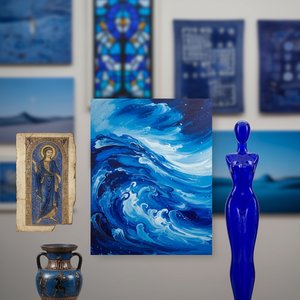
The Allure of Azure: Exploring the Symbolic & Aesthetic Depths of Blue in Art History
Explore the rich history of blue in art! Discover its symbolism, from ancient pigments to modern masterpieces by Kandinsky & Seurat. Uncover the psychological impact and cultural meanings behind this captivating hue.

Serene Blue Backgrounds: Discover Soulful Art to Transform Your Space with Timeless Elegance
Transform your home with soulful blue art. From serene Monet impressions to modern textured sculptures, discover curated masterpieces designed to inspire calm. Explore expert art consultations and bespoke hand-painted reproductions to create your personal sanctuary.

German Expressionism's 10 Defining Masterpieces | Art for Your Home
Explore 10 defining German Expressionism masterpieces – from Munch's 'The Scream' to Kandinsky’s abstracts. Discover the artists, stories & bold colors behind this powerful art movement. Find museum-quality reproductions at OriginalUniqueArt.com.

Slate Blue Masterpieces: 10 Iconic Paintings & Timeless Home Decor Ideas
Immerse yourself in the captivating world of slate blue! Explore 10 iconic paintings by Monet, Van Gogh & Renoir. Discover their stories, techniques & find museum-quality art reproductions for your home at .
