

 معاينة الحجم الواقعي
 إرسال
إرسال مشاركة
 عرض التفاصيل
 دليل الأعمال الفنية للطلاب

 تحميل
تحميل
 قطع مشابهة
 الأشعة السينية
 عرض شرائح متتابع
 Q&A
Q&A الإحصائيات
Portrait of Berta Singerman

 اقرأ المزيد
احصل على ملف جاهز للطباعة يتجاوز بمراحل جودة المعاينة عبر الإنترنت. فكل صورة رقمية نبيعها مستمدة من نسخة أصلية عالية الدقة في قاعدة بياناتنا — تتراوح عرضها عادةً بين 5,000 إلى 15,000 بكسل — مما يتيح لك الطباعة بأحجام كبيرة، أو الاقتصاص بدقة، أو إعادة إنتاج التفاصيل الدقيقة بكل ثقة.
لا تخرج أي صورة من استوديو الخاص بنا دون أن تمر بعملية معالجة دقيقة؛ حيث يقوم خبير رقمي بمطابقة الألوان مع اللوحة الأصلية وتصحيحها عند الضرورة، ثم يعمل على تحسين الوضوح والتفاصيل باستخدام أدوات ترميم احترافية — مع الحفاظ دائماً على أمانة نقل ضربات فرشاة الفنان وأسلوبه. والنتيجة هي صورة تبدو كأنها اللوحة ذاتها، وليست مجرد مسح ضوئي خاضع للفلاتر.
تتم عملية الاعتماد قبل الإتمام النهائي: حيث يرسل خبيرنا الصورة عبر البريد الإلكتروني في غضون 72 ساعة لمراجعتها من قبلك. هل لم تنل النتيجة إعجابك؟ يمكنك طلب تحسينات أو تصحيحات، أو طلب استرداد الأموال إذا لم تكن الجودة بالمستوى المطلوب.
هذه هي الجودة التي يعتمد عليها الناشرون، واستوديوهات التصميم، والمعارض، والمطابع.
صورة رقمية
حمّل ملفاً عالي الدقة للعرض الشخصي، والطباعة، والمشاريع الإبداعية. ( التبديل إلى المطبوعات اطلب نسخة مرسومة يدويًا)
مزايا مُضمّنة مع كل طلب صورة رقمية
خدمة تسليم رقمي احترافية ومضمونة
عندما تختار OriginalUniqueArt.com، فأنت لا تحصل على مجرد صورة فحسب، بل ستحصل على عمل فني رقمي مُحسّن باحترافية، صُمم بدقة متناهية ومصحوب بضمان الرضا. إليك كل ما يتضمنه طلبك تلقائياً:

تسليم سريع عبر البريد الإلكتروني
ستصلك ملفات صورك الرقمية عالية الدقة عبر البريد الإلكتروني في غضون 72 ساعة من إتمام الطلب - لتكون جاهزة للاستخدام الفوري.

ملف رقمي مُعزز بالذكاء الاصطناعي
يتم تحسين عملك الفني باحترافية باستخدام أدوات الذكاء الاصطناعي المتقدمة والتحرير اليدوي، لضمان أقصى درجات التفاصيل والوضوح ودقة الألوان.

إعادة إرسال مجانية مدى الحياة
هل حذفت ملفك أو فقدته عن طريق الخطأ؟ لا تقلق - سنعيد إرساله إليك في أي وقت، مجاناً.

بدون رسوم استيراد - على الإطلاق
استمتع بأعمالك الفنية فوراً دون أي رسوم جمركية أو ضرائب أو مصاريف شحن - فالتحميلات الرقمية دائماً ما تكون معفاة من الضرائب.

ضمان دقة الألوان
نضمن لك دقة انعكاس الألوان الأصلية في صورتك الرقمية بأقصى قدر ممكن، وذلك باستخدام أدوات احترافية وتقنيات متطورة لإدارة الألوان.

ضمان الرضا لمدة 100 يوم
إذا لم تكن راضياً عن صورتك الرقمية، فسنقوم بتعديلها أو استرداد 100% من قيمتها خلال 100 يوم - دون طرح أي أسئلة.

ضمان استعادة الأموال بنسبة 100%
لم تكن راضياً؟ استرد كامل المبلغ خلال 100 يوم من استلام ملفك الرقمي - دون طرح أي أسئلة.

خصومات الطلبات الكبيرة
اشتري 3 صور، ووفر 10% - اشتري 5، ووفر 15% - اشتري +10، ووفر 20%. مثالية للمشاريع الإبداعية، والمعارض، والوكالات.
الأسئلة والأجوبة
هل يتوفر عرض مسبق بتقنية الواقع المعزز لـ "Portrait of Berta Singerman"؟
تستخدم صفحة معاينة الواقع المعزز لعمل "Portrait of Berta Singerman" للفنان Carlos Mérida تقنية الواقع المعزز لعرض العمل الفني في مساحتك الخاصة، عبر جهاز متوافق.
من الذي أبدع "Portrait of Berta Singerman" وفي أي عام؟
مؤلف "Portrait of Berta Singerman" هو Carlos Mérida، ويعود تاريخ العمل إلى 1927.
هل يتوفر خيار التنزيل لـ "Portrait of Berta Singerman"؟
يمكن تحميل صورة "Portrait of Berta Singerman" للفنان Carlos Mérida من صفحة تحميل الخاصة بالعمل الفني: تحميل صورة رقمية عالية الدقة.
سيرة الفنان
A Fusion of Worlds: The Life and Art of Carlos Mérida
Carlos Mérida, born Carlos Santiago Ortega in Guatemala City in 1891, stands as a pivotal figure in the narrative of Latin American modern art. His journey was one of constant exploration—a compelling synthesis of European avant-garde sensibilities with the rich cultural heritage of his Guatemalan roots and, later, the vibrant artistic landscape of Mexico. Initially drawn to music, Mérida’s path shifted due to hearing loss, a circumstance that unexpectedly steered him toward painting under his father's encouragement. This redirection proved fortuitous, unlocking a talent that would blossom across continents and redefine artistic boundaries. His early studies at the Instituto de Artes y Oficios and the Instituto de Ciencias y Letras in Guatemala City laid the foundation for an artistic career marked by innovation and a relentless pursuit of a uniquely American aesthetic. Even his adoption of the surname “Mérida,” finding it more resonant, speaks to a deliberate crafting of identity—a theme that would permeate his life and work. His first exhibition in 1910 already hinted at the avant-garde tendencies that would define his artistic vision.Parisian Encounters and the Seeds of Modernism
The year 1910 marked a turning point, as Mérida embarked on a journey to Paris with a fellow artist, Carlos Valenti. This sojourn into the heart of Europe proved transformative. Immersed in the burgeoning modernist movements, he encountered giants like Van Dongen, Modigliani, Picasso, and Mondrian—artists who were dismantling traditional artistic conventions and forging new visual languages. He exhibited at the Independent Salon and Giroux Gallery, absorbing the energy of a city pulsating with creative ferment. These encounters weren’t merely observational; Mérida actively engaged with these masters, participating in discussions and debates that shaped his understanding of art's potential. The tragic suicide of Valenti deeply affected him, but he persevered, finding solace and guidance from artists like Roberto Montenegro who helped him navigate the complexities of the Parisian art scene. This period instilled within him a deep appreciation for Cubism and other emerging styles, providing the tools with which he would later articulate his own artistic vision.Returning to Roots: Guatemala and Mexico
Following World War I, Mérida returned to Guatemala in 1914, but this was not a return to the status quo. The experience of Europe had irrevocably altered his perspective. He began to look inward, captivated by Guatemalan folklore and driven by a desire to define an authentically “American” identity within his art. His exhibitions during this time were groundbreaking, signaling the dawn of modern painting in Guatemala. However, it was Mexico that ultimately became his artistic home. In 1919, he relocated to Mexico City, drawn by the fervor of the Mexican muralism movement and a sense of shared cultural purpose. He quickly integrated into the artistic community, collaborating with Diego Rivera and Xavier Guerrero on projects like the murals at the National Preparatory School as part of the *Renacimiento Mexicano* (Mexican Renaissance). Yet, Mérida’s approach differed from that of his muralist contemporaries. While they often favored figurative narratives steeped in social and political commentary, Mérida gravitated towards abstraction—a path he solidified after a second trip to Europe in the late 1920s where he further explored Mayan art.Plastic Integration and a Unique Artistic Language
Mérida’s artistic philosophy culminated in his concept of “plastic integration,” an ambitious attempt to harmonize art and architecture. This vision reached its most expansive expression in the Benito Juárez Housing Project, a large-scale endeavor that tragically fell victim to the 1985 Mexico City earthquake. The project exemplified Mérida's belief in the power of art to transform living spaces and elevate everyday life. Throughout his career, he continued to experiment with diverse mediums—designs, graphic works, scenographic sketches for dance, and tapestries—always returning to geometric variations and vibrant color palettes. His style became instantly recognizable: a dynamic interplay of abstract forms infused with Mayan symbolism and the energy of Mexican modernism. He wasn’t simply appropriating indigenous motifs; he was engaging in a dialogue between ancient traditions and contemporary aesthetics, creating a visual language that was both deeply rooted and strikingly original. His work is characterized by its bold colors, geometric shapes, and integration of Mayan cultural elements. His contributions were widely recognized with exhibitions in the United States—at Harvard University and the Museum of Fine Arts, Boston, among others—and culminated in the National Prize for Arts and Sciences in Mexico.A Lasting Legacy
Carlos Mérida passed away in Mexico City in 1985 at the age of 94, leaving behind a legacy that continues to inspire artists and scholars alike. He is remembered not merely as an artist who blended European modernism with Latin American themes but as a visionary who forged a new path for artistic expression. He successfully synthesized disparate influences—Cubism, Surrealism, Mayan art, Mexican muralism—into a cohesive and compelling aesthetic. His work transcends categorization, existing in a space between abstraction and representation, tradition and innovation. Mérida’s enduring significance lies in his ability to articulate a uniquely American identity through the universal language of art, proving that artistic boundaries are meant to be challenged and redefined. He remains a testament to the power of cultural exchange and the transformative potential of creative vision.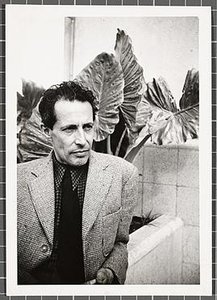
Carlos Mérida
1891 - 1984